Dr rahul gastro liver

Inflammatory Bowel Disease Treatment in Hyderabad

Home - Inflammatory Bowel Disease​

Live out your life.

Fighting Inflammation, Embracing Strength.

Inflammatory Bowel Disease (IBD) is a chronic condition that causes persistent inflammation in the digestive tract, primarily including Crohn's disease and Ulcerative Colitis. Common symptoms include abdominal pain, diarrhea, rectal bleeding, fatigue, and weight loss. Early diagnosis and personalized treatment are essential to control inflammation, prevent complications, and improve quality of life. Dr. Rahul Dubbaka provides comprehensive IBD diagnosis, treatment, and long-term management to help patients achieve better digestive health.

Crohn's Disease

Crohn's disease can affect any part of the gastrointestinal tract, from the mouth to the anus.

Ulcerative Colitis

The inflammation is continuous and starts in the rectum, progressively affecting more of the colon.

Genetic Factors

There is a hereditary component to IBD. People with a family history of IBD are at an increased risk.

Immune System Dysfunction

IBD is thought to occur when the immune system mistakenly attacks the digestive tract,
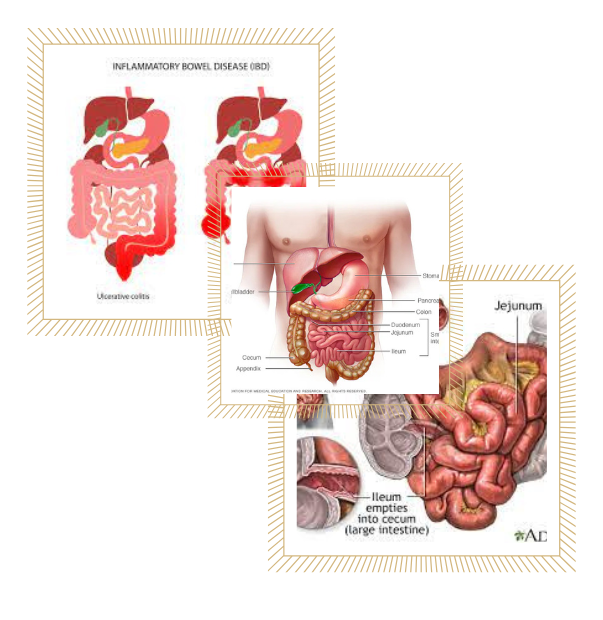
Specialist diagnosing and treating Crohn's disease and Ulcerative Colitis in Hyderabad.

What Is Inflammatory Bowel Disease​?

Inflammatory Bowel Disease (IBD) refers to a group of chronic conditions that cause inflammation in the digestive tract. The two main types of IBD are Crohn’s Disease and Ulcerative Colitis. Both of these conditions can lead to symptoms like abdominal pain, diarrhea, weight loss, and fatigue, but they affect different parts of the gastrointestinal (GI) tract and have unique characteristics.

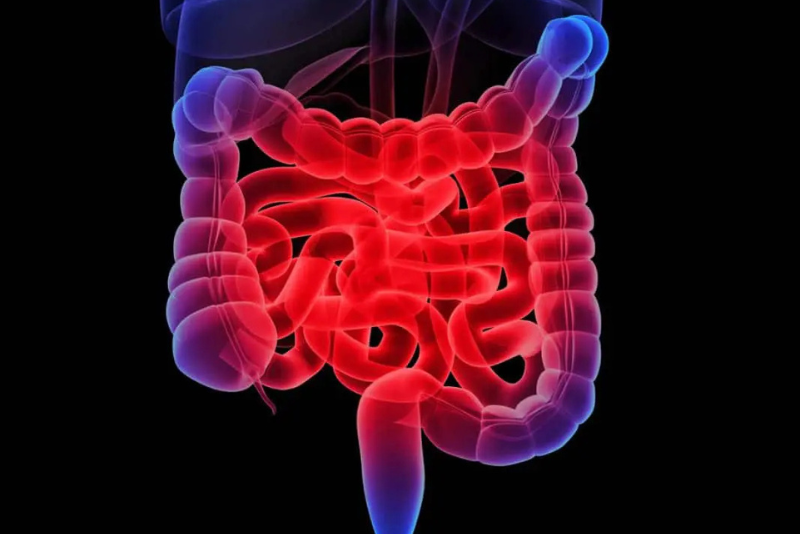
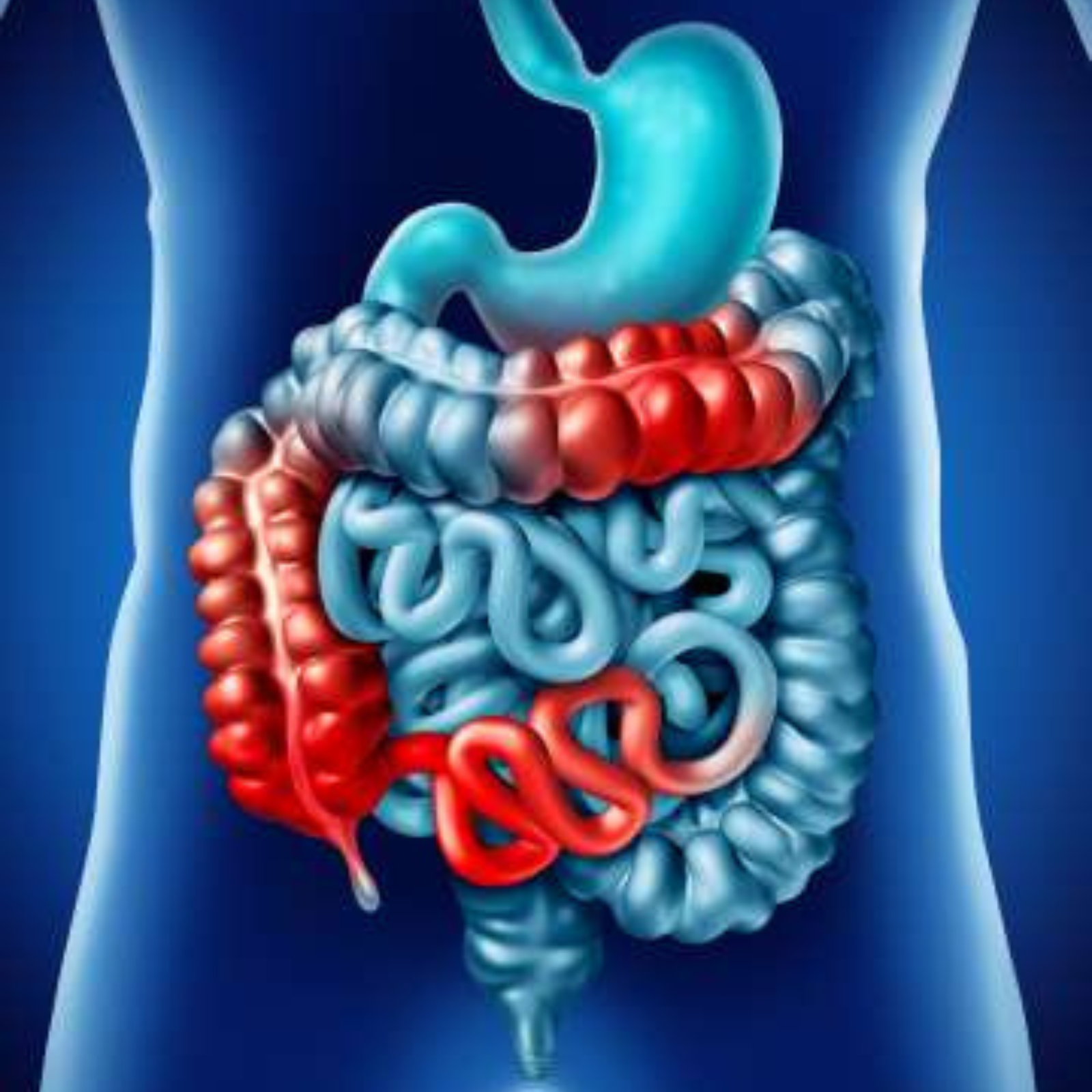
Medical illustration of inflammatory bowel disease affecting the digestive tract and intestines.
Dr. Rahul Dubbaka providing advanced care for Inflammatory Bowel Disease and gastrointestinal disorders.

Why Choose Us

IBD Warriors: Fighting for Better Days

Inflammatory Bowel Disease (IBD) refers to a group of chronic conditions that cause inflammation in the digestive tract.

  • Improved Quality of Life

    Proper treatment and management of IBD can help reduce symptoms like pain, fatigue, and diarrhea, allowing people to live more comfortable and fulfilling lives.

  • Prevention of Complications

    Untreated IBD can lead to serious complications such as bowel obstructions, nutritional deficiencies, and even colon cancer. By choosing to address IBD with the right care, these risks can be minimized

  • Long-Term Health

    Early and effective treatment can help keep IBD in remission, improving long-term health outcomes and reducing the need for emergency care or surgery.

Inflammatory Bowel Disease​ Process

IBD Doesn’t Define Us; Strength Does

Inflammatory Bowel Disease (IBD) is a term used to describe a group of chronic disorders that cause inflammation in the digestive tract. The two primary types of IBD are Crohn’s Disease and Ulcerative Colitis, both of which can lead to severe symptoms and complications, often impacting the quality of life.

Pathophysiology of IBD

Crohn's transmural inflammation affects all bowel wall layers, causing pain, strictures, fistulas, and requiring early diagnosis and treatment.

Pathophysiology of IBD

Crohn’s Disease (CD)

Ulcerative Colitis primarily affects the colon and the rectum, and the inflammation is typically continuous. 

Crohn’s Disease (CD)

Crohn’s Disease (CD)

Crohn’s Disease can affect any part of the gastrointestinal tract, from the mouth to the anus. However.

Crohn’s Disease (CD)

Immune Response in IBD

In both Crohn’s Disease and Ulcerative Colitis, there’s an abnormal immune response that causes inflammation.

Immune Response in IBD

Our Trackrecords

Dr. Rahul Dubbaka has extensive experience in diagnosing and managing Inflammatory Bowel Disease (IBD), including Crohn’s disease and Ulcerative Colitis. He provides evidence-based, personalized treatment plans focused on controlling inflammation, relieving symptoms, and supporting long-term digestive health.

Happy Patients
1
Happy Familys
1 k
Years Of Experience
1 +
Success
1 %

Frequently Asked Questions

IBD refers to a group of inflammatory conditions of the digestive tract, including Crohn's disease and ulcerative colitis. Both conditions cause chronic inflammation of the intestines, leading to symptoms such as abdominal pain, diarrhea, weight loss, and fatigue.

Common symptoms of IBD can include:

  • Abdominal pain and cramping

  • Persistent diarrhea (sometimes with blood)

  • Weight loss

  • Fatigue

  • Loss of appetite

  • Fever

  • Rectal bleeding

  • Urgency to have a bowel movement

The exact cause of IBD is not known, but it is believed to involve a combination of:

  • Genetics: A family history of IBD can increase the risk.

  • Immune system response: An abnormal immune response may cause inflammation in the digestive tract.

  • Environmental factors: Diet, infections, and stress might play a role in triggering or exacerbating the condition.

  • Crohn’s disease can affect any part of the gastrointestinal (GI) tract, from the mouth to the anus, and it often causes inflammation that extends through the layers of the bowel wall.

  • Ulcerative colitis specifically affects the colon (large intestine) and the rectum. It usually causes inflammation and ulcers in the innermost lining of the colon.

Specialist diagnosing and treating Crohn's disease and Ulcerative Colitis in Hyderabad.
Testimonial
What Patience Think