Upper Abdomen Endoscopy, Gastroscopy in Hyderabad
Upper abdomen endoscopy at Dr. Rahul Gastro Liver Care, Hyderabad. Expert gastroscopy by Dr. Rahul Dubbaka — 10,000+ procedures, Pragathi Nagar, Hyderabad.
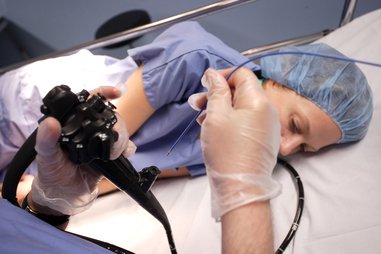
Endoscopic Procedures in Hyderabad
Dr. Rahul Dubbaka provides advanced endoscopic procedures in Hyderabad for diagnosing and managing various digestive, gastrointestinal, liver, and pancreatic conditions. These minimally invasive procedures use specialized endoscopes to examine the digestive tract and, when required, perform treatments during the same session. Services may include upper GI endoscopy (gastroscopy), colonoscopy, ERCP, EUS, and therapeutic endoscopic procedures. Endoscopy can help evaluate symptoms such as persistent abdominal pain, acidity, difficulty swallowing, gastrointestinal bleeding, and unexplained bowel changes. Each procedure is recommended based on the patient’s symptoms and medical condition, with appropriate preparation, personalized care, and follow-up guidance.
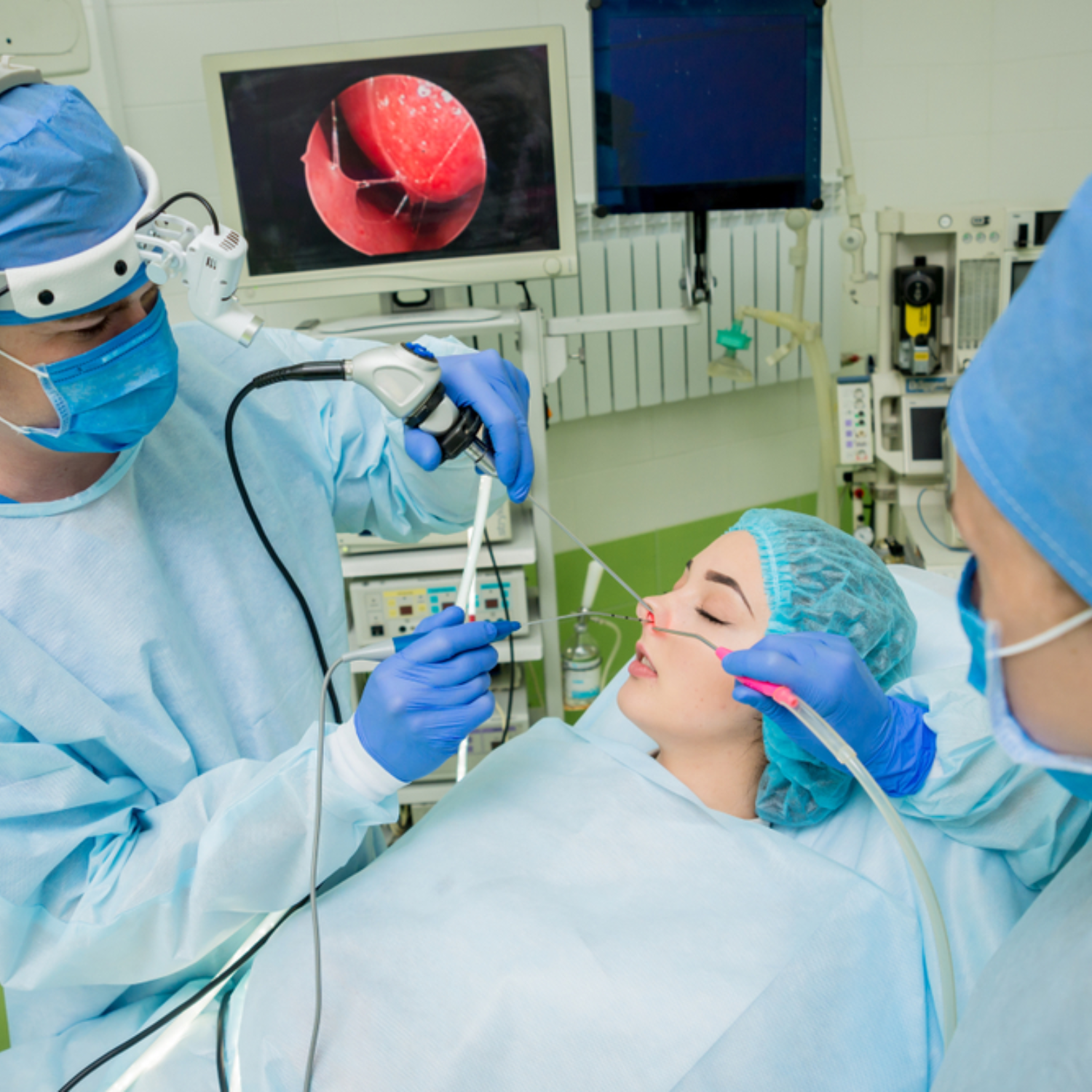
A camera test examining the esophagus, stomach, and upper intestine.
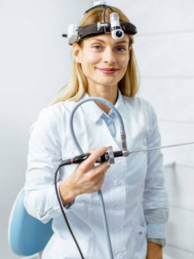
A procedure to examine the colon for polyps, cancer, inflammation
procedure to view the rectum and lower part of colon
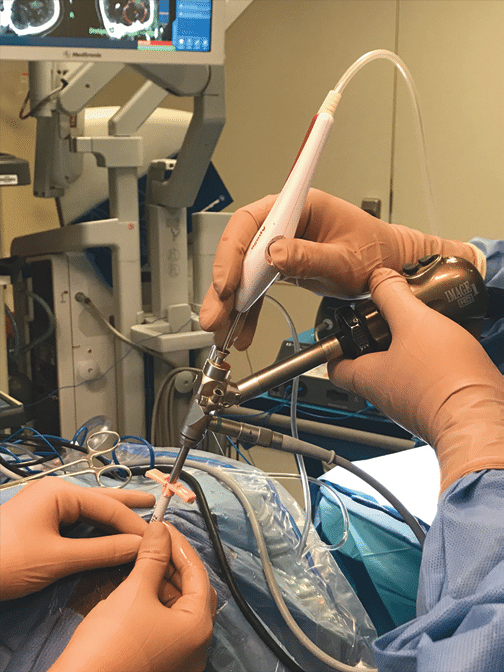
Minimally invasive procedure to treat digestive issues during endoscopy exam
Endoscopy Test For What?
Endoscopy is a safe and minimally invasive diagnostic procedure used to examine the inside of the digestive system. During the procedure, a thin, flexible tube equipped with a high-definition camera and light is gently inserted to provide clear images of the esophagus, stomach, small intestine, or colon. It helps detect conditions such as ulcers, inflammation, polyps, bleeding, acid reflux, and other gastrointestinal disorders, enabling accurate diagnosis and timely treatment.
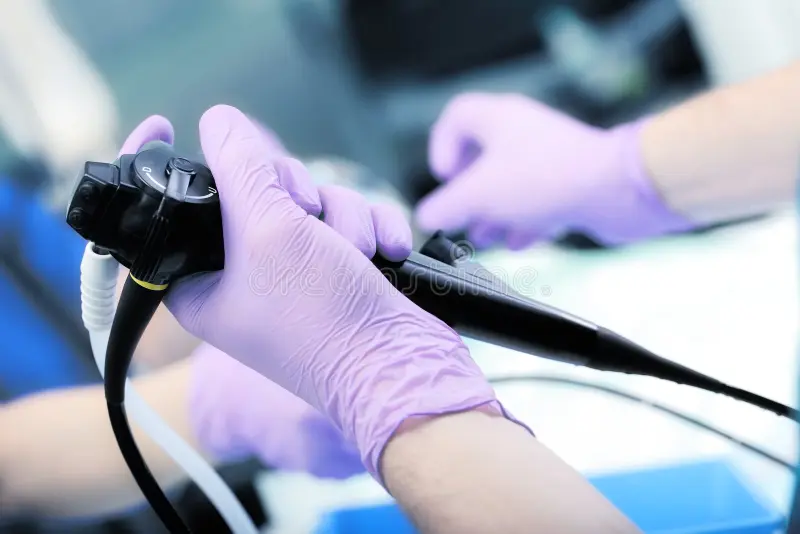
Endoscopy Diet Preparation
The endoscope is inserted through a natural opening like the mouth or anus and can be used for examination, diagnosis, and sometimes treatment of conditions.
Patients may need to fast before the procedure, and some may receive medication to relax or numb the throat.
The endoscope is carefully inserted into the body, guided through the esophagus, stomach, or into the colon, depending on the specific procedure.
The camera on the endoscope transmits images to a monitor, allowing the doctor to visualize the internal lining of the organ or area of interest.
The doctor can examine the lining for any abnormalities, such as inflammation, ulcers, or polyps.
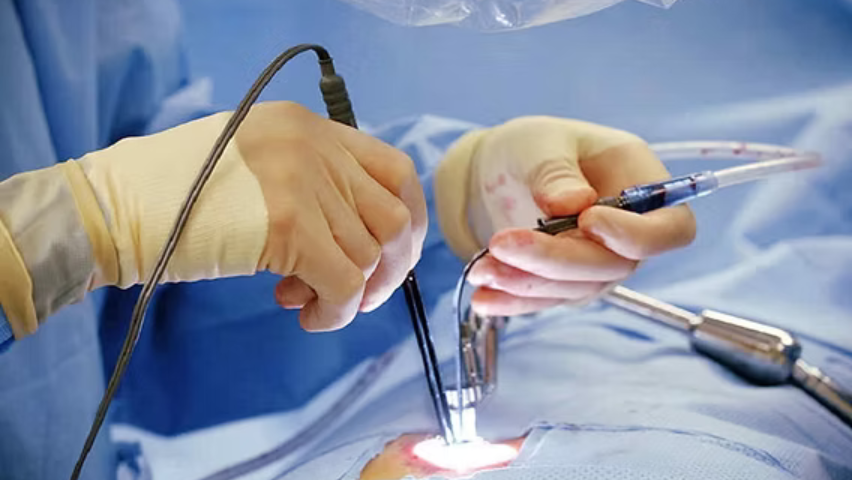
Polypectomy
Polypectomy is an endoscopic procedure used to remove polyps from the digestive tract. The removed tissue can be sent for laboratory testing to determine whether it is benign, precancerous, or cancerous.
Endoscope Reprocessing
Endoscopes are thoroughly cleaned and disinfected between uses to prevent infection, according to STERIS.
Variations
Endoscopy procedures can be tailored to specific needs, with different types examining different areas of the body, such as the upper gastrointestinal tract (esophagus, stomach, duodenum)
Upper Small Intestine Pain
Image Transmission ,As the capsule travels, it captures high-quality images of your esophagus, stomach, small intestine, and large intestine.
Gastroenterology and Liver
This procedure helps diagnose, monitor, and sometimes treat conditions affecting areas like the digestive tract, respiratory system, or urinary tract. It’s often used to investigate symptoms such as pain, bleeding, or abnormal test results.
Dr. Rahul Dubbaka has performed over 10,000 endoscopic procedures across Hyderabad, with a 98% patient satisfaction rate. His advanced training at Jichi Medical University, Japan, ensures that even complex cases are handled with precision. From diagnostic gastroscopy to therapeutic ERCP, every procedure
Endoscopy is commonly performed to investigate symptoms such as abdominal pain, difficulty swallowing, gastrointestinal bleeding, or changes in bowel habits. In many cases, small treatments—like removing polyps, stopping bleeding, or taking tissue samples (biopsies)—can be done during the same procedure.
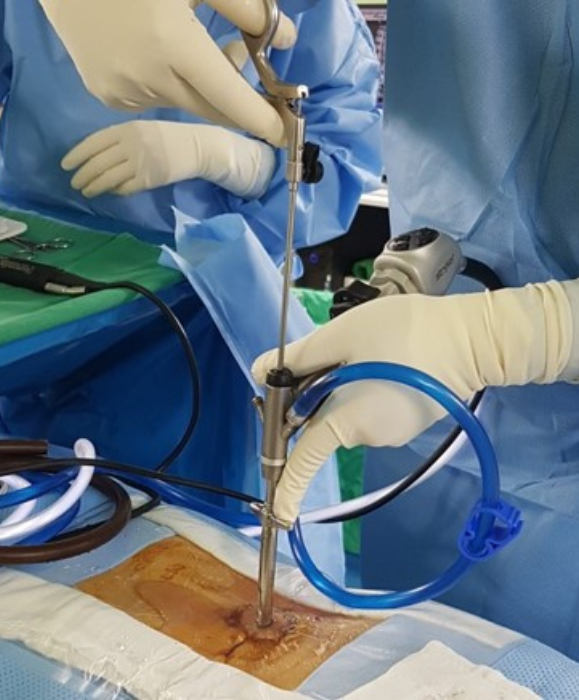
Endoscopy is a medical procedure that uses a long, flexible tube with a camera and light on the end (called an endoscope) to look inside the body. It helps doctors diagnose, monitor, and sometimes treat conditions affecting the gastrointestinal tract and other organs.
There are several types depending on the area being examined:
Gastroscopy: Examines the esophagus, stomach, and upper small intestine.
Colonoscopy: Looks at the colon (large intestine).
Sigmoidoscopy: Examines the rectum and lower colon.
Bronchoscopy: Used for viewing the lungs and airways.
Cystoscopy: Views the bladder and urinary tract.
Laparoscopy: Looks inside the abdomen or pelvis (usually surgical).
Endoscopy can be used to:
Investigate symptoms (e.g., stomach pain, bleeding, difficulty swallowing).
Diagnose conditions (ulcers, cancer, inflammation).
Take biopsies (tissue samples).
Perform minor treatments (remove polyps, stop bleeding).
Most people feel mild discomfort, like bloating or pressure. Sedation is usually given to help you relax and minimize any discomfort during the procedure.
Preparation depends on the type:
Upper endoscopy: You may need to fast for several hours beforehand.
Colonoscopy: You’ll need to follow a special diet and take laxatives to empty your bowels.
Your doctor will give specific instructions before the procedure.
 Dr. Rahul Gastro Liver Care- Best Gastroenterologist In Pragathi Nagar | Hyderabad
 34 Google reviewsPosted on Google
 Nasrin NaseerHe having good experience and he provides good care for patientsPosted on Google
 Sandhya KDr. Rahul treated my husband at people hospital.His treatment is excellent.Posted on Google
 vasu pReally appreciate the time Rahul sir spend with patients understanding concerns and explaining in detail about condition and precautions to follow.Posted on Google
 Rakesh Kumar Kunchala
Trustindex verifies that the original source of the review is Google.
Dialled number is coming out of coverage area from last 2 days.Posted on Google Vivekananda KRahul sir is really excellent gastroenterologist.how did endoscopy was really smooth.the staff are very kind and supportivePosted on Google
 srikanth KSRDr.Rahul sir excellent my gastric issue is solved in first visit thankyou so much sir 🙏Posted on Google
 medikonda gopiI visited Dr. Rahul Dubbaka in Nizampet for ongoing stomach pain and digestive issues, and I must say, the experience was very reassuring. From the moment I walked into the clinic, everything felt well-organized and clean. Dr. Rahul listened to my problems very patiently without rushing. He asked detailed questions to understand my condition properly, which made me feel that I was in safe hands. What I liked the most is how clearly he explained the root cause of my issue and the treatment plan in simple language. After following his prescribed treatment and diet advice, I started seeing noticeable improvement within a short time. His approach is not just about giving medicines but also guiding on lifestyle changes, which really helped me recover better. Overall, I feel very satisfied with the care I received. I would definitely recommend Dr. Rahul Dubbaka to anyone facing digestive or liver-related problems in Nizampet.Posted on Google
 G.Sampath kumarI recently visited Dr. Rahul Dubbaka for my ongoing digestive issues, and I can confidently say he is one of the best gastroenterologists in Pragathi Nagar. From the very first consultation, he was extremely patient and attentive. He listened carefully to all my symptoms without rushing and explained the root cause of my problem in a very simple and understandable way. What I appreciated the most was his calm approach—he made me feel comfortable and reduced my anxiety about the condition. His diagnosis was accurate, and the treatment plan he provided worked effectively within a short time. He didn’t suggest unnecessary tests or medications, which shows his honesty and professionalism. The clinic was also clean, well-organized, and the staff were supportive. Thanks to Dr. Rahul Dubbaka, my health has improved significantly, and I feel much better now. I highly recommend him to anyone facing stomach or digestive problems.Posted on Google
 Hemanth Kumar KDr Rahul is very patient and listens carefully to all concerns before suggesting any treatment. What I liked the most is that he explains everything in a simple and clear way, which made me feel comfortable and confident
What Patience Think
"I struggled with gas and stomach pain for years. Dr. Rahul diagnosed me quickly and started effective treatment — I feel like myself again."
"After being diagnosed with fatty liver, I was scared. The team guided me step by step with a clear plan and regular check-ups. I've seen huge improvements."
"The care I received for my gastric issues was exceptional. The doctors listen, the staff is friendly, and the results speak for themselves."