Gastric Cancer (Stomach Cancer): Symptoms, Causes, Diagnosis & Treatment
Introduction
Gastric cancer, also known as stomach cancer, develops when abnormal cells grow uncontrollably in the lining of the stomach. In India, including cities like Hyderabad, the number of cases is increasing due to lifestyle changes, dietary habits, and delayed diagnosis. Although its incidence has declined in some regions, this disease remains one of the leading causes of cancer-related deaths worldwide.
Early detection plays a crucial role in improving survival rates. However, many patients in Hyderabad and nearby areas seek medical help only at advanced stages because early symptoms are often mild and easily ignored.
What Is Stomach Cancer?
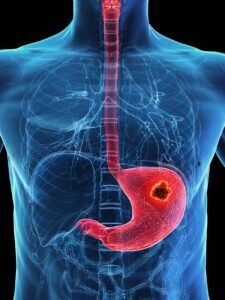
This condition begins in the inner lining of the stomach and may spread to deeper layers over time. The most common type is adenocarcinoma, which accounts for nearly 90% of cases. Other rare forms include lymphoma, gastrointestinal stromal tumors (GIST), and neuroendocrine tumors.
Early Symptoms
In the early stages, stomach tumors may not cause noticeable symptoms. When symptoms appear, they are often mistaken for common digestive problems.
Common Early Symptoms
Indigestion or heartburn
Bloating after meals
Mild nausea
Loss of appetite
Unexplained weight loss
Advanced Symptoms
Difficulty swallowing
Persistent vomiting (sometimes with blood)
Black or tarry stools
Fatigue due to anemia
If these symptoms persist for more than two weeks, medical evaluation is essential.
Causes and Risk Factors
There is no single cause, but several factors increase the risk.
Common Risk Factors
Helicobacter pylori (H. pylori) infection
Smoking and tobacco use
Excessive alcohol consumption
Diet high in salty, smoked, or processed foods
Family history of stomach malignancy
Chronic gastritis
Obesity
Age above 50 years
Diagnosis
Doctors may recommend the following tests to confirm the condition:
Upper endoscopy – to examine the stomach lining
Biopsy – to confirm the presence of cancer cells
CT scan or PET scan – to detect spread
Endoscopic ultrasound (EUS) – to assess tumor depth
Blood tests – to check anemia and overall health
Stages
The disease is staged from Stage 0 to Stage IV, depending on how deeply it has invaded and whether it has spread.
Stage 0: Cancer limited to the inner lining
Stage I–II: Spread to deeper layers or nearby lymph nodes
Stage III: Extensive lymph node involvement
Stage IV: Spread to distant organs such as the liver or lungs
Treatment Options
Treatment depends on the stage, tumor location, and the patient’s overall health.
1. Surgery
Surgical removal of part or all of the stomach (gastrectomy) is the most effective treatment for early-stage disease.
2. Chemotherapy
Chemotherapy uses anti-cancer drugs to destroy abnormal cells and may be given before or after surgery.
3. Radiation Therapy
Radiation uses high-energy rays to destroy malignant cells, often combined with chemotherapy.
4. Targeted Therapy
Targeted drugs attack specific tumor markers, improving treatment precision and reducing side effects.
5. Immunotherapy
Immunotherapy helps the body’s immune system recognize and fight cancer cells more effectively.
Prevention
Although not all cases are preventable, the risk can be reduced by:
Treating H. pylori infection early
Eating a balanced diet rich in fruits and vegetables
Avoiding smoking and excessive alcohol consumption
Maintaining a healthy weight
Regular medical check-ups for high-risk individuals
When to See a Doctor
If you live in Hyderabad or surrounding areas and experience persistent indigestion, unexplained weight loss, stomach pain, or difficulty swallowing, consult an experienced gastroenterologist or oncologist immediately. Early diagnosis at a well-equipped hospital or gastro clinic in Hyderabad can significantly improve treatment outcomes.
Conclusion
This is a serious condition, but early detection and modern treatment options available in Hyderabad have significantly improved patient outcomes. Awareness of symptoms, risk factors, and timely consultation with a specialist can make a critical difference. Do not delay seeking expert care—early action saves lives.
FAQs About Stomach Cancer
Q1. Is gastric cancer curable?
Yes, it is highly treatable and often curable when detected early.
Q2. What is the survival rate for stomach cancer?
Survival rates depend on the stage at diagnosis. Early-stage disease has a much higher survival rate.
Q3. Can gastric cancer be prevented?
While it cannot always be prevented, lifestyle changes and early treatment of H. pylori infection can significantly reduce the risk.