Acid Peptic Disease: Symptoms, Causes, Diagnosis, and Treatment
Introduction to Acid-Related Stomach Disorders
Acid peptic disease (APD) is a common digestive disorder caused by excess stomach acid damaging the lining of the stomach or the first part of the small intestine (duodenum). It includes conditions such as gastritis, gastric ulcers, and duodenal ulcers. With timely diagnosis and proper treatment, these conditions can be effectively managed and complications can be prevented.
What Is This Condition?
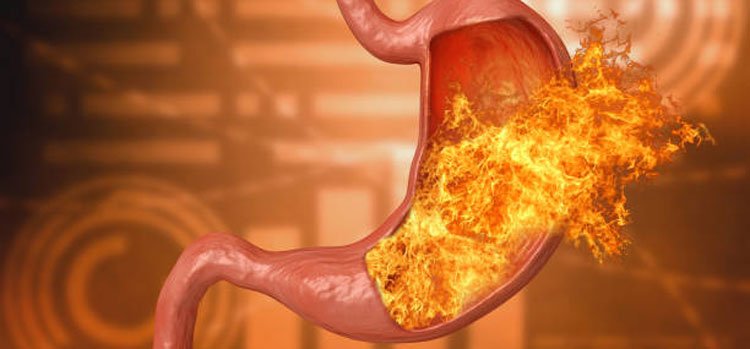
The term refers to a group of gastrointestinal issues in which gastric acid and pepsin cause injury to the digestive lining. Normally, the tract has protective mechanisms to withstand acid. However, when these defenses weaken or acid production increases, ulcers and inflammation can develop.
Causes of Acid Peptic Disease
Helicobacter pylori Infection: A common bacterial cause of ulcers.
Excess Stomach Acid Production: Often triggered by physiological factors.
Long-Term Use of Painkillers (NSAIDs): Medications like aspirin or ibuprofen.
Lifestyle Factors: Smoking and alcohol consumption.
Other Triggers: Stress, diet, and genetic factors
Symptoms of Acid Peptic Disease
Common Symptoms
Burning or gnawing pain in the upper abdomen
Acidity or heartburn
Bloating and fullness
Nausea or vomiting
Loss of appetite
Severe or Alarm Symptoms
Vomiting blood
Black or tarry stools
Unexplained weight loss
Persistent vomiting
Severe abdominal pain
If alarm symptoms appear, immediate medical attention is required.
Types of Acid Peptic Disease
1. Gastritis
Inflammation of the stomach lining that may be acute or chronic.
2. Gastric Ulcer
An open sore that develops in the stomach lining.
3. Duodenal Ulcer
An ulcer occurring in the duodenum, often causing pain that improves after eating.
Diagnosis of Acid Peptic Disease
Doctors use a combination of clinical evaluation and tests to diagnose acid-related digestive disorders.
Upper GI Endoscopy
H. pylori Testing
Blood and Stool Tests
Imaging Studies (Selected Cases)
Treatment of Acid Peptic Disease
Treatment focuses on reducing acid, healing ulcers, and eliminating underlying causes.
1. Medications
Proton pump inhibitors (PPIs) – reduce acid production
H2 receptor blockers
Antacids for symptom relief
Antibiotics for H. pylori eradication
Protective agents like sucralfate
2. Lifestyle Modifications
Quit smoking
Avoid alcohol
Eat smaller, frequent meals
Avoid spicy, oily, and acidic foods
Manage stress effectively
3. Surgical Treatment (Rare)
Surgery may be required in cases of uncontrolled bleeding, perforation, or obstruction.
Diet for Acid Peptic Disease
A balanced diet supports healing and symptom control.
Foods to Eat
Rice, oats, and whole grains
Boiled vegetables
Low-fat dairy products
Lean proteins
Fruits like bananas and apples
Foods to Avoid
Spicy foods
Fried or fatty foods
Caffeine
Carbonated drinks
Citrus fruits (if they worsen symptoms)
Complications of Acid Peptic Disease
Untreated APD can lead to serious complications:
Gastrointestinal bleeding
Stomach or duodenal perforation
Gastric outlet obstruction
Increased risk of stomach cancer (with chronic H. pylori infection)
Prevention of Acid Peptic Disease
Treat H. pylori infection early
Use painkillers cautiously
Avoid smoking and alcohol
Maintain a healthy diet
Reduce stress
Follow medical advice for acid-related symptoms
Conclusion
Acid peptic disease is a common but highly treatable digestive condition. Early diagnosis, appropriate medication, and lifestyle modifications play a key role in healing and preventing complications. If you experience persistent acidity, abdominal pain, or warning symptoms, consult a gastroenterologist for proper evaluation and treatment.
Timely care ensures relief, healing, and long-term digestive health
Frequently Asked Questions (FAQs)
1 Is acid peptic disease curable?
Yes, most cases are curable with proper treatment.
2 How long does treatment take?
Usually 4–8 weeks.
3 Can acid peptic disease recur?
Yes, especially if H. pylori is not eradicated.