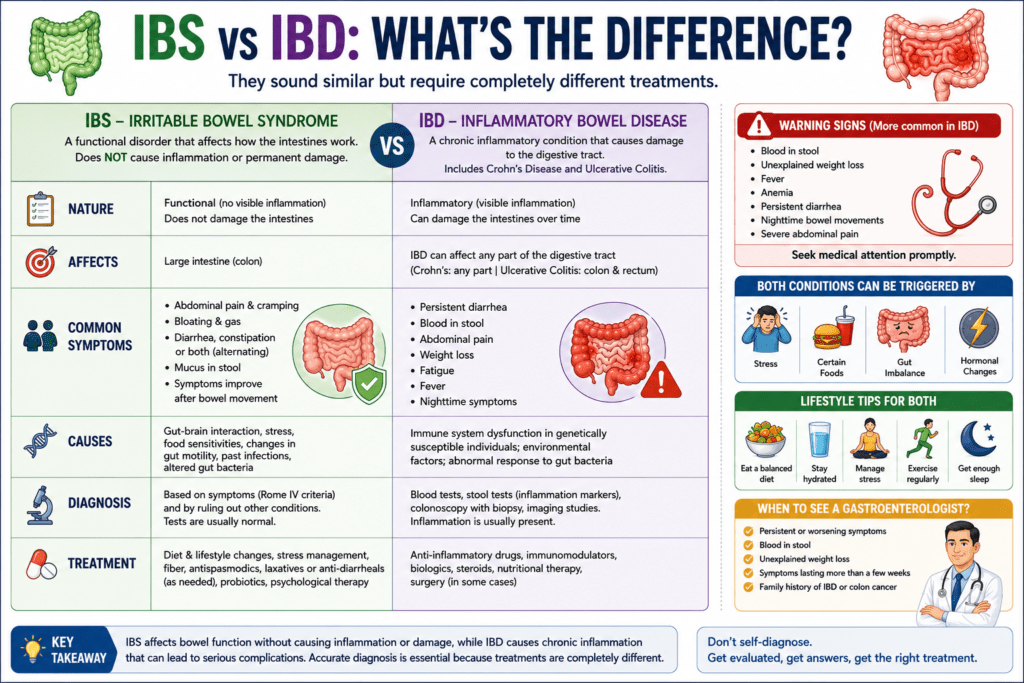
IBS vs IBD: What’s the Difference? They Sound Similar but Require Completely Different Treatments
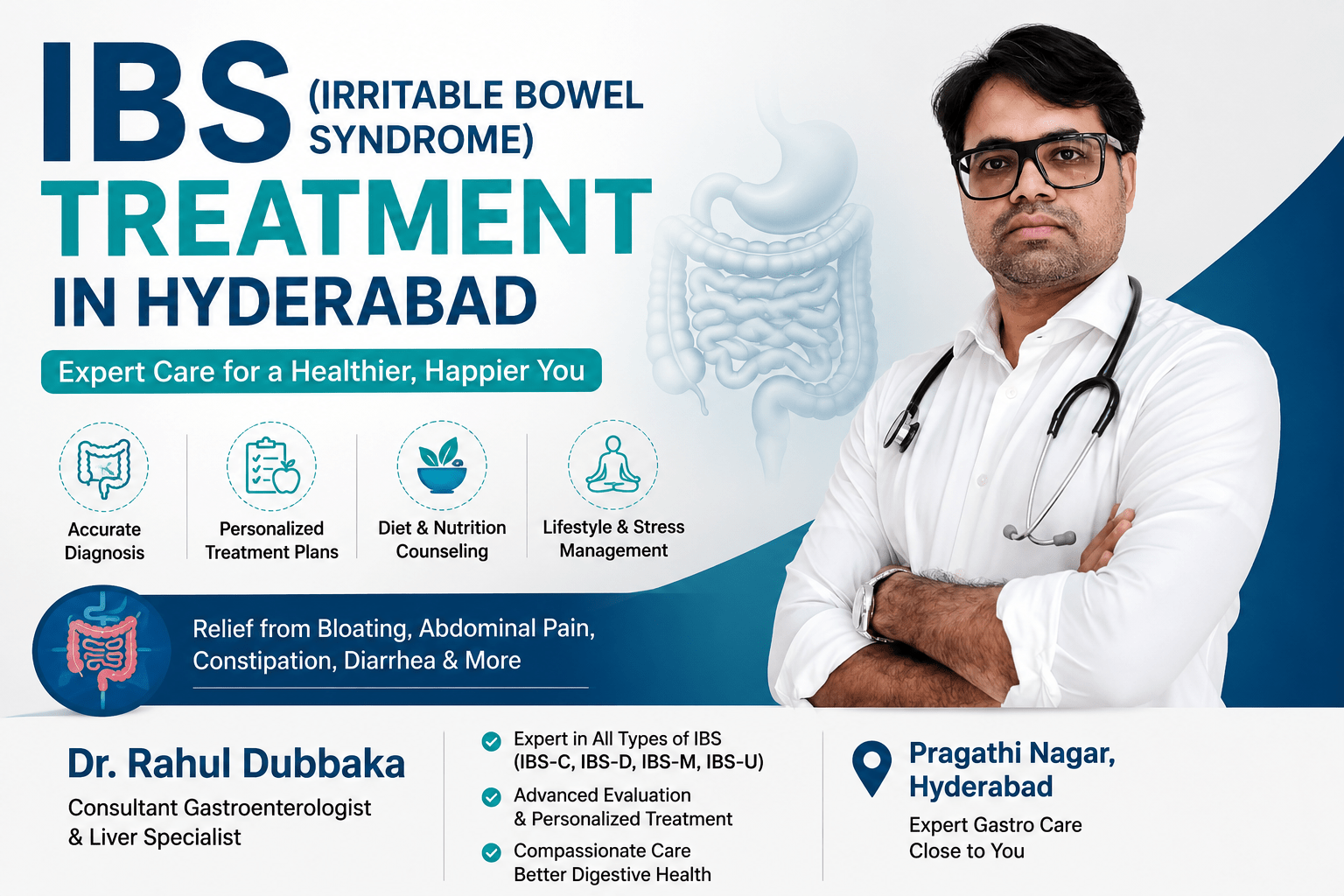
Many people confuse Irritable Bowel Syndrome (IBS) with Inflammatory Bowel Disease (IBD) because their names sound similar and both affect the digestive system. However, these are two very different conditions with different causes, treatments, and long-term outcomes.
IBS vs IBD: What’s the Difference? They Sound Similar but Require Completely Different Treatments
Many people confuse Irritable Bowel Syndrome (IBS) with Inflammatory Bowel Disease (IBD) because their names sound similar and both affect the digestive system. However, these are two very different conditions with different causes, treatments, and long-term outcomes.
IBS is a functional gastrointestinal disorder, meaning the digestive tract looks normal but doesn’t function properly. On the other hand, IBD refers to a group of chronic inflammatory diseases that cause ongoing damage to the digestive tract.
Understanding the difference is important because treating IBS and IBD requires completely different approaches. Misdiagnosis or delayed diagnosis can lead to unnecessary suffering and, in the case of IBD, serious complications if left untreated.
In this comprehensive guide, we’ll compare IBS and IBD, discuss their symptoms, causes, diagnosis, treatment options, lifestyle management, and explain when it’s time to seek medical advice.
What Is IBS?
Irritable Bowel Syndrome (IBS) is a common digestive disorder that affects how the intestines function.
Although IBS can significantly affect quality of life, it does not cause permanent damage to the digestive tract or increase the risk of colorectal cancer.
IBS is considered a functional disorder, meaning routine tests usually show no visible inflammation or structural abnormalities.
What Is IBD?
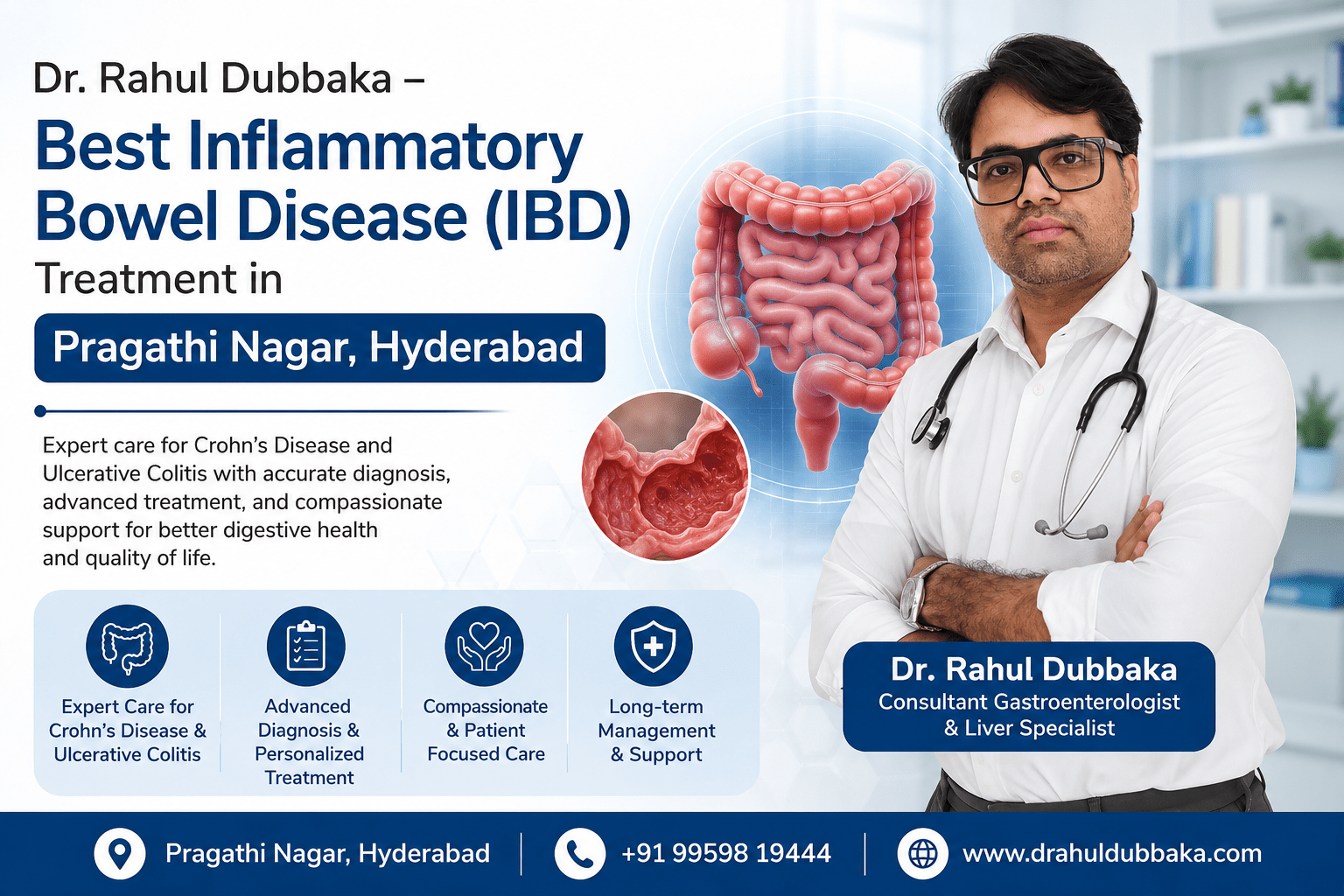
Inflammatory Bowel Disease (IBD) is an umbrella term for chronic inflammatory conditions affecting the digestive tract.
The two main types are:
Crohn’s Disease
Crohn’s disease can affect any part of the digestive tract, from the mouth to the anus.
Inflammation may extend through multiple layers of the bowel wall.
Ulcerative Colitis
Ulcerative colitis affects only the colon and rectum.
Inflammation is usually limited to the innermost lining of the large intestine.
Unlike IBS, IBD causes ongoing inflammation that can damage the digestive tract over time.
IBS vs IBD: The Main Difference
The biggest difference is that:
- IBS affects bowel function without causing inflammation or permanent tissue damage.
- IBD causes chronic inflammation that can damage the intestines and lead to serious complications if not treated.
Although both conditions may cause abdominal pain and changes in bowel habits, they are fundamentally different diseases.
Common Symptoms of IBS
Symptoms often vary from person to person.
Common IBS symptoms include:
- Abdominal pain
- Cramping
- Bloating
- Gas
- Constipation
- Diarrhea
- Alternating constipation and diarrhea
- Mucus in stool
- Feeling of incomplete bowel emptying
Symptoms often improve after a bowel movement.
Stress and certain foods commonly trigger IBS flare-ups.
Common Symptoms of IBD
IBD symptoms tend to be more severe and may include:
- Persistent diarrhea
- Blood in stool
- Abdominal pain
- Weight loss
- Fatigue
- Fever
- Loss of appetite
- Urgent bowel movements
- Nighttime diarrhea
- Anemia
IBD symptoms may worsen during periods called flares, followed by periods of remission.
Symptoms IBS and IBD Have in Common
Both conditions may cause:
- Abdominal pain
- Diarrhea
- Constipation
- Bloating
- Urgency to pass stool
- Fatigue
Because the symptoms overlap, medical evaluation is important for an accurate diagnosis.
Symptoms More Suggestive of IBD
Certain symptoms are uncommon in IBS and should always be evaluated.
These include:
- Blood in stool
- Persistent fever
- Unexplained weight loss
- Severe anemia
- Nighttime bowel movements
- Delayed growth in children
- Persistent inflammation on blood tests
These warning signs may indicate IBD or another serious digestive condition.
What Causes IBS?
The exact cause remains unclear.
Possible contributing factors include:
- Gut-brain interaction problems
- Increased intestinal sensitivity
- Changes in gut motility
- Altered gut microbiome
- Stress
- Previous gastrointestinal infections
- Certain food intolerances
IBS is not caused by infection or inflammation.
What Causes IBD?
IBD is believed to result from a combination of:
- Immune system dysfunction
- Genetic susceptibility
- Environmental factors
- Changes in gut bacteria
The immune system mistakenly attacks the digestive tract, causing chronic inflammation.
Risk Factors
IBS Risk Factors
- Female sex
- Younger age
- Family history
- Anxiety or depression
- Chronic stress
IBD Risk Factors
- Family history
- Smoking (especially Crohn’s disease)
- Certain environmental factors
- Young adulthood (though it can occur at any age)
How Are IBS and IBD Diagnosed?
Because IBS and IBD require different treatments, accurate diagnosis is essential.
Medical History
Your doctor will ask about:
- Symptoms
- Duration
- Diet
- Family history
- Medications
Physical Examination
A complete examination helps identify signs of inflammation or nutritional deficiencies.
Blood Tests
Blood tests may detect:
- Anemia
- Inflammation
- Nutritional deficiencies
Blood tests are often normal in IBS.
Stool Tests
Stool testing helps identify:
- Infection
- Inflammation
- Hidden blood
Markers such as fecal calprotectin are often elevated in IBD but usually normal in IBS.
Colonoscopy
A colonoscopy is one of the most important tests for diagnosing IBD.
It allows doctors to:
- Examine the colon
- Identify inflammation
- Take biopsies
- Rule out colorectal cancer
Colonoscopy findings are typically normal in IBS.
Imaging Tests
CT scans or MRI may help evaluate Crohn’s disease and its complications.
Treatment for IBS
Treatment focuses on symptom control.
It may include:
Dietary Changes
Some people benefit from reducing foods that trigger symptoms.
A low-FODMAP diet may be recommended under professional guidance.
Stress Management
Because stress often worsens IBS, relaxation techniques and counseling may help.
Medications
Depending on symptoms, treatment may include:
- Fiber supplements
- Antidiarrheal medications
- Laxatives
- Antispasmodic medications
- Medications targeting IBS symptoms
Regular Exercise
Physical activity can improve bowel function and reduce stress.
Treatment for IBD
Treatment aims to reduce inflammation and prevent complications.
Options may include:
Anti-inflammatory Medications
Used to control inflammation during active disease.
Immunomodulators
These medications help regulate the immune system.
Biologic Therapies
Advanced treatments target specific inflammatory pathways.
Nutritional Support
Some patients require specialized nutritional therapy to address deficiencies or support growth.
Surgery
Surgery may be needed for complications such as strictures, fistulas, or severe disease that does not respond to medication.
Can IBS Become IBD?
No.
IBS does not progress into IBD.
However, it is possible for someone to develop IBD independently, which is why new or worsening symptoms should always be evaluated.
Can Diet Help?
Diet plays a role in managing both conditions, although the approach differs.
IBS
Trigger foods vary by individual.
Common triggers include:
- Fatty foods
- Carbonated drinks
- Excess caffeine
- Artificial sweeteners
IBD
During flares, dietary adjustments may help relieve symptoms, but diet alone cannot control inflammation.
Work with a healthcare professional or dietitian to ensure adequate nutrition.
Possible Complications
IBS
IBS does not damage the intestines but can significantly affect quality of life, sleep, work, and emotional well-being.
IBD
Untreated IBD may lead to:
- Intestinal narrowing (strictures)
- Fistulas
- Abscesses
- Severe bleeding
- Malnutrition
- Increased risk of colorectal cancer in some patients
Regular follow-up is important.
When Should You See a Gastroenterologist?
Seek medical evaluation if you experience:
- Blood in your stool
- Persistent diarrhea
- Unexplained weight loss
- Fever
- Severe abdominal pain
- Nighttime bowel movements
- Ongoing symptoms lasting several weeks
- Family history of IBD or colorectal cancer
Even if symptoms seem mild, an accurate diagnosis is essential.
Frequently Asked Questions
Is IBS life-threatening?
No. IBS is not considered life-threatening, although it can significantly affect daily life.
Is IBD curable?
There is currently no cure for IBD, but many people achieve long-term remission with appropriate treatment.
Can stress cause IBD?
Stress does not cause IBD, but it may worsen symptoms during disease flares.
Can IBS cause blood in the stool?
No. Blood in the stool is not a typical feature of IBS and should always be investigated.
Final Thoughts
Although Irritable Bowel Syndrome (IBS) and Inflammatory Bowel Disease (IBD) share some symptoms, they are fundamentally different conditions. IBS is a functional disorder that affects how the intestines work without causing inflammation or permanent damage, while IBD involves chronic inflammation that can injure the digestive tract and lead to serious complications if left untreated.
Recognizing the differences is important because the treatments are not the same. Lifestyle changes, dietary modifications, and stress management often help control IBS symptoms, whereas IBD usually requires medications to reduce inflammation and, in some cases, surgery.
If you’re experiencing persistent abdominal pain, changes in bowel habits, blood in your stool, unexplained weight loss, or ongoing digestive discomfort, don’t try to diagnose yourself based on symptoms alone. A gastroenterologist can perform the necessary tests, such as blood work, stool tests, and colonoscopy, to determine the underlying cause and recommend the most appropriate treatment.
Early diagnosis is the key to protecting your digestive health. Understanding whether you have IBS or IBD is the first step toward effective treatment, symptom relief, and a better quality of life.
Understanding the difference is important because treating IBS and IBD requires completely different approaches. Misdiagnosis or delayed diagnosis can lead to unnecessary suffering and, in the case of IBD, serious complications if left untreated.
In this comprehensive guide, we’ll compare IBS and IBD, discuss their symptoms, causes, diagnosis, treatment options, lifestyle management, and explain when it’s time to seek medical advice.
What Is IBS?
Irritable Bowel Syndrome (IBS) is a common digestive disorder that affects how the intestines function.
Although IBS can significantly affect quality of life, it does not cause permanent damage to the digestive tract or increase the risk of colorectal cancer.
IBS is considered a functional disorder, meaning routine tests usually show no visible inflammation or structural abnormalities.
What Is IBD?
Inflammatory Bowel Disease (IBD) is an umbrella term for chronic inflammatory conditions affecting the digestive tract.
The two main types are:
Crohn’s Disease
Crohn’s disease can affect any part of the digestive tract, from the mouth to the anus.
Inflammation may extend through multiple layers of the bowel wall.
Ulcerative Colitis
Ulcerative colitis affects only the colon and rectum.
Inflammation is usually limited to the innermost lining of the large intestine.
Unlike IBS, IBD causes ongoing inflammation that can damage the digestive tract over time.
IBS vs IBD: The Main Difference
The biggest difference is that:
- IBS affects bowel function without causing inflammation or permanent tissue damage.
- IBD causes chronic inflammation that can damage the intestines and lead to serious complications if not treated.
Although both conditions may cause abdominal pain and changes in bowel habits, they are fundamentally different diseases.
Common Symptoms of IBS
Symptoms often vary from person to person.
Common IBS symptoms include:
- Abdominal pain
- Cramping
- Bloating
- Gas
- Constipation
- Diarrhea
- Alternating constipation and diarrhea
- Mucus in stool
- Feeling of incomplete bowel emptying
Symptoms often improve after a bowel movement.
Stress and certain foods commonly trigger IBS flare-ups.
Common Symptoms of IBD
IBD symptoms tend to be more severe and may include:
- Persistent diarrhea
- Blood in stool
- Abdominal pain
- Weight loss
- Fatigue
- Fever
- Loss of appetite
- Urgent bowel movements
- Nighttime diarrhea
- Anemia
IBD symptoms may worsen during periods called flares, followed by periods of remission.
Symptoms IBS and IBD Have in Common
Both conditions may cause:
- Abdominal pain
- Diarrhea
- Constipation
- Bloating
- Urgency to pass stool
- Fatigue
Because the symptoms overlap, medical evaluation is important for an accurate diagnosis.
Symptoms More Suggestive of IBD
Certain symptoms are uncommon in IBS and should always be evaluated.
These include:
- Blood in stool
- Persistent fever
- Unexplained weight loss
- Severe anemia
- Nighttime bowel movements
- Delayed growth in children
- Persistent inflammation on blood tests
These warning signs may indicate IBD or another serious digestive condition.
What Causes IBS?
The exact cause remains unclear.
Possible contributing factors include:
- Gut-brain interaction problems
- Increased intestinal sensitivity
- Changes in gut motility
- Altered gut microbiome
- Stress
- Previous gastrointestinal infections
- Certain food intolerances
IBS is not caused by infection or inflammation.
What Causes IBD?
IBD is believed to result from a combination of:
- Immune system dysfunction
- Genetic susceptibility
- Environmental factors
- Changes in gut bacteria
The immune system mistakenly attacks the digestive tract, causing chronic inflammation.
Risk Factors
IBS Risk Factors
- Female sex
- Younger age
- Family history
- Anxiety or depression
- Chronic stress
IBD Risk Factors
- Family history
- Smoking (especially Crohn’s disease)
- Certain environmental factors
- Young adulthood (though it can occur at any age)
How Are IBS and IBD Diagnosed?
Because IBS and IBD require different treatments, accurate diagnosis is essential.
Medical History
Your doctor will ask about:
- Symptoms
- Duration
- Diet
- Family history
- Medications
Physical Examination
A complete examination helps identify signs of inflammation or nutritional deficiencies.
Blood Tests
Blood tests may detect:
- Anemia
- Inflammation
- Nutritional deficiencies
Blood tests are often normal in IBS.
Stool Tests
Stool testing helps identify:
- Infection
- Inflammation
- Hidden blood
Markers such as fecal calprotectin are often elevated in IBD but usually normal in IBS.
Colonoscopy
A colonoscopy is one of the most important tests for diagnosing IBD.
It allows doctors to:
- Examine the colon
- Identify inflammation
- Take biopsies
- Rule out colorectal cancer
Colonoscopy findings are typically normal in IBS.
Imaging Tests
CT scans or MRI may help evaluate Crohn’s disease and its complications.
Treatment for IBS
Treatment focuses on symptom control.
It may include:
Dietary Changes
Some people benefit from reducing foods that trigger symptoms.
A low-FODMAP diet may be recommended under professional guidance.
Stress Management
Because stress often worsens IBS, relaxation techniques and counseling may help.
Medications
Depending on symptoms, treatment may include:
- Fiber supplements
- Antidiarrheal medications
- Laxatives
- Antispasmodic medications
- Medications targeting IBS symptoms
Regular Exercise
Physical activity can improve bowel function and reduce stress.
Treatment for IBD
Treatment aims to reduce inflammation and prevent complications.
Options may include:
Anti-inflammatory Medications
Used to control inflammation during active disease.
Immunomodulators
These medications help regulate the immune system.
Biologic Therapies
Advanced treatments target specific inflammatory pathways.
Nutritional Support
Some patients require specialized nutritional therapy to address deficiencies or support growth.
Surgery
Surgery may be needed for complications such as strictures, fistulas, or severe disease that does not respond to medication.
Can IBS Become IBD?
No.
IBS does not progress into IBD.
However, it is possible for someone to develop IBD independently, which is why new or worsening symptoms should always be evaluated.
Can Diet Help?
Diet plays a role in managing both conditions, although the approach differs.
IBS
Trigger foods vary by individual.
Common triggers include:
- Fatty foods
- Carbonated drinks
- Excess caffeine
- Artificial sweeteners
IBD
During flares, dietary adjustments may help relieve symptoms, but diet alone cannot control inflammation.
Work with a healthcare professional or dietitian to ensure adequate nutrition.
Possible Complications
IBS
IBS does not damage the intestines but can significantly affect quality of life, sleep, work, and emotional well-being.
IBD
Untreated IBD may lead to:
- Intestinal narrowing (strictures)
- Fistulas
- Abscesses
- Severe bleeding
- Malnutrition
- Increased risk of colorectal cancer in some patients
Regular follow-up is important.
When Should You See a Gastroenterologist?
Seek medical evaluation if you experience:
- Blood in your stool
- Persistent diarrhea
- Unexplained weight loss
- Fever
- Severe abdominal pain
- Nighttime bowel movements
- Ongoing symptoms lasting several weeks
- Family history of IBD or colorectal cancer
Even if symptoms seem mild, an accurate diagnosis is essential.
Frequently Asked Questions
Is IBS life-threatening?
No. IBS is not considered life-threatening, although it can significantly affect daily life.
Is IBD curable?
There is currently no cure for IBD, but many people achieve long-term remission with appropriate treatment.
Can stress cause IBD?
Stress does not cause IBD, but it may worsen symptoms during disease flares.
Can IBS cause blood in the stool?
No. Blood in the stool is not a typical feature of IBS and should always be investigated.
Final Thoughts
Although Irritable Bowel Syndrome (IBS) and Inflammatory Bowel Disease (IBD) share some symptoms, they are fundamentally different conditions. IBS is a functional disorder that affects how the intestines work without causing inflammation or permanent damage, while IBD involves chronic inflammation that can injure the digestive tract and lead to serious complications if left untreated.
Recognizing the differences is important because the treatments are not the same. Lifestyle changes, dietary modifications, and stress management often help control IBS symptoms, whereas IBD usually requires medications to reduce inflammation and, in some cases, surgery.
If you’re experiencing persistent abdominal pain, changes in bowel habits, blood in your stool, unexplained weight loss, or ongoing digestive discomfort, don’t try to diagnose yourself based on symptoms alone. A gastroenterologist can perform the necessary tests, such as blood work, stool tests, and colonoscopy, to determine the underlying cause and recommend the most appropriate treatment.
Early diagnosis is the key to protecting your digestive health. Understanding whether you have IBS or IBD is the first step toward effective treatment, symptom relief, and a better quality of life.