
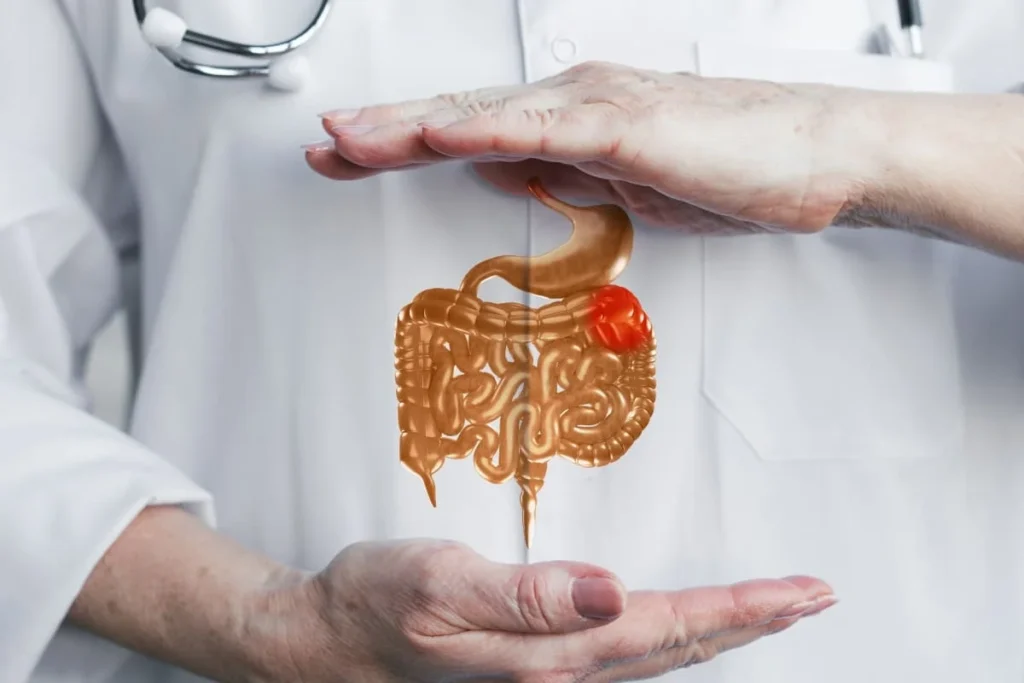
Best Solutions for Gastric Problems: Causes, Symptoms, and Remedies
Gastric problems are among the most common digestive issues affecting people worldwide. From occasional bloating to chronic acidity and indigestion, gastric discomfort can significantly affect daily life. Understanding the causes, identifying the symptoms, and adopting effective remedies can help manage gastric problems efficiently. This article explores the best strategies for preventing and treating gastric issues.

Understanding Gastric Problems
Gastric problems, often referred to as dyspepsia or indigestion, occur when the digestive system is unable to process food efficiently. These issues can range from mild discomfort to severe pain, depending on the underlying cause. Some of the common gastric problems include:
Acidity or Acid Reflux: When stomach acid flows back into the esophagus, causing a burning sensation.
Indigestion: Difficulty in digesting food, often accompanied by bloating and nausea.
Gastritis: Inflammation of the stomach lining.
Flatulence: Excessive gas in the digestive tract.
Constipation and Irregular Bowel Movements: Slow digestion leading to hard stools.
Common Causes of Gastric Problems
Gastric issues can arise from multiple factors, including lifestyle habits, dietary choices, and underlying medical conditions. The most common causes include:
Unhealthy Eating Habits: Consuming fried, spicy, or processed foods regularly can irritate the stomach.
Overeating: Eating large meals puts extra pressure on the digestive system.
Stress and Anxiety: Emotional stress can trigger excessive acid production.
Lack of Physical Activity: A sedentary lifestyle can slow down digestion.
Medications: Prolonged use of painkillers, antibiotics, or other medications can cause gastric irritation.
Medical Conditions: Conditions like ulcers, H. pylori infection, or irritable bowel syndrome (IBS) may lead to chronic gastric problems.
Symptoms of Gastric Problems
Recognizing the symptoms early can help in timely management. Common signs of gastric problems include:
Stomach bloating
Excessive burping or gas
Burning sensation in the chest or stomach
Nausea or vomiting
Feeling full quickly after meals
Acid reflux or heartburn
Irregular bowel movements
If these symptoms persist, consulting a healthcare professional is recommended.
Best Dietary Solutions for Gastric Problems
Diet plays a crucial role in managing gastric discomfort. Some of the best dietary practices include:
1. Eat Smaller, Frequent Meals
Instead of three large meals, consume 5-6 small meals throughout the day. This reduces the workload on the stomach and helps prevent acid reflux.
2. Include Fiber-Rich Foods
Foods high in fiber, such as fruits, vegetables, oats, and whole grains, aid digestion and prevent constipation, a common cause of gastric discomfort.
3. Avoid Spicy and Fatty Foods
Spicy, oily, and fried foods can irritate the stomach lining. Limiting their intake helps reduce acidity and bloating.
4. Stay Hydrated
Drinking adequate water helps in smooth digestion and prevents constipation. Warm water, herbal teas, or lemon water can also soothe the stomach.
5. Limit Caffeine and Carbonated Drinks
Coffee, tea, and fizzy drinks can increase stomach acid and cause bloating. Reducing their intake can significantly improve gastric health.
6. Probiotics and Fermented Foods
Foods like yogurt, kefir, and fermented vegetables support healthy gut bacteria, improving digestion and reducing gastric issues.
Lifestyle Changes to Reduce Gastric Problems
Apart from dietary adjustments, lifestyle habits play a major role in managing gastric issues:
Exercise Regularly: Physical activity stimulates digestion and reduces stress.
Avoid Lying Down Immediately After Meals: Wait at least 2-3 hours after eating to prevent acid reflux.
Manage Stress: Practice meditation, yoga, or deep-breathing exercises to reduce stress-induced gastric problems.
Quit Smoking and Limit Alcohol: Both smoking and alcohol increase stomach acid production and worsen gastric discomfort.
Maintain Healthy Weight: Excess weight increases pressure on the stomach, causing acid reflux and bloating.
Home Remedies for Gastric Problems
Several natural remedies can help ease gastric discomfort:
Ginger: Known for its anti-inflammatory properties, ginger can reduce nausea and improve digestion.
Fennel Seeds: Chewing fennel seeds or drinking fennel tea helps relieve bloating and gas.
Mint: Peppermint has soothing properties that calm the stomach muscles and improve digestion.
Aloe Vera Juice: Helps reduce inflammation in the stomach lining and promotes healing.
Carom Seeds (Ajwain): Effective for indigestion, acidity, and bloating.
When to See a Doctor
While most gastric problems are mild and manageable at home, some symptoms require medical attention:
Severe or persistent stomach pain
Unexplained weight loss
Vomiting blood or black stools
Difficulty swallowing
Chronic acid reflux or gastritis
Early diagnosis and treatment prevent complications and ensure better digestive health.
Conclusion
Gastric problems are common but manageable with the right combination of diet, lifestyle changes, and natural remedies. Small, consistent changes—like eating smaller meals, reducing spicy foods, staying hydrated, and managing stress—can significantly improve digestive health. Home remedies like ginger, fennel, and aloe vera provide additional relief. However, persistent or severe symptoms should never be ignored and require professional consultation. Prioritizing digestive health not only prevents gastric problems but also enhances overall well-being.