Oesophageal Cancer: Causes, Symptoms, Diagnosis, and Treatment
Oesophageal cancer is a serious disease that affects the oesophagus, the muscular tube that carries food from the mouth to the stomach. In recent years, its incidence has increased, largely due to lifestyle factors and digestive disorders. Therefore, early detection and timely treatment play a crucial role in improving survival and quality of life.
What Is Oesophageal Cancer?
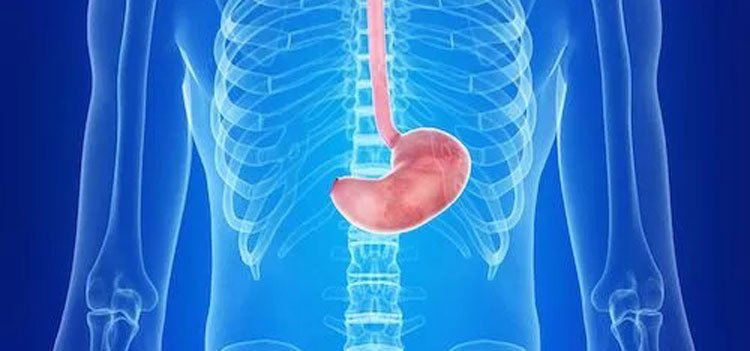
Oesophageal cancer develops when abnormal cells grow uncontrollably in the lining of the oesophagus. Over time, these cells form a tumor that can narrow the food pipe and interfere with swallowing. If left untreated, the cancer may spread to nearby tissues and distant organs.
Types of Oesophageal Cancer
Squamous Cell Carcinoma
This type affects the upper and middle parts of the oesophagus. Most often, it develops due to smoking, alcohol consumption, and poor nutrition. As a result, it is more common in individuals with long-term lifestyle risk factors.
Adenocarcinoma
Adenocarcinoma usually occurs in the lower oesophagus near the stomach. In contrast, this type is strongly linked to chronic acid reflux, GERD, Barrett’s oesophagus, and obesity. Consequently, its incidence has increased in recent decades.
Causes and Risk Factors
Several factors increase the risk of oesophageal cancer. For example, chronic acid reflux can damage the oesophageal lining over time. In addition, the following risk factors play a significant role:
-
Long-standing GERD
-
Barrett’s oesophagus
-
Smoking and tobacco use
-
Excessive alcohol intake
-
Obesity
-
Poor diet low in fruits and vegetables
-
Older age and male gender
By addressing these risk factors, individuals can significantly reduce their chances of developing the disease.
Symptoms of Oesophageal Cancer
In the early stages, symptoms may appear mild. However, as the disease progresses, symptoms become more noticeable. Common signs include:
-
Difficulty swallowing, especially solid foods
-
Chest pain or discomfort
-
Unexplained weight loss
-
Persistent heartburn or indigestion
-
Chronic cough or hoarseness
-
Vomiting or regurgitation
-
Fatigue and weakness
Because early symptoms are subtle, many patients receive a diagnosis at an advanced stage.
How Is Oesophageal Cancer Diagnosed?
Doctors use several tests to confirm oesophageal cancer and determine its stage.
Upper Endoscopy
Doctors insert a thin tube with a camera to examine the oesophagus. During this procedure, they collect tissue samples for biopsy.
Barium Swallow Test
Patients swallow a contrast liquid, after which X-rays reveal abnormal narrowing or growths.
Imaging Tests
CT scans, PET scans, and MRI scans help doctors evaluate cancer spread. Therefore, these tests are essential for accurate staging.
Endoscopic Ultrasound (EUS)
This test assesses how deeply the tumor has invaded the oesophageal wall and nearby lymph nodes.
Treatment Options for Oesophageal Cancer
Treatment depends on the cancer stage, type, and the patient’s overall health. Often, doctors use a combination of treatments to achieve better outcomes.
Surgery
Surgeons remove part or all of the oesophagus in early-stage disease.
Chemotherapy
Doctors use anti-cancer drugs to destroy cancer cells. Frequently, they combine chemotherapy with surgery or radiation.
Radiation Therapy
Radiation uses high-energy rays to shrink tumors and relieve symptoms.
Targeted Therapy
These advanced treatments target cancer cells more precisely. As a result, selected patients experience improved disease control.
Immunotherapy
Helps the immune system recognize and attack cancer cells in selected advanced cases.
A multidisciplinary approach often provides the best outcomes.
Prevention and Risk Reduction
Although not all cases are preventable, individuals can lower their risk. For instance, quitting smoking and limiting alcohol intake significantly reduce exposure to harmful substances. Moreover, maintaining a healthy weight and treating acid reflux early can protect the oesophagus.
When Should You See a Doctor?
You should consult a doctor if swallowing difficulties persist or if you experience unexplained weight loss or chronic chest discomfort. Most importantly, early evaluation allows timely treatment and better outcomes.
Conclusion
Oesophageal cancer is a serious but treatable condition when detected early. With greater awareness, lifestyle modification, and timely medical care, patients can improve survival and quality of life. Ongoing advances in diagnosis and treatment continue to offer hope for better outcomes.