Best Foods for Fatty Liver Recovery: Your Liver Can Heal—But Only If You Feed It Right
Your liver is one of the most remarkable organs in your body. It filters toxins, produces bile, regulates metabolism, stores nutrients, and performs hundreds of essential functions every day. Unlike many other organs, the liver has an incredible ability to repair itself. However, this healing process depends largely on your daily lifestyle—especially your diet.
If you’ve been diagnosed with fatty liver disease, you may wonder whether it can be reversed. The encouraging news is that, for many people, especially in the early stages, the answer is yes. A healthy diet, regular exercise, weight management, and control of underlying conditions like diabetes can significantly reduce fat in the liver and improve its function.
This guide explores the best foods for fatty liver recovery, foods to avoid, practical dietary tips, and lifestyle changes that support long-term liver health.
What Is Fatty Liver Disease?
Fatty liver disease occurs when excess fat builds up in liver cells. While a small amount of fat is normal, too much fat can interfere with the liver’s normal function.
There are two main types:
Non-Alcoholic Fatty Liver Disease (NAFLD)
This is the most common form and is closely associated with obesity, insulin resistance, type 2 diabetes, and metabolic syndrome.
Alcohol-Related Fatty Liver Disease
This develops due to excessive alcohol consumption and may progress to inflammation, scarring, and liver damage if alcohol use continues.
Without proper management, fatty liver disease can progress to inflammation (steatohepatitis), fibrosis, cirrhosis, and, in some cases, liver failure or liver cancer.
Can Diet Reverse Fatty Liver?
In many cases, yes.
Research has shown that losing 5–10% of body weight, combined with healthier eating habits and regular physical activity, can reduce liver fat, improve liver enzyme levels, and even reverse early liver damage.
There is no single “magic food” that cures fatty liver. Instead, the goal is to follow a balanced eating pattern that reduces inflammation, improves insulin sensitivity, and supports healthy liver function.
10 Best Foods for Fatty Liver Recovery
1. Leafy Green Vegetables
Spinach, kale, fenugreek leaves, and other green vegetables are rich in antioxidants, vitamins, minerals, and fiber.
They may help:
- Reduce fat accumulation in the liver
- Support detoxification
- Improve digestion
- Promote weight management
Aim to include at least one serving of leafy greens every day.
2. Fatty Fish
Fish such as:
- Salmon
- Sardines
- Mackerel
- Tuna
contain omega-3 fatty acids, which may reduce liver fat and inflammation while improving cholesterol levels.
Try to eat fatty fish two to three times per week.
3. Oats and Whole Grains
Whole grains are high in fiber, which helps improve blood sugar control and supports healthy digestion.
Choose:
- Oats
- Brown rice
- Quinoa
- Whole wheat
- Millets
These foods provide steady energy and may help reduce fat accumulation in the liver.
4. Fruits Rich in Antioxidants
Fruits supply vitamins, minerals, and natural antioxidants.
Good choices include:
- Apples
- Oranges
- Berries
- Papaya
- Guava
- Pomegranate
Enjoy fruit in moderation as part of a balanced diet rather than fruit juices, which often contain more concentrated sugars.
5. Nuts and Seeds
Almonds, walnuts, flaxseeds, and chia seeds provide healthy fats, vitamin E, fiber, and plant-based protein.
Walnuts, in particular, are a good source of omega-3 fatty acids.
Keep portions moderate because nuts are calorie-dense.
6. Olive Oil
Replacing saturated fats with healthy fats like olive oil may help improve cholesterol levels and reduce inflammation.
Use olive oil in moderation for cooking or salad dressings.
7. Garlic
Garlic contains natural compounds that may support liver health and improve metabolism.
It also adds flavor to meals without increasing sodium or unhealthy fats.
8. Coffee (Without Excess Sugar)
Several studies suggest that moderate coffee consumption may be associated with better liver health and a lower risk of liver fibrosis.
If you drink coffee, limit added sugar and high-calorie creamers.
If you have other medical conditions, discuss coffee intake with your doctor.
9. Legumes
Beans, lentils, and chickpeas are rich in fiber and plant-based protein.
They help:
- Improve fullness
- Stabilize blood sugar
- Support healthy weight management
They also make excellent alternatives to processed meats.
10. Green Tea
Green tea contains antioxidants called catechins, which may support liver health when consumed as part of a balanced diet.
Avoid concentrated green tea supplements unless recommended by a healthcare professional, as some have been linked to liver injury.
Foods to Avoid if You Have Fatty Liver
Certain foods can worsen fat accumulation and inflammation in the liver.
Limit or avoid:
Sugary Foods
- Cakes
- Cookies
- Candy
- Sweetened cereals
- Desserts
Sugar-Sweetened Beverages
- Soft drinks
- Energy drinks
- Sweetened fruit drinks
These are high in added sugars that can contribute to liver fat.
Refined Carbohydrates
Reduce:
- White bread
- White rice
- Pastries
- Refined flour products
Replace them with whole-grain alternatives.
Fried Foods
Deep-fried foods are often high in unhealthy fats and calories.
Processed Foods
Examples include:
- Packaged snacks
- Processed meats
- Fast food
- Instant noodles
Excess Red Meat
Choose lean protein sources more often and limit processed or high-fat red meats.
Alcohol
If you have fatty liver disease, limiting or avoiding alcohol is one of the most important steps you can take to protect your liver.
The Mediterranean Diet and Fatty Liver
Many healthcare professionals recommend a Mediterranean-style eating pattern for people with fatty liver disease.
It emphasizes:
- Vegetables
- Fruits
- Whole grains
- Beans
- Fish
- Olive oil
- Nuts
- Moderate dairy
- Limited processed foods
This eating pattern supports heart health and may also improve liver function.
Sample One-Day Meal Plan
Breakfast
- Oatmeal topped with berries and walnuts
- Unsweetened coffee or green tea
Mid-Morning Snack
- Apple or guava
Lunch
- Brown rice or millet
- Grilled fish or lentils
- Mixed vegetable salad
- Yogurt (if tolerated)
Evening Snack
- A handful of almonds
Dinner
- Vegetable soup
- Grilled chicken or chickpea salad
- Steamed broccoli
Before Bed
- Warm water or herbal tea
Lifestyle Changes That Support Liver Recovery
Diet alone is not enough. Healthy lifestyle habits play an equally important role.
Exercise Regularly
Aim for at least 150 minutes of moderate physical activity each week, such as brisk walking, cycling, or swimming.
Strength training two to three times per week can also help improve insulin sensitivity.
Lose Weight Gradually
Rapid weight loss can sometimes worsen liver problems.
Focus on gradual, sustainable weight loss if recommended by your healthcare provider.
Control Blood Sugar
Managing diabetes and insulin resistance can reduce stress on the liver.
Manage Cholesterol
Healthy cholesterol levels support both liver and heart health.
Get Enough Sleep
Aim for 7–9 hours of quality sleep each night.
Poor sleep may contribute to metabolic problems associated with fatty liver.
Stay Hydrated
Water supports overall metabolism and healthy digestion.
Common Myths About Fatty Liver Diets
Myth: Fatty liver can be cured with detox drinks.
Fact: There is no scientific evidence that detox drinks cure fatty liver. Long-term healthy eating is far more effective.
Myth: You should avoid all fats.
Fact: Healthy fats from fish, nuts, seeds, and olive oil can be part of a liver-friendly diet.
Myth: Only overweight people develop fatty liver.
Fact: Fatty liver can also occur in people with a normal weight, particularly if they have diabetes or other metabolic risk factors.
Myth: Once diagnosed, liver damage cannot improve.
Fact: Early-stage fatty liver often improves significantly with lifestyle changes.
When Should You See a Gastroenterologist?
Consult a gastroenterologist if you:
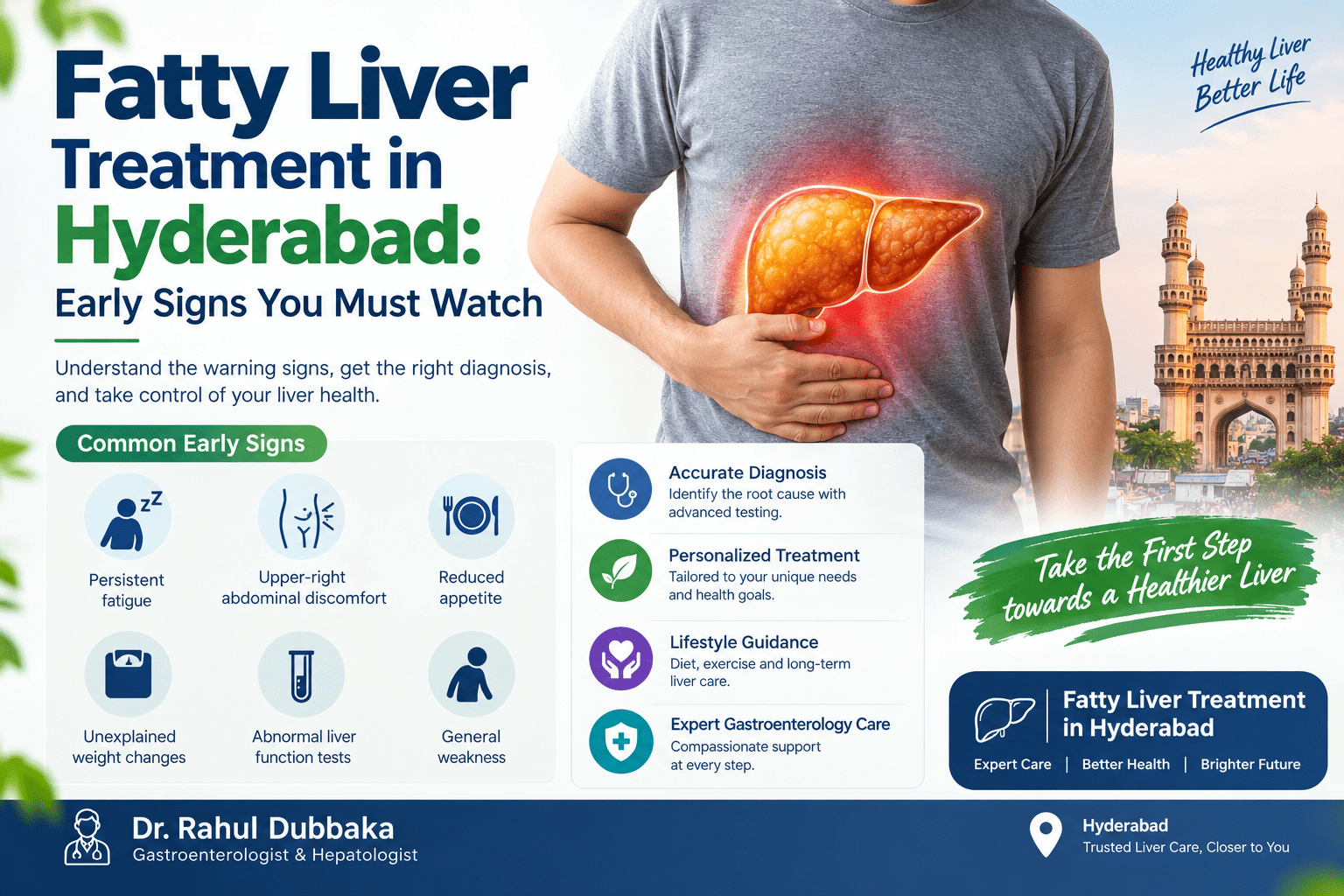
- Have persistent fatigue or upper abdominal discomfort
- Have abnormal liver function tests
- Have diabetes, obesity, or high cholesterol
- Experience unexplained weight loss
- Have a family history of liver disease
- Need guidance on managing fatty liver
Early diagnosis and monitoring can help prevent progression to more advanced liver disease.
Frequently Asked Questions
Can fatty liver be reversed naturally?
In many cases, early fatty liver can improve through healthy eating, weight loss, regular exercise, and management of underlying health conditions.
Which fruit is best for fatty liver?
Whole fruits such as berries, apples, oranges, guava, and papaya provide fiber and antioxidants that support overall health.
Is rice allowed in a fatty liver diet?
Yes. Whole grains such as brown rice are generally preferred over refined white rice because they provide more fiber and have a lower impact on blood sugar.
Are eggs good for fatty liver?
Eggs can be included in moderation as part of a balanced diet, especially when prepared without excessive oil or butter.
Final Thoughts
A diagnosis of fatty liver disease doesn’t have to mean permanent liver damage. In many cases, your liver has the ability to heal when you give it the right support through nutritious food, regular exercise, healthy weight management, and consistent medical follow-up.
Fill your plate with vegetables, fruits, whole grains, legumes, lean proteins, healthy fats, and antioxidant-rich foods while limiting added sugars, processed foods, and alcohol. Combined with an active lifestyle and routine check-ups, these choices can help reduce liver fat, improve liver function, and lower the risk of long-term complications.
If you have persistent symptoms, abnormal liver tests, or risk factors such as obesity or diabetes, consult a gastroenterologist. Early intervention offers the best opportunity to protect your liver and improve your overall health.