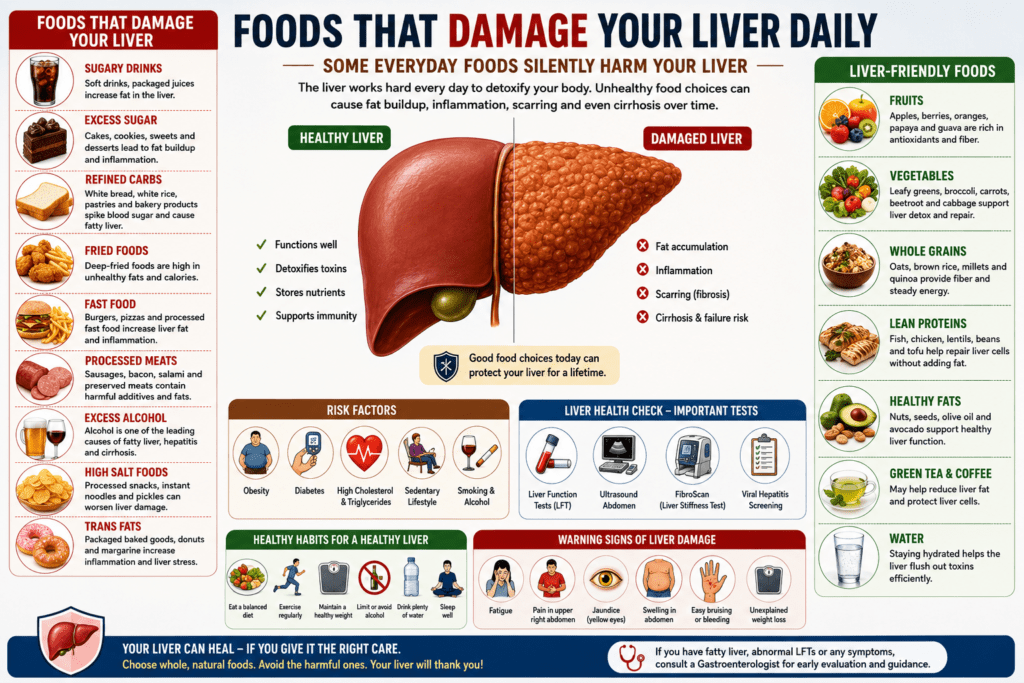
Foods That Damage Your Liver Daily: Some Everyday Foods Silently Harm Your Liver
Your liver is one of the hardest-working organs in your body. Every day, it filters toxins, processes nutrients, regulates blood sugar, produces bile for digestion, stores vitamins, and performs hundreds of essential functions that keep you healthy.
Despite its remarkable ability to repair itself, the liver has its limits. A poor diet, especially one high in processed foods, sugar, unhealthy fats, and alcohol, can gradually damage liver cells. Over time, these unhealthy eating habits may contribute to fatty liver disease, liver inflammation, fibrosis, cirrhosis, and even liver cancer.
The concerning part is that many of the foods that negatively affect your liver are consumed every day without a second thought. Soft drinks, packaged snacks, sugary desserts, processed meats, and fast food have become staples in many households, quietly increasing the burden on the liver.
The good news is that making healthier food choices today can significantly improve liver health and even reverse early-stage fatty liver disease in many people.
In this comprehensive guide, we’ll explore the foods that may harm your liver, explain why they are harmful, discuss liver-friendly alternatives, and share practical tips for maintaining a healthy liver.
Why Is the Liver So Important?
The liver performs more than 500 essential functions, including:
- Filtering toxins from the bloodstream
- Processing nutrients from food
- Producing bile for fat digestion
- Storing vitamins and minerals
- Regulating blood sugar
- Producing proteins for blood clotting
- Breaking down medications
- Supporting immunity
When the liver becomes damaged, these vital functions can be affected, impacting your overall health.
How Diet Affects Liver Health
Everything you eat passes through your digestive system and eventually reaches the liver.
A healthy diet helps the liver function efficiently, while an unhealthy diet forces it to work harder and promotes fat accumulation, inflammation, and scarring.
Over time, unhealthy eating patterns can lead to:
- Fatty liver disease
- Obesity
- Type 2 diabetes
- High cholesterol
- Metabolic syndrome
- Liver inflammation
Fortunately, dietary changes can significantly reduce these risks.
Foods That Can Damage Your Liver
1. Sugary Drinks
Soft drinks, energy drinks, packaged fruit juices, and sweetened beverages are among the biggest contributors to fatty liver disease.
These drinks often contain large amounts of fructose, which the liver converts into fat.
Regular consumption may increase the risk of:
- Fatty liver
- Obesity
- Insulin resistance
- Type 2 diabetes
Better Choice
- Water
- Unsweetened herbal tea
- Fresh lemon water
- Coconut water (without added sugar)
2. Excess Sugar
Too much sugar doesn’t just affect your waistline—it also affects your liver.
Foods high in added sugar include:
- Cakes
- Cookies
- Candies
- Ice cream
- Chocolates
- Sweet desserts
Excess sugar can promote fat storage within the liver.
3. Refined Carbohydrates
Highly processed carbohydrates quickly raise blood sugar and insulin levels.
Examples include:
- White bread
- White rice
- Bakery products
- Pastries
- Pizza crust
- Refined flour snacks
Frequent consumption increases the risk of fatty liver disease.
Better Choice
- Brown rice
- Whole wheat bread
- Oats
- Millets
- Quinoa
4. Fried Foods
Deep-fried foods contain unhealthy fats and are often high in calories.
Common examples:
- French fries
- Fried chicken
- Pakoras
- Samosas
- Potato chips
Regular intake contributes to obesity and liver fat accumulation.
5. Fast Food
Fast food is often rich in:
- Saturated fats
- Salt
- Refined carbohydrates
- Sugar
Examples include:
- Burgers
- Pizza
- Fried chicken
- Hot dogs
Eating fast food frequently has been linked to an increased risk of fatty liver disease.
6. Processed Meats
Processed meats are often high in:
- Sodium
- Preservatives
- Saturated fats
Examples include:
- Sausages
- Bacon
- Salami
- Ham
Excessive consumption may contribute to inflammation and metabolic disease.
7. Excess Alcohol
Alcohol is one of the leading causes of liver disease worldwide.
Long-term heavy drinking may cause:
- Fatty liver
- Alcoholic hepatitis
- Cirrhosis
- Liver failure
If you already have liver disease, your doctor may recommend avoiding alcohol completely.
8. High-Salt Foods
Too much sodium may contribute to fluid retention and worsen advanced liver disease.
Foods high in salt include:
- Instant noodles
- Packaged soups
- Chips
- Pickles
- Processed snacks
9. Trans Fats
Artificial trans fats increase inflammation and cardiovascular risk.
They are commonly found in:
- Packaged baked goods
- Commercial cookies
- Doughnuts
- Margarine
- Some frozen foods
Always read food labels carefully.
10. Highly Processed Snacks
Packaged snacks often contain excessive amounts of:
- Salt
- Sugar
- Unhealthy fats
- Artificial additives
Examples include:
- Chips
- Flavored crackers
- Cheese puffs
- Packaged namkeen
Replacing these with healthier snacks supports liver health.
Foods That Support Liver Health
A healthy, liver-friendly diet includes:
Fruits
Such as:
- Apples
- Oranges
- Berries
- Papaya
- Guava
Vegetables
Especially:
- Spinach
- Broccoli
- Carrots
- Beetroot
- Cabbage
Whole Grains
Choose:
- Oats
- Brown rice
- Millets
- Whole wheat
- Quinoa
Lean Proteins
Good options include:
- Fish
- Skinless chicken
- Lentils
- Beans
- Tofu
Healthy Fats
Consume in moderation:
- Nuts
- Seeds
- Olive oil
- Avocados
Coffee
Research suggests that moderate coffee consumption may help protect the liver in some individuals. However, avoid excessive sugar or high-fat creamers.
Healthy Eating Habits for Liver Protection
In addition to choosing healthier foods:
- Eat balanced meals
- Avoid overeating
- Stay hydrated
- Exercise regularly
- Maintain a healthy weight
- Limit sugary drinks
- Avoid smoking
- Sleep adequately
These habits work together to support liver function.
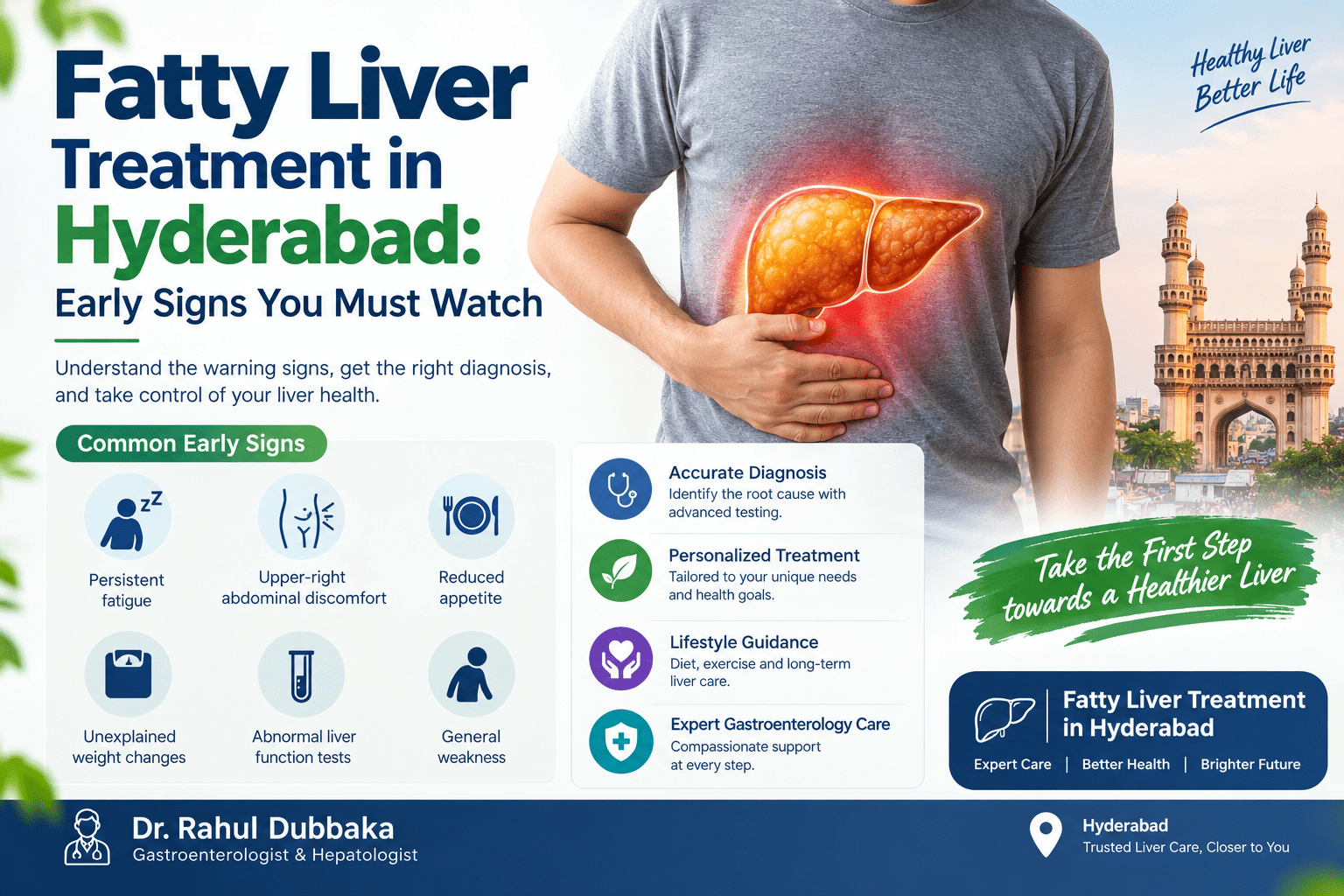
Warning Signs of Liver Damage
Early liver disease often has no symptoms.
As damage progresses, symptoms may include:
- Fatigue
- Weakness
- Loss of appetite
- Nausea
- Pain in the upper right abdomen
- Yellowing of the skin and eyes
- Dark urine
- Swelling of the abdomen
- Easy bruising
Seek medical evaluation if these symptoms develop.
Who Is at Higher Risk?
You may have a higher risk of liver disease if you:
- Are overweight or obese
- Have diabetes
- Have high cholesterol
- Consume alcohol heavily
- Eat a highly processed diet
- Have a family history of liver disease
- Lead a sedentary lifestyle
Regular health check-ups can help detect liver problems early.
How Is Liver Disease Diagnosed?
Your doctor may recommend:
- Liver Function Tests (LFTs)
- Blood sugar testing
- Lipid profile
- Abdominal ultrasound
- FibroScan
- CT scan or MRI when indicated
Early diagnosis improves treatment outcomes.
Can Liver Damage Be Reversed?
The answer depends on the stage.
Fatty Liver
Often reversible with:
- Healthy eating
- Weight loss
- Regular exercise
- Better diabetes control
Fibrosis
Early fibrosis may improve if the underlying cause is addressed.
Cirrhosis
Advanced cirrhosis is generally irreversible, but treatment can slow progression and reduce complications.
Common Myths About Liver Health
Myth: Only alcohol damages the liver.
Fact: Poor diet, obesity, diabetes, and metabolic syndrome are major causes of non-alcoholic fatty liver disease.
Myth: Fruit juice is always healthy.
Fact: Many packaged fruit juices contain large amounts of added sugar.
Myth: Liver disease always causes pain.
Fact: Many people have liver disease without symptoms until significant damage has occurred.
Myth: Herbal supplements are always safe for the liver.
Fact: Some herbal products may actually harm the liver. Always consult your doctor before using supplements.
Frequently Asked Questions
Can sugar cause fatty liver?
Yes. Excess sugar, particularly fructose from sweetened beverages, can contribute to fat accumulation in the liver.
Is coffee good for the liver?
Moderate coffee consumption has been associated with improved liver health in some studies, though it should be consumed without excessive sugar or cream.
Can diet alone cure fatty liver?
For many people with early-stage fatty liver, healthy eating combined with weight loss and exercise can significantly improve liver health.
Are cheat meals allowed?
Occasional treats are usually acceptable as part of a balanced diet, but frequent consumption of unhealthy foods may slow liver recovery.
When Should You See a Gastroenterologist?
Consult a gastroenterologist if you experience:
- Persistent fatigue
- Upper right abdominal discomfort
- Abnormal Liver Function Tests
- Fatty liver on ultrasound
- Jaundice
- Unexplained weight loss
- Swelling of the abdomen
- A family history of liver disease
Early evaluation allows timely treatment and helps prevent complications.
Final Thoughts
Your liver works tirelessly every day to keep your body healthy, but the foods you eat have a powerful influence on how well it performs. Diets high in sugary drinks, refined carbohydrates, fried foods, processed meats, trans fats, excessive salt, and alcohol can gradually damage the liver and increase the risk of fatty liver disease, inflammation, fibrosis, and cirrhosis.
Fortunately, the liver is remarkably resilient. Choosing fresh fruits, vegetables, whole grains, lean proteins, and healthy fats, while limiting processed and high-sugar foods, can help reduce liver fat and improve overall liver function. Pairing a balanced diet with regular exercise, weight management, and routine health check-ups provides the best defense against chronic liver disease.
If you’ve been diagnosed with fatty liver, have abnormal liver function tests, or experience symptoms such as fatigue, jaundice, or persistent upper abdominal discomfort, don’t ignore them. Simple lifestyle changes made today can protect your liver for years to come and may even reverse early liver damage before it becomes permanent.