Is Fatty Liver Common in Young Adults?
Yes—and it’s increasing rapidly.
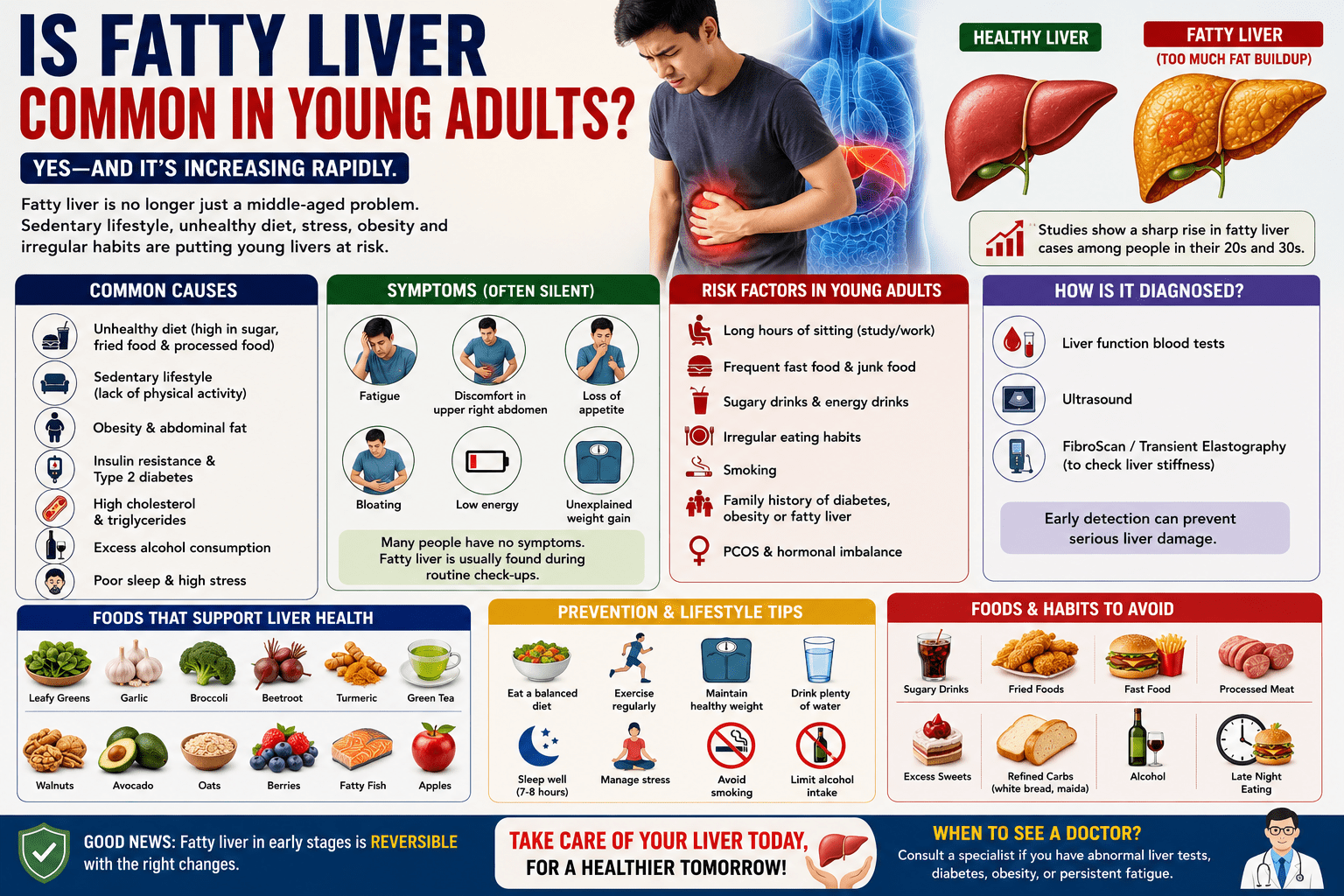
Fatty liver disease was once considered a condition mainly affecting middle-aged and older adults. Today, that picture is changing. More young adults are being diagnosed with fatty liver, often during routine health check-ups or abdominal ultrasound scans. The rise is closely linked to increasing rates of obesity, insulin resistance, type 2 diabetes, sedentary lifestyles, and diets high in processed foods and added sugars.
The condition is often silent in its early stages, which means a person can have significant liver fat without feeling sick. This makes awareness especially important for young adults who may assume that their age automatically protects them from liver disease.
The good news is that early fatty liver can often be improved or even reversed by addressing the factors causing fat to accumulate in the liver. Healthy eating, regular physical activity, weight management, and treatment of conditions such as diabetes and high cholesterol can make a major difference.
This guide explains why fatty liver is becoming more common among young adults, what causes it, its symptoms, how it is diagnosed, and what you can do to protect your liver.
What Is Fatty Liver?
Fatty liver disease occurs when excess fat accumulates in liver cells. A small amount of liver fat is normal, but excessive accumulation can indicate liver disease.
The most common form not primarily caused by alcohol is now generally referred to as metabolic dysfunction-associated steatotic liver disease (MASLD). It is strongly associated with metabolic problems such as obesity, insulin resistance, high blood pressure, abnormal cholesterol, and type 2 diabetes.
Alcohol can also cause fatty liver and other forms of alcohol-related liver disease.
Fatty liver can range from simple fat accumulation to inflammation and scarring. Not everyone with fatty liver develops serious liver damage, but persistent risk factors can increase the possibility of progression.
Why Is Fatty Liver Increasing Among Young Adults?
Several changes in modern lifestyles have contributed to the increase.
1. Sedentary Lifestyle
Young adults may spend many hours sitting at work, studying, commuting, or using phones and computers. When physical activity is low, the body may have more difficulty maintaining healthy blood sugar, cholesterol, and body-fat levels.
Regular movement helps the body use glucose and stored energy more efficiently.
2. Increased Consumption of Processed Foods
Fast food, packaged snacks, bakery products, fried foods, and sugar-sweetened beverages are widely available and convenient.
A diet consistently high in calories, added sugars, refined carbohydrates, and unhealthy fats can contribute to weight gain and metabolic dysfunction.
3. Sugary Drinks
Soft drinks, energy drinks, sweetened tea and coffee, and other sugary beverages can add large amounts of sugar and calories without creating much fullness.
Regularly consuming these drinks may contribute to weight gain and metabolic problems that increase the risk of fatty liver.
4. Obesity and Abdominal Fat
Excess body fat is one of the strongest risk factors for metabolic fatty liver disease.
Abdominal or visceral fat is particularly associated with insulin resistance and metabolic problems.
5. Insulin Resistance and Diabetes
Insulin resistance occurs when the body’s cells respond less effectively to insulin. The pancreas may produce more insulin to compensate.
Over time, insulin resistance can contribute to increased fat storage in the liver and raise the risk of type 2 diabetes.
6. High Cholesterol and Triglycerides
Abnormal blood lipid levels can be associated with increased liver fat. Young adults with high triglycerides or cholesterol should discuss their overall metabolic health with a healthcare professional.
7. Alcohol Consumption
Alcohol can directly damage liver cells. Regular heavy alcohol consumption can lead to alcohol-related fatty liver and, over time, more serious liver disease.
If you already have liver disease, ask your doctor whether you should avoid alcohol completely.
Can Thin Young Adults Get Fatty Liver?
Yes.
Fatty liver is not limited to people who are overweight. Some people with a normal body weight can develop fatty liver due to insulin resistance, genetics, metabolic abnormalities, poor diet, or other factors.
This is sometimes called lean fatty liver disease.
Therefore, body weight alone does not determine whether someone has a healthy liver.
What Are the Symptoms of Fatty Liver in Young Adults?
One reason fatty liver can go unnoticed is that many people have no obvious symptoms, particularly in the early stages.
When symptoms occur, they may include:
- Persistent tiredness
- Low energy
- Mild discomfort in the upper-right abdomen
- A feeling of fullness
- General weakness
- Occasionally, abnormal liver blood tests
These symptoms are not specific to fatty liver, so they should not be used to diagnose the condition by themselves.
Some people only discover fatty liver after an ultrasound or blood test performed for another reason.
How Is Fatty Liver Diagnosed?
A healthcare professional may use several methods to evaluate liver health.
Blood Tests
Liver function tests may measure enzymes such as ALT and AST.
However, normal liver enzymes do not always mean that the liver is completely healthy. Some people with fatty liver can have normal blood test results.
Abdominal Ultrasound
Ultrasound is commonly used to detect fat accumulation in the liver.
It may identify fatty liver during a routine abdominal examination.
FibroScan
FibroScan is a non-invasive test that can help assess liver stiffness and estimate the amount of fat in the liver.
It can be useful when doctors need to determine whether there may be liver fibrosis.
Additional Testing
Depending on the situation, a doctor may recommend other blood tests or imaging studies to identify the cause and assess the risk of liver damage.
Can Fatty Liver in Young Adults Be Reversed?
In many people with early-stage metabolic fatty liver disease, liver fat can be significantly reduced through lifestyle changes.
The most important step is identifying and addressing the factors contributing to the condition.
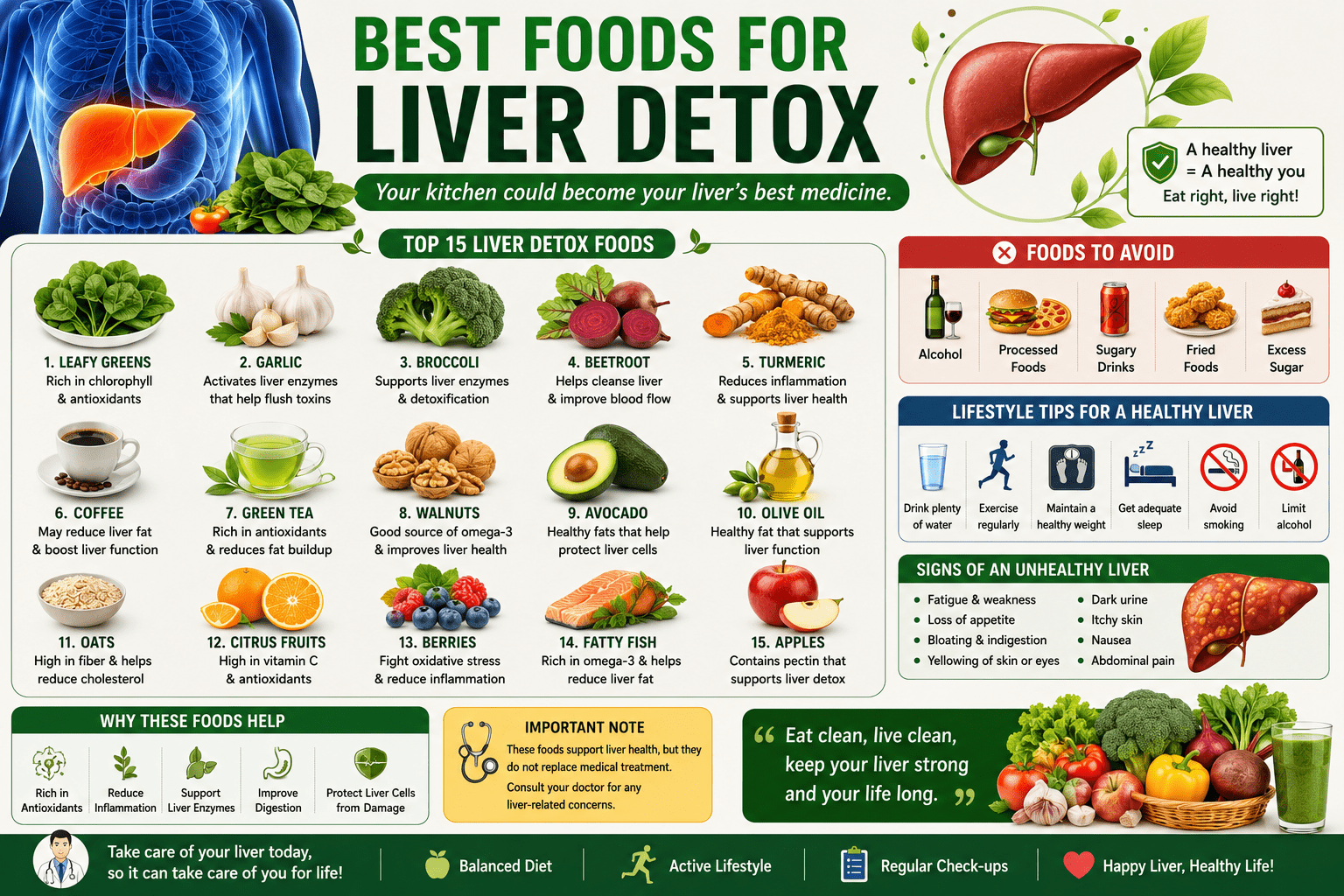
There is no universal “detox” drink or quick treatment that cleans the liver overnight. Sustainable changes are much more important.
1. Focus on a Balanced Diet
A liver-friendly eating pattern should emphasize whole foods.
Include more:
- Vegetables
- Whole fruits
- Whole grains
- Lentils and beans
- Fish
- Lean proteins
- Nuts and seeds
- Healthy unsaturated fats
A Mediterranean-style eating pattern is often recommended for people with metabolic risk factors because it emphasizes vegetables, fruits, whole grains, legumes, fish, and healthy fats.
2. Reduce Added Sugar
Pay particular attention to:
- Soft drinks
- Sweetened juices
- Energy drinks
- Cakes
- Biscuits
- Candy
- Desserts
- Sugary breakfast cereals
Reducing added sugar can help lower overall calorie intake and support healthier metabolic function.
3. Exercise Regularly
Physical activity can help reduce liver fat and improve insulin sensitivity.
A practical goal for many adults is at least 150 minutes of moderate-intensity physical activity per week, along with muscle-strengthening activities on a regular basis.
You don’t need to start with intense workouts. Brisk walking, cycling, swimming, dancing, and strength exercises can all contribute to a healthier lifestyle.
4. Maintain a Healthy Weight
If you are overweight, gradual weight loss can significantly improve liver health.
Even relatively modest weight loss can reduce liver fat, while greater weight loss may provide additional benefits for people with inflammation or fibrosis.
Avoid extreme crash diets. A sustainable approach is more likely to produce lasting results.
5. Manage Diabetes and Cholesterol
If you have diabetes, prediabetes, high triglycerides, or high cholesterol, proper management is an important part of protecting your liver.
Follow your healthcare provider’s recommendations for medication, diet, exercise, and regular monitoring.
6. Avoid Excessive Alcohol
Alcohol can add additional stress to the liver.
If you have been diagnosed with fatty liver, discuss alcohol consumption with your doctor. Depending on your condition and risk factors, complete avoidance may be recommended.
7. Get Enough Sleep
Poor sleep and irregular sleep patterns can affect appetite, weight, blood sugar, and metabolism.
Aim for consistent, good-quality sleep and address problems such as persistent snoring or suspected sleep apnea with a healthcare professional.
What Foods Should Young Adults Limit?
There is no single food that causes fatty liver. The overall eating pattern matters.
However, it is wise to limit:
- Sugary beverages
- Deep-fried foods
- Fast food
- Processed meats
- Highly refined carbohydrates
- Excess sweets
- Packaged snacks
- Foods high in saturated fat
- Excess alcohol
Instead, build meals around vegetables, whole grains, lean proteins, legumes, fruits, and healthy fats.
Common Myths About Fatty Liver
Myth 1: “I’m young, so I can’t have fatty liver.”
Fact: Fatty liver can occur in young adults, particularly when metabolic risk factors are present.
Myth 2: “Only overweight people develop fatty liver.”
Fact: People with a normal body weight can also develop fatty liver.
Myth 3: “Fatty liver always causes pain.”
Fact: Many people have no symptoms, especially during the early stages.
Myth 4: “A detox drink will clean my liver.”
Fact: The liver has its own natural detoxification processes. No special drink has been proven to rapidly cleanse or repair a fatty liver.
Myth 5: “Fatty liver automatically means cirrhosis.”
Fact: Fatty liver does not automatically progress to cirrhosis. Risk varies between individuals, and early intervention can reduce the likelihood of progression.
Can Fatty Liver Become Serious?
Yes, but progression is not inevitable.
In some people, ongoing liver injury can lead to inflammation and eventually fibrosis, which is scarring of the liver. Advanced fibrosis can progress to cirrhosis.
The risk is higher when metabolic problems remain uncontrolled or when other causes of liver injury are present.
That is why finding fatty liver at a young age should be treated as an opportunity to take action rather than something to ignore.
When Should a Young Adult See a Gastroenterologist?
Consider seeing a gastroenterologist if you have:
- Fatty liver detected on ultrasound
- Persistently abnormal liver enzymes
- Unexplained fatigue
- Upper-right abdominal discomfort
- Diabetes or prediabetes
- High triglycerides or cholesterol
- Obesity or significant abdominal weight gain
- A family history of liver disease
- Regular heavy alcohol consumption
A specialist can assess your individual risk and determine whether additional testing is necessary.
How Can Young Adults Prevent Fatty Liver?
Prevention starts with everyday habits.
Simple steps include:
- Drink water instead of sugary beverages
- Eat more vegetables and whole foods
- Choose whole grains over highly refined carbohydrates
- Limit fried and highly processed foods
- Exercise regularly
- Avoid excessive alcohol
- Maintain a healthy weight
- Get adequate sleep
- Monitor blood sugar and cholesterol
- Attend routine health check-ups
These habits benefit not only the liver but also the heart, brain, digestive system, and overall metabolic health.
Final Thoughts
Fatty liver is becoming increasingly common among young adults, but age does not have to determine your liver health.
The condition is closely linked to modern lifestyle and metabolic factors, including sedentary behavior, obesity, insulin resistance, diabetes, high cholesterol, unhealthy eating patterns, and excessive alcohol consumption.
The encouraging news is that early fatty liver can often be improved significantly. Young adults who identify the condition early have an important opportunity to make changes before serious liver damage develops.
Instead of relying on detox products or waiting for symptoms, focus on the basics: eat a balanced diet, stay active, maintain a healthy weight, limit alcohol, manage blood sugar and cholesterol, and have appropriate medical follow-up.
If an ultrasound or blood test has shown signs of fatty liver, don’t panic—but don’t ignore it either. Your liver may not be giving you symptoms yet, but this is the perfect time to start taking care of it.