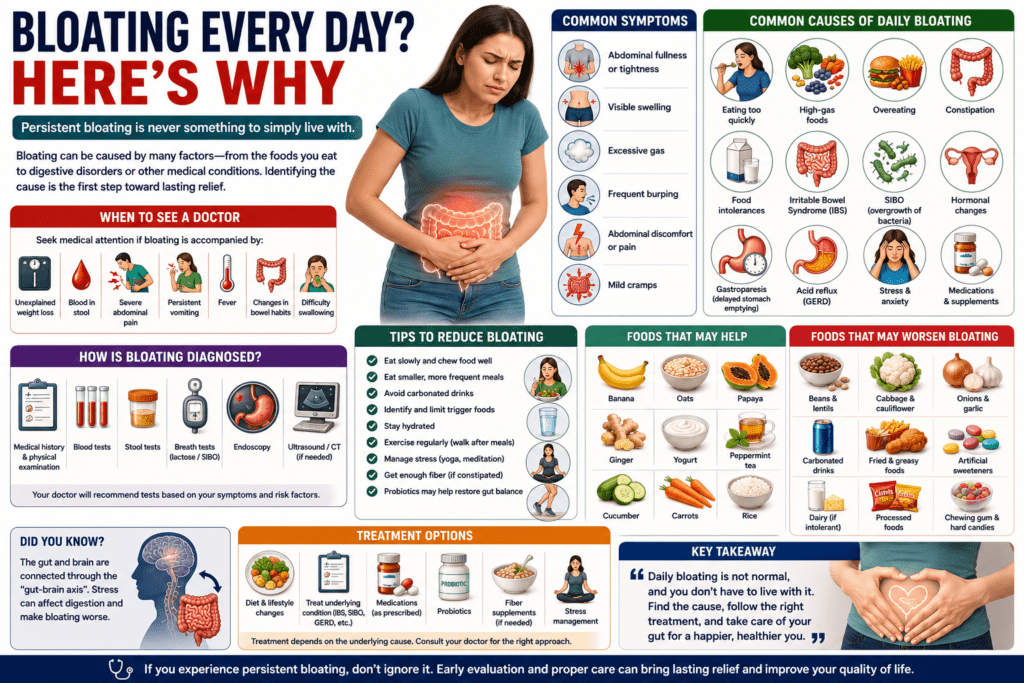
Bloating Every Day? Here’s Why
Persistent bloating is never something to simply live with.
Almost everyone experiences bloating from time to time, especially after eating a large meal or consuming gas-producing foods. However, if you’re feeling bloated every day, it may be more than just a temporary inconvenience. Persistent bloating can affect your comfort, confidence, appetite, and quality of life—and in some cases, it may be a sign of an underlying digestive condition that requires medical attention.
Many people describe bloating as a feeling of fullness, tightness, or swelling in the abdomen. Some notice their stomach becomes visibly enlarged, while others mainly experience pressure, discomfort, or excessive gas. Although occasional bloating is usually harmless, bloating that occurs regularly should not be ignored.
The good news is that many causes of chronic bloating can be identified and treated. Whether the issue is related to diet, digestive disorders, food intolerances, gut bacteria, or other medical conditions, early diagnosis often leads to better symptom control and improved digestive health.
In this comprehensive guide, we’ll explore why daily bloating happens, the most common causes, warning signs to watch for, diagnosis, treatment options, and practical ways to reduce bloating naturally.
What Is Bloating?
Bloating is a sensation of abdominal fullness, pressure, or tightness. It may or may not be accompanied by visible abdominal swelling (distension).
Common symptoms include:
- Feeling unusually full after eating
- Tightness in the abdomen
- Increased gas
- Burping
- Passing excessive gas
- Abdominal discomfort
- Mild cramping
Bloating can occur occasionally or become a chronic, recurring problem.
Why Does Bloating Happen?
Bloating usually occurs because of:
- Excess gas production
- Slowed digestion
- Food intolerances
- Fluid retention
- Digestive disorders
- Changes in gut bacteria
- Hormonal fluctuations
Sometimes more than one factor contributes to symptoms.
Common Causes of Daily Bloating
1. Eating Too Quickly
Eating rapidly causes you to swallow excess air.
This trapped air contributes to:
- Burping
- Gas
- Abdominal pressure
- Bloating
Eating slowly and chewing food thoroughly can help.
2. Overeating
Large meals stretch the stomach and slow digestion.
Smaller, more frequent meals are often easier to digest.
3. High-Gas Foods
Certain foods naturally produce more gas during digestion.
Examples include:
- Beans
- Lentils
- Broccoli
- Cabbage
- Cauliflower
- Onions
- Carbonated drinks
These foods are nutritious, so they don’t always need to be avoided entirely—portion size often matters.
4. Constipation
When stool remains in the colon for too long, gas builds up behind it.
Symptoms may include:
- Hard stools
- Infrequent bowel movements
- Abdominal pressure
- Feeling of incomplete emptying
Treating constipation often improves bloating.
5. Food Intolerances
Some people have difficulty digesting certain foods.
Common intolerances include:
Lactose Intolerance
Difficulty digesting dairy products.
Fructose Intolerance
Problems digesting certain fruits or sweeteners.
Gluten-Related Disorders
Some individuals with celiac disease or non-celiac gluten sensitivity experience significant bloating.
6. Irritable Bowel Syndrome (IBS)
IBS is one of the most common causes of chronic bloating.
Symptoms include:
- Bloating
- Abdominal pain
- Constipation
- Diarrhea
- Alternating bowel habits
Stress often worsens symptoms.
7. Small Intestinal Bacterial Overgrowth (SIBO)
Normally, most gut bacteria live in the large intestine.
In SIBO, excessive bacteria grow in the small intestine, leading to:
- Gas
- Bloating
- Abdominal discomfort
- Diarrhea
- Nutrient deficiencies
8. Gastroparesis
Delayed stomach emptying causes food to remain in the stomach longer.
This commonly occurs in people with long-standing diabetes.
Symptoms include:
- Bloating
- Nausea
- Vomiting
- Feeling full quickly
9. Acid Reflux (GERD)
GERD may be associated with:
- Bloating
- Burping
- Chest burning
- Sour taste in the mouth
10. Hormonal Changes
Many women experience bloating:
- Before menstruation
- During pregnancy
- Around menopause
Hormonal fluctuations can influence fluid retention and digestion.
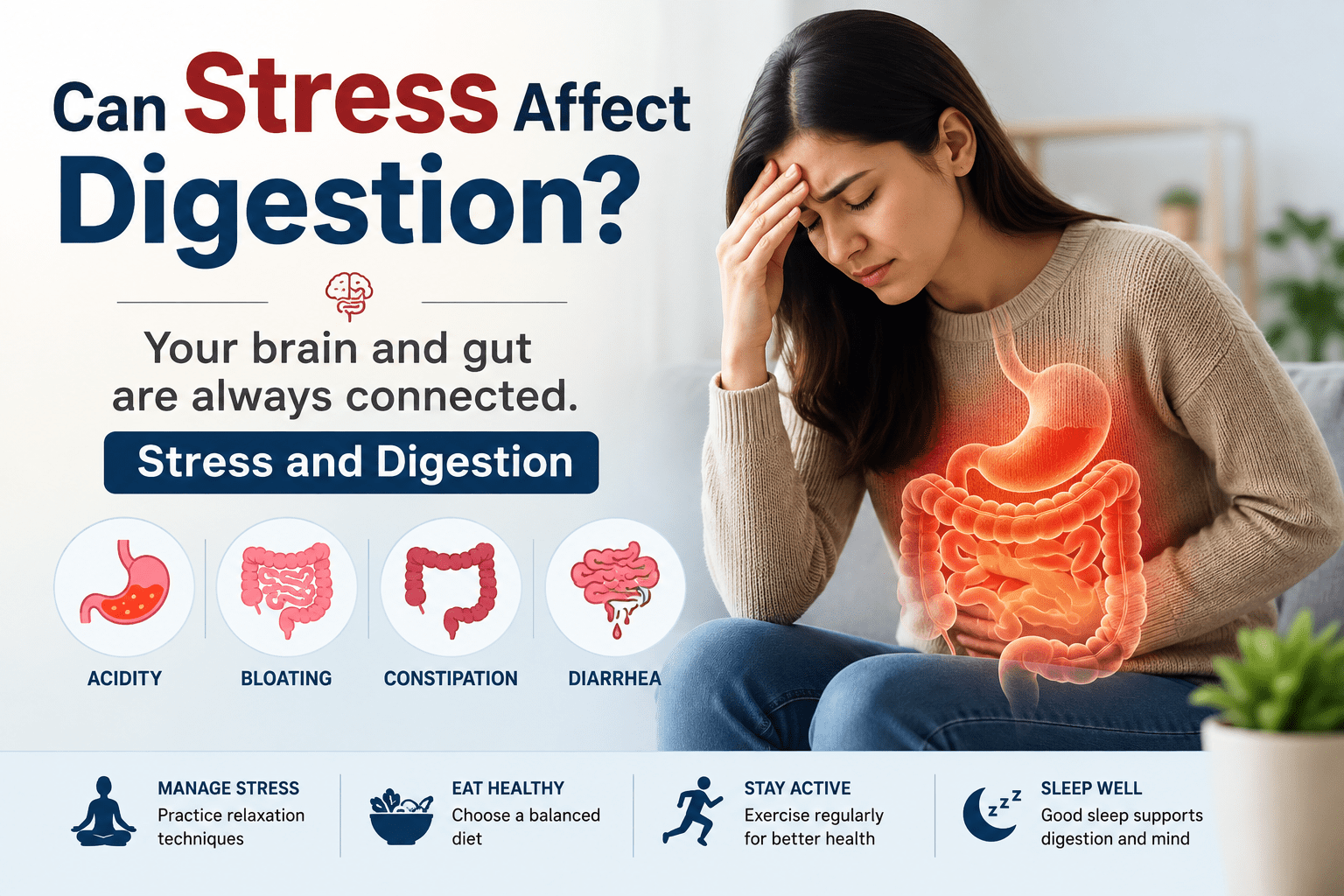
Can Stress Cause Bloating?
Yes.
The digestive system and brain communicate through the gut-brain axis.
Stress can:
- Slow digestion
- Alter gut bacteria
- Increase muscle tension
- Worsen IBS
- Increase gas production
Managing stress is an important part of treating chronic bloating.
When Is Bloating Serious?
Occasional bloating is common.
However, seek medical attention if bloating is accompanied by:
- Unexplained weight loss
- Blood in stool
- Black stools
- Persistent vomiting
- Severe abdominal pain
- Fever
- Difficulty swallowing
- Persistent diarrhea
- Abdominal swelling that rapidly worsens
These symptoms may indicate a more serious condition.
Conditions That May Cause Persistent Bloating
Chronic bloating may be associated with:
- Irritable Bowel Syndrome (IBS)
- Inflammatory Bowel Disease (IBD)
- Celiac disease
- Colon cancer
- Ovarian cancer (particularly in women with persistent bloating and pelvic symptoms)
- Chronic constipation
- Pancreatic disorders
- Liver disease
- Gallbladder disease
Most cases are not caused by cancer, but persistent symptoms deserve evaluation.
How Is Chronic Bloating Diagnosed?
Your doctor will begin with a detailed medical history and physical examination.
Additional tests may include:
Blood Tests
To evaluate:
- Infection
- Inflammation
- Liver function
- Thyroid disorders
- Celiac disease
Stool Tests
Useful when infection or inflammation is suspected.
Lactose Breath Test
Helps diagnose lactose intolerance.
Hydrogen Breath Test
Can identify SIBO or certain carbohydrate intolerances.
Upper GI Endoscopy
Recommended if upper digestive symptoms such as persistent reflux or difficulty swallowing are present.
Colonoscopy
May be advised for:
- Blood in stool
- Chronic bowel changes
- Family history of colorectal cancer
- Age-appropriate screening
Ultrasound or CT Scan
May help detect gallstones, liver disease, ovarian problems, or other abdominal conditions.
Treatment for Daily Bloating
Treatment depends on the underlying cause.
Eat Slowly
Take time to chew food thoroughly.
Avoid swallowing excess air.
Eat Smaller Meals
Large meals increase stomach distension.
Smaller meals reduce pressure on the digestive tract.
Identify Trigger Foods
Keeping a food diary may help identify foods that worsen symptoms.
Increase Physical Activity
Walking after meals stimulates digestion and helps move gas through the intestines.
Aim for at least 30 minutes of exercise most days of the week.
Stay Hydrated
Adequate water intake supports healthy bowel function and helps prevent constipation.
Treat Constipation
Increasing fiber gradually, drinking enough water, and regular exercise often improve bowel regularity.
Your doctor may recommend medications if needed.
Manage Stress
Helpful techniques include:
- Meditation
- Yoga
- Deep breathing
- Regular exercise
- Good sleep habits
Medical Treatment
Depending on the diagnosis, treatment may include:
- Medications for IBS
- Antibiotics for SIBO
- Enzyme supplements
- Acid-reducing medications
- Dietary counseling
Always follow your doctor’s recommendations.
Best Foods for Reducing Bloating
Many people tolerate these foods well:
- Oats
- Rice
- Bananas
- Papaya
- Ginger
- Cucumber
- Carrots
- Yogurt with live cultures (if tolerated)
- Peppermint tea (if it doesn’t worsen reflux)
Individual tolerance varies.
Foods That May Trigger Bloating
Some common triggers include:
- Carbonated drinks
- Artificial sweeteners
- Fried foods
- Highly processed foods
- Excess dairy (if lactose intolerant)
- Beans and lentils (for some individuals)
- Cabbage and cauliflower
- Excess onions and garlic
Avoid unnecessary restrictions without medical advice, as many of these foods are otherwise nutritious.
Common Myths About Bloating
Myth: Bloating is always caused by gas.
Fact: Fluid retention, constipation, food intolerances, and digestive disorders can also cause bloating.
Myth: Daily bloating is normal.
Fact: Persistent bloating should be evaluated, especially if it affects your daily life.
Myth: Detox drinks cure bloating.
Fact: There is no scientific evidence that detox drinks treat chronic bloating.
Myth: Cutting out all carbohydrates solves bloating.
Fact: Many carbohydrate-rich foods are healthy. The goal is to identify individual triggers rather than eliminate entire food groups unnecessarily.
Frequently Asked Questions
Why am I bloated every day?
Daily bloating may result from diet, constipation, IBS, food intolerances, SIBO, or other digestive conditions. Persistent symptoms should be evaluated by a healthcare professional.
Can stress cause bloating?
Yes. Stress affects the gut-brain axis and can worsen bloating, especially in people with IBS.
Is bloating a sign of cancer?
Most bloating is not caused by cancer. However, persistent bloating with weight loss, blood in the stool, or severe pain requires medical assessment.
Does drinking more water reduce bloating?
Adequate hydration can help prevent constipation, which may reduce bloating.
When Should You See a Gastroenterologist?
Consult a gastroenterologist if you experience:
- Daily bloating lasting several weeks
- Severe abdominal pain
- Blood in the stool
- Persistent constipation or diarrhea
- Frequent vomiting
- Difficulty swallowing
- Unexplained weight loss
- Symptoms affecting your quality of life
Early diagnosis helps identify the cause and prevents complications.
Final Thoughts
Feeling bloated once in a while is common, but persistent daily bloating is not something you should simply accept as normal. Whether it’s caused by dietary habits, constipation, IBS, food intolerances, SIBO, gastroparesis, or another digestive condition, identifying the underlying cause is the key to effective treatment.
Healthy eating habits, regular physical activity, proper hydration, stress management, and medical evaluation when symptoms persist can make a significant difference. Paying attention to accompanying warning signs—such as weight loss, blood in the stool, severe pain, or persistent vomiting—is especially important.
If you’re experiencing bloating every day, don’t ignore it. A consultation with a gastroenterologist can help uncover the cause, provide the right treatment, and restore your digestive comfort and overall well-being.