Can Stress Cause Stomach Problems? Your Gut and Brain Are Connected More Than You Realize
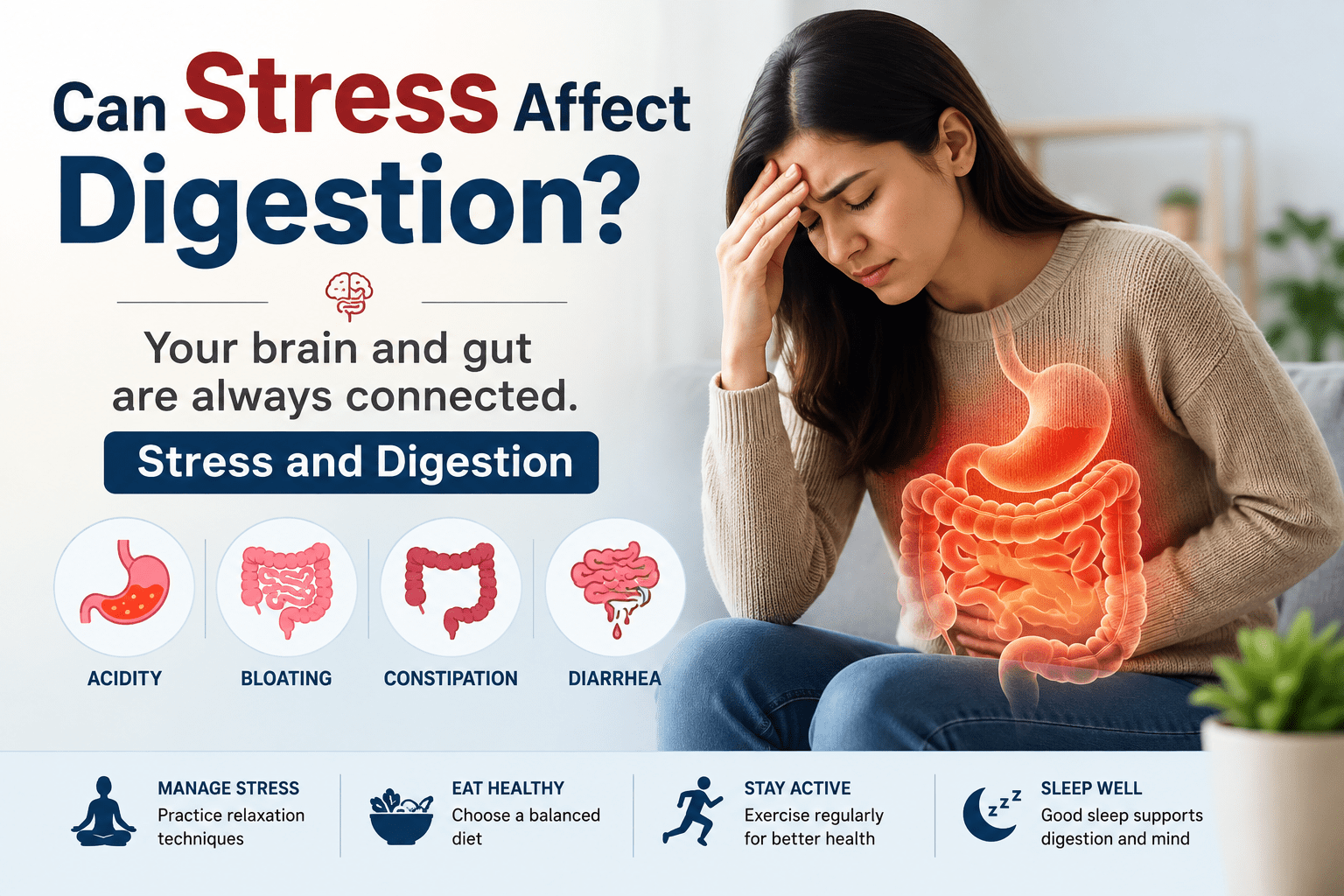
Have you ever experienced “butterflies” in your stomach before an important presentation? Or noticed stomach pain, diarrhea, or nausea during stressful situations? These aren’t just coincidences. Your brain and digestive system are closely linked through what’s known as the gut-brain axis.
Stress doesn’t just affect your mind—it can have a significant impact on your digestive health. While stress itself doesn’t directly cause conditions like stomach ulcers or inflammatory bowel disease, it can trigger, worsen, or prolong many digestive symptoms and make existing gastrointestinal conditions more difficult to manage.
In today’s fast-paced world, chronic stress has become increasingly common, making digestive complaints such as acidity, bloating, abdominal pain, constipation, and diarrhea more frequent than ever.
In this comprehensive guide, we’ll explore how stress affects your digestive system, the symptoms to watch for, common digestive conditions linked to stress, and practical ways to protect both your mental well-being and gut health.
What Is the Gut-Brain Connection?
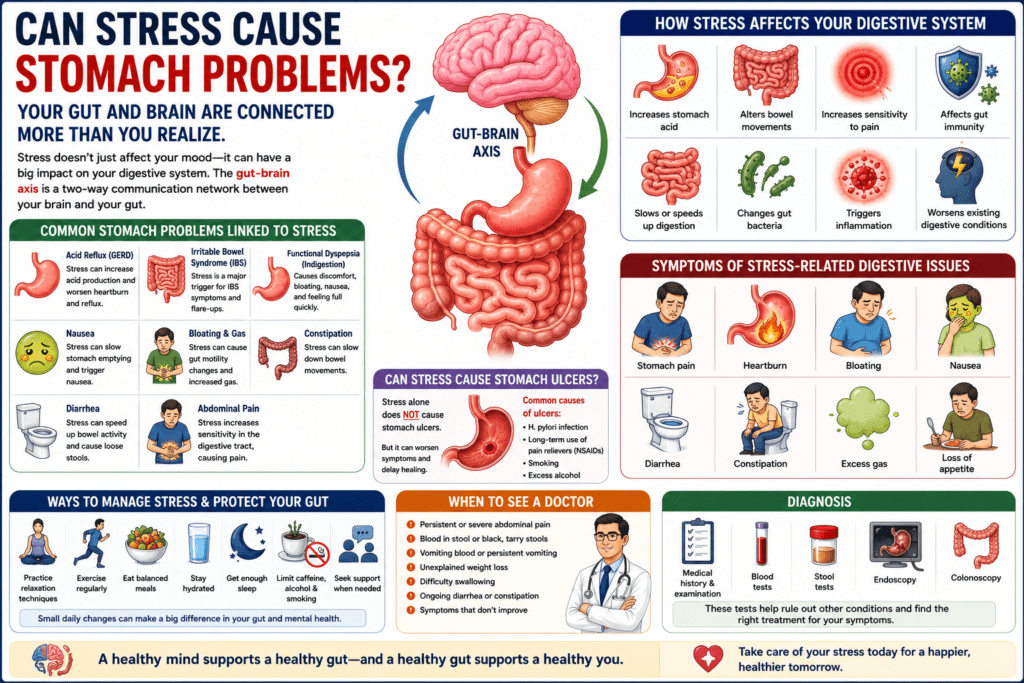
The gut-brain connection, also known as the gut-brain axis, is a two-way communication network between your brain and digestive system.
This communication occurs through:
- The vagus nerve
- Hormones
- The immune system
- Gut bacteria (gut microbiome)
- Chemical messengers called neurotransmitters
Interestingly, about 90% of the body’s serotonin, a neurotransmitter involved in mood regulation, is produced in the gut. This highlights how closely digestive health and mental health are interconnected.
When you’re stressed, your brain sends signals that can alter the way your digestive system functions.
How Does Stress Affect Your Digestive System?
Stress activates the body’s “fight-or-flight” response, releasing hormones such as cortisol and adrenaline.
These hormones temporarily shift the body’s focus away from digestion to help respond to perceived danger.
As a result, stress can:
- Slow or speed up digestion
- Increase stomach acid production
- Affect bowel movements
- Alter gut bacteria
- Increase sensitivity to pain
- Trigger inflammation
- Cause muscle spasms in the digestive tract
These changes can lead to various digestive symptoms.
Common Stomach Problems Caused or Worsened by Stress
1. Acid Reflux (GERD)
Stress may increase the perception of heartburn and encourage behaviors—such as overeating or consuming trigger foods—that worsen reflux symptoms.
Common symptoms include:
- Burning chest pain
- Sour taste in the mouth
- Frequent burping
- Difficulty swallowing
2. Functional Dyspepsia (Indigestion)
Stress can contribute to persistent indigestion, causing:
- Upper abdominal discomfort
- Feeling full quickly
- Bloating
- Nausea
3. Irritable Bowel Syndrome (IBS)
IBS is strongly associated with the gut-brain connection.
Stress often triggers or worsens:
- Abdominal cramps
- Constipation
- Diarrhea
- Gas
- Bloating
Many people notice flare-ups during emotionally challenging periods.
4. Nausea
Stress can slow stomach emptying and increase sensitivity, leading to nausea even without an underlying stomach infection.
5. Bloating
Stress may affect gut motility and alter the gut microbiome, resulting in excessive gas and bloating.
6. Constipation
Chronic stress may slow bowel movements in some people, causing constipation and discomfort.
7. Diarrhea
Others experience the opposite effect, with stress accelerating bowel activity and causing loose stools or urgency.
8. Abdominal Pain
Stress can heighten the sensitivity of the digestive tract, making normal intestinal activity feel painful.
Can Stress Cause Stomach Ulcers?
This is a common misconception.
Stress alone does not cause stomach ulcers.
Most stomach ulcers are caused by:
- Helicobacter pylori (H. pylori) infection
- Long-term use of nonsteroidal anti-inflammatory drugs (NSAIDs), such as ibuprofen or naproxen
However, stress can worsen ulcer symptoms, delay healing, and increase discomfort.
Can Stress Affect Your Gut Bacteria?
Yes.
The digestive tract contains trillions of beneficial bacteria that support:
- Digestion
- Immunity
- Vitamin production
- Protection against harmful microbes
Chronic stress can disrupt the balance of these bacteria, a condition known as dysbiosis.
An unhealthy gut microbiome may contribute to:
- Increased bloating
- Digestive discomfort
- IBS symptoms
- Reduced immune function
Symptoms of Stress-Related Digestive Problems
Stress-related digestive issues may include:
- Stomach pain
- Heartburn
- Acid reflux
- Nausea
- Bloating
- Excessive gas
- Diarrhea
- Constipation
- Loss of appetite
- Increased appetite
- Feeling full quickly
- Frequent burping
- Indigestion
Symptoms often worsen during periods of emotional stress or anxiety.
Who Is More Likely to Experience Stress-Related Digestive Issues?
You may be at higher risk if you:
- Have anxiety or depression
- Work in a high-pressure environment
- Experience poor sleep
- Have IBS or functional dyspepsia
- Eat irregular meals
- Consume excessive caffeine or alcohol
- Smoke
- Live with chronic stress
How Are Stress-Related Stomach Problems Diagnosed?
There is no single test to diagnose stress-related digestive disorders.
Your doctor will first rule out other medical conditions through:
Medical History
A detailed discussion of symptoms, stress levels, and lifestyle.
Physical Examination
To identify any concerning findings.
Blood Tests
To evaluate for anemia, infection, or inflammation.
Stool Tests
If infection or bleeding is suspected.
Upper GI Endoscopy
Recommended if symptoms include:
- Persistent pain
- Difficulty swallowing
- Vomiting blood
- Black stools
- Unexplained weight loss
Colonoscopy
May be advised if there is rectal bleeding, persistent changes in bowel habits, or other concerning symptoms.
How Can You Reduce Stress-Related Digestive Problems?
Managing stress can significantly improve digestive symptoms.
Practice Relaxation Techniques
Consider:
- Deep breathing exercises
- Meditation
- Progressive muscle relaxation
- Mindfulness
Even 10–15 minutes a day can help.
Exercise Regularly
Moderate physical activity improves both mental well-being and bowel function.
Aim for at least 150 minutes of exercise each week.
Eat Regular, Balanced Meals
Choose:
- Whole grains
- Fruits
- Vegetables
- Lean proteins
- Healthy fats
Avoid skipping meals and overeating.
Limit Trigger Foods
Some people find symptoms worsen with:
- Spicy foods
- Fried foods
- Excess caffeine
- Alcohol
- Carbonated drinks
Keeping a food diary can help identify personal triggers.
Stay Hydrated
Drinking enough water supports healthy digestion and bowel movements.
Prioritize Sleep
Adults generally need 7–9 hours of quality sleep each night.
Poor sleep can worsen both stress and digestive symptoms.
Consider Professional Support
If stress, anxiety, or depression is affecting your daily life, speaking with a mental health professional may be beneficial.
When Should You See a Doctor?
Stress-related digestive symptoms should not be self-diagnosed.
Consult a gastroenterologist if you experience:
- Persistent abdominal pain
- Blood in stool
- Black, tarry stools
- Vomiting blood
- Difficulty swallowing
- Unexplained weight loss
- Persistent vomiting
- Ongoing diarrhea or constipation
- Symptoms that do not improve with lifestyle changes
These symptoms may indicate an underlying medical condition that requires evaluation.
Common Myths About Stress and Digestion
Myth: Stress always causes stomach ulcers.
Fact: Most ulcers are caused by H. pylori infection or NSAID use, not stress alone.
Myth: Digestive symptoms are “just in your head.”
Fact: Stress produces real physical changes in the digestive system through the gut-brain axis.
Myth: Everyone reacts to stress the same way.
Fact: Some people develop diarrhea, while others experience constipation, nausea, or bloating.
Myth: Medication alone is enough.
Fact: Managing stress, improving sleep, eating a healthy diet, and regular exercise often play an important role alongside medical treatment.
Frequently Asked Questions
Can anxiety cause stomach pain?
Yes. Anxiety can increase intestinal sensitivity and alter digestive function, leading to abdominal discomfort.
Can stress cause diarrhea?
Yes. Stress can speed up intestinal movement, causing loose stools or urgency in some people.
Does stress affect appetite?
Yes. Some people lose their appetite, while others eat more during stressful periods.
Can improving mental health improve digestion?
For many individuals, reducing stress and improving emotional well-being can help lessen digestive symptoms, especially in functional gastrointestinal disorders such as IBS.
Final Thoughts
The connection between your brain and digestive system is stronger than many people realize. Stress can influence how your stomach and intestines function, leading to symptoms such as heartburn, bloating, abdominal pain, diarrhea, constipation, and indigestion. While stress doesn’t directly cause every digestive disease, it can significantly worsen existing conditions and affect your quality of life.
The good news is that taking care of your mental health can also benefit your digestive health. Regular exercise, balanced nutrition, quality sleep, stress management techniques, and healthy daily habits can all help reduce digestive symptoms and support overall well-being.
However, it’s important not to assume that every stomach problem is caused by stress. Persistent symptoms, unexplained weight loss, blood in the stool, black stools, severe pain, or difficulty swallowing should always be evaluated by a gastroenterologist to rule out underlying medical conditions.
When your gut is trying to tell you something, listen. Caring for both your mind and your digestive system is one of the best investments you can make in your long-term health.