Introduction
Being diagnosed with Grade 2 fatty liver can raise concerns about your liver health. The good news is that fatty liver disease can often be managed, and liver fat may decrease with appropriate lifestyle changes and medical guidance. However, the right treatment depends on the underlying cause and whether inflammation or liver scarring is present.
Fatty liver occurs when excess fat accumulates in liver cells. It is commonly associated with excess body weight, insulin resistance, type 2 diabetes, high cholesterol and other metabolic conditions. Alcohol consumption and certain medications can also contribute to liver problems.
In this guide, we explain fatty liver Grade 2 symptoms, causes, health risks, treatment options, diet recommendations and recovery to help you understand the condition and take informed steps towards better liver health.
What Is Grade 2 Fatty Liver?
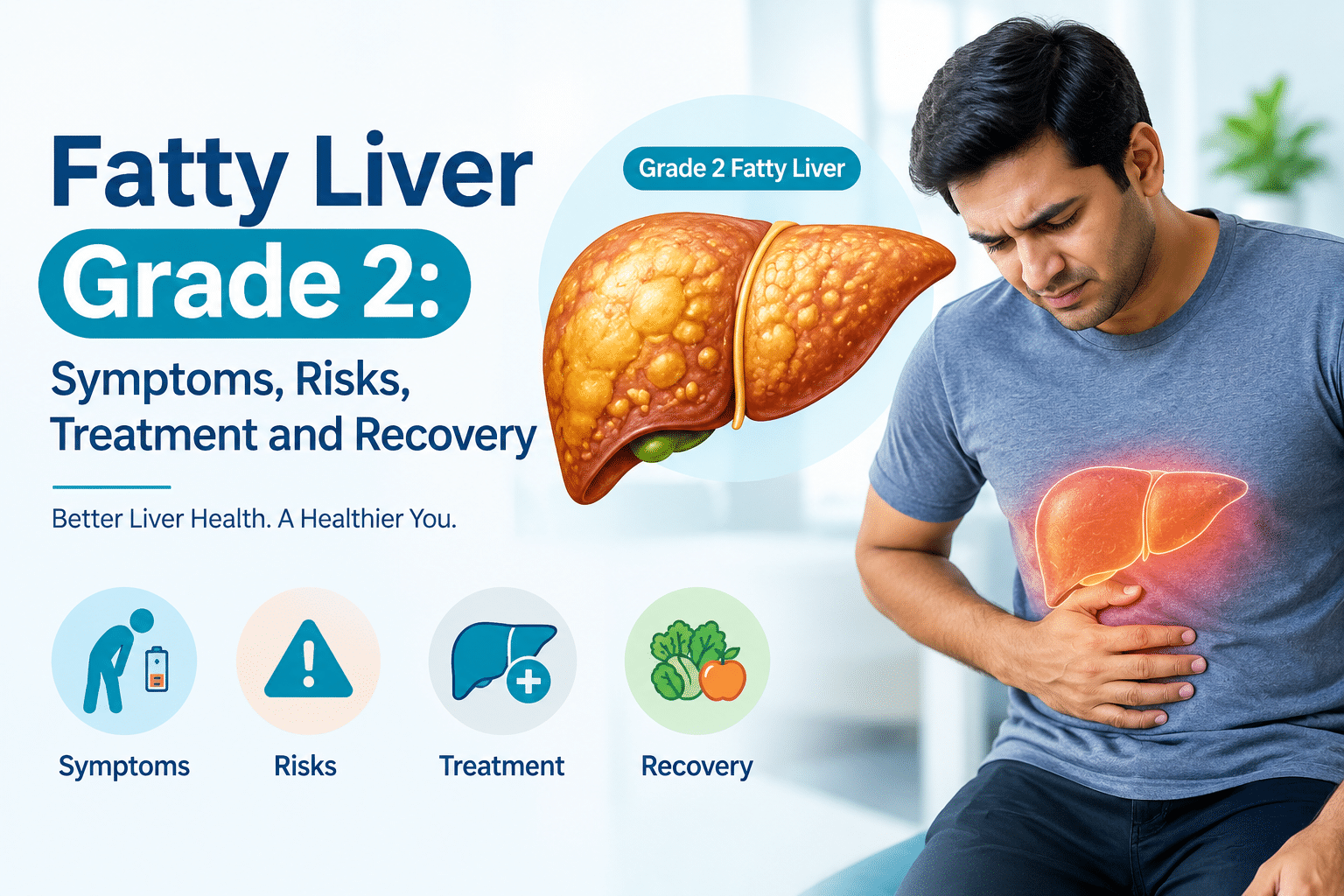
Grade 2 fatty liver generally refers to a moderate degree of fat accumulation in the liver, commonly identified through an abdominal ultrasound. It indicates more visible fat deposition than Grade 1 fatty liver.
However, the ultrasound grade does not directly measure liver inflammation or scarring. A person with Grade 2 fatty liver may have little or no liver damage, while another person may require further evaluation for a more serious condition.
Metabolic dysfunction-associated steatotic liver disease (MASLD), previously called non-alcoholic fatty liver disease (NAFLD), is a common cause of fatty liver. When fat accumulation is associated with inflammation and liver cell damage, the condition is called metabolic dysfunction-associated steatohepatitis (MASH).
A gastroenterologist or liver specialist can recommend appropriate tests to understand the severity of the condition and identify contributing factors.
Common Symptoms of Grade 2 Fatty Liver
Fatty liver disease often develops without noticeable symptoms. Many people discover it during a routine health checkup, abdominal ultrasound or blood test.
When symptoms occur, they may include:
- Fatigue: Feeling unusually tired or low on energy.
- Upper-right abdominal discomfort: Mild pain, pressure or discomfort beneath the right ribs.
- General weakness: Feeling unwell without an obvious explanation.
- Abdominal fullness: A sensation of heaviness or discomfort in some cases.
These symptoms are not specific to fatty liver and can occur with other health conditions. Some people with fatty liver have no symptoms even when the disease becomes more advanced.
Yellowing of the eyes or skin, swelling of the abdomen or legs, confusion, or vomiting blood requires urgent medical assessment because these can indicate serious liver disease or another emergency.
What Causes Grade 2 Fatty Liver?
Several factors can contribute to moderate fat accumulation in the liver.
1. Excess Body Weight
Being overweight, particularly with excess fat around the waist, increases the risk of metabolic fatty liver disease.
2. Type 2 Diabetes and Insulin Resistance
Insulin resistance affects how the body processes glucose and fat. It can increase fat accumulation in the liver and the risk of more advanced disease.
3. High Cholesterol and Triglycerides
Abnormal blood lipid levels are commonly associated with fatty liver and other metabolic health concerns.
4. Unhealthy Dietary Habits
Frequent consumption of sugary drinks, highly processed foods and excess calories can contribute to weight gain and metabolic problems.
5. Physical Inactivity
A sedentary lifestyle can increase the risk of insulin resistance and excess liver fat.
Alcohol consumption and certain medicines can also contribute to fatty liver. Your doctor can assess which factors may be relevant to your situation.
Is Grade 2 Fatty Liver Dangerous?
Grade 2 fatty liver is not automatically a sign of severe liver damage, but it should not be ignored.
In some people, fat accumulation remains relatively stable. In others, the condition can progress to inflammation, liver fibrosis (scarring) and, in advanced cases, cirrhosis. The risk depends on several factors, including diabetes, obesity, alcohol use, existing liver disease and the degree of fibrosis.
Fatty liver is also associated with an increased risk of cardiovascular disease and other metabolic conditions.
An ultrasound alone cannot reliably determine whether significant liver scarring is present. Depending on your medical history and test results, your doctor may recommend liver blood tests, fibrosis risk assessment or specialised imaging such as FibroScan.
Early evaluation and consistent lifestyle changes can help reduce the risk of complications.
Best Treatment for Grade 2 Fatty Liver
Treatment focuses on reducing excess liver fat, addressing underlying health conditions and preventing further liver damage.
1. Achieve a Healthy Weight Gradually
If you are overweight, gradual weight loss can improve liver health. Losing around 3–5% of body weight may reduce liver fat, while greater weight loss may be needed to improve inflammation and fibrosis.
Avoid crash diets and rapid weight-loss programmes, which may be harmful.
2. Follow a Balanced Diet
Choose vegetables, whole grains, pulses, beans, fruits in appropriate portions, nuts and healthy sources of protein. Prefer unsaturated fats over foods rich in saturated and trans fats.
Reduce sugary beverages, sweets, deep-fried foods and highly processed snacks. Portion control is also important.
3. Exercise Regularly
Aim for at least 150 minutes of moderate physical activity each week, if appropriate for your health. Brisk walking, cycling and swimming are useful options. Start gradually if you are not physically active.
Exercise can benefit liver health even when significant weight loss does not occur.
4. Control Diabetes, Cholesterol and Blood Pressure
Work with your healthcare provider to manage blood sugar, cholesterol and blood pressure. These conditions can influence both liver health and long-term cardiovascular risk.
5. Avoid Alcohol and Unsupervised Supplements
Discuss alcohol use with your doctor; avoiding alcohol is the safest approach while your liver condition is being evaluated. Do not take liver detox products, herbal remedies or supplements without medical advice, as some may cause liver injury.
There is no single medicine or supplement that is appropriate for everyone with Grade 2 fatty liver. Your doctor can determine whether medication or specialist treatment is necessary.
Grade 2 Fatty Liver Diet: Foods to Eat and Avoid
Foods to include:
- Green leafy vegetables and other non-starchy vegetables
- Whole grains such as oats and whole-wheat options
- Dal, beans and other pulses
- Fish, eggs or other suitable protein sources
- Nuts and seeds in moderate portions
- Whole fruits rather than fruit juice
Foods to limit:
- Sugary drinks and packaged sweetened beverages
- Sweets, cakes and biscuits consumed frequently
- Deep-fried foods and fast food
- Processed meats and excess saturated fat
- Large portions of refined carbohydrates
- Alcohol, particularly while the liver condition is being assessed
A sustainable eating pattern is generally more helpful than following an extreme diet. A dietitian can personalise your plan based on your weight, diabetes status, food preferences and other medical needs.
How Long Does Grade 2 Fatty Liver Take to Recover?
Recovery time varies from person to person. Some people may show improvement in liver fat over several months after making consistent lifestyle changes, while others require longer-term management.
Your progress depends on the underlying cause, weight changes, physical activity, blood sugar control and whether inflammation or fibrosis is present.
Your doctor may monitor progress through liver blood tests, metabolic measurements and repeat imaging when appropriate. Liver enzyme levels alone cannot confirm that all liver fat or scarring has resolved.
Consistency is essential. Continue your treatment plan and follow-up appointments even if you feel healthy.
When Should You Consult a Gastroenterologist?
Consult a gastroenterologist or liver specialist if your ultrasound shows Grade 2 fatty liver, your liver enzymes are persistently elevated, or you have diabetes, obesity or abnormal cholesterol levels.
A specialist can review your reports, assess other possible causes of liver disease and recommend an appropriate monitoring and treatment plan.
If you experience jaundice, significant abdominal swelling, confusion or vomiting blood, seek urgent medical care.
Conclusion
Grade 2 fatty liver requires attention, but it does not automatically mean permanent liver damage. A balanced diet, regular exercise, gradual weight management and control of diabetes and cholesterol can help improve liver health. Medical evaluation is important to determine whether inflammation or scarring is present and to guide follow-up.
If you have been diagnosed with fatty liver, consult a qualified gastroenterologist for personalised advice rather than relying on home remedies or unproven liver detox products.
Take the next step towards better liver health: Visit Dr. Rahul Gastro & Liver Care to learn more about digestive and liver health services.
Website: https://drrahulgastroliver.com/
Medical disclaimer: This article is for educational purposes only and does not replace professional medical advice, diagnosis or treatment. Individual evaluation is necessary to determine the severity and appropriate management of fatty liver disease.