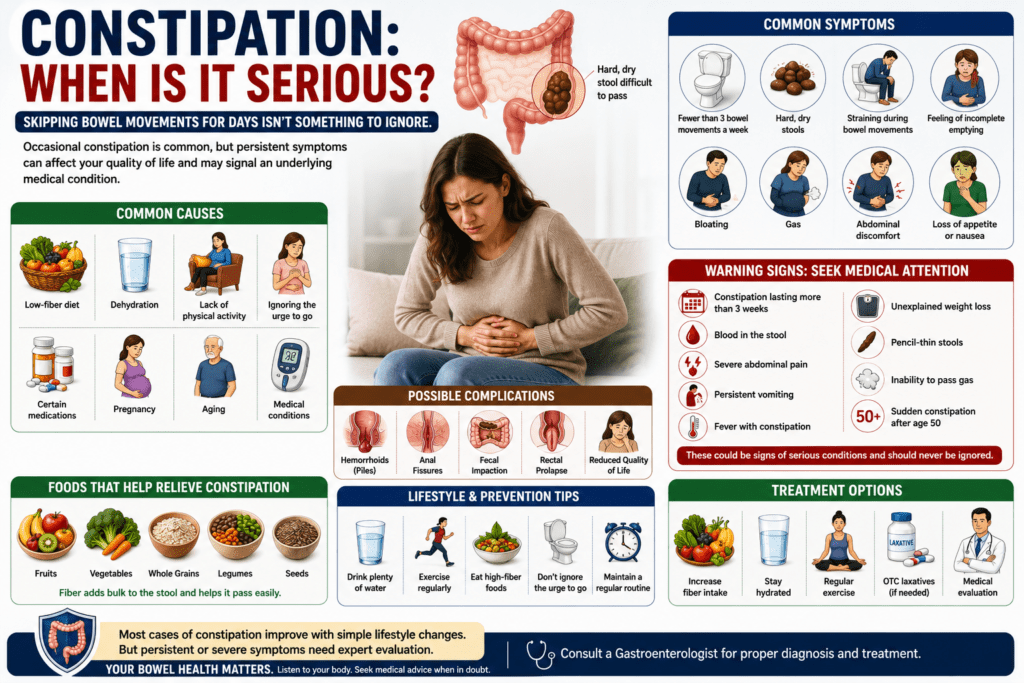
Constipation: When Is It Serious?
Skipping bowel movements for days isn’t something to ignore.
Constipation is one of the most common digestive complaints, affecting people of all ages. Almost everyone experiences constipation occasionally due to travel, dietary changes, dehydration, stress, or illness. While occasional constipation is usually harmless and improves with simple lifestyle changes, persistent constipation can sometimes signal a more serious medical condition.
Many people believe that not having a bowel movement every day automatically means they are constipated. In reality, bowel habits vary from person to person. Some healthy individuals pass stool three times a day, while others may have bowel movements only three times a week and still be completely healthy.
The real concern arises when there is a noticeable change in your usual bowel pattern, especially if passing stool becomes difficult, painful, or infrequent. Chronic constipation not only affects your quality of life but can also lead to complications such as hemorrhoids, anal fissures, fecal impaction, and, in rare cases, may be an early sign of colon cancer or other digestive disorders.
Understanding the causes, symptoms, and warning signs of constipation can help you seek timely treatment and protect your digestive health.
What Is Constipation?
Constipation refers to infrequent or difficult bowel movements. Doctors generally define constipation as:
- Fewer than three bowel movements per week
- Hard, dry, or lumpy stools
- Difficulty or pain while passing stool
- Excessive straining
- Feeling that the bowel does not empty completely
- A sensation of blockage during bowel movements
Constipation can be:
- Acute: Lasting for a few days or weeks
- Chronic: Lasting for more than three months or recurring frequently
How Does the Digestive System Normally Work?
After food is digested, waste enters the large intestine (colon). The colon absorbs water and electrolytes while forming stool.
If stool moves too slowly through the colon, too much water is absorbed, making it hard, dry, and difficult to pass.
Healthy bowel movements depend on:
- Adequate fiber intake
- Proper hydration
- Healthy intestinal muscles
- Normal nerve function
- Regular physical activity
Disruption in any of these factors can lead to constipation.
Common Causes of Constipation
1. Low-Fiber Diet
Fiber adds bulk and softness to stool, making it easier to pass.
Low-fiber diets often include:
- White bread
- Refined flour products
- Fast food
- Processed snacks
- Sugary foods
People who consume fewer fruits, vegetables, legumes, and whole grains are more likely to develop constipation.
2. Dehydration
Water keeps stool soft.
When the body doesn’t receive enough fluids, the colon absorbs extra water from waste, resulting in hard stools that are difficult to pass.
3. Lack of Physical Activity
Physical movement stimulates intestinal contractions.
A sedentary lifestyle slows bowel movements, increasing the risk of constipation.
4. Ignoring the Urge to Pass Stool
Delaying bowel movements repeatedly allows stool to remain in the colon longer, making it harder and drier.
5. Certain Medications
Several medications may contribute to constipation, including:
- Iron supplements
- Calcium supplements
- Opioid pain medications
- Some antidepressants
- Antacids containing calcium or aluminum
- Certain blood pressure medications
Always consult your doctor before changing prescribed medications.
6. Pregnancy
Hormonal changes and pressure from the growing uterus can slow intestinal movement, making constipation common during pregnancy.
7. Aging
Older adults are more prone to constipation because of:
- Reduced physical activity
- Lower fluid intake
- Multiple medications
- Slower digestive function
8. Medical Conditions
Constipation may also result from:
- Irritable Bowel Syndrome (IBS)
- Diabetes
- Hypothyroidism
- Parkinson’s disease
- Multiple sclerosis
- Colon cancer
- Colorectal strictures
Symptoms of Constipation
Besides infrequent bowel movements, constipation may cause:
- Hard stools
- Pain while passing stool
- Excessive straining
- Feeling of incomplete emptying
- Bloating
- Abdominal discomfort
- Gas
- Reduced appetite
- Nausea in severe cases
When Is Constipation Serious?
Occasional constipation usually improves within a few days.
However, you should seek medical attention if you experience:
Constipation Lasting More Than Three Weeks
Persistent constipation may require evaluation for an underlying medical condition.
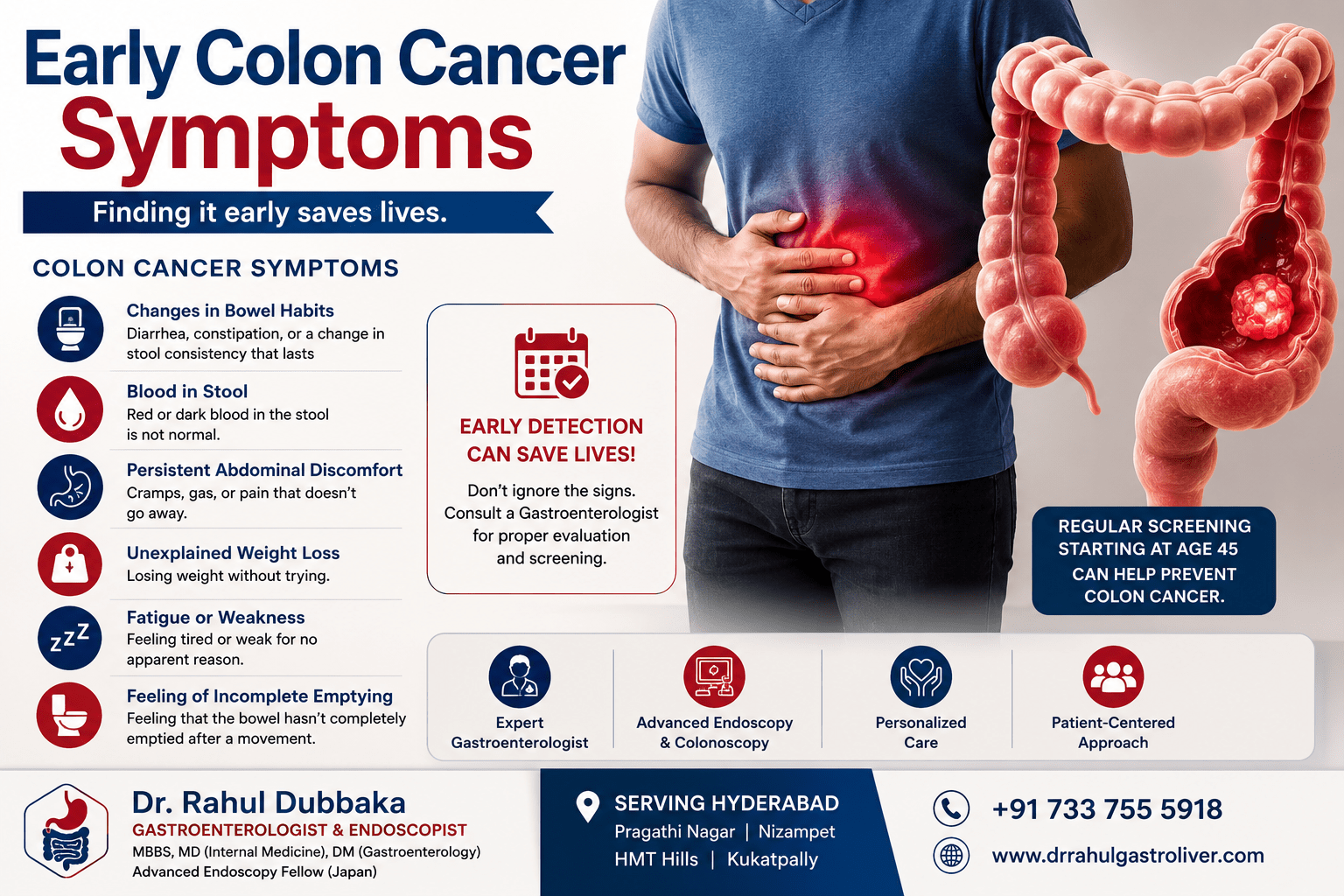
Blood in the Stool
Bright red blood or dark stools should never be ignored.
It may indicate hemorrhoids, fissures, inflammatory bowel disease, or colorectal cancer.
Severe Abdominal Pain
Severe or worsening pain could suggest bowel obstruction or another emergency.
Persistent Vomiting
Vomiting with constipation may indicate intestinal blockage and requires urgent medical care.
Fever
Constipation accompanied by fever may suggest infection or inflammation.
Sudden Constipation After Age 50
A new change in bowel habits later in life should always be evaluated.
Unexplained Weight Loss
Weight loss combined with constipation may indicate an underlying digestive disease or cancer.
Pencil-Thin Stools
Persistent narrow stools may suggest narrowing of the colon and should be investigated.
Inability to Pass Gas
If you cannot pass stool or gas and develop abdominal swelling, seek emergency medical care.
Complications of Untreated Constipation
Ignoring chronic constipation may lead to:
Hemorrhoids (Piles)
Repeated straining increases pressure on veins around the anus.
Symptoms include:
- Bleeding
- Pain
- Swelling
- Itching
Anal Fissures
Hard stools can tear the anal lining, causing pain and bleeding.
Fecal Impaction
Extremely hard stool becomes stuck in the rectum and may require medical removal.
Rectal Prolapse
Long-term straining may cause the rectum to protrude outside the anus.
Reduced Quality of Life
Chronic constipation can interfere with work, sleep, travel, appetite, and emotional well-being.
How Is Constipation Diagnosed?
A gastroenterologist begins with a detailed medical history and physical examination.
Additional tests may include:
Blood Tests
To detect:
- Diabetes
- Thyroid disorders
- Electrolyte abnormalities
Stool Tests
Used when infection or bleeding is suspected.
Colonoscopy
Recommended if you have:
- Blood in stool
- Persistent constipation
- Family history of colorectal cancer
- Unexplained weight loss
- Symptoms beginning after age 45
A colonoscopy helps identify:
- Polyps
- Colon cancer
- Inflammation
- Narrowing of the colon
Imaging Tests
X-rays or CT scans may be performed if bowel obstruction is suspected.
Specialized Motility Tests
For chronic constipation, tests such as anorectal manometry and colonic transit studies help evaluate bowel muscle and nerve function.
Treatment Options
Treatment depends on the underlying cause.
Increase Fiber Intake
Adults should consume 25–35 grams of fiber daily.
Excellent sources include:
- Apples
- Pears
- Papaya
- Oats
- Brown rice
- Whole wheat
- Lentils
- Chickpeas
- Vegetables
- Flaxseeds
Increase fiber gradually to avoid bloating.
Drink More Water
Aim for adequate hydration throughout the day unless your doctor advises fluid restriction.
Exercise Daily
Walking, yoga, swimming, and cycling stimulate bowel movement.
Aim for at least 30 minutes of exercise most days of the week.
Develop Regular Toilet Habits
Go to the bathroom at the same time every day, especially after breakfast when the colon is naturally active.
Never ignore the urge to pass stool.
Medications
Your doctor may recommend:
- Bulk-forming laxatives
- Stool softeners
- Osmotic laxatives
- Stimulant laxatives (short-term)
- Prescription medications for chronic constipation
Avoid frequent self-medication.
Treat Underlying Conditions
Managing thyroid disorders, diabetes, IBS, or medication-related constipation often improves symptoms.
Best Foods to Relieve Constipation
Include:
- Prunes
- Kiwi
- Papaya
- Apples
- Pears
- Spinach
- Broccoli
- Oats
- Brown rice
- Lentils
- Yogurt (if tolerated)
- Chia seeds
- Flaxseeds
Foods That Can Worsen Constipation
Limit:
- Fast food
- Fried foods
- Cheese (in excess)
- White bread
- Cakes
- Pastries
- Processed snacks
- Sugary beverages
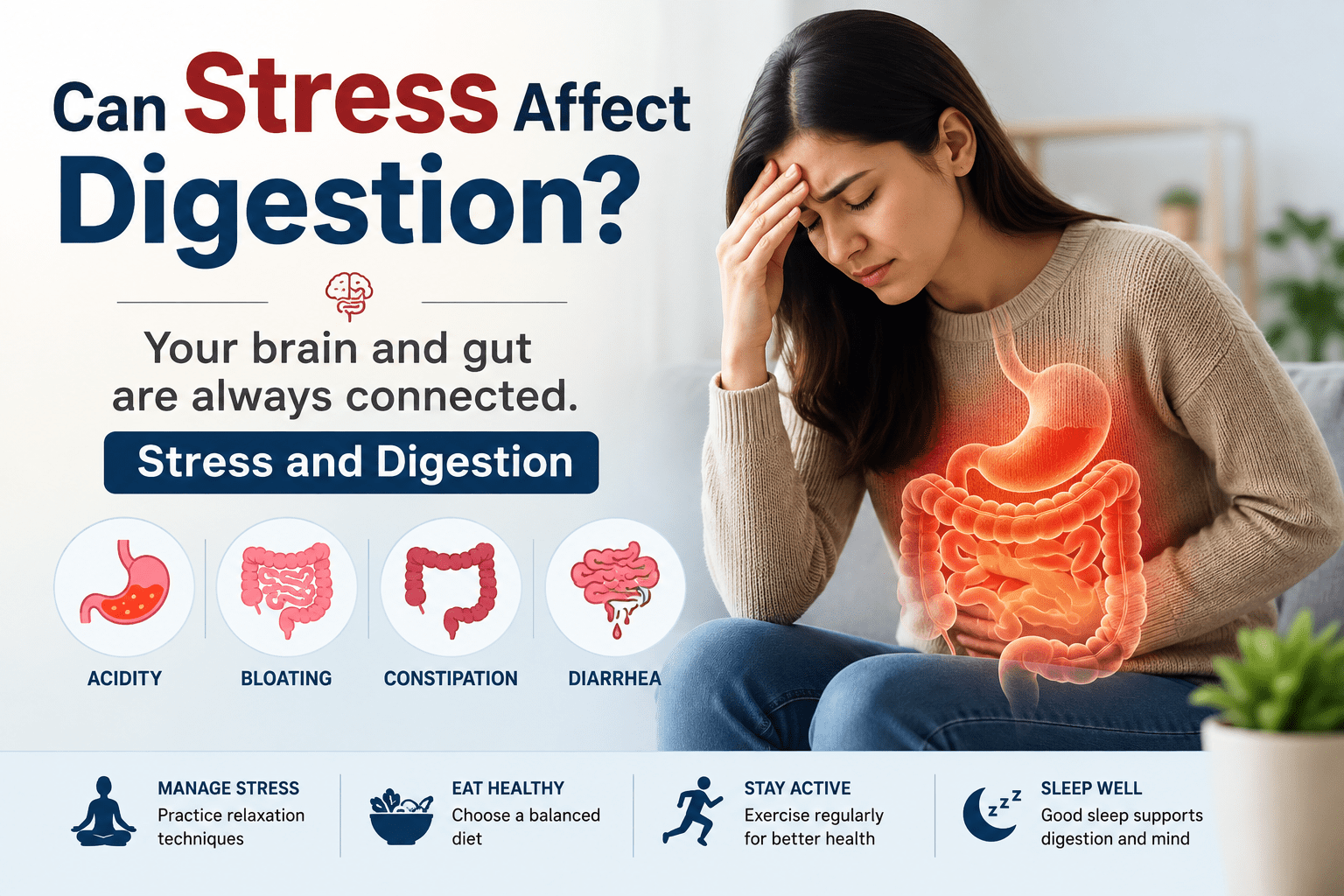
Can Stress Cause Constipation?
Yes.
The gut and brain communicate closely through the gut-brain axis.
Stress can:
- Slow intestinal movement
- Alter gut bacteria
- Worsen IBS
- Increase constipation
Stress management techniques include:
- Meditation
- Yoga
- Deep breathing
- Regular exercise
- Adequate sleep
Can Constipation Be Prevented?
Yes.
Simple daily habits can significantly reduce your risk:
- Eat a high-fiber diet
- Drink enough water
- Stay physically active
- Respond promptly to bowel urges
- Limit processed foods
- Maintain a regular daily routine
Common Myths About Constipation
Myth: Everyone should have a bowel movement every day.
Fact: Healthy bowel habits vary. Three bowel movements a week may be normal for some people.
Myth: Laxatives are always safe.
Fact: Long-term use without medical supervision may cause dependency or electrolyte imbalance.
Myth: Constipation is never serious.
Fact: Persistent constipation can indicate underlying digestive diseases, including colorectal cancer.
Myth: Drinking coffee cures constipation.
Fact: Coffee may stimulate bowel movements in some individuals but is not a reliable treatment.
Frequently Asked Questions
How long is too long without a bowel movement?
If you haven’t had a bowel movement for more than three days and have pain, bloating, or vomiting, seek medical advice.
Can constipation cause stomach pain?
Yes. Hard stools and trapped gas commonly cause abdominal discomfort.
Is constipation common in older adults?
Yes. Aging, medications, and reduced activity all increase the risk.
Should I worry about blood in my stool?
Yes. Blood in the stool should always be evaluated by a doctor.
When Should You See a Gastroenterologist?
Schedule an appointment if you have:
- Constipation lasting longer than three weeks
- Blood in the stool
- Severe abdominal pain
- Unexplained weight loss
- Persistent bloating
- Recurrent constipation despite lifestyle changes
- Family history of colorectal cancer
- Difficulty passing stool affecting daily life
Early evaluation can identify the cause and prevent complications.
Final Thoughts
Constipation is common, but persistent constipation is not something you should ignore. While many cases improve with a fiber-rich diet, proper hydration, regular exercise, and healthy bowel habits, constipation that lasts for weeks or is associated with blood in the stool, severe pain, unexplained weight loss, vomiting, or fever requires prompt medical evaluation.
Your bowel habits are an important indicator of your digestive health. Paying attention to changes and seeking timely medical advice can help detect underlying conditions early and prevent complications such as hemorrhoids, anal fissures, fecal impaction, or colorectal disease.
If you’re skipping bowel movements for days, struggling with chronic constipation, or noticing warning signs, consult a gastroenterologist. Early diagnosis and the right treatment can restore healthy bowel function and improve your overall well-being.