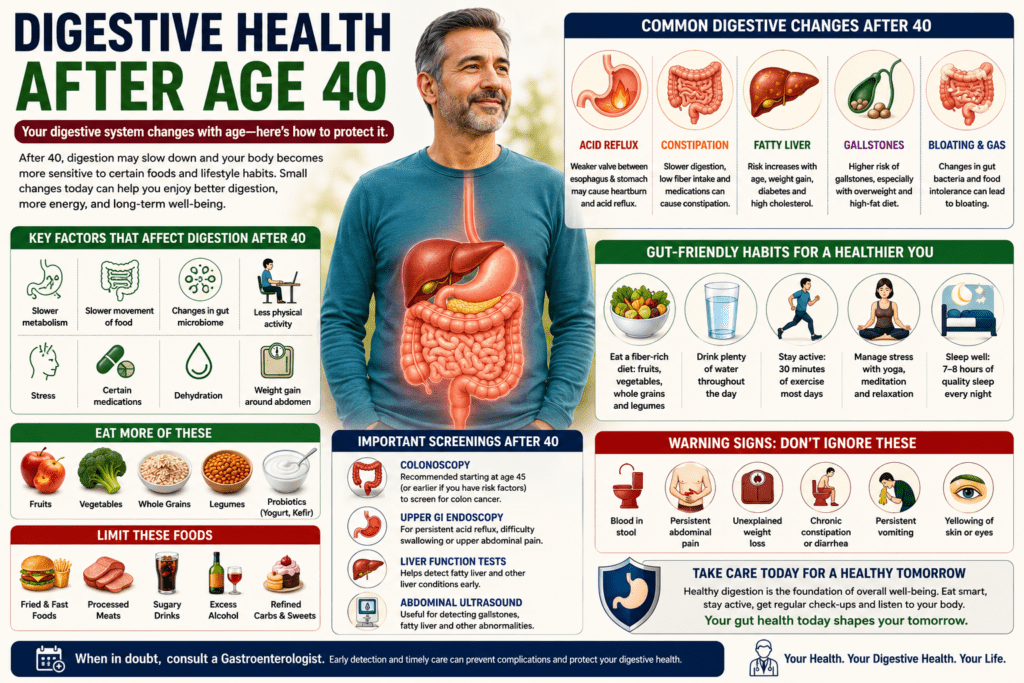
Digestive Health After Age 40: Your Digestive System Changes with Age—Here’s How to Protect It
Turning 40 is an important milestone in life. While many people focus on maintaining heart health, bone strength, or fitness, digestive health often receives much less attention. Yet, your digestive system undergoes several natural changes as you age, affecting how your body digests food, absorbs nutrients, and eliminates waste.
After the age of 40, many people begin to notice symptoms such as frequent acidity, bloating, constipation, indigestion, or food intolerance. Although these changes are common, they should never be dismissed as an unavoidable part of aging. Many digestive problems can be prevented—or managed effectively—through healthy lifestyle choices, routine screenings, and timely medical care.
Maintaining good digestive health is about more than avoiding stomach discomfort. A healthy digestive system supports your immune function, nutrient absorption, metabolism, energy levels, and overall quality of life.
In this comprehensive guide, you’ll learn how the digestive system changes after 40, common digestive conditions, warning signs to watch for, dietary recommendations, lifestyle habits, and practical ways to keep your gut healthy for years to come.
Why Does Digestion Change After Age 40?
Aging affects every organ in the body, including the digestive tract. These changes usually happen gradually and may not be noticeable at first.
Some common age-related changes include:
- Slower metabolism
- Reduced digestive enzyme production
- Slower movement of food through the intestines
- Changes in gut bacteria (gut microbiome)
- Reduced muscle tone in the digestive tract
- Increased risk of chronic medical conditions
- Greater use of medications that may affect digestion
These factors can make digestion less efficient and increase the likelihood of digestive symptoms.
Common Digestive Problems After Age 40
1. Acid Reflux (GERD)
Heartburn and acid reflux become more common with age due to weakening of the lower esophageal sphincter and slower stomach emptying.
Symptoms include:
- Burning sensation in the chest
- Sour taste in the mouth
- Regurgitation
- Chronic cough
- Hoarseness
Ignoring persistent reflux may increase the risk of esophagitis or Barrett’s esophagus.
2. Constipation
Constipation is one of the most common digestive complaints after 40.
Contributing factors include:
- Lower fiber intake
- Reduced physical activity
- Dehydration
- Certain medications
- Hormonal changes
Increasing fiber, drinking enough water, and exercising regularly often improve bowel function.
3. Bloating and Gas
Changes in digestion and gut bacteria may lead to excessive gas and abdominal bloating.
Common triggers include:
- Carbonated beverages
- Beans
- Certain vegetables
- Dairy products (in lactose intolerance)
- Overeating
Persistent bloating should be evaluated by a doctor.
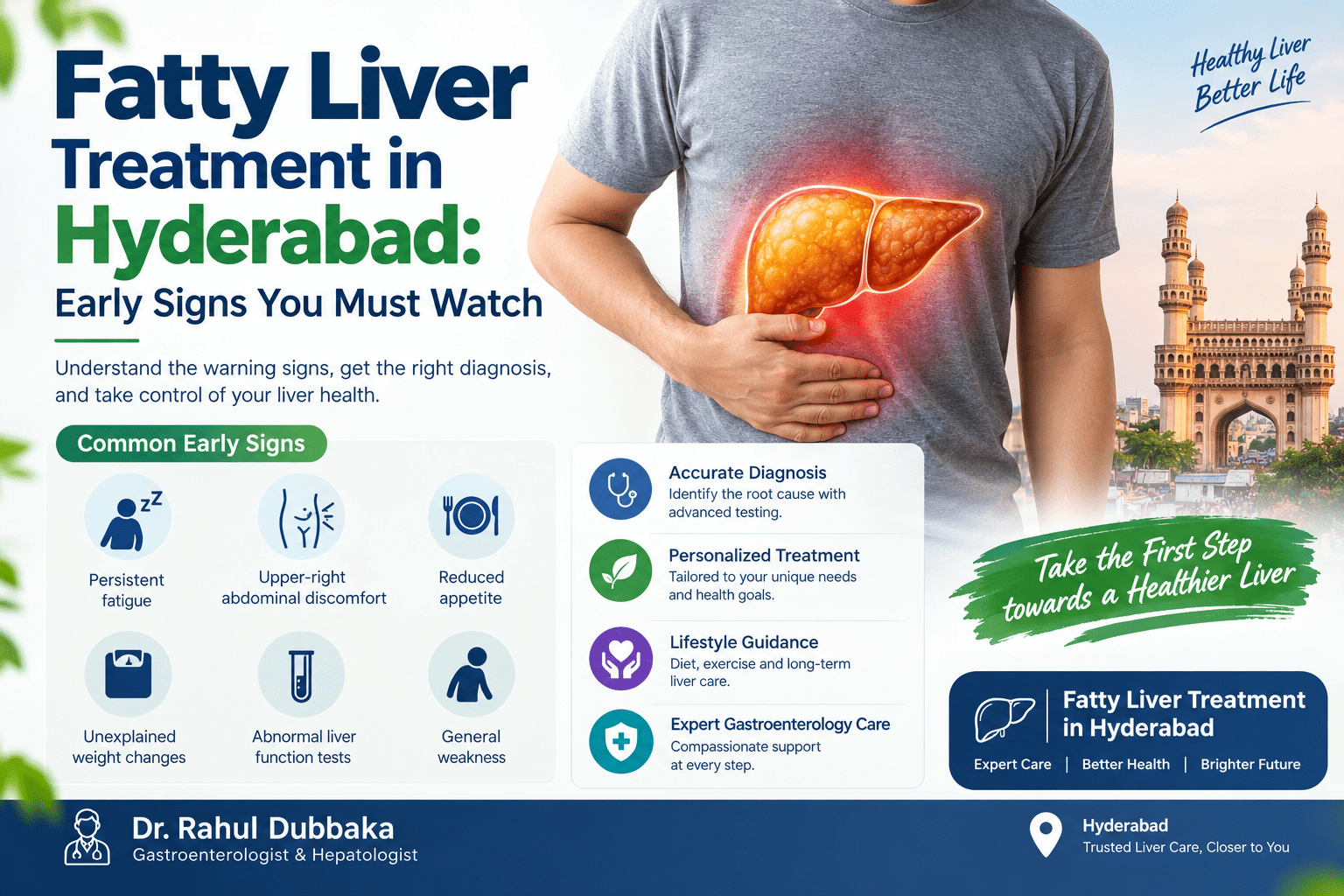
4. Fatty Liver Disease
Non-alcoholic fatty liver disease (NAFLD) becomes increasingly common after 40, particularly in people with:
- Obesity
- Diabetes
- High cholesterol
- High blood pressure
Early fatty liver is often reversible with lifestyle changes.
5. Gallstones
The risk of gallstones increases with age, especially among women and individuals who are overweight.
Symptoms may include:
- Severe pain in the upper right abdomen
- Nausea
- Vomiting
- Pain after fatty meals
6. Diverticular Disease
Small pouches called diverticula can form in the colon over time.
While many people have no symptoms, complications may include:
- Abdominal pain
- Fever
- Constipation
- Infection (diverticulitis)
A high-fiber diet may help reduce the risk.
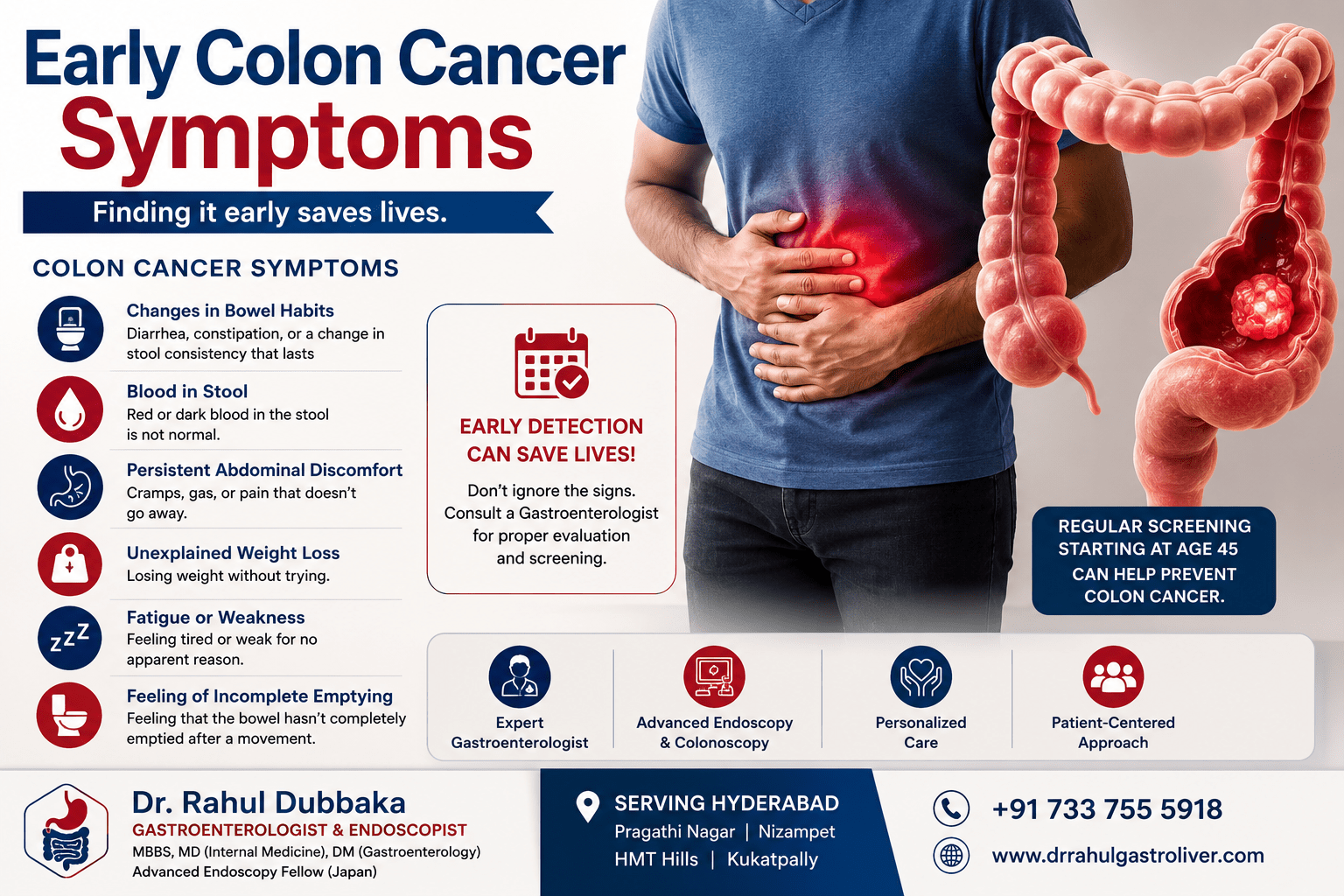
7. Colorectal Polyps and Colon Cancer
The risk of colorectal cancer increases with age.
Routine screening is recommended because polyps can often be removed before they become cancerous.
The Importance of Gut Microbiome After 40
Your intestines contain trillions of beneficial bacteria known as the gut microbiome.
These bacteria help:
- Digest food
- Produce vitamins
- Support immunity
- Reduce inflammation
- Protect against harmful bacteria
Diet, antibiotics, stress, and aging can alter the balance of these microbes.
To support a healthy microbiome:
- Eat more fiber
- Include fermented foods like yogurt and kefir (if tolerated)
- Consume fruits and vegetables daily
- Limit processed foods
Foods That Support Digestive Health
A balanced diet is one of the best ways to maintain digestive health.
Eat More:
Fruits
- Apples
- Bananas
- Papaya
- Berries
- Pears
Vegetables
- Spinach
- Broccoli
- Carrots
- Beetroot
- Cabbage
Whole Grains
- Oats
- Brown rice
- Whole wheat
- Millets
- Quinoa
Lean Proteins
- Fish
- Skinless chicken
- Lentils
- Beans
- Tofu
Healthy Fats
- Nuts
- Seeds
- Olive oil
- Avocados
Foods to Limit
Reduce intake of:
- Fried foods
- Processed meats
- Sugary drinks
- Refined carbohydrates
- Excess alcohol
- Highly processed snacks
- Excess salt
These foods can contribute to inflammation, obesity, fatty liver disease, and digestive discomfort.
Stay Hydrated
Water supports:
- Digestion
- Nutrient absorption
- Stool formation
- Prevention of constipation
Aim to drink enough water throughout the day unless your doctor recommends fluid restriction.
Exercise Supports Digestion
Regular physical activity helps:
- Improve bowel movements
- Maintain healthy body weight
- Reduce acid reflux
- Lower the risk of fatty liver disease
- Improve insulin sensitivity
Aim for at least 150 minutes of moderate exercise each week.
Maintain a Healthy Weight
Excess body weight increases the risk of:
- GERD
- Fatty liver disease
- Gallstones
- Type 2 diabetes
- Colon cancer
Even modest weight loss can improve digestive health.
Don’t Ignore Warning Signs
Seek medical attention if you experience:
- Blood in stool
- Black stools
- Persistent abdominal pain
- Difficulty swallowing
- Unexplained weight loss
- Persistent vomiting
- Jaundice
- Ongoing constipation or diarrhea
- Changes in bowel habits lasting more than a few weeks
These symptoms require prompt evaluation.
Digestive Health Screenings After 40
Preventive screening becomes increasingly important with age.
Depending on your risk factors, your doctor may recommend:
Colonoscopy
Used to detect:
- Colon polyps
- Colorectal cancer
- Inflammatory bowel disease
Upper GI Endoscopy
Recommended for persistent:
- Acid reflux
- Difficulty swallowing
- Upper abdominal pain
- Vomiting
Liver Function Tests
Useful for detecting liver inflammation and fatty liver disease.
Abdominal Ultrasound
May identify:
- Fatty liver
- Gallstones
- Liver disease
- Pancreatic abnormalities
Lifestyle Habits That Protect Your Gut
Simple habits can make a big difference:
- Eat meals at regular times
- Chew food thoroughly
- Avoid overeating
- Finish dinner at least 2–3 hours before bedtime
- Manage stress
- Sleep 7–8 hours per night
- Avoid smoking
- Limit alcohol
The Role of Stress in Digestive Health
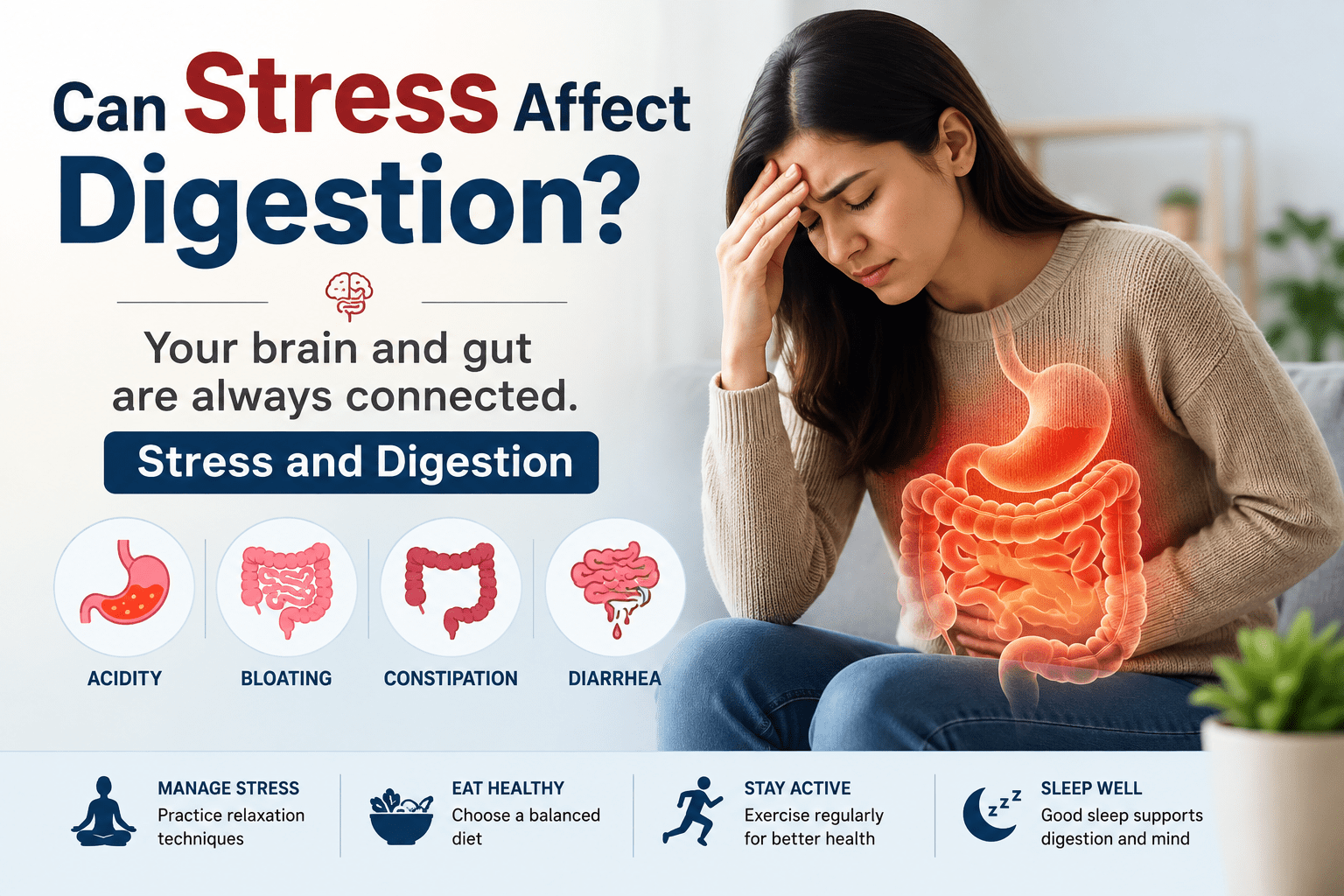
The brain and digestive system communicate through the gut-brain axis.
Stress can contribute to:
- Acid reflux
- IBS
- Bloating
- Constipation
- Diarrhea
Managing stress through meditation, yoga, exercise, and relaxation techniques can improve digestive health.
Common Myths About Digestive Health After 40
Myth: Digestive problems are a normal part of aging.
Fact: While digestion changes with age, persistent symptoms should always be evaluated.
Myth: Heartburn is harmless.
Fact: Chronic acid reflux can damage the esophagus if left untreated.
Myth: Colonoscopy is only necessary if symptoms develop.
Fact: Screening helps detect problems before symptoms appear.
Myth: Fiber supplements can replace healthy foods.
Fact: Whole fruits, vegetables, legumes, and whole grains provide additional nutrients that supplements cannot fully replace.
Frequently Asked Questions
Why do I experience more bloating after 40?
Changes in gut bacteria, slower digestion, food intolerances, and reduced physical activity may contribute.
Is constipation common after 40?
Yes. Aging, medications, dehydration, and lower fiber intake increase the risk.
Can digestive problems be prevented?
Many digestive conditions can be prevented or managed through healthy eating, regular exercise, maintaining a healthy weight, and routine screening.
Should everyone have a colonoscopy after 45?
Current recommendations often advise colorectal cancer screening beginning at age 45 for individuals at average risk, though your doctor may recommend earlier screening based on family history or other risk factors.
When Should You See a Gastroenterologist?
Consult a gastroenterologist if you have:
- Persistent heartburn
- Chronic constipation or diarrhea
- Blood in the stool
- Unexplained weight loss
- Frequent bloating
- Difficulty swallowing
- Ongoing abdominal pain
- Abnormal liver function tests
- A family history of digestive cancers
Early diagnosis often leads to better treatment outcomes.
Final Thoughts
Your digestive system changes naturally as you age, but persistent digestive symptoms should never be dismissed as “just getting older.” Acid reflux, constipation, fatty liver disease, gallstones, and colorectal conditions become more common after 40, making healthy lifestyle habits and preventive screening more important than ever.
A balanced diet rich in fruits, vegetables, whole grains, lean proteins, and healthy fats, combined with regular physical activity, proper hydration, stress management, and routine medical check-ups, can significantly reduce the risk of digestive disorders and help maintain a healthy gut.
If you notice ongoing digestive symptoms such as heartburn, bloating, changes in bowel habits, blood in the stool, or unexplained weight loss, seek medical advice promptly. Early evaluation and timely treatment can prevent complications and help you enjoy better digestive health well beyond the age of 40.