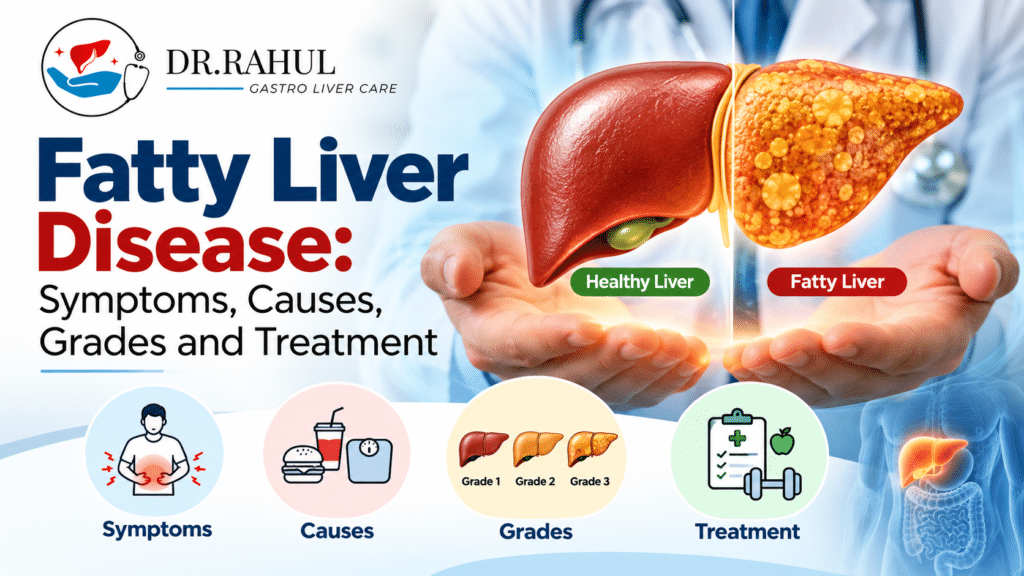
Fatty Liver Disease: Symptoms, Causes, Grades and Treatment
Fatty liver disease is a common liver condition in which excess fat builds up inside the liver. It can affect people of different ages, including those who appear healthy and have no obvious symptoms. In many cases, fatty liver is discovered during a routine ultrasound or blood test.
The good news is that early-stage fatty liver can often improve with appropriate lifestyle changes, weight management, and medical guidance. However, some people develop liver inflammation and scarring, which can eventually lead to serious complications if left unmanaged.
Understanding the symptoms, causes, grades, and treatment options can help you take the right steps to protect your liver health.
At Dr. Rahul Gastro Liver Care, patients can seek medical evaluation for digestive and liver-related concerns. If you have been diagnosed with fatty liver or have risk factors such as diabetes, high cholesterol or excess abdominal fat, consulting a qualified gastroenterologist can help you understand your condition and plan appropriate care.
What Is Fatty Liver Disease?
Fatty liver disease, also known as hepatic steatosis, occurs when excess fat accumulates in liver cells.
The liver plays an important role in digestion, metabolism, processing nutrients, and removing harmful substances from the body. When too much fat accumulates, it can affect liver health, particularly if inflammation or scarring develops.
One common type is metabolic dysfunction-associated steatotic liver disease (MASLD), previously called non-alcoholic fatty liver disease (NAFLD). It is associated with metabolic risk factors such as obesity, insulin resistance, type 2 diabetes, and abnormal cholesterol levels.
Alcohol-associated liver disease is another form of fatty liver disease caused by alcohol consumption. Other medical conditions and certain medications can also contribute to fat accumulation.
Not everyone with fatty liver develops severe liver damage. The risk depends on the underlying cause, metabolic health, and whether inflammation or fibrosis is present.
What Are the Symptoms of Fatty Liver Disease?
Fatty liver disease is often called a silent condition because many people experience no noticeable symptoms during its early stages. A person may have fatty liver for years without realising it.
When symptoms occur, they may include:
- Persistent fatigue: Feeling unusually tired or lacking energy.
- Discomfort in the upper-right abdomen: Mild discomfort beneath the right side of the ribs.
- General weakness: Feeling unwell without an obvious explanation.
- Abdominal discomfort: Some people experience a feeling of fullness, particularly if the liver is enlarged.
These symptoms are not specific to fatty liver and can occur with many other conditions. A medical evaluation is important to identify the actual cause.
Warning Signs of Advanced Liver Disease
When liver damage progresses to advanced fibrosis or cirrhosis, symptoms may become more serious. They can include yellowing of the eyes or skin, swelling of the abdomen, swelling of the legs, persistent itching, easy bruising, or confusion.
Seek urgent medical care if you experience new jaundice, confusion, vomiting blood, or black, tarry stools. These symptoms may indicate a serious medical problem.
Remember that the absence of symptoms does not necessarily mean your liver is healthy.
What Causes Fatty Liver Disease?
Fatty liver usually develops because of several interacting factors. Identifying the underlying cause helps doctors recommend the most appropriate treatment.
1. Overweight and Obesity
Excess body fat, particularly around the waist, is associated with an increased risk of fat accumulation in the liver. However, people who are not overweight can also develop fatty liver.
2. Type 2 Diabetes and Insulin Resistance
Insulin resistance affects how the body regulates blood sugar and stores energy. It can contribute to increased fat accumulation in the liver.
People with diabetes or prediabetes should discuss liver health screening with their healthcare provider, especially when other metabolic risk factors are present.
3. High Cholesterol and Triglycerides
Abnormal blood lipid levels can be associated with fatty liver disease. High triglycerides, in particular, often occur alongside other metabolic risk factors.
4. Unhealthy Eating Habits
Frequent consumption of sugary drinks, excess added sugar, highly processed foods, and calorie-dense meals can contribute to metabolic problems and weight gain.
A balanced diet that includes vegetables, whole grains, pulses, fruit and appropriate protein sources can support better metabolic health.
5. Physical Inactivity
A sedentary lifestyle can increase the risk of insulin resistance, weight gain, and fatty liver. Regular physical activity can improve metabolic health even when substantial weight loss does not occur.
6. Alcohol Consumption
Alcohol can cause fat to accumulate in the liver and may contribute to inflammation and scarring. The risk depends on the amount consumed, drinking patterns, and individual health factors.
If you have fatty liver, discuss alcohol use honestly with your doctor. Avoiding alcohol is particularly important when alcohol-related liver disease or significant liver damage is present.
7. Other Medical Causes
Certain medicines, rapid weight loss, malnutrition, and less common medical conditions can also cause fat accumulation in the liver. Do not stop prescribed medication without consulting your doctor.
What Are the Grades and Stages of Fatty Liver?
Fatty liver is often described as Grade 1, Grade 2, or Grade 3 based on the amount of fat detected during imaging, particularly ultrasound. These grades do not directly measure how much liver scarring is present.
It is important to distinguish fatty liver grades from the stages of liver fibrosis.
Grade 1 Fatty Liver: Mild
Grade 1 generally indicates a mild accumulation of fat in the liver.
Many people with mild fatty liver have no symptoms and normal or only slightly abnormal liver enzyme levels. With appropriate dietary changes, physical activity, and management of metabolic risk factors, liver fat may decrease.
However, mild fatty liver should not be ignored, particularly if diabetes, obesity, or high triglycerides are also present.
Grade 2 Fatty Liver: Moderate
Grade 2 indicates a moderate accumulation of fat in the liver on ultrasound.
At this stage, doctors may assess additional risk factors, including blood sugar, cholesterol, liver enzymes, and body weight. Further tests may be recommended to determine whether inflammation or fibrosis is likely.
A Grade 2 ultrasound result does not automatically mean that significant liver damage has occurred.
Grade 3 Fatty Liver: Severe
Grade 3 generally indicates a more pronounced accumulation of fat on ultrasound.
A doctor may recommend a more detailed assessment to understand the underlying cause and evaluate the possibility of liver injury or fibrosis.
Even Grade 3 fatty liver does not, by itself, confirm cirrhosis. Additional tests are needed when advanced liver disease is suspected.
Understanding Liver Fibrosis
Fibrosis refers to scar tissue that develops when the liver is repeatedly injured. Advanced fibrosis can progress to cirrhosis, in which extensive scarring affects liver structure and function.
Unlike ultrasound fatty liver grades, fibrosis stages describe the degree of scarring. A FibroScan or other appropriate assessment may help estimate fibrosis risk.
This distinction matters because the amount of fat in the liver and the degree of liver damage are not always the same. How Is Fatty Liver Disease Diagnosed?
Fatty liver is often detected during routine medical testing. A gastroenterologist may recommend different investigations depending on your symptoms, medical history, and risk factors.
1. Liver Function Tests
Blood tests may measure liver enzymes such as ALT and AST. Elevated levels can indicate liver injury, although normal results do not completely rule out fatty liver or advanced fibrosis.
2. Abdominal Ultrasound
An ultrasound can detect fat accumulation in the liver and may identify an enlarged liver. However, it cannot reliably determine the degree of inflammation or exclude significant fibrosis.
3. FibroScan
FibroScan is a non-invasive test that measures liver stiffness and estimates liver fat using a specialised technique. It can help doctors assess the likelihood of fibrosis and monitor liver health when appropriate.
4. Blood Sugar and Cholesterol Tests
Doctors may check blood glucose, HbA1c, cholesterol, and triglycerides to identify metabolic conditions associated with fatty liver.
5. Liver Biopsy
A liver biopsy is not necessary for everyone. In selected cases, a doctor may recommend it when the diagnosis is uncertain or when more detailed information about inflammation and liver damage is needed.
The choice of tests depends on your individual condition. No single test provides every detail about liver health.
What Is the Best Treatment for Fatty Liver Disease?
Fatty liver treatment depends on its cause, the amount of liver damage, and the patient’s overall health. For many people with metabolic fatty liver, lifestyle changes are the foundation of treatment.
1. Maintain a Healthy Weight
If you are overweight, gradual weight loss can help reduce fat accumulation in the liver. Losing approximately 3–5% of body weight may reduce liver fat, while greater sustained weight loss may improve inflammation and fibrosis in some patients.
Avoid crash diets and rapid weight loss. A doctor or registered dietitian can help you set a realistic target.
2. Follow a Balanced Diet
A liver-friendly diet should provide adequate nutrition without excessive calories, added sugar, or unhealthy fats.
Consider including:
- Vegetables such as spinach, beans, carrots and other seasonal produce.
- Whole grains such as oats, whole-wheat roti and brown rice.
- Protein sources such as dal, chickpeas, beans, eggs, fish or lean poultry.
- Whole fruits rather than relying on fruit juices.
- Nuts and seeds in appropriate portions.
- Healthy fats from suitable sources, used in moderation.
Limit sugary beverages, sweets, frequent deep-fried foods, processed snacks, and excess saturated fat.
You do not necessarily need to stop eating rice or roti. Portion sizes, the overall balance of your meals, and your individual energy needs matter more than eliminating one staple food.
3. Exercise Regularly
Physical activity can improve insulin sensitivity and reduce liver fat, even without major weight loss.
Aim for at least 150 minutes of moderate-intensity aerobic activity each week, if your health allows. Brisk walking, cycling, and swimming are useful options.
Strength training can also support muscle health and metabolic function. Start gradually if you are not physically active and ask your doctor about suitable exercise if you have other medical conditions.
4. Manage Diabetes, Blood Pressure and Cholesterol
Fatty liver often occurs alongside other metabolic conditions. Managing blood sugar, blood pressure and cholesterol is important for overall health and can help reduce future complications.
Follow your prescribed treatment plan and attend recommended follow-up appointments.
5. Avoid Alcohol When Advised
Alcohol can worsen liver injury, particularly when significant fibrosis or cirrhosis is present. Discuss your alcohol consumption with your doctor and follow their advice about avoiding it.
6. Be Careful With Supplements and Home Remedies
Products marketed as liver detox drinks, herbal cleanses, or fatty liver supplements are not guaranteed to work. Some supplements can cause liver injury or interact with prescribed medicines.
Do not start a supplement or stop a prescribed medicine without discussing it with a healthcare professional.
7. Ask Whether Medication Is Appropriate
Some patients may benefit from specific medicines depending on the type and severity of liver disease and associated metabolic conditions. Certain treatments are available for selected adults with metabolic steatohepatitis and significant fibrosis, depending on eligibility and local approval.
Medication is not necessary for everyone with fatty liver. A specialist can explain the potential benefits, risks, and monitoring requirements.
Indian Diet Plan for Fatty Liver: What Can You Eat?
A balanced Indian diet can support liver health without requiring expensive or unusual foods.
Here is an illustrative daily meal pattern:
| Meal | Example foods |
|---|---|
| Breakfast | Vegetable oats, idli with sambar, or eggs with whole-wheat toast |
| Mid-morning | One serving of whole fruit |
| Lunch | Roti or a moderate portion of rice, dal, vegetables, and curd |
| Evening snack | A small portion of nuts or roasted chana |
| Dinner | Roti or another suitable whole grain with vegetables and a protein source |
This is a general example, not a personalised diet prescription. Portions should be adjusted to your energy requirements, diabetes status, weight goals and other medical needs.
Try to eat regular, balanced meals and reduce frequent consumption of sugary drinks and high-calorie snacks. If you have diabetes, kidney disease, or advanced liver disease, seek individual dietary advice.
Can Fatty Liver Disease Be Reversed?
In many people, early-stage metabolic fatty liver can improve substantially with sustained lifestyle changes. Liver fat may decrease, and inflammation can improve when the underlying metabolic problems are managed.
Some patients can also experience improvement in fibrosis, although the response varies from person to person.
The outcome depends on several factors, including the cause of fatty liver, the extent of existing scarring, alcohol exposure, diabetes control, and long-term lifestyle habits.
Advanced cirrhosis may not be fully reversible, but treatment and careful monitoring can help manage complications and protect remaining liver function.
Regular follow-up is important even if your symptoms improve or a later test shows less fat.
When Should You Consult a Gastroenterologist?
Consider consulting a gastroenterologist if:
- An ultrasound report mentions fatty liver.
- Your liver enzymes remain elevated.
- You have diabetes, obesity, or high triglycerides and are concerned about liver health.
- You experience persistent discomfort in the upper-right abdomen or unexplained fatigue.
- You have been diagnosed with Grade 2 or Grade 3 fatty liver.
- You need advice about FibroScan or assessment for liver fibrosis.
Seek urgent medical attention for jaundice, confusion, vomiting blood, black stools, or significant abdominal swelling.
Early assessment can help identify risk factors and determine whether further testing or specialist treatment is needed.
Frequently Asked Questions About Fatty Liver Disease
1. Is Grade 1 fatty liver dangerous?
Grade 1 generally indicates mild fat accumulation and does not automatically mean serious liver damage. However, associated conditions such as diabetes and obesity can increase the risk of progression. Medical advice and appropriate follow-up are important.
2. Can fatty liver be cured naturally?
Lifestyle changes can reduce liver fat and improve metabolic health. However, no home remedy is guaranteed to cure fatty liver. The most effective approach depends on the underlying cause and the presence of inflammation or scarring.
3. Which foods should I avoid with fatty liver?
Limit sugary drinks, excess added sugar, highly processed snacks, frequent deep-fried foods, and excess saturated fat. Avoid alcohol when advised by your doctor. Your dietary plan should be based on your overall health and nutritional needs.
4. Does fatty liver cause stomach pain?
Most people have no symptoms. Some experience mild discomfort in the upper-right abdomen, but abdominal pain has many possible causes. Persistent or severe pain should be medically evaluated.
5. How long does it take to improve fatty liver?
There is no fixed timeline. Improvement depends on the initial severity, weight changes, physical activity, metabolic health, and the underlying cause. Your doctor can recommend an appropriate follow-up schedule.
6. Is FibroScan necessary for everyone with fatty liver?
No. Your doctor may use blood-based fibrosis scores, FibroScan, or other tests depending on your risk factors and initial results. Not every patient requires every investigation.
Conclusion
Fatty liver disease is common, but it should not be ignored. Although early-stage disease often causes no symptoms, some people can develop inflammation, fibrosis, and serious liver complications over time.
Understanding your fatty liver grade, identifying the underlying cause, and making sustainable lifestyle changes are important steps toward better liver health. A balanced diet, regular exercise, gradual weight management, and control of diabetes and cholesterol can make a meaningful difference.
If you have been diagnosed with fatty liver or are concerned about your liver health, consult a qualified gastroenterologist for an individual assessment and treatment plan.
Book a consultation with Dr. Rahul Gastro Liver Care to discuss your liver health concerns and determine which investigations or treatment options may be appropriate.