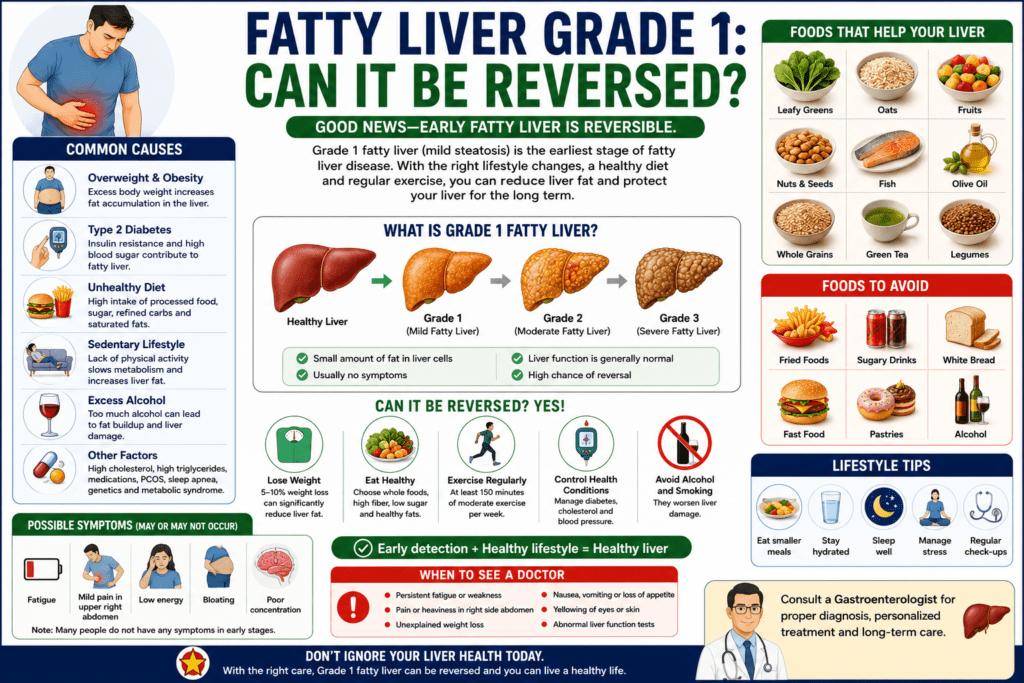
Fatty Liver Grade 1: Can It Be Reversed?
Good news—early fatty liver is reversible.
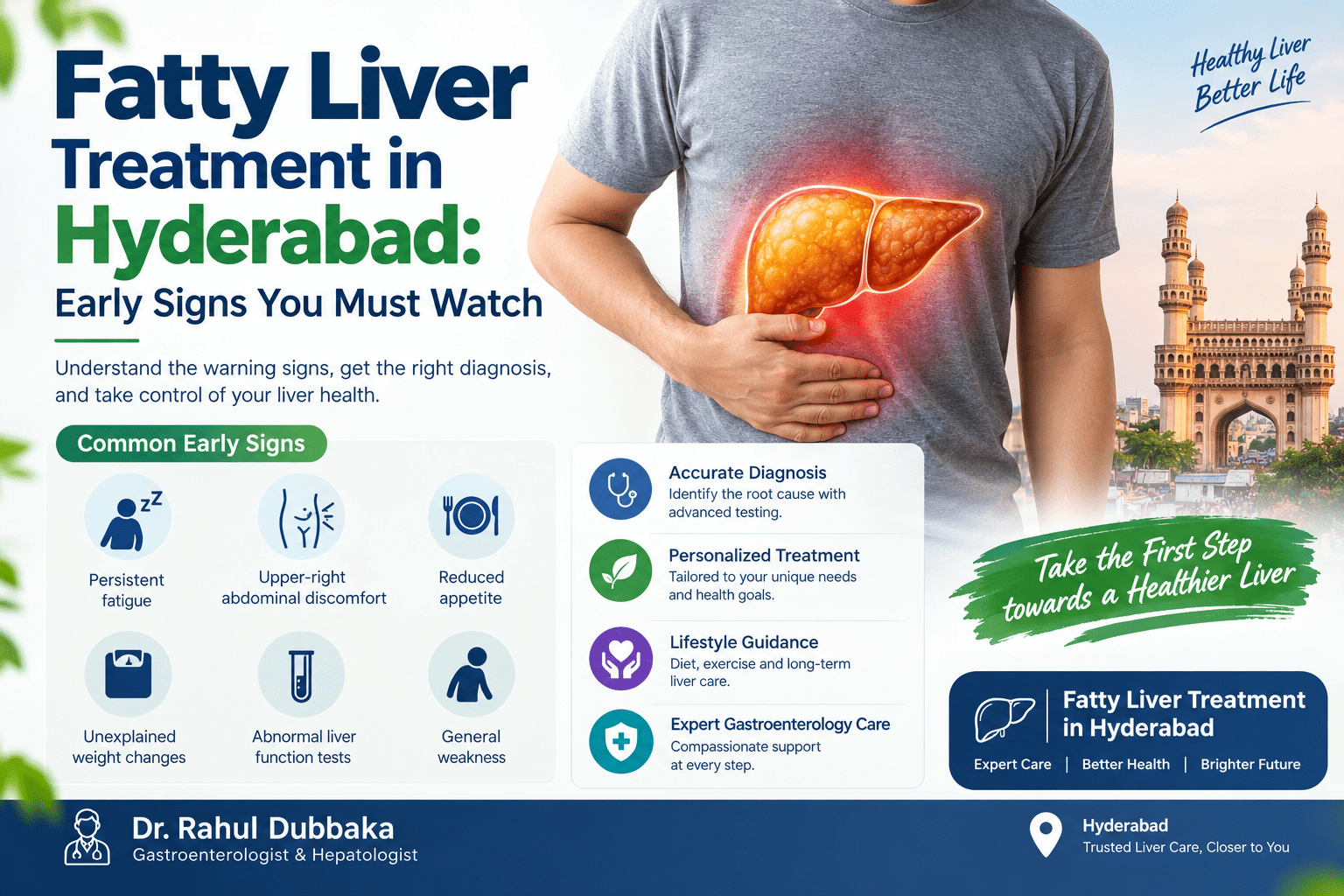
Being diagnosed with Grade 1 Fatty Liver can be alarming, but the good news is that this is the earliest stage of fatty liver disease and, in most cases, it can be reversed with healthy lifestyle changes and proper medical guidance. Unlike advanced liver diseases that cause permanent scarring, Grade 1 fatty liver usually involves mild fat accumulation in the liver without significant damage.
Fatty liver disease has become one of the fastest-growing health concerns worldwide. It affects people of all ages, including young adults, due to unhealthy diets, obesity, diabetes, sedentary lifestyles, and metabolic disorders. Since the condition often develops silently, many people discover it during routine health check-ups or abdominal ultrasound scans.
Ignoring Grade 1 fatty liver may allow it to progress into liver inflammation, fibrosis, cirrhosis, and, in severe cases, liver failure or liver cancer. However, early diagnosis provides an excellent opportunity to restore liver health before permanent damage occurs.
This comprehensive guide explains everything you need to know about Grade 1 fatty liver, including its causes, symptoms, diagnosis, treatment, diet, exercise, and the steps you can take to reverse the condition naturally.
What Is Grade 1 Fatty Liver?
Fatty liver disease occurs when excess fat accumulates inside liver cells. Normally, the liver contains a small amount of fat, but when fat exceeds about 5–10% of the liver’s weight, it is considered fatty liver disease.
Doctors often classify fatty liver into different grades based on ultrasound findings.
Grade 1 (Mild Fatty Liver)
- Mild fat accumulation
- Normal liver function in most cases
- Usually no permanent damage
- Highly reversible with lifestyle modifications
Grade 2 (Moderate Fatty Liver)
- Increased fat deposits
- Mild inflammation may develop
- Greater risk of progression
Grade 3 (Severe Fatty Liver)
- Extensive fat accumulation
- Increased risk of fibrosis and cirrhosis
- Requires close medical monitoring
The earlier fatty liver is detected, the easier it is to manage and reverse.
What Causes Grade 1 Fatty Liver?
Several factors can contribute to fat buildup in the liver.
Obesity
Excess body weight, especially abdominal obesity, is one of the leading causes of fatty liver disease.
Type 2 Diabetes
High blood sugar and insulin resistance increase fat storage in the liver.
High Cholesterol and Triglycerides
Elevated blood fats increase the likelihood of developing fatty liver.
Poor Diet
A diet high in:
- Sugary drinks
- Fast food
- Fried foods
- Refined carbohydrates
- Processed snacks
can significantly increase liver fat.
Lack of Exercise
A sedentary lifestyle reduces fat burning and contributes to liver fat accumulation.
Alcohol Consumption
Excessive alcohol intake can lead to alcohol-related fatty liver disease.
Metabolic Syndrome
People with obesity, diabetes, high blood pressure, and abnormal cholesterol are at much higher risk.
Certain Medications
Some medications may contribute to fatty liver in susceptible individuals.
Who Is Most at Risk?
You are more likely to develop Grade 1 fatty liver if you:
- Are overweight or obese
- Have diabetes
- Have high cholesterol
- Have high triglycerides
- Have high blood pressure
- Have PCOS
- Lead a sedentary lifestyle
- Consume alcohol excessively
- Have sleep apnea
- Have a family history of liver disease
Even people who appear slim can develop fatty liver if they have metabolic disorders.
Symptoms of Grade 1 Fatty Liver
One of the biggest challenges is that most people have no symptoms during the early stage.
When symptoms occur, they may include:
- Constant tiredness
- Mild discomfort on the upper right side of the abdomen
- Feeling of heaviness after meals
- Bloating
- Poor appetite
- Difficulty concentrating
- Mild weakness
Many people discover the condition accidentally during a routine ultrasound.
How Is Grade 1 Fatty Liver Diagnosed?
Liver Function Tests (LFT)
Blood tests evaluate liver enzymes and proteins. Some patients with fatty liver may still have normal liver enzyme levels.
Ultrasound Scan
An abdominal ultrasound is the most common test used to detect fatty liver.
FibroScan
FibroScan measures:
- Liver fat
- Liver stiffness
- Risk of fibrosis
This painless test helps determine whether scarring has started.
CT Scan or MRI
Sometimes used for additional evaluation if needed.
Liver Biopsy
Rarely required in Grade 1 fatty liver but may be considered in complex cases.
Can Grade 1 Fatty Liver Be Reversed?
Yes—absolutely.
Grade 1 fatty liver is considered the most treatable stage.
The liver has an amazing ability to heal itself when harmful factors are removed.
Many people notice improvement within a few months after making consistent lifestyle changes.
Lifestyle Changes That Reverse Fatty Liver
Lose Excess Weight
For people who are overweight, losing 5–10% of body weight can significantly reduce liver fat and inflammation.
Aim for gradual, sustainable weight loss rather than crash diets.
Eat a Healthy Diet
Choose foods such as:
Vegetables
- Spinach
- Broccoli
- Cabbage
- Carrots
- Bell peppers
Fruits
- Apples
- Papaya
- Guava
- Berries
- Citrus fruits (as tolerated)
Whole Grains
- Oats
- Brown rice
- Millets
- Whole wheat
- Quinoa
Lean Protein
- Fish
- Chicken
- Lentils
- Beans
- Eggs
Healthy Fats
- Olive oil
- Walnuts
- Almonds
- Flaxseeds
- Chia seeds
Foods to Avoid
Reduce or avoid:
- Sugary drinks
- Soft drinks
- Bakery items
- White bread
- Fast food
- Fried foods
- Processed meats
- Excess sweets
- Refined carbohydrates
- Alcohol
Exercise Regularly
Exercise is one of the most effective treatments for fatty liver.
Aim for at least 150 minutes of moderate physical activity each week, including:
- Brisk walking
- Cycling
- Swimming
- Jogging
- Strength training
Regular exercise improves insulin sensitivity and helps reduce liver fat.
Manage Diabetes and Cholesterol
Controlling blood sugar and cholesterol is essential to prevent progression.
Follow your healthcare provider’s recommendations for medications, diet, and monitoring.
Stay Hydrated
Adequate water intake supports overall health and healthy metabolism.
While water doesn’t directly remove liver fat, it contributes to overall well-being.
Get Enough Sleep
Poor sleep has been associated with metabolic disorders and fatty liver.
Aim for 7–9 hours of quality sleep each night.
Avoid Smoking
Smoking increases oxidative stress and can worsen liver disease progression.
Is There a Medicine That Cures Grade 1 Fatty Liver?
Currently, there is no single medicine that cures Grade 1 fatty liver for everyone.
Treatment focuses on:
- Weight management
- Healthy eating
- Regular exercise
- Managing diabetes
- Lowering cholesterol
- Avoiding alcohol
Your doctor may prescribe medication for associated conditions if needed.
Can Grade 1 Fatty Liver Become Serious?
Yes, if ignored.
Untreated fatty liver may progress through the following stages:
- Grade 1 Fatty Liver
- Fatty Liver with Inflammation (Steatohepatitis)
- Fibrosis (Scarring)
- Cirrhosis
- Liver Failure
- Liver Cancer (in some cases)
Fortunately, early treatment greatly reduces the risk of progression.
Common Myths About Fatty Liver
Myth: Only alcohol causes fatty liver.
Fact: Many people with fatty liver drink little or no alcohol.
Myth: Fatty liver always causes pain.
Fact: Most people with Grade 1 fatty liver have no symptoms.
Myth: Detox drinks cure fatty liver.
Fact: No detox drink has been proven to reverse fatty liver. Healthy eating and exercise remain the cornerstone of treatment.
Myth: Thin people can’t get fatty liver.
Fact: Lean individuals with diabetes or metabolic syndrome can also develop fatty liver.
Frequently Asked Questions
How long does it take to reverse Grade 1 fatty liver?
Improvement may begin within a few months of consistent lifestyle changes, though the exact timeline varies from person to person.
Can fatty liver return?
Yes. If healthy habits are abandoned, fat can accumulate in the liver again.
Is Grade 1 fatty liver dangerous?
It is generally the mildest stage and is often reversible. The concern is progression if it is ignored.
Can I live a normal life?
Yes. Most people with Grade 1 fatty liver live normal, healthy lives when they follow medical advice and maintain healthy habits.
When Should You See a Gastroenterologist?
Consult a gastroenterologist if you have:
- Fatty liver on ultrasound
- Abnormal liver function tests
- Persistent fatigue
- Upper right abdominal discomfort
- Diabetes with suspected liver disease
- Obesity or metabolic syndrome
- A family history of liver disease
Regular follow-up helps monitor recovery and prevent complications.
Tips to Keep Your Liver Healthy
- Eat a balanced diet
- Exercise regularly
- Maintain a healthy weight
- Control diabetes and cholesterol
- Avoid alcohol or drink only within recommended limits if advised by your doctor
- Avoid smoking
- Stay hydrated
- Sleep well
- Have regular health check-ups
- Take medications only as prescribed
Final Thoughts
A diagnosis of Grade 1 fatty liver is not a reason to panic—it is an opportunity to take control of your health. Because this is the earliest stage of fatty liver disease, it is often reversible with timely lifestyle changes such as eating a nutritious diet, exercising regularly, achieving a healthy weight, and controlling diabetes or cholesterol.
The liver has an incredible ability to heal, but it needs your support. Delaying treatment or ignoring the condition can allow it to progress to inflammation, fibrosis, and cirrhosis. By making healthy choices today and following up with your healthcare provider, you can protect your liver and reduce the risk of future complications.
The best treatment for Grade 1 fatty liver starts with action today. Early changes can lead to long-term liver health and a healthier future.