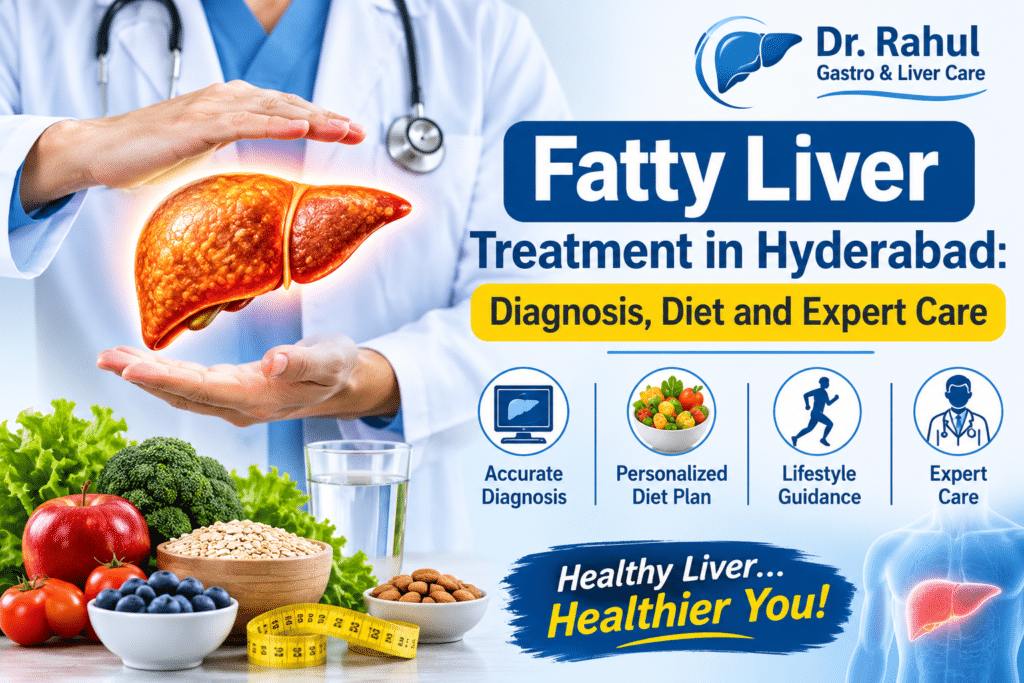
Fatty liver disease is becoming increasingly common due to unhealthy eating habits, sedentary lifestyles, obesity, diabetes and metabolic disorders. Many people have fatty liver without experiencing noticeable symptoms during the early stages. However, if left unmanaged, the condition may progress and cause serious liver complications.
If you are looking for fatty liver treatment in Hyderabad, understanding the causes, diagnosis, dietary changes and available treatment options is an important first step. With timely medical evaluation, lifestyle modifications and appropriate specialist care, many people can improve their liver health and reduce the risk of complications.
What Is Fatty Liver Disease?
Fatty liver disease occurs when excess fat accumulates inside liver cells. It is commonly associated with metabolic conditions such as obesity, type 2 diabetes, high cholesterol and insulin resistance.
The condition was traditionally called non-alcoholic fatty liver disease (NAFLD). Many cases are now classified as metabolic dysfunction-associated steatotic liver disease (MASLD).
Fatty liver can range from simple fat accumulation to more advanced inflammation and liver damage.
The major stages include:
- Simple fatty liver: Excess fat accumulates in the liver without significant inflammation.
- Steatohepatitis (MASH): Fat accumulation is associated with liver inflammation and cell injury.
- Liver fibrosis: Repeated inflammation causes scar tissue to develop.
- Cirrhosis: Advanced scarring affects normal liver function and may lead to serious complications.
Early diagnosis and proper management can help prevent disease progression.
Common Symptoms of Fatty Liver
Fatty liver disease is often called a silent condition because many patients do not experience symptoms during the initial stages.
When symptoms occur, they may include:
- Persistent tiredness and weakness
- Discomfort or pain in the upper right side of the abdomen
- Unexplained weight changes
- A general feeling of abdominal fullness
- Elevated liver enzyme levels in blood tests
Advanced liver disease may cause jaundice, abdominal swelling, leg swelling and other serious symptoms.
If you experience persistent abdominal discomfort or abnormal liver test results, consult a gastroenterologist for proper evaluation.
What Causes Fatty Liver Disease?
Several lifestyle and metabolic factors can increase the risk of fatty liver.
1. Obesity and Excess Body Weight
Excess body fat, particularly around the abdomen, is strongly associated with fat accumulation in the liver.
2. Type 2 Diabetes
Insulin resistance and uncontrolled blood sugar levels can contribute to fat accumulation and liver inflammation.
3. High Cholesterol and Triglycerides
Elevated blood fats can increase the risk of developing fatty liver disease.
4. Unhealthy Eating Habits
Regular consumption of sugary drinks, processed foods, refined carbohydrates and calorie-rich meals may contribute to fatty liver.
5. Physical Inactivity
A sedentary lifestyle can increase the risk of obesity, insulin resistance and metabolic disorders.
6. Alcohol Consumption
Alcohol can independently cause liver damage and fatty liver. People with liver disease should discuss alcohol avoidance with their doctor.
How Is Fatty Liver Diagnosed?
Proper diagnosis is essential for selecting the right fatty liver treatment. A gastroenterologist may recommend different investigations depending on your symptoms, medical history and risk factors.
Common diagnostic methods include:
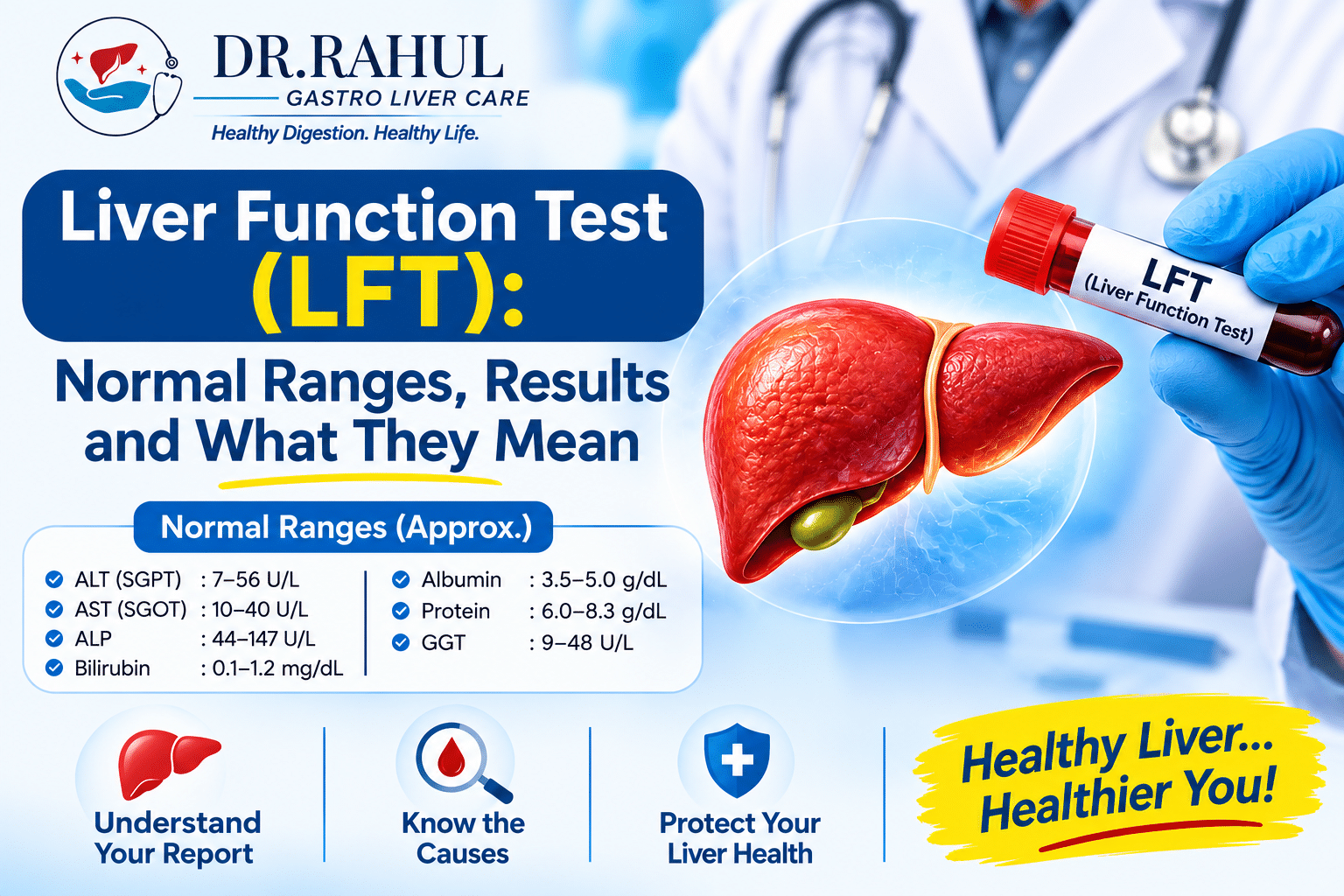
1. Liver Function Test (LFT)
Blood tests measure liver enzymes such as ALT and AST. Abnormal results may indicate liver injury, although normal results do not completely rule out fatty liver or advanced disease.
2. Ultrasound Abdomen
An abdominal ultrasound can help identify fat accumulation in the liver and assess its general appearance.
3. FibroScan
FibroScan is a non-invasive test that measures liver stiffness and estimates liver fat using controlled attenuation parameter (CAP). It can help assess the risk of liver fibrosis.
4. Blood Sugar and Lipid Profile
Doctors may recommend blood glucose, HbA1c and cholesterol tests to identify metabolic risk factors.
5. Additional Investigations
In selected cases, further blood tests, imaging or a liver biopsy may be required to evaluate inflammation, fibrosis or other liver conditions.
Fatty Liver Treatment in Hyderabad
There is no single treatment suitable for every fatty liver patient. Management depends on the stage of the disease, underlying causes and associated health conditions.
The main treatment approach focuses on reducing liver fat, improving metabolic health and preventing further liver damage.
1. Gradual Weight Loss
For people who are overweight or obese, gradual weight reduction is one of the most effective ways to improve fatty liver.
A weight loss of approximately 5% can reduce liver fat, while greater weight loss may improve liver inflammation and fibrosis in some patients.
Avoid crash diets and extreme weight-loss methods. Follow a sustainable plan under medical guidance.
2. Healthy Dietary Changes
A balanced diet plays an important role in fatty liver management.
Choose:
- Fresh vegetables and seasonal fruits
- Whole grains such as oats, millets and brown rice
- Protein-rich foods such as pulses, beans, fish and eggs
- Nuts and seeds in moderate quantities
- Healthy fats in appropriate portions
Limit:
- Sugary beverages and packaged juices
- Deep-fried and highly processed foods
- Excess sweets and refined carbohydrates
- Foods containing high amounts of added sugar
- Excessive calorie intake
A Mediterranean-style eating pattern can be a useful approach for improving metabolic and liver health.
3. Regular Physical Activity
Exercise helps improve insulin sensitivity, manage body weight and reduce liver fat.
Aim for at least 150 minutes of moderate-intensity physical activity every week, if medically appropriate. Walking, cycling, swimming and strength training can be beneficial.
Start gradually if you are not physically active.
4. Managing Diabetes and Cholesterol
Patients with diabetes, high blood pressure and abnormal cholesterol levels need appropriate treatment and regular monitoring.
Managing these conditions is an important part of fatty liver care.
5. Medical Treatment and Monitoring
There is no universal medicine for every patient with fatty liver. Certain medications may be considered for selected patients with MASH or significant fibrosis, depending on their clinical condition and current treatment guidelines.
Avoid self-medication and unverified herbal liver supplements, as some products can cause liver injury.
Regular follow-up helps doctors monitor liver health and adjust treatment when necessary.
Best Diet for Fatty Liver Patients
A healthy diet should be practical, balanced and suitable for your medical condition.
An example of a daily eating pattern may include:
- Breakfast: Vegetable oats, millet dosa or whole-grain idli.
- Mid-morning: One portion of fresh fruit.
- Lunch: Brown rice or whole-wheat roti with vegetables, dal and a protein source.
- Evening snack: A small portion of nuts or unsweetened buttermilk.
- Dinner: Vegetable-based meals with dal, fish or other lean protein.
Portion sizes should be adjusted according to individual calorie requirements, diabetes status and nutritional needs.
Avoid sugary drinks and discuss alcohol avoidance with your liver specialist.
When Should You Consult a Gastroenterologist?
You should consider consulting a gastroenterologist if:
- Your ultrasound report indicates fatty liver.
- Your liver enzymes are consistently elevated.
- You have diabetes, obesity or high triglycerides.
- You experience persistent abdominal discomfort.
- You have been diagnosed with fatty liver and need a monitoring plan.
- You have a family or personal history of liver disease.
Seek prompt medical attention if you develop jaundice, abdominal swelling, confusion, vomiting blood or black stools.
Expert Fatty Liver Care in Hyderabad
Managing fatty liver requires more than simply following a diet chart. It involves identifying the underlying causes, assessing liver damage, controlling metabolic conditions and monitoring progress.
At Dr. Rahul Gastro & Liver Care, patients can seek professional evaluation and guidance for digestive and liver-related concerns. A gastroenterology specialist can help assess fatty liver, recommend appropriate investigations and develop a management plan based on individual health needs.
If you are searching for fatty liver treatment in Hyderabad, timely consultation can help you understand your liver condition and take the right steps towards better health.
Conclusion
Fatty liver disease is a common but manageable liver condition when identified early. Healthy eating, regular exercise, gradual weight loss and proper medical monitoring are essential for protecting liver health.
If you have been diagnosed with fatty liver or have abnormal liver test results, do not ignore them. Consult an experienced gastroenterologist in Hyderabad to understand your condition and receive appropriate medical guidance.
Take the first step towards better liver health with timely diagnosis and expert care.