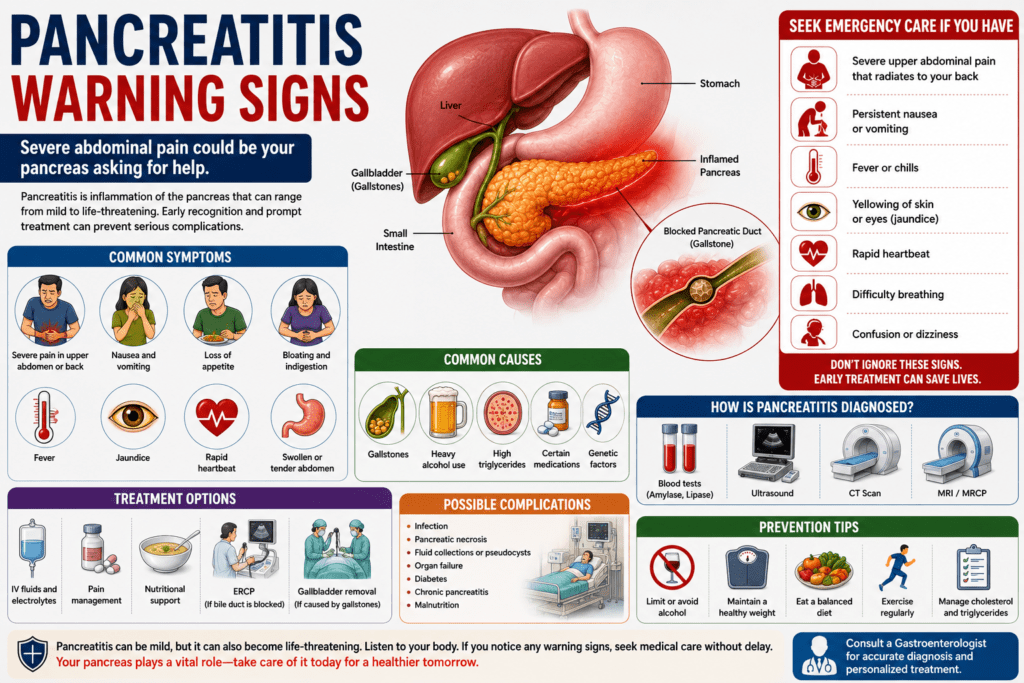
Pancreatitis Warning Signs: Severe Abdominal Pain Could Be Your Pancreas Asking for Help
A sudden, intense pain in the upper abdomen is something you should never ignore. While many digestive problems cause stomach discomfort, severe abdominal pain that spreads to the back, especially when accompanied by nausea or vomiting, could be a sign of pancreatitis—a potentially serious condition that requires prompt medical attention.
The pancreas is a vital organ that plays an essential role in digestion and blood sugar regulation. When it becomes inflamed, digestive enzymes can begin attacking the pancreas itself instead of helping digest food. This inflammation can range from mild and self-limiting to severe and life-threatening.
Early diagnosis and timely treatment are crucial. Ignoring the warning signs may lead to complications such as infection, organ failure, diabetes, or long-term damage to the pancreas.
In this comprehensive guide, you’ll learn what pancreatitis is, its causes, warning signs, diagnosis, treatment options, prevention strategies, and when to seek emergency medical care.
What Is the Pancreas?
The pancreas is a long, flat gland located behind the stomach in the upper abdomen.
It has two major functions:
1. Digestive Function
The pancreas produces enzymes that help digest:
- Fats
- Proteins
- Carbohydrates
These enzymes are released into the small intestine through the pancreatic duct.
2. Hormone Production
The pancreas also produces hormones, including:
- Insulin
- Glucagon
These hormones help regulate blood sugar levels.
When the pancreas becomes inflamed, both digestion and blood sugar control may be affected.
What Is Pancreatitis?
Pancreatitis is inflammation of the pancreas.
Normally, digestive enzymes become active only after reaching the small intestine. In pancreatitis, these enzymes become activated too early, causing the pancreas to digest its own tissue.
This leads to inflammation, swelling, pain, and, in severe cases, tissue damage.
Types of Pancreatitis
Acute Pancreatitis
Acute pancreatitis develops suddenly and usually lasts for several days.
Most people recover completely with appropriate treatment, but severe cases can become life-threatening.
Chronic Pancreatitis
Chronic pancreatitis is long-term inflammation that gradually damages the pancreas.
Repeated inflammation may result in permanent scarring, digestive problems, and diabetes.
Warning Signs of Pancreatitis
Recognizing the symptoms early can make a significant difference.
Severe Upper Abdominal Pain
The most common symptom is intense pain in the upper abdomen.
The pain often:
- Starts suddenly
- Becomes severe
- Radiates to the back
- Worsens after eating
- Persists for hours or even days
Nausea and Vomiting
Persistent nausea and repeated vomiting are common during an attack.
Vomiting often does not relieve the pain.
Fever
Inflammation or infection may cause a high temperature.
Rapid Heartbeat
A fast pulse may occur due to pain, inflammation, dehydration, or infection.
Swollen or Tender Abdomen
The abdomen may feel bloated and painful when touched.
Loss of Appetite
Many patients avoid eating because food worsens the pain.
Jaundice
Yellowing of the skin and eyes may occur if gallstones block the bile duct.
Difficulty Breathing
Severe pancreatitis can affect the lungs, making breathing difficult.
This requires immediate medical attention.
Common Causes of Pancreatitis
Gallstones
Gallstones are one of the leading causes of acute pancreatitis.
A stone can block the pancreatic duct, preventing digestive enzymes from flowing normally.
Heavy Alcohol Consumption
Long-term excessive alcohol use can inflame and damage the pancreas.
Repeated alcohol-related attacks may lead to chronic pancreatitis.
High Triglyceride Levels
Very high blood triglyceride levels can trigger pancreatitis.
Certain Medications
Some medications are linked to pancreatic inflammation, although this is relatively uncommon.
Pancreatic Tumors
Rarely, tumors may block pancreatic ducts and cause inflammation.
Infections
Certain viral infections can lead to pancreatitis.
Abdominal Injury
Trauma to the abdomen may damage the pancreas.
Genetic Conditions
Some inherited disorders increase the risk of chronic pancreatitis.
Who Is at Higher Risk?
Risk factors include:
- Gallstones
- Heavy alcohol use
- Obesity
- Smoking
- High triglycerides
- Diabetes
- Family history
- Certain medications
- Previous episodes of pancreatitis
Managing these risk factors may reduce your chances of developing pancreatitis.
How Is Pancreatitis Diagnosed?
Early diagnosis is essential.
Your doctor may recommend:
Blood Tests
Blood tests measure pancreatic enzymes such as:
- Amylase
- Lipase
Elevated levels often indicate pancreatitis.
Liver Function Tests
These help determine whether gallstones are contributing to the condition.
Ultrasound
An abdominal ultrasound is commonly used to detect gallstones and evaluate the pancreas.
CT Scan
A CT scan provides detailed images of inflammation, fluid collections, or complications.
MRI (MRCP)
MRI helps evaluate the pancreas and bile ducts without surgery.
Endoscopic Ultrasound (EUS)
This specialized procedure can identify small gallstones or structural abnormalities.
Treatment for Pancreatitis
Treatment depends on the severity and underlying cause.
Hospital Care
Most patients with acute pancreatitis require hospitalization.
Intravenous (IV) Fluids
Fluids help prevent dehydration and support organ function.
Pain Management
Pain relief is an essential part of treatment.
Nutritional Support
Patients may temporarily avoid eating until inflammation improves.
In some cases, specialized nutritional support is required.
Treating the Underlying Cause
Examples include:
- Gallbladder removal for gallstone pancreatitis
- Managing triglyceride levels
- Avoiding alcohol
- Adjusting medications if appropriate
ERCP
If gallstones block the bile ducts, an ERCP procedure may remove the obstruction.
Complications of Pancreatitis
Untreated or severe pancreatitis can lead to:
- Pancreatic infection
- Pancreatic pseudocysts
- Bleeding
- Organ failure
- Kidney failure
- Diabetes
- Malnutrition
- Chronic pain
- Pancreatic insufficiency
Prompt treatment significantly reduces the risk of complications.
Living with Chronic Pancreatitis
People with chronic pancreatitis may require long-term management.
This may include:
- Pancreatic enzyme replacement
- Diabetes management
- Nutritional counseling
- Pain management
- Regular follow-up with a gastroenterologist
Can Pancreatitis Be Prevented?
Although not all cases are preventable, healthy lifestyle choices can lower the risk.
Maintain a Healthy Weight
Obesity increases the risk of gallstones and pancreatitis.
Limit Alcohol
Avoiding heavy alcohol consumption greatly reduces the risk.
Stop Smoking
Smoking contributes to chronic pancreatic disease.
Eat a Healthy Diet
Choose:
- Fruits
- Vegetables
- Whole grains
- Lean proteins
- Healthy fats
Limit fried and fatty foods.
Manage Cholesterol and Triglycerides
Regular health check-ups help detect elevated triglycerides early.
Treat Gallstones Promptly
Managing symptomatic gallstones can prevent gallstone pancreatitis.
Common Myths About Pancreatitis
Myth: Pancreatitis only affects people who drink alcohol.
Fact: Gallstones are one of the most common causes, and many people with pancreatitis do not drink alcohol.
Myth: The pain will go away on its own.
Fact: Severe abdominal pain should never be ignored, especially if it is persistent or associated with vomiting and fever.
Myth: Once treated, pancreatitis never returns.
Fact: If the underlying cause is not addressed, recurrent episodes may occur.
Frequently Asked Questions
Is pancreatitis a medical emergency?
Acute pancreatitis often requires urgent medical evaluation and hospitalization.
Can pancreatitis cause diabetes?
Yes. Chronic damage to the pancreas can reduce insulin production, leading to diabetes.
Can pancreatitis be cured?
Many cases of acute pancreatitis resolve completely with treatment. Chronic pancreatitis cannot usually be reversed, but symptoms and complications can often be managed.
Can gallstones cause pancreatitis?
Yes. Gallstones are among the leading causes of acute pancreatitis.
When Should You Seek Emergency Medical Care?
Go to the nearest emergency department immediately if you experience:
- Sudden severe upper abdominal pain
- Pain spreading to the back
- Persistent vomiting
- Fever with abdominal pain
- Yellowing of the eyes or skin
- Difficulty breathing
- Confusion
- Fainting
- Rapid heartbeat
These symptoms may indicate severe pancreatitis or another life-threatening condition.
When Should You See a Gastroenterologist?
Consult a gastroenterologist if you have:
- Recurrent upper abdominal pain
- Gallstones
- Chronic alcohol-related digestive symptoms
- High triglyceride levels
- Previous pancreatitis
- Unexplained weight loss
- Persistent digestive problems
Regular follow-up helps prevent complications and supports long-term pancreatic health.
Final Thoughts
Pancreatitis is more than just severe stomach pain—it is a potentially serious inflammation of the pancreas that requires timely medical attention. Whether triggered by gallstones, excessive alcohol consumption, high triglycerides, certain medications, or other causes, pancreatitis can progress rapidly if left untreated.
The hallmark symptom is intense upper abdominal pain that often spreads to the back and may be accompanied by nausea, vomiting, fever, or jaundice. Recognizing these warning signs and seeking prompt medical care can help prevent serious complications such as infection, organ failure, diabetes, or permanent pancreatic damage.
Fortunately, advances in diagnostic tests, supportive care, and minimally invasive procedures have significantly improved outcomes for people with pancreatitis. Lifestyle changes—such as limiting alcohol, maintaining a healthy weight, eating a balanced diet, managing triglyceride levels, and treating gallstones promptly—can also reduce the risk of future episodes.
If your pancreas is sending warning signals through severe abdominal pain, don’t ignore them. Early diagnosis and expert care can protect your pancreas, improve recovery, and safeguard your long-term digestive health.