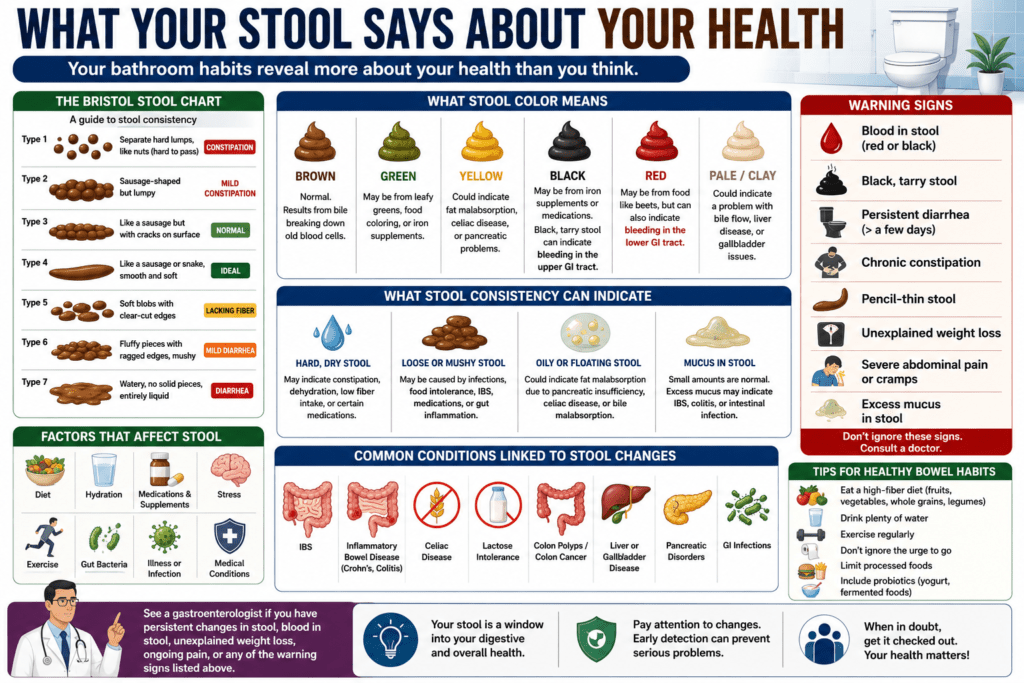
What Your Stool Says About Your Health: Your Bathroom Habits Reveal More Than You Think
Most people don’t pay much attention to their stool unless something seems unusual. However, your bowel movements can provide valuable clues about your digestive health and overall well-being. Changes in stool color, consistency, shape, or frequency may reflect simple dietary changes—or they may be an early sign of an underlying medical condition.
While occasional variations are usually harmless, persistent or significant changes should never be ignored. Understanding what is normal and what isn’t can help you identify potential health problems early and seek timely medical care.
In this comprehensive guide, we’ll explore what your stool can reveal about your health, common stool changes, warning signs to watch for, and when it’s time to consult a gastroenterologist.
Why Is Stool an Indicator of Health?
Your digestive system processes food, absorbs nutrients, removes waste, and supports your body’s overall health. Stool is the final product of this process, so its appearance often reflects how well your digestive system is functioning.
Healthy stool can provide insight into:
- Digestive function
- Diet and hydration
- Gut bacteria
- Liver and gallbladder health
- Pancreatic function
- Intestinal health
- Bleeding in the digestive tract
Monitoring changes over time can help identify issues before they become serious.
What Does Healthy Stool Look Like?
Healthy stool generally has the following characteristics:
- Medium to dark brown color
- Soft but well-formed
- Smooth surface
- Easy to pass
- No blood
- No excessive mucus
- Mild odor
- Frequency ranging from three times a day to three times a week, depending on the individual
Everyone’s bowel habits are slightly different, so it’s important to know what is normal for you.
Understanding the Bristol Stool Chart
The Bristol Stool Chart is a commonly used tool that classifies stool into seven types based on its shape and consistency.
Type 1 – Separate Hard Lumps
Appears like small, hard pellets.
May indicate:
- Constipation
- Dehydration
- Low-fiber diet
Type 2 – Sausage-Shaped but Lumpy
Also suggests constipation.
Increasing water intake and dietary fiber may help.
Type 3 – Sausage with Cracks
Generally considered healthy.
Type 4 – Smooth, Soft Sausage or Snake
This is considered the ideal stool.
It is easy to pass and usually indicates healthy digestion.
Type 5 – Soft Blobs
May indicate a lack of dietary fiber.
Type 6 – Mushy Stool
Often associated with mild diarrhea or irritation of the intestines.
Type 7 – Watery Stool
Represents diarrhea.
Persistent diarrhea requires medical evaluation to identify the underlying cause and prevent dehydration.
What Different Stool Colors Mean
Color changes often reflect diet, medications, or supplements, but sometimes they signal medical conditions.
Brown Stool
Brown is the normal color due to bile produced by the liver and modified by bacteria in the intestine.
Green Stool
Green stool may result from:
- Eating leafy vegetables
- Green food coloring
- Iron supplements
- Food moving too quickly through the intestines
Occasional green stool is usually harmless.
Yellow Stool
Yellow, greasy, or foul-smelling stool may indicate problems with fat absorption.
Possible causes include:
- Celiac disease
- Pancreatic disorders
- Chronic pancreatitis
- Giardiasis
Persistent yellow stool should be evaluated.
Black Stool
Black stool may be caused by:
- Iron supplements
- Certain medications (such as bismuth-containing products)
However, black, tarry stool can also indicate bleeding in the upper digestive tract and requires immediate medical attention.
Red Stool
Red stool may occur after eating foods like beetroot, but it can also indicate bleeding from the lower digestive tract.
Possible causes include:
- Hemorrhoids
- Anal fissures
- Colon polyps
- Inflammatory bowel disease
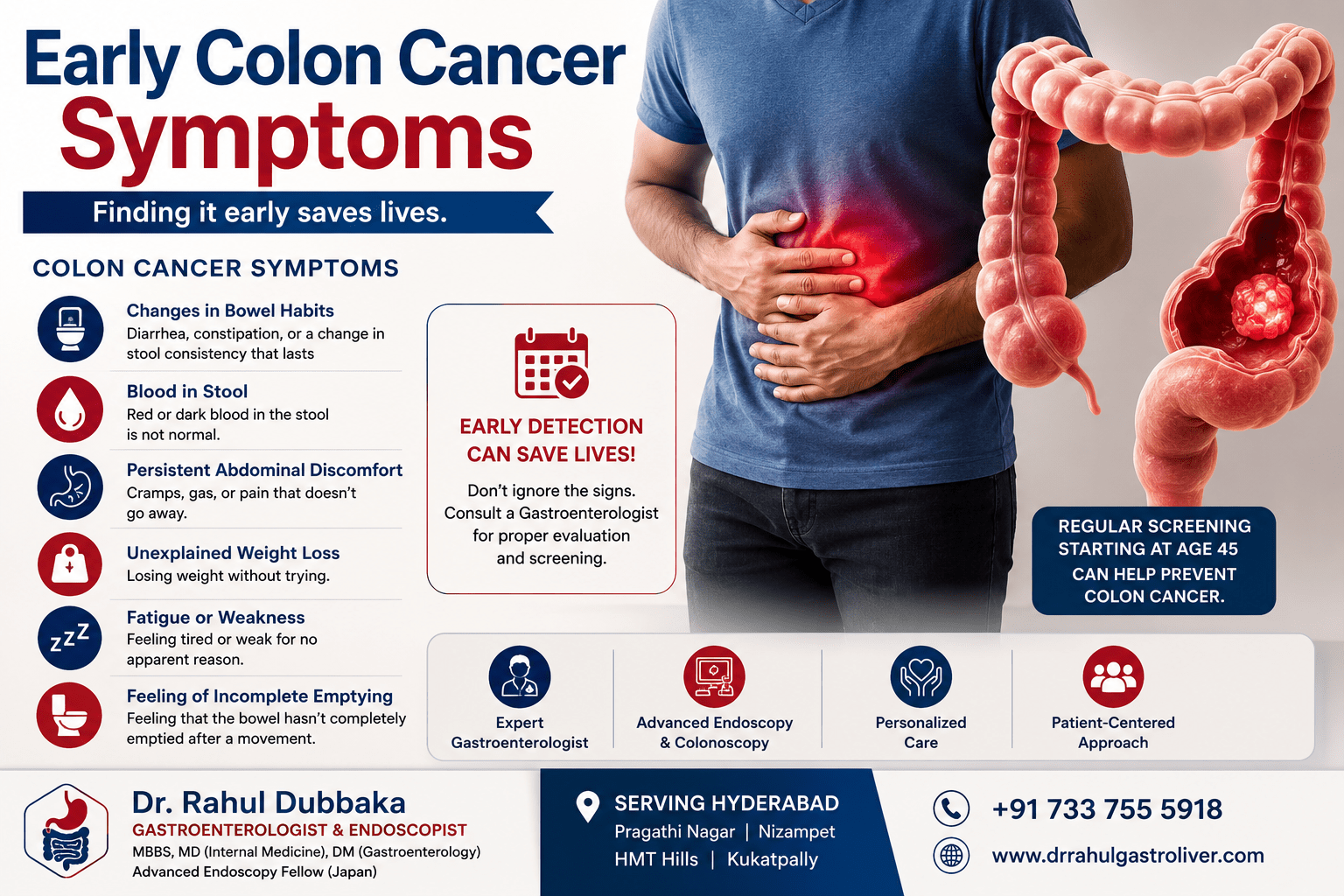
- Colorectal cancer
Visible blood in the stool should always be evaluated by a healthcare professional.
Pale or Clay-Colored Stool
Very light-colored stool may indicate reduced bile flow.
Possible causes include:
- Gallstones
- Liver disease
- Bile duct obstruction
Medical evaluation is important if this persists.
What Stool Consistency Can Tell You
Hard Stool
Often associated with:
- Dehydration
- Low fiber intake
- Constipation
- Certain medications
Loose Stool
May result from:
- Viral or bacterial infections
- Food intolerance
- IBS
- Certain medications
Persistent diarrhea should not be ignored.
Oily or Floating Stool
Occasional floating stool isn’t necessarily concerning.
However, greasy or oily stool that is difficult to flush may indicate poor fat absorption due to pancreatic, liver, or intestinal disorders.
How Often Should You Have a Bowel Movement?
Normal bowel frequency varies.
Healthy bowel habits may range from:
- Three bowel movements per day
- To three bowel movements per week
The most important factor is consistency. A sudden, persistent change in your normal pattern deserves medical attention.
What Does Mucus in Stool Mean?
A small amount of mucus is normal because it helps lubricate the intestines.
However, excessive mucus may indicate:
- Irritable Bowel Syndrome (IBS)
- Ulcerative colitis
- Crohn’s disease
- Intestinal infections
If mucus is accompanied by blood, pain, or diarrhea, consult your doctor.
When Should You Be Concerned?
Seek medical advice if you notice:
Blood in the Stool
Never assume rectal bleeding is caused only by hemorrhoids.
Medical evaluation is essential.
Persistent Black Stool
Black, tarry stool may indicate internal bleeding.
Seek immediate medical attention.
Persistent Diarrhea
Diarrhea lasting more than a few days can lead to dehydration and may indicate infection or inflammatory bowel disease.
Chronic Constipation
Constipation lasting several weeks should be evaluated to identify the underlying cause.
Pencil-Thin Stool
Persistently narrow stools may indicate a blockage or narrowing in the colon and should be assessed by a healthcare professional.
Unexplained Weight Loss
Weight loss combined with bowel changes should never be ignored.
Severe Abdominal Pain
Pain accompanied by changes in bowel habits requires prompt medical evaluation.
Conditions That Can Affect Stool
Several digestive disorders can change stool appearance or bowel habits.
These include:
- Irritable Bowel Syndrome (IBS)
- Inflammatory Bowel Disease (Crohn’s disease and ulcerative colitis)
- Celiac disease
- Lactose intolerance
- Colon polyps
- Colorectal cancer
- Gallbladder disease
- Liver disease
- Pancreatic disorders
- Gastrointestinal infections
Proper diagnosis is important because treatment depends on the underlying cause.
How Gastroenterologists Diagnose Stool-Related Problems
Depending on your symptoms, your doctor may recommend:
Medical History and Physical Examination
A detailed history helps identify patterns and possible causes.
Stool Tests
These may detect:
- Blood
- Infection
- Parasites
- Inflammation
- Fat malabsorption
Blood Tests
Blood work can evaluate anemia, infection, liver function, and nutritional deficiencies.
Colonoscopy
A colonoscopy allows direct examination of the colon and can identify polyps, inflammation, bleeding, or colorectal cancer.
Endoscopy
Upper digestive symptoms may require an upper GI endoscopy.
Imaging Studies
Ultrasound, CT scans, or MRI may be recommended when liver, gallbladder, or pancreatic disease is suspected.
Tips for Maintaining Healthy Bowel Habits
Healthy digestive habits support healthy stool.
Eat More Fiber
Include:
- Fruits
- Vegetables
- Whole grains
- Beans
- Lentils
Adults should aim for adequate daily fiber intake through a balanced diet.
Stay Hydrated
Water helps keep stool soft and supports normal bowel movements.
Exercise Regularly
Physical activity stimulates healthy bowel function.
Aim for at least 150 minutes of moderate exercise each week.
Don’t Ignore the Urge
Delaying bowel movements may contribute to constipation.
Limit Processed Foods
Highly processed foods are often low in fiber and may negatively affect gut health.
Include Probiotic Foods
Yogurt with live cultures, kefir, and fermented foods may support a healthy gut microbiome.
When Should You See a Gastroenterologist?
Consult a gastroenterologist if you experience:
- Blood in your stool
- Black or tarry stools
- Persistent diarrhea
- Chronic constipation
- Ongoing abdominal pain
- Unexplained weight loss
- Persistent changes in bowel habits
- Mucus accompanied by pain or bleeding
- Pale stools lasting several days
Early evaluation can identify digestive disorders before complications develop.
Frequently Asked Questions
Is it normal for stool color to change?
Yes. Temporary changes are often related to diet or medications. Persistent changes, especially black, red, or pale stools, should be evaluated.
What foods improve bowel health?
High-fiber foods such as fruits, vegetables, legumes, and whole grains, along with adequate hydration, support healthy bowel movements.
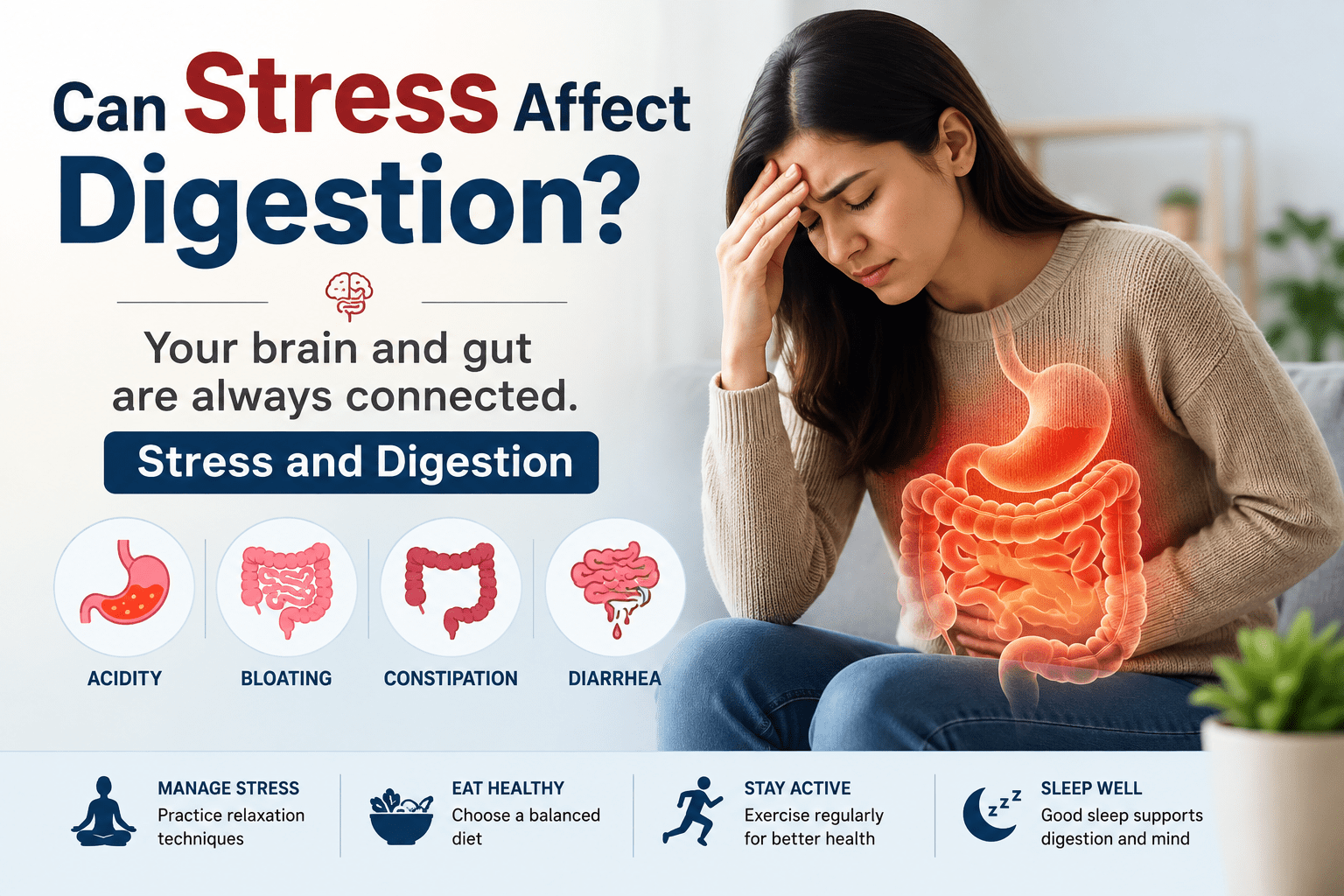
Can stress affect bowel habits?
Yes. Stress can affect the digestive system and contribute to diarrhea, constipation, or IBS symptoms.
Is floating stool always a concern?
Not necessarily. Occasional floating stool may occur due to swallowed air. Persistent greasy or oily floating stool should be assessed by a healthcare professional.
Final Thoughts
Your stool offers valuable insight into your digestive and overall health. Paying attention to changes in color, consistency, shape, and frequency can help you recognize early signs of digestive disorders, nutritional issues, or more serious medical conditions.
While occasional changes are often harmless, persistent symptoms such as blood in the stool, black or pale stools, chronic diarrhea, constipation, unexplained weight loss, or ongoing abdominal pain should never be ignored.
If you notice unusual changes in your bowel habits that last more than a few days or are accompanied by other concerning symptoms, consult a gastroenterologist. Early diagnosis and treatment can significantly reduce the risk of complications and help maintain lifelong digestive health.
Your bathroom habits may seem routine, but they can provide important clues about your health. Listening to these signals is a simple yet powerful step toward protecting your digestive well-being.