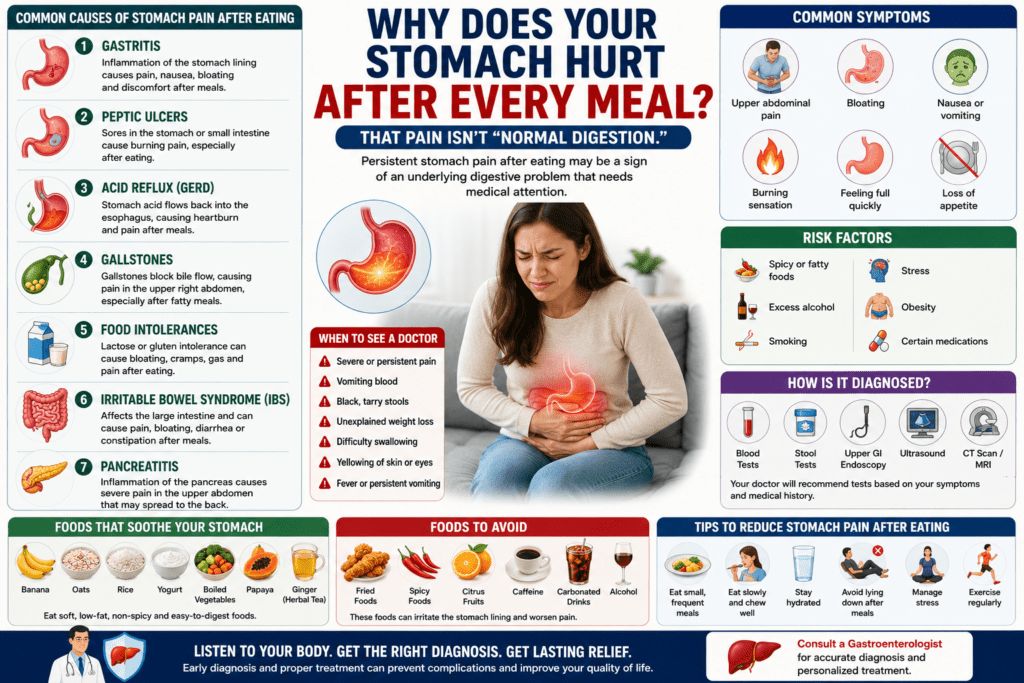
Why Does Your Stomach Hurt After Every Meal?
That pain isn’t “normal digestion.”
Eating should leave you feeling satisfied and energized—not in pain. While occasional discomfort after a heavy or spicy meal is common, experiencing stomach pain after nearly every meal is not normal. Persistent pain after eating may indicate an underlying digestive disorder that deserves medical attention.
Some people feel a burning sensation in the upper abdomen, while others experience cramping, bloating, sharp pain, or a feeling of fullness soon after eating. The discomfort may start immediately after a meal or develop an hour or two later, depending on the underlying cause.
Many digestive conditions can trigger stomach pain after eating, including acid reflux, gastritis, peptic ulcers, gallstones, food intolerances, irritable bowel syndrome (IBS), pancreatitis, and even more serious illnesses. Identifying the exact cause is essential because treatment varies depending on the condition.
The encouraging news is that many causes of post-meal stomach pain can be effectively treated, especially when diagnosed early. In this guide, you’ll learn why stomach pain occurs after eating, common causes, warning signs, diagnosis, treatment options, and practical ways to protect your digestive health.
Is Stomach Pain After Eating Normal?
Mild fullness after a large meal may be expected. However, repeated or severe abdominal pain after eating is not a normal part of digestion.
Pain that happens regularly should always be evaluated, particularly if it:
- Occurs after most meals
- Lasts for several weeks
- Worsens over time
- Interferes with eating
- Causes weight loss
- Is associated with vomiting or blood in the stool
Common Causes of Stomach Pain After Eating
1. Gastritis
Gastritis is inflammation of the stomach lining.
Common causes include:
- Helicobacter pylori (H. pylori) infection
- Long-term use of pain relievers such as NSAIDs
- Excess alcohol consumption
- Stress related to severe illness
Symptoms
- Burning stomach pain
- Nausea
- Vomiting
- Bloating
- Loss of appetite
Pain often becomes worse shortly after eating.
2. Peptic Ulcers
Ulcers are sores that develop in the stomach or the first part of the small intestine.
Common causes include:
- H. pylori infection
- Long-term NSAID use
Symptoms
- Burning abdominal pain
- Pain after meals (stomach ulcers)
- Pain several hours after meals (duodenal ulcers)
- Bloating
- Nausea
Untreated ulcers may bleed or perforate, making early treatment important.
3. Acid Reflux (GERD)
GERD occurs when stomach acid flows back into the esophagus.
Symptoms
- Heartburn
- Chest discomfort
- Sour taste in the mouth
- Upper abdominal pain
- Pain after eating
Fatty and spicy foods often trigger symptoms.
4. Gallstones
Gallstones can block the flow of bile after meals, especially after eating fatty foods.
Symptoms
- Severe pain in the upper right abdomen
- Pain after fatty meals
- Nausea
- Vomiting
- Pain that may spread to the right shoulder or back
Gallstone attacks often begin within an hour after eating.
5. Food Intolerances
Some people cannot properly digest certain foods.
Examples include:
- Lactose intolerance
- Fructose intolerance
- Gluten-related disorders
Symptoms
- Cramping
- Gas
- Diarrhea
- Bloating
- Stomach pain
Symptoms usually occur soon after consuming trigger foods.
6. Irritable Bowel Syndrome (IBS)
IBS is a common functional digestive disorder.
Symptoms
- Abdominal pain
- Bloating
- Constipation
- Diarrhea
- Pain that improves after passing stool
Eating may trigger symptoms in many individuals.
7. Pancreatitis
The pancreas produces digestive enzymes that help break down food.
Inflammation of the pancreas can cause severe pain after eating.
Symptoms
- Upper abdominal pain
- Pain radiating to the back
- Nausea
- Vomiting
- Fever (in acute cases)
Pancreatitis requires prompt medical attention.
8. Celiac Disease
People with celiac disease develop an immune reaction after consuming gluten.
Symptoms include:
- Stomach pain
- Diarrhea
- Weight loss
- Fatigue
- Nutrient deficiencies
A lifelong gluten-free diet is the primary treatment.
9. Constipation
Constipation can cause abdominal discomfort that becomes more noticeable after eating because the intestines are already full.
Symptoms include:
- Hard stools
- Infrequent bowel movements
- Bloating
- Abdominal pressure
10. Functional Dyspepsia
Functional dyspepsia causes chronic upper abdominal discomfort without an identifiable structural problem.
Symptoms include:
- Fullness after small meals
- Upper abdominal pain
- Early satiety
- Bloating
Where Is the Pain?
The location of pain can provide important clues.
Upper Abdomen
May indicate:
- Gastritis
- Peptic ulcers
- GERD
Upper Right Abdomen
Often associated with:
- Gallstones
- Liver disease
Middle Upper Abdomen
Possible causes:
- Pancreatitis
- Gastritis
Lower Abdomen
May suggest:
- IBS
- Constipation
- Intestinal disorders
A proper diagnosis requires a complete medical evaluation.
Warning Signs That Need Immediate Medical Attention
Seek urgent medical care if stomach pain is accompanied by:
- Vomiting blood
- Black, tarry stools
- Severe or sudden abdominal pain
- High fever
- Persistent vomiting
- Difficulty swallowing
- Yellowing of the skin or eyes
- Unexplained weight loss
- Fainting or dizziness
These symptoms may indicate a serious condition.
How Is Stomach Pain After Eating Diagnosed?
A gastroenterologist may recommend:
Blood Tests
To evaluate:
- Infection
- Liver function
- Pancreatic enzymes
- Inflammation
- Anemia
Stool Tests
Helpful for detecting:
- H. pylori (in some settings)
- Infection
- Blood
- Inflammation
Upper GI Endoscopy
Allows direct visualization of:
- Esophagus
- Stomach
- Duodenum
Useful for diagnosing gastritis, ulcers, and GERD.
Abdominal Ultrasound
Often recommended to identify:
- Gallstones
- Fatty liver
- Liver disease
CT Scan or MRI
Provides detailed images when more information is needed.
Colonoscopy
Recommended if lower gastrointestinal symptoms, bleeding, or bowel habit changes are present.
Treatment Depends on the Cause
Treatment varies according to the underlying diagnosis.
Possible approaches include:
- Acid-reducing medications for GERD or gastritis
- Antibiotics for H. pylori infection
- Avoiding trigger foods for food intolerances
- Medications for IBS
- Gallbladder surgery for symptomatic gallstones
- Pancreatitis treatment in a hospital when necessary
Self-medicating without identifying the cause may delay appropriate treatment.
Lifestyle Tips to Reduce Pain After Eating
Eat Smaller Meals
Large meals increase pressure on the digestive system.
Smaller, more frequent meals may reduce symptoms.
Eat Slowly
Chew food thoroughly and avoid swallowing excess air.
Limit Trigger Foods
Depending on your condition, common triggers may include:
- Fried foods
- Fatty foods
- Spicy foods
- Carbonated beverages
- Excess caffeine
- Alcohol
Keep a food diary to identify personal triggers.
Stay Hydrated
Adequate water intake supports healthy digestion and bowel function.
Maintain a Healthy Weight
Excess weight increases the risk of GERD, gallstones, and fatty liver disease.
Exercise Regularly
Moderate physical activity supports digestion and overall gastrointestinal health.
Avoid vigorous exercise immediately after eating.
Foods That Support Digestive Health
Choose foods such as:
- Oats
- Brown rice
- Bananas
- Papaya
- Apples
- Carrots
- Spinach
- Yogurt (if tolerated)
- Lean chicken
- Fish
- Lentils
Individual dietary recommendations may vary depending on your diagnosis.
Common Myths About Stomach Pain
Myth: Pain after eating is just indigestion.
Fact: Persistent pain may indicate ulcers, gallstones, pancreatitis, or other digestive diseases.
Myth: Antacids cure every stomach problem.
Fact: While antacids may relieve some symptoms, they do not treat conditions such as H. pylori infection, gallstones, or pancreatitis.
Myth: Skipping meals prevents stomach pain.
Fact: Skipping meals can worsen some digestive conditions, including gastritis and ulcers.
Myth: Only spicy food causes stomach pain.
Fact: Many digestive disorders cause pain regardless of the type of food eaten.
Frequently Asked Questions
Why does my stomach hurt every time I eat?
Persistent pain after meals may result from gastritis, ulcers, GERD, gallstones, food intolerances, IBS, pancreatitis, or other digestive disorders. A medical evaluation is recommended if symptoms continue.
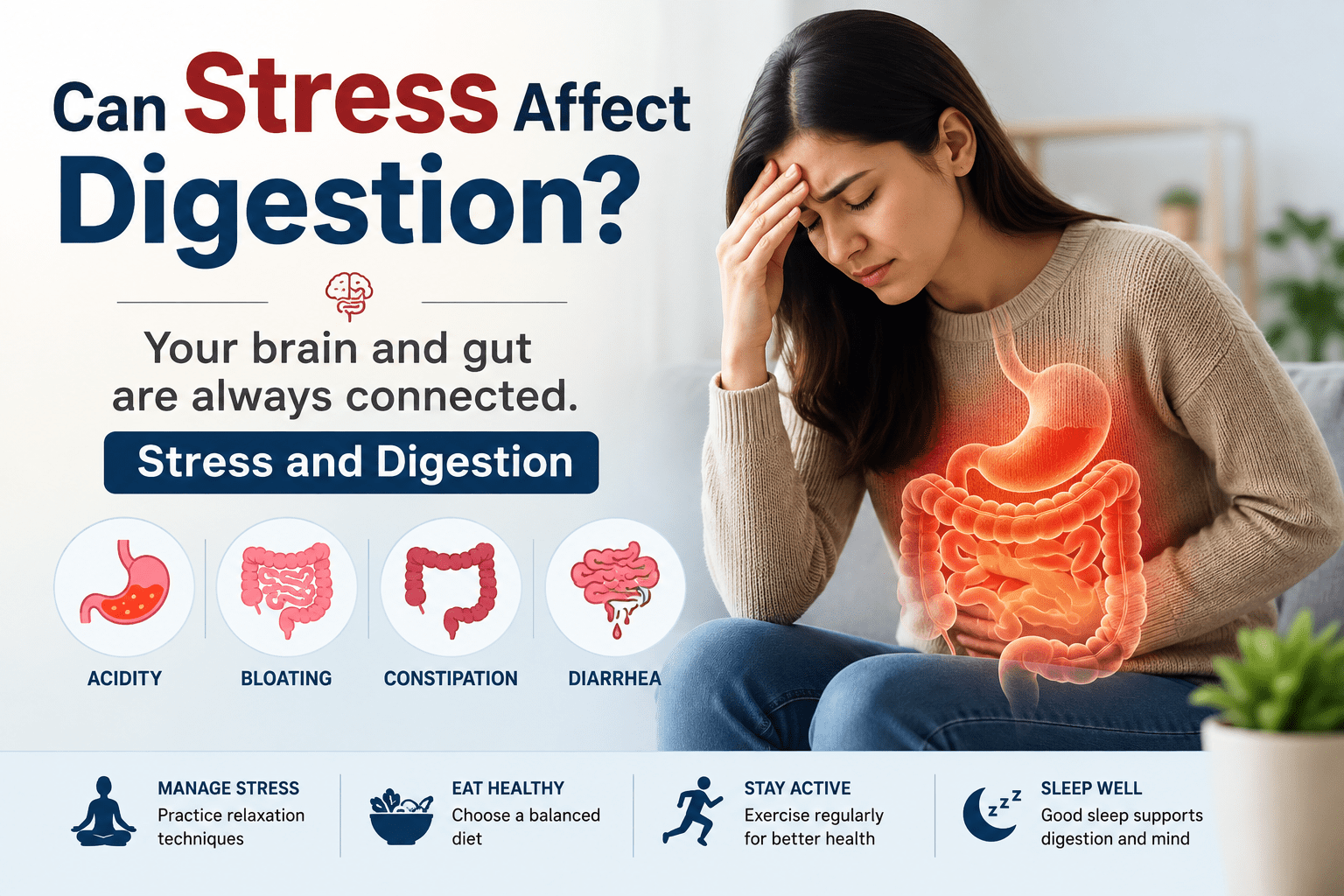
Can stress cause stomach pain after eating?
Yes. Stress can worsen functional digestive disorders such as IBS and functional dyspepsia, though it is not the only possible cause.
Is stomach pain after eating a sign of cancer?
Most cases are not caused by cancer. However, persistent pain with unexplained weight loss, anemia, or bleeding requires prompt medical assessment.
Should I have an endoscopy?
An upper GI endoscopy may be recommended if you have persistent upper abdominal pain, difficulty swallowing, recurrent vomiting, gastrointestinal bleeding, or symptoms that do not improve with treatment.
When Should You See a Gastroenterologist?
Schedule an appointment if you experience:
- Pain after most meals
- Persistent heartburn
- Recurrent nausea or vomiting
- Blood in the stool
- Black stools
- Difficulty swallowing
- Unexplained weight loss
- Severe bloating
- Abnormal liver tests
- Symptoms lasting more than a few weeks
Early diagnosis often leads to more effective treatment and prevents complications.
Final Thoughts
Experiencing stomach pain after every meal is not a normal part of digestion. While occasional discomfort after overeating can happen, recurring pain may signal conditions such as gastritis, peptic ulcers, acid reflux, gallstones, food intolerances, IBS, pancreatitis, or other digestive disorders.
Ignoring these symptoms or relying only on temporary relief from over-the-counter medications may allow the underlying problem to worsen. Fortunately, modern diagnostic tools such as blood tests, ultrasound, endoscopy, and other imaging studies can help identify the cause and guide appropriate treatment.
By eating a balanced diet, avoiding known trigger foods, maintaining a healthy lifestyle, and seeking timely medical evaluation, you can protect your digestive health and prevent complications.
If your stomach hurts after nearly every meal, don’t dismiss it as “normal digestion.” Your body is sending an important message—and getting the right diagnosis is the first step toward lasting relief.