
Hepatitis A Treatment in Hyderabad
Looking for Hepatitis A treatment in Hyderabad? Consult Dr. Rahul Dubbaka, an experienced gastroenterologist offering expert diagnosis and liver care. Book your appointment today. Liver health plays a vital role in overall well-being. One of the most common viral liver infections affecting both children and adults is Hepatitis A. If you or your family member is experiencing symptoms like jaundice, fatigue, or abdominal pain, consulting an experienced gastroenterologist is essential.
What is Hepatitis A?
Hepatitis A is a contagious liver infection caused by the Hepatitis A virus (HAV). Unlike Hepatitis B or C, Hepatitis A does not usually lead to chronic liver disease. However, it can cause significant discomfort and temporary liver inflammation.
The infection spreads mainly through the fecal-oral route, meaning it is transmitted when a person consumes contaminated food or water or has close contact with an infected individual.
How Common is Hepatitis A in India?
Hepatitis A is relatively common in developing countries, including India, due to sanitation challenges and water contamination in certain areas. Children are frequently exposed at an early age. While many recover without complications, adults may experience more severe symptoms.
This makes early diagnosis and proper medical supervision very important.
Causes of Hepatitis A
Hepatitis A spreads through:
Contaminated drinking water
Improperly cooked or raw food
Street food prepared in unhygienic conditions
Poor hand hygiene
Close contact with an infected person
Travel to areas with poor sanitation
In urban areas like Hyderabad, outbreaks may occur due to contaminated water supply or food sources.
Symptoms of Hepatitis A
Symptoms usually appear 2 to 6 weeks after exposure to the virus.
Common symptoms include:
Fever
Extreme fatigue
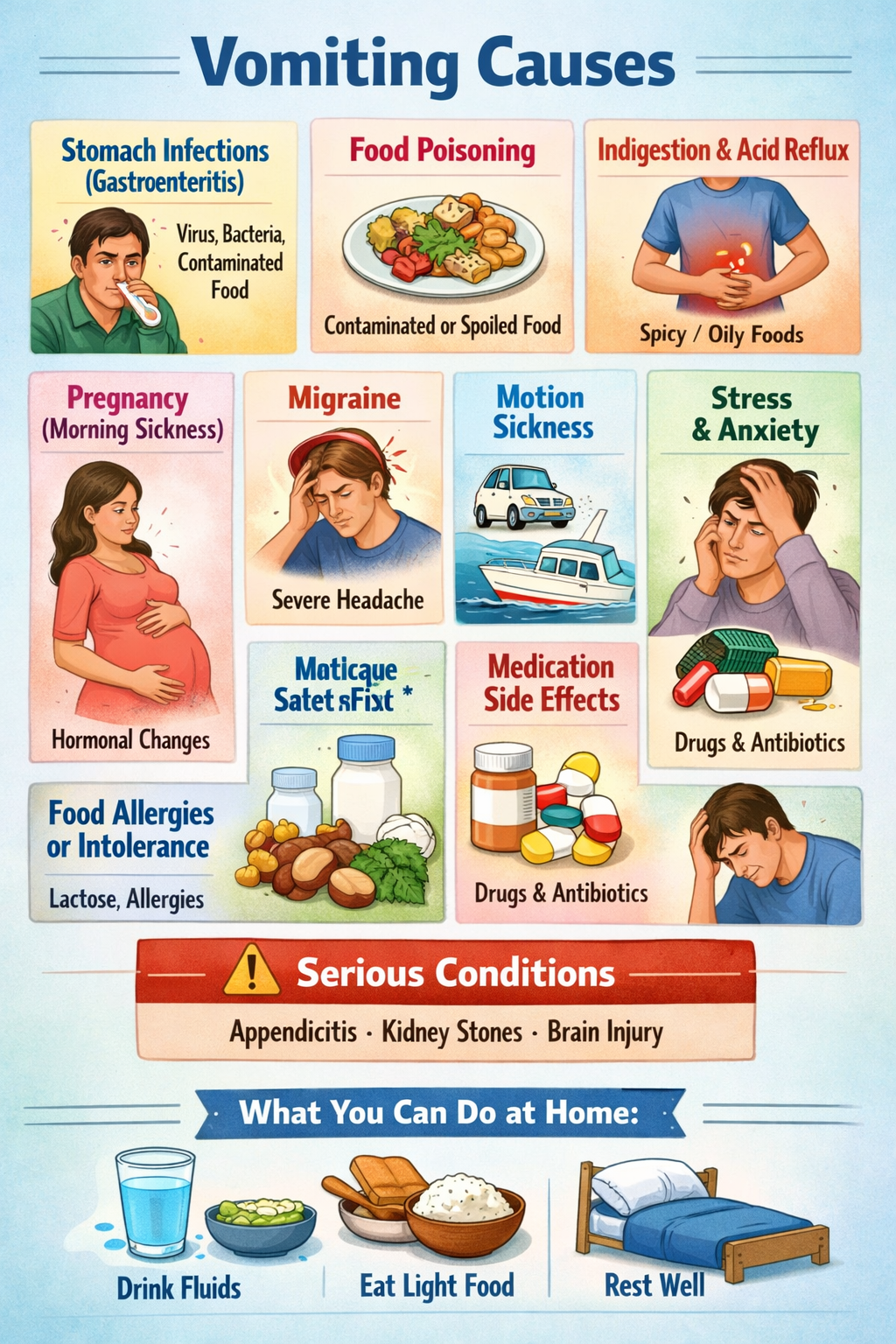
Nausea and vomiting
Loss of appetite
Abdominal pain (especially right upper side)
Dark-colored urine
Pale stools
Yellowing of eyes and skin (jaundice)
Children under 6 years may show mild or no symptoms. Adults typically experience more noticeable signs.
If symptoms worsen or persist, medical consultation is strongly recommended.
When Should You See a Doctor?
You should consult a gastroenterologist if you experience:
Yellowing of eyes or skin
Persistent vomiting
Severe abdominal pain
Extreme weakness
Signs of dehydration
Early medical care ensures proper monitoring of liver function and prevents rare but serious complications.
Diagnosis of Hepatitis A
Dr Rahul Dubbaka performs a detailed clinical evaluation and may recommend:
1. Blood Tests
HAV IgM antibodies (to confirm active infection)
2. Liver Function Tests (LFT)
To check liver enzyme levels
To assess the severity of inflammation
3. Physical Examination
Checking for jaundice
Assessing abdominal tenderness
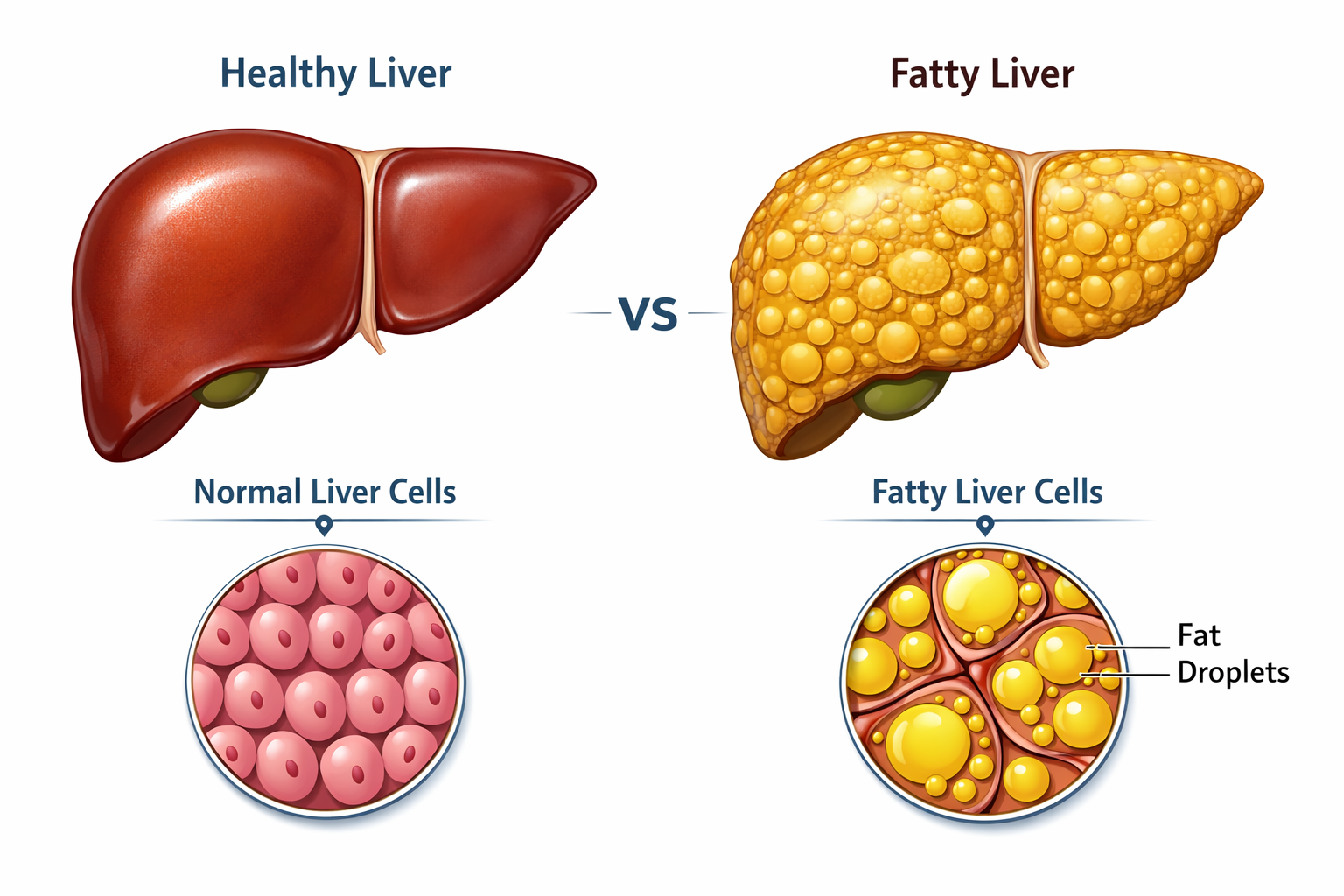
Timely diagnosis helps differentiate Hepatitis A from other liver diseases such as Hepatitis B or fatty liver disease.
Treatment for Hepatitis A
There is no specific antiviral medication for Hepatitis A. Treatment focuses on supportive care while the body clears the virus naturally.
Dr Rahul Dubbaka may recommend:
✔ Rest
Adequate rest is essential to allow the liver to recover.
✔ Hydration
Drink plenty of fluids to prevent dehydration.
✔ Nutritious Diet
Light, easily digestible food
Avoid oily and spicy items
Increase fruits and vegetables
✔ Avoid Alcohol
Alcohol can worsen liver inflammation and delay recovery.
✔ Regular Monitoring
Follow-up liver function tests may be advised until complete recovery.
Most patients recover within 4 to 8 weeks without long-term liver damage.
Can Hepatitis A Become Serious?
In most cases, Hepatitis A is self-limiting and resolves completely. However, in rare situations, especially in elderly patients or those with pre-existing liver disease, it can lead to:
Acute liver failure
Severe dehydration
Prolonged jaundice
This is why expert supervision by a gastroenterologist is important.
Prevention of Hepatitis A
Prevention is always better than cure. Important preventive measures include:
1. Vaccination
Hepatitis A vaccine is safe and highly effective. It is especially recommended for:
Children
Travelers
People with chronic liver disease
2. Safe Drinking Water
Always drink filtered or boiled water.
3. Proper Hand Hygiene
Wash hands before meals and after using the restroom.
4. Safe Food Practices
Avoid raw seafood
Avoid street food in unhygienic conditions
Eat freshly cooked meals
5. Sanitation Awareness
Maintaining clean surroundings reduces the risk of outbreaks.
Diet Tips During Hepatitis A Recovery
Patients are often confused about what to eat during liver infection. Here are some practical suggestions:
Recommended:
Coconut water
Fresh fruit juices (without added sugar)
Boiled vegetables
Rice, dal, khichdi
Curd and buttermilk
Avoid:
Fried food
Spicy curries
Red meat
Processed junk food
Alcohol
A balanced diet helps faster liver recovery.
Why Choose Dr Rahul Dubbaka for Hepatitis A Treatment?
Patients in Hyderabad choose Dr Rahul Dubbaka because of:
Expertise in liver and digestive disorders
Accurate diagnosis
Patient-friendly approach
Advanced liver evaluation methods
Clear explanation of treatment plans
Early consultation ensures faster recovery and peace of mind.
Book a Consultation
If you are experiencing symptoms of Hepatitis A or have concerns about liver health, consult Dr Rahul Dubbaka in Hyderabad for proper evaluation and treatment guidance.
Early diagnosis, proper rest, hydration, and expert supervision ensure a smooth and complete recovery.
Frequently Asked Questions (FAQ)
1. How long does Hepatitis A last?
Most people recover within 4 to 8 weeks.
2. Is Hepatitis A contagious?
Yes, it spreads through contaminated food, water, and close contact.
3. Can Hepatitis A cause chronic liver disease?
No, it does not usually become chronic.
4. Is vaccination necessary in adults?
Yes, especially for those at higher risk or living in outbreak-prone areas.
5. Can children recover completely?
Yes, children usually recover fully and often have mild symptoms.