Hiatal Hernia: Causes, Symptoms, Diagnosis, and Treatment

Introduction
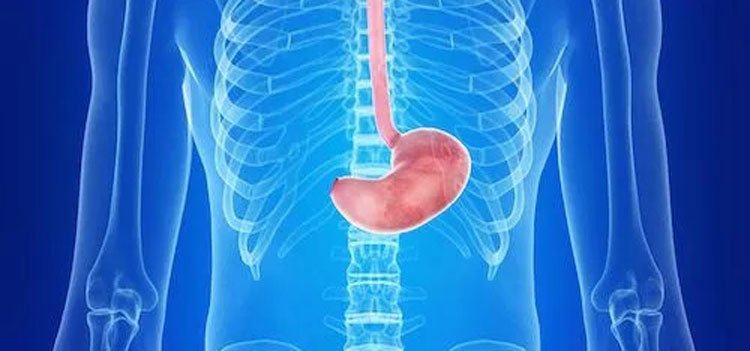
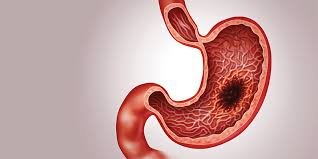
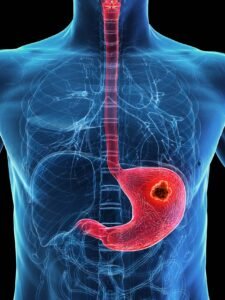
A hiatal hernia is a digestive condition in which a portion of the stomach moves upward through the diaphragm into the chest cavity. The diaphragm normally separates the chest from the abdomen and helps prevent acid reflux. When this natural barrier weakens, digestive symptoms such as heartburn and regurgitation may occur. This condition is common, especially in adults over 50, and many people remain unaware of it.
What Is a Hiatal Hernia?
This condition occurs when the diaphragmatic opening (hiatus) becomes weak or enlarged, allowing the upper part of the stomach to slide into the chest. Small hernias often cause no symptoms, while larger ones may contribute to gastroesophageal reflux disease (GERD) and related complications.
Types of Hiatal Hernia
Sliding Hernia
This is the most common form. The junction between the stomach and esophagus moves upward into the chest, particularly during swallowing or lying down.
Paraesophageal Hernia
In this less common type, the stomach pushes up beside the esophagus while the esophagus stays in place. Although symptoms may be mild initially, this type can become serious and sometimes requires surgery.
Causes
Several factors can contribute to the development of this stomach condition, including:
Age-related weakening of the diaphragm
Increased abdominal pressure due to obesity, pregnancy, or chronic coughing
Heavy lifting or repeated straining
Injury or trauma affecting the diaphragm
Symptoms
Symptoms
Many individuals experience no noticeable symptoms. When symptoms are present, they may include:
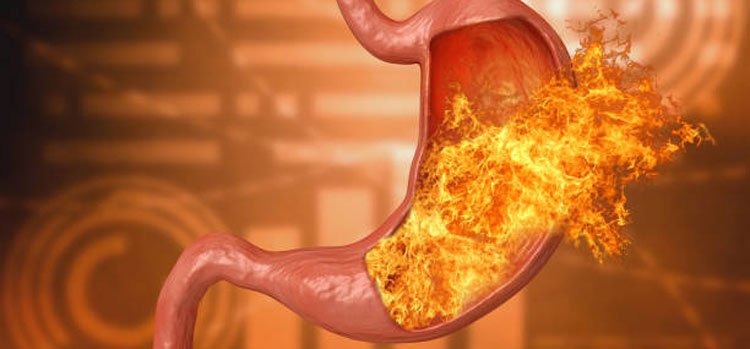
Heartburn
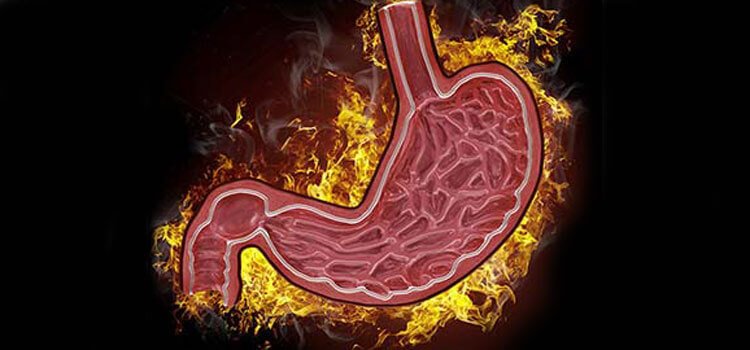
Acid reflux
Chest discomfort
Difficulty swallowing
Regurgitation of food or sour liquid
Shortness of breath in severe cases
How Is It Diagnosed?
Doctors may use one or more of the following tests:
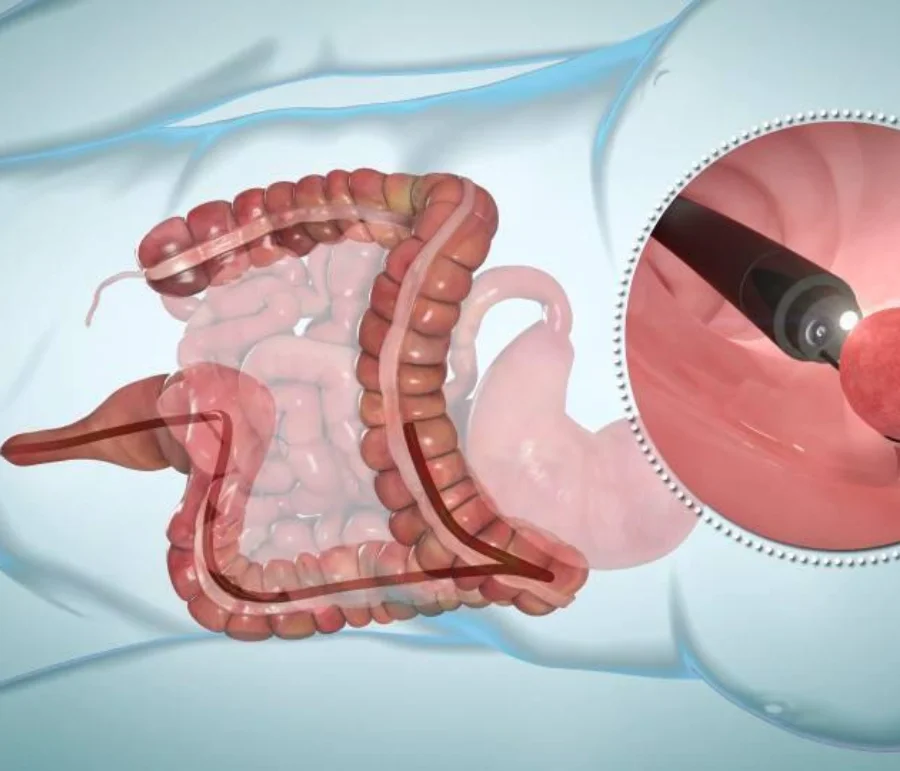
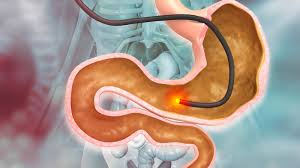
Upper gastrointestinal endoscopy
Barium swallow X-ray
Esophageal manometry
pH monitoring to measure acid exposure
Treatment Options
Lifestyle Changes
Eat smaller, more frequent meals
Avoid spicy, fatty, and acidic foods
Elevate the head while sleeping
Lose weight if overweight
Medications
Antacids
H2 receptor blockers
Proton pump inhibitors (PPIs)
Surgical Treatment
Surgery may be recommended when symptoms are severe or complications develop. Procedures such as laparoscopic fundoplication help strengthen the valve between the stomach and esophagus.
Possible Complications
If left untreated, this condition may lead to:
Chronic acid reflux
Inflammation of the esophagus
Esophageal ulcers
Strangulation of the stomach (rare but serious)
Prevention Tips
Maintain a healthy body weight
Avoid heavy lifting and straining
Quit smoking
Manage chronic cough or constipation
When to See a Doctor
Consult a healthcare professional if you experience persistent heartburn, trouble swallowing, chest pain, or symptoms that do not improve with medication.
Conclusion
A hiatal hernia is a common digestive disorder that can cause acid reflux and discomfort. With proper diagnosis, lifestyle changes, and appropriate treatment, most people can control symptoms effectively and prevent complications.
Excerpt
A hiatal hernia occurs when part of the stomach moves upward through the diaphragm, often leading to acid reflux, heartburn, and difficulty swallowing.
People Also Ask (FAQs)
1. Is this condition dangerous?
Most cases are not dangerous. However, larger or paraesophageal hernias may cause complications and require medical care.
2. Can it heal on its own?
It usually does not resolve naturally, but symptoms can be managed with lifestyle changes and medication.
3. Is surgery always required?
No. Surgery is recommended only in severe cases or when complications occur.
4. Which foods should be avoided?
Limit spicy foods, fatty meals, caffeine, chocolate, alcohol, and acidic foods to reduce symptoms.