Upper Abdomen Endoscopy (Gastroscopy) in Hyderabad – Expert Care by Dr. Rahul Dubbaka

Upper Abdomen Endoscopy (Gastroscopy) in Hyderabad

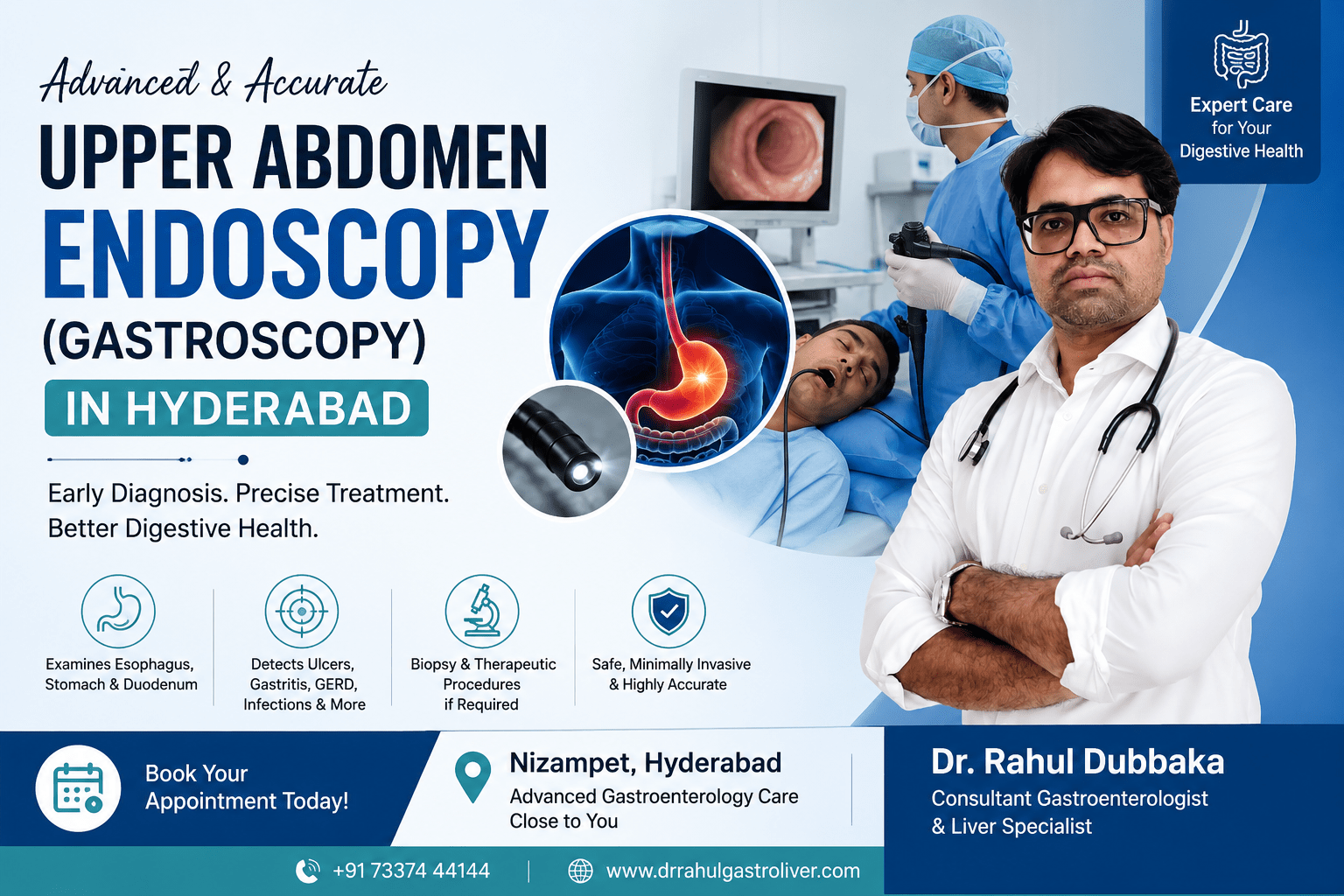
Upper Abdomen Endoscopy, also known as Gastroscopy or Upper GI Endoscopy, is a safe and minimally invasive procedure used to examine the esophagus, stomach, and the first part of the small intestine (duodenum). It helps diagnose the cause of persistent digestive symptoms and enables early detection of gastrointestinal diseases. If you are looking for Upper Abdomen Endoscopy (Gastroscopy) in Hyderabad, Dr. Rahul Dubbaka offers advanced diagnostic and therapeutic endoscopy using modern equipment and a patient-centered approach.

What is Upper Abdomen Endoscopy (Gastroscopy)?

Gastroscopy is a procedure in which a thin, flexible tube with a high-definition camera is gently passed through the mouth into the upper digestive tract. The procedure provides clear, real-time images of the esophagus, stomach, and duodenum, allowing your gastroenterologist to identify abnormalities accurately. If necessary, small tissue samples (biopsies) can be collected during the procedure for laboratory analysis without causing significant discomfort.

Why is Gastroscopy Performed?

Your doctor may recommend an upper GI endoscopy if you experience persistent digestive symptoms or require further evaluation of the upper digestive tract. Common reasons include:

  • Persistent acidity or acid reflux (GERD)
  • Upper abdominal pain
  • Difficulty swallowing (Dysphagia)
  • Frequent nausea or vomiting
  • Indigestion that does not improve
  • Stomach ulcers
  • Gastritis
  • Unexplained weight loss
  • Vomiting blood or black stools
  • Screening for Barrett’s Esophagus
  • Evaluation of upper gastrointestinal bleeding

Early diagnosis allows prompt treatment and helps prevent serious complications.

Conditions Diagnosed with Gastroscopy

Upper Abdomen Endoscopy can help diagnose:

  • Gastritis
  • Peptic ulcers
  • Gastroesophageal Reflux Disease (GERD)
  • Esophagitis
  • Barrett’s Esophagus
  • Stomach polyps
  • Helicobacter pylori (H. pylori) infection
  • Celiac disease
  • Esophageal strictures
  • Upper gastrointestinal cancers
  • Hiatal hernia
  • Duodenal disorders

Symptoms That May Require Gastroscopy

Consult a gastroenterologist if you experience:

  • Persistent heartburn
  • Severe acidity
  • Burning sensation in the chest
  • Difficulty swallowing food
  • Chronic indigestion
  • Recurrent vomiting
  • Unexplained anemia
  • Persistent upper abdominal discomfort
  • Loss of appetite
  • Sudden weight loss

How is the Procedure Performed?

Before the procedure, patients are usually advised to fast for several hours. During gastroscopy, sedation may be administered to improve comfort. A flexible endoscope is carefully inserted through the mouth and advanced into the upper digestive tract. The camera transmits high-quality images to a monitor, allowing the doctor to examine the lining of the digestive organs. If abnormalities are detected, biopsies or minor therapeutic procedures can be performed during the same session. The examination generally takes 10–20 minutes, while recovery after sedation may take approximately 30–60 minutes.

Benefits of Upper Abdomen Endoscopy

Upper GI Endoscopy offers several advantages:

  • Early detection of digestive diseases
  • Accurate diagnosis of upper GI disorders
  • Minimally invasive procedure
  • High-definition visualization
  • Ability to obtain biopsies
  • Immediate treatment for selected conditions
  • Short recovery period
  • Reduced need for exploratory surgery

Preparing for Gastroscopy

To ensure accurate results, patients should:

  • Avoid eating or drinking for 6–8 hours before the procedure.
  • Inform the doctor about all medications.
  • Discuss blood-thinning medications if applicable.
  • Arrange for someone to accompany you if sedation is used.
  • Follow all pre-procedure instructions provided by your gastroenterologist.
Recovery After Gastroscopy

Most patients return home on the same day. Mild throat discomfort or temporary bloating may occur but usually resolves within a few hours. Patients who receive sedation should avoid driving, operating machinery, or making important decisions until the effects of sedation wear off.

Why Choose Dr. Rahul Dubbaka?

Dr. Rahul Dubbaka is an experienced Gastroenterologist and Liver Specialist providing comprehensive digestive care in Hyderabad. Patients trust him for:

  • Advanced Upper GI Endoscopy (Gastroscopy)
  • Accurate diagnosis of digestive disorders
  • High-definition endoscopic equipment
  • Personalized treatment plans
  • Comprehensive management of GERD, ulcers, gastritis, and upper GI diseases
  • Compassionate, patient-focused care
  • Evidence-based treatment and long-term follow-up
When Should You Consult a Gastroenterologist?

Seek medical advice if you have persistent acidity, chronic indigestion, difficulty swallowing, recurrent vomiting, unexplained abdominal pain, gastrointestinal bleeding, or unexplained weight loss. Early evaluation with Upper Abdomen Endoscopy can help detect serious digestive conditions before they become advanced.

Book Your Upper Abdomen Endoscopy in Hyderabad

If you are searching for Upper Abdomen Endoscopy (Gastroscopy) in Hyderabad, schedule a consultation with Dr. Rahul Dubbaka. With advanced endoscopic technology, accurate diagnosis, and individualized treatment plans, he is committed to helping patients achieve better digestive health through safe, effective, and compassionate gastroenterology care.

Irritable Bowel Syndrome (IBS) Treatment in Hyderabad – Dr. Rahul Dubbaka

Irritable Bowel Syndrome (IBS) Treatment in Hyderabad

Irritable Bowel Syndrome (IBS) is one of the most common digestive disorders affecting millions of people worldwide. It is a chronic condition that primarily affects the large intestine (colon), causing symptoms such as abdominal pain, bloating, constipation, diarrhea, or alternating bowel habits. Although IBS is not life-threatening, it can significantly impact daily life, work productivity, and overall well-being if left untreated.

If you are looking for Irritable Bowel Syndrome treatment in Hyderabad, Dr. Rahul Dubbaka, an experienced Gastroenterologist and Liver Specialist, provides comprehensive diagnosis and personalized treatment for all types of IBS. With a patient-centered approach and evidence-based care, he helps patients effectively manage symptoms and improve their quality of life.

What is Irritable Bowel Syndrome (IBS)?

Irritable Bowel Syndrome (IBS) is a chronic functional gastrointestinal disorder that affects how the digestive system works. Unlike inflammatory bowel diseases, IBS does not cause permanent damage to the intestines. However, it can lead to recurring digestive discomfort and significantly affect daily activities.

IBS is generally classified into four types:

  • IBS-C (Constipation Predominant): Frequent constipation with hard stools.
  • IBS-D (Diarrhea Predominant): Frequent loose stools and urgency.
  • IBS-M (Mixed Type): Alternating constipation and diarrhea.
  • IBS-U (Unclassified): Symptoms that do not fit into the above categories.

Common Symptoms of IBS

Symptoms vary from person to person but commonly include:

  • Abdominal pain or cramping
  • Bloating and excessive gas
  • Constipation
  • Diarrhea
  • Alternating constipation and diarrhea
  • Mucus in stool
  • Feeling of incomplete bowel evacuation
  • Increased symptoms after meals
  • Relief after passing stool

Symptoms often worsen during periods of stress or after consuming certain foods.

Causes of Irritable Bowel Syndrome

The exact cause of IBS remains unclear. However, several factors may contribute, including:

  • Abnormal communication between the brain and gut
  • Changes in bowel muscle contractions
  • Food intolerances
  • Gut microbiome imbalance
  • Previous intestinal infections
  • Stress and anxiety
  • Hormonal changes

Understanding the underlying triggers helps develop a personalized treatment plan.

Who is at Risk?

You may have a higher risk of developing IBS if you:

  • Are under 50 years of age
  • Have a family history of IBS
  • Experience chronic stress or anxiety
  • Have had a previous gastrointestinal infection
  • Have certain food sensitivities

How is IBS Diagnosed?

Dr. Rahul Dubbaka performs a detailed evaluation to rule out other digestive disorders before diagnosing IBS. Diagnosis may include:

  • Medical history review
  • Physical examination
  • Blood tests
  • Stool analysis
  • Colonoscopy (when clinically indicated)
  • Endoscopy for selected patients
  • Additional investigations if alarm symptoms are present

A proper diagnosis ensures appropriate treatment and excludes serious gastrointestinal diseases.

IBS Treatment in Hyderabad

Dr. Rahul Dubbaka offers comprehensive treatment tailored to each patient’s symptoms and lifestyle. Treatment may include:

Personalized Diet Planning

  • High-fiber diet recommendations (when appropriate)
  • Identification of food triggers
  • Low-FODMAP dietary guidance for suitable patients
  • Nutritional counseling
Medication Management

Depending on your symptoms, medications may help relieve:

  • Constipation
  • Diarrhea
  • Abdominal cramps
  • Bloating
  • Gut spasms
Lifestyle Modifications

Simple lifestyle changes can significantly reduce IBS symptoms:

  • Regular physical activity
  • Adequate hydration
  • Stress management
  • Better sleep habits
  • Healthy eating schedule
Long-Term Follow-Up

IBS is a chronic condition that often requires ongoing monitoring. Regular follow-up appointments help adjust treatment plans and maintain symptom control.

Why Choose Dr. Rahul Dubbaka?

Patients choose Dr. Rahul Dubbaka because of his commitment to evidence-based gastroenterology care and personalized treatment.

Why patients trust him:

  • Experienced Gastroenterologist and Liver Specialist
  • Expert diagnosis of IBS-C, IBS-D, IBS-M, and IBS-U
  • Personalized treatment plans
  • Advanced diagnostic evaluation
  • Patient-centered approach
  • Comprehensive digestive healthcare
  • Long-term symptom management

Tips to Manage IBS

In addition to medical treatment, these habits can improve digestive health:

  • Eat smaller, regular meals.
  • Avoid foods that trigger symptoms.
  • Drink plenty of water.
  • Exercise regularly.
  • Reduce stress through yoga or meditation.
  • Get adequate sleep.
  • Follow your prescribed treatment plan.

When Should You See a Gastroenterologist?

Consult a specialist if you experience:

  • Persistent abdominal pain
  • Chronic constipation or diarrhea
  • Blood in stool
  • Unexplained weight loss
  • Symptoms lasting more than a few weeks
  • Digestive symptoms interfering with daily life

Early consultation can help prevent unnecessary discomfort and rule out more serious digestive conditions.

Book an Appointment with Dr. Rahul Dubbaka

If you are searching for the best Irritable Bowel Syndrome treatment in Hyderabad, Dr. Rahul Dubbaka offers expert diagnosis, individualized treatment, and long-term care for all types of IBS. Whether you have IBS-C, IBS-D, IBS-M, or IBS-U, you can receive compassionate, evidence-based care focused on improving your digestive health and overall quality of life.

Dr. Rahul Dubbaka – Best Inflammatory Bowel Disease (IBD) Treatment in Pragathi Nagar, Hyderabad

Best Inflammatory Bowel Disease (IBD) Treatment in Pragathi Nagar, Hyderabad

Inflammatory Bowel Disease (IBD) is a chronic condition that causes ongoing inflammation of the digestive tract. The two main forms of IBD are Crohn’s disease and Ulcerative Colitis, both of which can significantly affect a person’s daily life if left untreated. Early diagnosis and appropriate medical care are essential to control inflammation, reduce symptoms, and prevent long-term complications.

If you are looking for the best Inflammatory Bowel Disease treatment in Pragathi Nagar, Hyderabad, Dr. Rahul Dubbaka offers comprehensive evaluation, accurate diagnosis, and evidence-based treatment for patients with Crohn’s disease and Ulcerative Colitis. His patient-centered approach focuses on improving digestive health and enhancing quality of life through personalized care.

What Is Inflammatory Bowel Disease (IBD)?

Inflammatory Bowel Disease is a group of chronic autoimmune disorders that cause inflammation in the gastrointestinal (GI) tract. Unlike occasional digestive problems, IBD is a long-term condition that requires ongoing medical management. The two primary types include:

  • Crohn’s Disease: Can affect any part of the digestive tract, from the mouth to the anus, and often involves all layers of the bowel wall.
  • Ulcerative Colitis: Primarily affects the colon and rectum, causing inflammation and ulcers in the inner lining of the large intestine.

Common Symptoms of IBD

Symptoms vary depending on the severity and type of IBD but commonly include:

  • Persistent diarrhea
  • Abdominal pain and cramping
  • Rectal bleeding
  • Blood in the stool
  • Fatigue and weakness
  • Unexplained weight loss
  • Loss of appetite
  • Urgent bowel movements
  • Fever during active inflammation

If these symptoms persist, consulting a gastroenterologist is essential for early diagnosis and effective treatment.

Causes and Risk Factors

Although the exact cause of IBD remains unknown, several factors may contribute, including:

  • Abnormal immune system response
  • Genetic predisposition
  • Family history of IBD
  • Environmental factors
  • Smoking (particularly increases the risk of Crohn’s disease)
  • Changes in gut bacteria


Diagnosis of Inflammatory Bowel Disease

Dr. Rahul Dubbaka performs a thorough clinical assessment and may recommend advanced diagnostic tests to confirm IBD and determine its severity, including:

  • Detailed medical history and physical examination
  • Blood tests
  • Stool analysis
  • Colonoscopy with biopsy
  • Upper GI endoscopy (when indicated)
  • CT scan or MRI for bowel assessment

Early diagnosis helps reduce complications and allows treatment to begin before significant intestinal damage occurs.

Treatment for Inflammatory Bowel Disease

Treatment aims to reduce inflammation, control symptoms, achieve remission, and improve long-term quality of life. Depending on the severity of the disease, treatment may include:

  • Anti-inflammatory medications
  • Immune-modulating therapies
  • Biologic medications
  • Nutritional counseling and dietary guidance
  • Management of vitamin and mineral deficiencies
  • Regular monitoring and follow-up
  • Surgery for selected patients with severe complications

Each treatment plan is personalized according to the patient’s condition and response to therapy.

Why Choose Dr. Rahul Dubbaka?

Patients choose Dr. Rahul Dubbaka because of his commitment to evidence-based gastroenterology care and personalized treatment.

Highlights include:

  • Experienced gastroenterologist and liver specialist
  • Comprehensive diagnosis of Crohn’s disease and Ulcerative Colitis
  • Advanced diagnostic facilities
  • Individualized treatment plans
  • Long-term disease monitoring
  • Compassionate, patient-focused care

Lifestyle Tips for Managing IBD

While medical treatment is essential, lifestyle modifications can help reduce flare-ups and improve overall digestive health:

  • Eat a balanced diet as recommended by your doctor
  • Stay well hydrated
  • Avoid foods that trigger symptoms
  • Quit smoking
  • Manage stress through relaxation techniques
  • Take medications exactly as prescribed
  • Attend regular follow-up appointments

When Should You See a Gastroenterologist?

Seek medical attention if you experience:

  • Persistent diarrhea lasting more than two weeks
  • Blood in the stool
  • Severe abdominal pain
  • Significant weight loss
  • Persistent fatigue
  • Recurrent digestive symptoms despite treatment

Prompt medical evaluation can help prevent complications and improve long-term outcomes.

Book an Appointment with Dr. Rahul Dubbaka

If you are experiencing symptoms of Crohn’s disease or Ulcerative Colitis, consult Dr. Rahul Dubbaka for expert Inflammatory Bowel Disease treatment in Pragathi Nagar, Hyderabad. With accurate diagnosis, personalized treatment plans, and ongoing follow-up care, he is dedicated to helping patients effectively manage IBD and maintain better digestive health.

Gas vs Heart Attack: 10 Key Differences, Warning Signs & When Chest Pain Is an Emergency

Gas or Heart Attack? Know the Difference

Chest pain deserves attention—not assumptions.

Chest pain is one of the most alarming symptoms a person can experience. Many people immediately wonder whether it is “just gas” or something much more serious, such as a heart attack. While trapped gas or acid reflux can indeed cause chest discomfort, assuming chest pain is only due to indigestion can be dangerous and even life-threatening.

Every year, countless people delay seeking medical care because they believe their chest pain is caused by gas, heartburn, or muscle strain. Unfortunately, some heart attacks present with symptoms that closely resemble indigestion or gastric discomfort. On the other hand, digestive conditions such as acid reflux, gastritis, and excessive gas can also produce pain that feels surprisingly similar to heart-related discomfort.

Understanding the differences between gas pain and heart attack symptoms can help you make informed decisions, but chest pain should never be self-diagnosed. If there is any doubt, seeking immediate medical attention is always the safest choice.

In this comprehensive guide, we’ll explain the differences between gas pain and heart attacks, common digestive causes of chest pain, warning signs that require emergency care, diagnosis, treatment, and ways to reduce digestive discomfort.


Why Can Gas Cause Chest Pain?

Gas naturally forms during digestion. Normally, it passes through the digestive tract without causing significant discomfort. However, excessive gas or trapped gas can stretch the stomach or intestines, creating pressure that may radiate toward the chest.

Gas-related chest discomfort may occur due to:

  • Swallowing excess air while eating
  • Eating too quickly
  • Carbonated beverages
  • Certain gas-producing foods
  • Constipation
  • Irritable Bowel Syndrome (IBS)
  • Indigestion
  • Acid reflux

Because the digestive organs are located close to the chest, the pain can sometimes feel intense.


What Does Gas Pain Feel Like?

Gas pain often has certain characteristics.

Common symptoms include:

  • Sharp or cramping pain
  • Bloating
  • Feeling of fullness
  • Frequent burping
  • Passing gas relieves discomfort
  • Pain that changes location
  • Abdominal swelling
  • Symptoms after eating

Gas pain may come and go rather than remain constant.


What Is a Heart Attack?

A heart attack occurs when blood flow to part of the heart muscle becomes blocked, usually due to a blood clot forming in a narrowed coronary artery.

Without prompt treatment, heart muscle begins to die.

A heart attack is a medical emergency that requires immediate care.


Common Symptoms of a Heart Attack

Not everyone experiences the same symptoms.

Classic symptoms include:

  • Pressure, squeezing, or tightness in the chest
  • Pain lasting more than a few minutes
  • Pain spreading to the left arm, shoulder, neck, jaw, or back
  • Shortness of breath
  • Cold sweating
  • Nausea
  • Vomiting
  • Dizziness
  • Extreme fatigue
  • Feeling faint

Women, older adults, and people with diabetes may have less typical symptoms, such as nausea, unusual fatigue, or discomfort in the back or jaw.


Gas Pain vs. Heart Attack: Key Differences

Gas Pain Heart Attack
Often starts after eating Can occur at any time, including during rest or exertion
Usually relieved by burping or passing gas Not relieved by passing gas
Often associated with bloating Often associated with sweating and breathlessness
Pain may move around the abdomen Pain usually feels like pressure or heaviness in the chest
May improve with antacids in some cases Does not reliably improve with antacids
Rarely causes severe shortness of breath Often accompanied by shortness of breath

Although these differences are helpful, they are not enough to rule out a heart attack.


Can Acid Reflux Mimic a Heart Attack?

Yes.

Gastroesophageal Reflux Disease (GERD) can cause:

  • Burning chest pain
  • Acid taste in the mouth
  • Regurgitation
  • Chest discomfort after meals
  • Pain when lying down

Because GERD-related chest pain can resemble heart pain, medical evaluation is important, especially if symptoms are new or severe.


Digestive Conditions That Can Cause Chest Pain

Several gastrointestinal disorders can mimic heart-related discomfort.

GERD (Acid Reflux)

One of the most common causes of non-cardiac chest pain.


Gastritis

Inflammation of the stomach lining may cause burning pain in the upper abdomen and lower chest.


Peptic Ulcers

Ulcers may cause burning discomfort after meals or when the stomach is empty.


Hiatal Hernia

Can contribute to reflux and chest discomfort.


Gallstones

Pain from the gallbladder may spread to the chest, shoulder, or upper back.


Esophageal Spasm

Abnormal contractions of the esophagus may cause severe chest pain that resembles angina.


Who Is More Likely to Have a Heart Attack?

Risk factors include:

  • High blood pressure
  • Diabetes
  • High cholesterol
  • Smoking
  • Obesity
  • Family history of heart disease
  • Physical inactivity
  • Older age
  • Chronic kidney disease

Having these risk factors increases the importance of seeking prompt evaluation for chest pain.


Warning Signs You Should Never Ignore

Call emergency medical services immediately if chest pain is accompanied by:

  • Pain lasting longer than a few minutes
  • Pain spreading to the arm, jaw, shoulder, or back
  • Severe shortness of breath
  • Cold sweating
  • Fainting
  • Sudden weakness
  • Persistent nausea or vomiting
  • Confusion
  • Chest pressure or tightness

Do not drive yourself if you suspect a heart attack. Seek emergency medical assistance immediately.


How Doctors Diagnose the Cause of Chest Pain

The first priority is ruling out a heart attack.

Possible tests include:

Electrocardiogram (ECG)

Measures the heart’s electrical activity.


Blood Tests

Cardiac biomarkers such as troponin help detect heart muscle injury.


Chest X-ray

May identify lung-related causes of chest pain.


Echocardiogram

Evaluates heart function and structure.


Coronary Angiography

Used when blocked coronary arteries are suspected.


If heart disease is excluded, additional tests may include:

  • Upper GI Endoscopy
  • Abdominal Ultrasound
  • CT Scan
  • Esophageal pH Monitoring
  • Stool tests (when appropriate)

Treatment for Gas Pain

Treatment depends on the underlying cause.

Your doctor may recommend:

  • Dietary modifications
  • Eating smaller meals
  • Avoiding gas-producing foods
  • Managing constipation
  • Treating acid reflux or gastritis
  • Medications for IBS when indicated

Avoid self-medicating repeatedly without understanding the cause of recurrent chest discomfort.


Lifestyle Tips to Reduce Gas and Digestive Chest Pain

Eat Slowly

Chew food thoroughly and avoid swallowing excess air.


Avoid Carbonated Drinks

These beverages increase gas formation.


Limit Trigger Foods

Some people experience symptoms after:

  • Beans
  • Onions
  • Cabbage
  • Broccoli
  • Carbonated beverages
  • Fried foods

Food triggers vary between individuals.


Exercise Regularly

Walking after meals may support healthy digestion.


Maintain a Healthy Weight

Weight management reduces both acid reflux and cardiovascular risk.


Quit Smoking

Smoking increases the risk of both GERD and heart disease.


Limit Alcohol

Excess alcohol may worsen digestive symptoms and increase cardiovascular risks.


Common Myths

Myth: Chest pain after eating is always gas.

Fact: A heart attack can occur after meals and may resemble indigestion.


Myth: If burping helps, it can’t be a heart attack.

Fact: Some people having a heart attack may also burp. Relief after burping does not completely rule out a heart problem.


Myth: Heart attacks always cause severe crushing pain.

Fact: Some heart attacks cause only mild discomfort, nausea, or fatigue—especially in women, older adults, and people with diabetes.


Myth: Young people never have heart attacks.

Fact: While less common, heart attacks can occur in younger adults, particularly those with significant risk factors.


Frequently Asked Questions

Can gas cause pain on the left side of the chest?

Yes. Trapped gas can occasionally cause discomfort on the left side of the chest. However, left-sided chest pain should always be evaluated if there is concern about a heart problem.

Can a heart attack feel like acidity?

Yes. Some heart attacks are mistaken for indigestion or acid reflux.

Should I take an antacid first?

If chest pain is severe, persistent, associated with sweating, breathlessness, or radiating pain, seek emergency medical care immediately rather than trying home remedies first.

How long does gas pain last?

Gas pain often improves after burping, passing gas, or having a bowel movement. Persistent or worsening chest pain requires medical evaluation.


When Should You See a Gastroenterologist?

If heart disease has been ruled out and you continue to experience:

  • Frequent acid reflux
  • Recurrent chest discomfort after meals
  • Bloating
  • Difficulty swallowing
  • Persistent upper abdominal pain
  • Black stools
  • Vomiting blood

A gastroenterologist can evaluate you for digestive conditions such as GERD, gastritis, ulcers, or other gastrointestinal disorders.


Final Thoughts

Chest pain should never be dismissed as “just gas” without proper evaluation. While digestive problems such as acid reflux, trapped gas, gastritis, or peptic ulcers can certainly cause chest discomfort, heart attacks can present with similar symptoms and require immediate treatment.

The safest approach is to treat new, severe, or unexplained chest pain as a medical emergency, especially if it is associated with shortness of breath, sweating, nausea, dizziness, or pain radiating to the arm, jaw, or back.

If a heart-related cause has been excluded and your symptoms persist, consulting a gastroenterologist can help identify digestive disorders and provide appropriate treatment.

When it comes to chest pain, it’s always better to be evaluated and reassured than to ignore a potentially life-threatening condition. Early medical attention can save lives.

Fatty Liver Grade 1: Can It Be Reversed? Early Symptoms, Best Diet & Proven Treatment Guide

Fatty Liver Grade 1: Can It Be Reversed?

Good news—early fatty liver is reversible.

Being diagnosed with Grade 1 Fatty Liver can be alarming, but the good news is that this is the earliest stage of fatty liver disease and, in most cases, it can be reversed with healthy lifestyle changes and proper medical guidance. Unlike advanced liver diseases that cause permanent scarring, Grade 1 fatty liver usually involves mild fat accumulation in the liver without significant damage.

Fatty liver disease has become one of the fastest-growing health concerns worldwide. It affects people of all ages, including young adults, due to unhealthy diets, obesity, diabetes, sedentary lifestyles, and metabolic disorders. Since the condition often develops silently, many people discover it during routine health check-ups or abdominal ultrasound scans.

Ignoring Grade 1 fatty liver may allow it to progress into liver inflammation, fibrosis, cirrhosis, and, in severe cases, liver failure or liver cancer. However, early diagnosis provides an excellent opportunity to restore liver health before permanent damage occurs.

This comprehensive guide explains everything you need to know about Grade 1 fatty liver, including its causes, symptoms, diagnosis, treatment, diet, exercise, and the steps you can take to reverse the condition naturally.


What Is Grade 1 Fatty Liver?

Fatty liver disease occurs when excess fat accumulates inside liver cells. Normally, the liver contains a small amount of fat, but when fat exceeds about 5–10% of the liver’s weight, it is considered fatty liver disease.

Doctors often classify fatty liver into different grades based on ultrasound findings.

Grade 1 (Mild Fatty Liver)

  • Mild fat accumulation
  • Normal liver function in most cases
  • Usually no permanent damage
  • Highly reversible with lifestyle modifications

Grade 2 (Moderate Fatty Liver)

  • Increased fat deposits
  • Mild inflammation may develop
  • Greater risk of progression

Grade 3 (Severe Fatty Liver)

  • Extensive fat accumulation
  • Increased risk of fibrosis and cirrhosis
  • Requires close medical monitoring

The earlier fatty liver is detected, the easier it is to manage and reverse.


What Causes Grade 1 Fatty Liver?

Several factors can contribute to fat buildup in the liver.

Obesity

Excess body weight, especially abdominal obesity, is one of the leading causes of fatty liver disease.


Type 2 Diabetes

High blood sugar and insulin resistance increase fat storage in the liver.


High Cholesterol and Triglycerides

Elevated blood fats increase the likelihood of developing fatty liver.


Poor Diet

A diet high in:

  • Sugary drinks
  • Fast food
  • Fried foods
  • Refined carbohydrates
  • Processed snacks

can significantly increase liver fat.


Lack of Exercise

A sedentary lifestyle reduces fat burning and contributes to liver fat accumulation.


Alcohol Consumption

Excessive alcohol intake can lead to alcohol-related fatty liver disease.


Metabolic Syndrome

People with obesity, diabetes, high blood pressure, and abnormal cholesterol are at much higher risk.


Certain Medications

Some medications may contribute to fatty liver in susceptible individuals.


Who Is Most at Risk?

You are more likely to develop Grade 1 fatty liver if you:

  • Are overweight or obese
  • Have diabetes
  • Have high cholesterol
  • Have high triglycerides
  • Have high blood pressure
  • Have PCOS
  • Lead a sedentary lifestyle
  • Consume alcohol excessively
  • Have sleep apnea
  • Have a family history of liver disease

Even people who appear slim can develop fatty liver if they have metabolic disorders.


Symptoms of Grade 1 Fatty Liver

One of the biggest challenges is that most people have no symptoms during the early stage.

When symptoms occur, they may include:

  • Constant tiredness
  • Mild discomfort on the upper right side of the abdomen
  • Feeling of heaviness after meals
  • Bloating
  • Poor appetite
  • Difficulty concentrating
  • Mild weakness

Many people discover the condition accidentally during a routine ultrasound.


How Is Grade 1 Fatty Liver Diagnosed?

Liver Function Tests (LFT)

Blood tests evaluate liver enzymes and proteins. Some patients with fatty liver may still have normal liver enzyme levels.


Ultrasound Scan

An abdominal ultrasound is the most common test used to detect fatty liver.


FibroScan

FibroScan measures:

  • Liver fat
  • Liver stiffness
  • Risk of fibrosis

This painless test helps determine whether scarring has started.


CT Scan or MRI

Sometimes used for additional evaluation if needed.


Liver Biopsy

Rarely required in Grade 1 fatty liver but may be considered in complex cases.


Can Grade 1 Fatty Liver Be Reversed?

Yes—absolutely.

Grade 1 fatty liver is considered the most treatable stage.

The liver has an amazing ability to heal itself when harmful factors are removed.

Many people notice improvement within a few months after making consistent lifestyle changes.


Lifestyle Changes That Reverse Fatty Liver

Lose Excess Weight

For people who are overweight, losing 5–10% of body weight can significantly reduce liver fat and inflammation.

Aim for gradual, sustainable weight loss rather than crash diets.


Eat a Healthy Diet

Choose foods such as:

Vegetables

  • Spinach
  • Broccoli
  • Cabbage
  • Carrots
  • Bell peppers

Fruits

  • Apples
  • Papaya
  • Guava
  • Berries
  • Citrus fruits (as tolerated)

Whole Grains

  • Oats
  • Brown rice
  • Millets
  • Whole wheat
  • Quinoa

Lean Protein

  • Fish
  • Chicken
  • Lentils
  • Beans
  • Eggs

Healthy Fats

  • Olive oil
  • Walnuts
  • Almonds
  • Flaxseeds
  • Chia seeds

Foods to Avoid

Reduce or avoid:

  • Sugary drinks
  • Soft drinks
  • Bakery items
  • White bread
  • Fast food
  • Fried foods
  • Processed meats
  • Excess sweets
  • Refined carbohydrates
  • Alcohol

Exercise Regularly

Exercise is one of the most effective treatments for fatty liver.

Aim for at least 150 minutes of moderate physical activity each week, including:

  • Brisk walking
  • Cycling
  • Swimming
  • Jogging
  • Strength training

Regular exercise improves insulin sensitivity and helps reduce liver fat.


Manage Diabetes and Cholesterol

Controlling blood sugar and cholesterol is essential to prevent progression.

Follow your healthcare provider’s recommendations for medications, diet, and monitoring.


Stay Hydrated

Adequate water intake supports overall health and healthy metabolism.

While water doesn’t directly remove liver fat, it contributes to overall well-being.


Get Enough Sleep

Poor sleep has been associated with metabolic disorders and fatty liver.

Aim for 7–9 hours of quality sleep each night.


Avoid Smoking

Smoking increases oxidative stress and can worsen liver disease progression.


Is There a Medicine That Cures Grade 1 Fatty Liver?

Currently, there is no single medicine that cures Grade 1 fatty liver for everyone.

Treatment focuses on:

  • Weight management
  • Healthy eating
  • Regular exercise
  • Managing diabetes
  • Lowering cholesterol
  • Avoiding alcohol

Your doctor may prescribe medication for associated conditions if needed.


Can Grade 1 Fatty Liver Become Serious?

Yes, if ignored.

Untreated fatty liver may progress through the following stages:

  1. Grade 1 Fatty Liver
  2. Fatty Liver with Inflammation (Steatohepatitis)
  3. Fibrosis (Scarring)
  4. Cirrhosis
  5. Liver Failure
  6. Liver Cancer (in some cases)

Fortunately, early treatment greatly reduces the risk of progression.


Common Myths About Fatty Liver

Myth: Only alcohol causes fatty liver.

Fact: Many people with fatty liver drink little or no alcohol.


Myth: Fatty liver always causes pain.

Fact: Most people with Grade 1 fatty liver have no symptoms.


Myth: Detox drinks cure fatty liver.

Fact: No detox drink has been proven to reverse fatty liver. Healthy eating and exercise remain the cornerstone of treatment.


Myth: Thin people can’t get fatty liver.

Fact: Lean individuals with diabetes or metabolic syndrome can also develop fatty liver.


Frequently Asked Questions

How long does it take to reverse Grade 1 fatty liver?

Improvement may begin within a few months of consistent lifestyle changes, though the exact timeline varies from person to person.

Can fatty liver return?

Yes. If healthy habits are abandoned, fat can accumulate in the liver again.

Is Grade 1 fatty liver dangerous?

It is generally the mildest stage and is often reversible. The concern is progression if it is ignored.

Can I live a normal life?

Yes. Most people with Grade 1 fatty liver live normal, healthy lives when they follow medical advice and maintain healthy habits.


When Should You See a Gastroenterologist?

Consult a gastroenterologist if you have:

  • Fatty liver on ultrasound
  • Abnormal liver function tests
  • Persistent fatigue
  • Upper right abdominal discomfort
  • Diabetes with suspected liver disease
  • Obesity or metabolic syndrome
  • A family history of liver disease

Regular follow-up helps monitor recovery and prevent complications.


Tips to Keep Your Liver Healthy

  • Eat a balanced diet
  • Exercise regularly
  • Maintain a healthy weight
  • Control diabetes and cholesterol
  • Avoid alcohol or drink only within recommended limits if advised by your doctor
  • Avoid smoking
  • Stay hydrated
  • Sleep well
  • Have regular health check-ups
  • Take medications only as prescribed

Final Thoughts

A diagnosis of Grade 1 fatty liver is not a reason to panic—it is an opportunity to take control of your health. Because this is the earliest stage of fatty liver disease, it is often reversible with timely lifestyle changes such as eating a nutritious diet, exercising regularly, achieving a healthy weight, and controlling diabetes or cholesterol.

The liver has an incredible ability to heal, but it needs your support. Delaying treatment or ignoring the condition can allow it to progress to inflammation, fibrosis, and cirrhosis. By making healthy choices today and following up with your healthcare provider, you can protect your liver and reduce the risk of future complications.

The best treatment for Grade 1 fatty liver starts with action today. Early changes can lead to long-term liver health and a healthier future.

Morning Acidity? Stop Ignoring It: 10 Hidden Causes, Warning Signs & Proven Relief

Morning Acidity? Stop Ignoring It

Your morning habit may be damaging your stomach.

Do you wake up with a burning sensation in your chest, a sour taste in your mouth, or discomfort in your upper abdomen? If so, you’re not alone. Morning acidity is one of the most common digestive complaints, affecting millions of people worldwide. While many dismiss it as a minor inconvenience, frequent morning acidity can be a warning sign of an underlying digestive condition that deserves attention.

Occasional acidity after a heavy or spicy dinner is common. However, if you wake up with acid reflux or heartburn several times a week, it may indicate Gastroesophageal Reflux Disease (GERD), gastritis, or another digestive disorder. Ignoring these symptoms and relying only on temporary relief from antacids can allow the underlying problem to worsen over time.

The good news is that morning acidity is often manageable. By understanding its causes, recognizing warning signs, making healthy lifestyle changes, and seeking medical care when necessary, you can reduce symptoms and protect your digestive health.

This comprehensive guide explains why morning acidity occurs, the conditions that may cause it, treatment options, and practical ways to prevent it.


What Is Morning Acidity?

Morning acidity refers to symptoms caused by stomach acid irritating the esophagus or stomach, particularly after waking up. During sleep, lying flat can allow stomach acid to move back into the esophagus more easily, especially if the lower esophageal sphincter (LES) is weak or relaxed.

Common symptoms include:

  • Burning sensation in the chest (heartburn)
  • Sour or bitter taste in the mouth
  • Upper abdominal discomfort
  • Frequent burping
  • Nausea
  • Hoarseness or sore throat on waking
  • Chronic morning cough
  • Feeling of acid rising into the throat

Occasional symptoms may not be serious, but frequent episodes should be evaluated.


Why Does Morning Acidity Happen?

Several factors can contribute to waking up with acidity.

1. Gastroesophageal Reflux Disease (GERD)

GERD is one of the most common causes of morning acidity. It occurs when stomach acid repeatedly flows back into the esophagus.

Symptoms include:

  • Frequent heartburn
  • Regurgitation
  • Chest discomfort
  • Difficulty swallowing
  • Chronic cough

Without treatment, GERD may lead to inflammation, ulcers, or changes in the lining of the esophagus.


2. Late-Night Eating

Eating a large meal shortly before bedtime increases the risk of acid reflux because the stomach is still full when you lie down.

Common trigger foods include:

  • Fried foods
  • Fatty meals
  • Chocolate
  • Citrus fruits
  • Tomatoes
  • Spicy foods
  • Peppermint

Try finishing dinner at least 2–3 hours before bedtime.


3. Overeating

Large meals increase pressure inside the stomach, making it easier for acid to flow upward into the esophagus.

Eating smaller, balanced meals can reduce symptoms.


4. Obesity

Excess body weight increases pressure on the stomach, which can contribute to reflux.

Even modest weight loss may improve symptoms for many individuals.


5. Gastritis

Inflammation of the stomach lining can cause:

  • Burning stomach pain
  • Nausea
  • Bloating
  • Loss of appetite

Symptoms are often worse when the stomach is empty in the morning.


6. Hiatal Hernia

A hiatal hernia occurs when part of the stomach moves above the diaphragm, making reflux more likely.

It commonly causes:

  • Heartburn
  • Chest discomfort
  • Regurgitation
  • Difficulty swallowing

7. Smoking and Alcohol

Smoking weakens the lower esophageal sphincter and reduces saliva, which normally helps neutralize acid.

Alcohol can also increase acid production and irritate the stomach lining.


8. Certain Medications

Some medications may worsen acidity, including:

  • NSAIDs (pain relievers)
  • Certain blood pressure medications
  • Some asthma medications
  • Certain osteoporosis treatments

Never stop prescribed medication without consulting your healthcare provider.


Common Symptoms of Morning Acidity

Morning acidity may present with:

  • Burning chest pain
  • Sour taste in the mouth
  • Acid regurgitation
  • Morning nausea
  • Frequent burping
  • Upper abdominal pain
  • Hoarseness
  • Sore throat
  • Bad breath
  • Chronic cough
  • Difficulty swallowing (in some cases)

Persistent symptoms should not be ignored.


Warning Signs That Require Immediate Medical Attention

Seek urgent medical care if you experience:

  • Chest pain that could be related to the heart
  • Vomiting blood
  • Black, tarry stools
  • Difficulty swallowing that worsens
  • Unexplained weight loss
  • Persistent vomiting
  • Severe abdominal pain
  • Choking episodes while sleeping

These symptoms may indicate a more serious condition.


How Is Morning Acidity Diagnosed?

If symptoms occur frequently or do not improve with lifestyle changes, a gastroenterologist may recommend:

Medical History and Physical Examination

Your doctor will ask about:

  • Symptom frequency
  • Trigger foods
  • Lifestyle habits
  • Medications
  • Family history

Upper GI Endoscopy

An endoscopy allows direct visualization of the:

  • Esophagus
  • Stomach
  • Upper small intestine

It helps diagnose:

  • GERD
  • Gastritis
  • Ulcers
  • Barrett’s esophagus

pH Monitoring

Measures the amount of acid entering the esophagus over a 24-hour period.


Esophageal Manometry

Evaluates how well the muscles of the esophagus work during swallowing.


Blood Tests

May be ordered to assess for anemia or other conditions if indicated.


Treatment Options

Treatment depends on the underlying cause.

Your doctor may recommend:

Lifestyle Changes

These are often the first step and can significantly improve symptoms.

Medications

Depending on your diagnosis, treatment may include:

  • Antacids for quick symptom relief
  • H2 receptor blockers
  • Proton pump inhibitors (PPIs)
  • Medicines to protect the stomach lining

Use medications only under the guidance of a healthcare professional.

Surgery

In selected cases of severe GERD or hiatal hernia that do not respond to other treatments, surgery may be considered.


Daily Habits That Help Prevent Morning Acidity

Eat Dinner Earlier

Finish your last meal at least 2–3 hours before lying down.


Sleep with Your Head Elevated

Raising the head of your bed by about 6–8 inches can help reduce nighttime reflux. Using extra pillows alone may not be as effective as elevating the entire upper body.


Eat Smaller Meals

Avoid overeating, particularly in the evening.


Maintain a Healthy Weight

Weight management can reduce abdominal pressure and improve reflux symptoms.


Quit Smoking

Smoking increases reflux and delays healing of the digestive tract.


Limit Alcohol

Reducing alcohol intake can decrease irritation of the stomach and esophagus.


Stay Active

Regular exercise supports digestion and healthy weight management.

Avoid vigorous exercise immediately after eating.


Foods That May Help Reduce Acidity

Many people find these foods easier on the stomach:

  • Oatmeal
  • Bananas
  • Melons
  • Brown rice
  • Whole grains
  • Steamed vegetables
  • Leafy greens
  • Lean chicken
  • Fish
  • Ginger (if tolerated)

Individual triggers vary, so keep a food diary if needed.


Foods That May Trigger Morning Acidity

Common triggers include:

  • Fried foods
  • Fatty meals
  • Spicy foods
  • Chocolate
  • Coffee
  • Carbonated beverages
  • Citrus fruits
  • Tomatoes
  • Peppermint
  • Alcohol

Not everyone reacts to the same foods, so identifying personal triggers is important.


Common Myths About Morning Acidity

Myth: Morning acidity is always caused by spicy food.

Fact: While spicy foods can trigger symptoms in some people, GERD, gastritis, obesity, hiatal hernia, and late-night eating are also common causes.


Myth: Drinking milk cures acidity.

Fact: Milk may provide temporary relief for some people, but it does not treat the underlying cause and may worsen symptoms in others.


Myth: Antacids permanently solve the problem.

Fact: Antacids relieve symptoms but do not address conditions such as GERD or gastritis.


Myth: Acid reflux is harmless.

Fact: Untreated GERD can lead to complications, including esophagitis, strictures, and Barrett’s esophagus.


Frequently Asked Questions

Why is acidity worse in the morning?

Lying flat during sleep, eating late at night, or having GERD can allow stomach acid to remain in contact with the esophagus for longer periods.

Can stress cause acidity?

Stress may worsen symptoms and influence digestive function, although it is usually not the sole cause.

Is coffee bad for morning acidity?

Coffee can trigger reflux in some people. If you notice symptoms after drinking coffee, discuss alternatives or moderation with your healthcare provider.

When should I see a gastroenterologist?

If you have acidity more than twice a week, difficulty swallowing, unexplained weight loss, persistent vomiting, or symptoms that do not improve with lifestyle changes or treatment, seek medical evaluation.


When Should You Visit a Gastroenterologist?

Consult a gastroenterologist if you experience:

  • Frequent morning acidity
  • Persistent heartburn
  • Difficulty swallowing
  • Chronic cough
  • Recurrent sore throat
  • Black stools
  • Vomiting blood
  • Severe upper abdominal pain
  • Unexplained weight loss
  • Symptoms lasting more than a few weeks

Early diagnosis can prevent complications and improve long-term digestive health.


Final Thoughts

Morning acidity is more than an uncomfortable way to start the day—it can be a sign that your digestive system needs attention. While occasional heartburn may occur after a heavy meal, frequent morning acidity should never be dismissed as “normal.”

Conditions such as GERD, gastritis, hiatal hernia, and unhealthy lifestyle habits can all contribute to recurring symptoms. Fortunately, most cases improve with a combination of healthy eating, avoiding late-night meals, maintaining a healthy weight, and following your doctor’s treatment plan.

If your symptoms persist, worsen, or are accompanied by warning signs such as difficulty swallowing, weight loss, or gastrointestinal bleeding, don’t delay seeking medical care. Early diagnosis and treatment can protect your esophagus and stomach, improve your quality of life, and prevent long-term complications.

Your morning habits matter. Taking simple steps today can help you wake up tomorrow feeling healthier, more comfortable, and free from persistent acidity.

Why Does Your Stomach Hurt After Every Meal? 10 Common Causes, Warning Signs & Treatment

Why Does Your Stomach Hurt After Every Meal?

That pain isn’t “normal digestion.”

Eating should leave you feeling satisfied and energized—not in pain. While occasional discomfort after a heavy or spicy meal is common, experiencing stomach pain after nearly every meal is not normal. Persistent pain after eating may indicate an underlying digestive disorder that deserves medical attention.

Some people feel a burning sensation in the upper abdomen, while others experience cramping, bloating, sharp pain, or a feeling of fullness soon after eating. The discomfort may start immediately after a meal or develop an hour or two later, depending on the underlying cause.

Many digestive conditions can trigger stomach pain after eating, including acid reflux, gastritis, peptic ulcers, gallstones, food intolerances, irritable bowel syndrome (IBS), pancreatitis, and even more serious illnesses. Identifying the exact cause is essential because treatment varies depending on the condition.

The encouraging news is that many causes of post-meal stomach pain can be effectively treated, especially when diagnosed early. In this guide, you’ll learn why stomach pain occurs after eating, common causes, warning signs, diagnosis, treatment options, and practical ways to protect your digestive health.


Is Stomach Pain After Eating Normal?

Mild fullness after a large meal may be expected. However, repeated or severe abdominal pain after eating is not a normal part of digestion.

Pain that happens regularly should always be evaluated, particularly if it:

  • Occurs after most meals
  • Lasts for several weeks
  • Worsens over time
  • Interferes with eating
  • Causes weight loss
  • Is associated with vomiting or blood in the stool

Common Causes of Stomach Pain After Eating

1. Gastritis

Gastritis is inflammation of the stomach lining.

Common causes include:

  • Helicobacter pylori (H. pylori) infection
  • Long-term use of pain relievers such as NSAIDs
  • Excess alcohol consumption
  • Stress related to severe illness

Symptoms

  • Burning stomach pain
  • Nausea
  • Vomiting
  • Bloating
  • Loss of appetite

Pain often becomes worse shortly after eating.


2. Peptic Ulcers

Ulcers are sores that develop in the stomach or the first part of the small intestine.

Common causes include:

  • H. pylori infection
  • Long-term NSAID use

Symptoms

  • Burning abdominal pain
  • Pain after meals (stomach ulcers)
  • Pain several hours after meals (duodenal ulcers)
  • Bloating
  • Nausea

Untreated ulcers may bleed or perforate, making early treatment important.


3. Acid Reflux (GERD)

GERD occurs when stomach acid flows back into the esophagus.

Symptoms

  • Heartburn
  • Chest discomfort
  • Sour taste in the mouth
  • Upper abdominal pain
  • Pain after eating

Fatty and spicy foods often trigger symptoms.


4. Gallstones

Gallstones can block the flow of bile after meals, especially after eating fatty foods.

Symptoms

  • Severe pain in the upper right abdomen
  • Pain after fatty meals
  • Nausea
  • Vomiting
  • Pain that may spread to the right shoulder or back

Gallstone attacks often begin within an hour after eating.


5. Food Intolerances

Some people cannot properly digest certain foods.

Examples include:

  • Lactose intolerance
  • Fructose intolerance
  • Gluten-related disorders

Symptoms

  • Cramping
  • Gas
  • Diarrhea
  • Bloating
  • Stomach pain

Symptoms usually occur soon after consuming trigger foods.


6. Irritable Bowel Syndrome (IBS)

IBS is a common functional digestive disorder.

Symptoms

  • Abdominal pain
  • Bloating
  • Constipation
  • Diarrhea
  • Pain that improves after passing stool

Eating may trigger symptoms in many individuals.


7. Pancreatitis

The pancreas produces digestive enzymes that help break down food.

Inflammation of the pancreas can cause severe pain after eating.

Symptoms

  • Upper abdominal pain
  • Pain radiating to the back
  • Nausea
  • Vomiting
  • Fever (in acute cases)

Pancreatitis requires prompt medical attention.


8. Celiac Disease

People with celiac disease develop an immune reaction after consuming gluten.

Symptoms include:

  • Stomach pain
  • Diarrhea
  • Weight loss
  • Fatigue
  • Nutrient deficiencies

A lifelong gluten-free diet is the primary treatment.


9. Constipation

Constipation can cause abdominal discomfort that becomes more noticeable after eating because the intestines are already full.

Symptoms include:

  • Hard stools
  • Infrequent bowel movements
  • Bloating
  • Abdominal pressure

10. Functional Dyspepsia

Functional dyspepsia causes chronic upper abdominal discomfort without an identifiable structural problem.

Symptoms include:

  • Fullness after small meals
  • Upper abdominal pain
  • Early satiety
  • Bloating

Where Is the Pain?

The location of pain can provide important clues.

Upper Abdomen

May indicate:

  • Gastritis
  • Peptic ulcers
  • GERD

Upper Right Abdomen

Often associated with:

  • Gallstones
  • Liver disease

Middle Upper Abdomen

Possible causes:

  • Pancreatitis
  • Gastritis

Lower Abdomen

May suggest:

  • IBS
  • Constipation
  • Intestinal disorders

A proper diagnosis requires a complete medical evaluation.


Warning Signs That Need Immediate Medical Attention

Seek urgent medical care if stomach pain is accompanied by:

  • Vomiting blood
  • Black, tarry stools
  • Severe or sudden abdominal pain
  • High fever
  • Persistent vomiting
  • Difficulty swallowing
  • Yellowing of the skin or eyes
  • Unexplained weight loss
  • Fainting or dizziness

These symptoms may indicate a serious condition.


How Is Stomach Pain After Eating Diagnosed?

A gastroenterologist may recommend:

Blood Tests

To evaluate:

  • Infection
  • Liver function
  • Pancreatic enzymes
  • Inflammation
  • Anemia

Stool Tests

Helpful for detecting:

  • H. pylori (in some settings)
  • Infection
  • Blood
  • Inflammation

Upper GI Endoscopy

Allows direct visualization of:

  • Esophagus
  • Stomach
  • Duodenum

Useful for diagnosing gastritis, ulcers, and GERD.


Abdominal Ultrasound

Often recommended to identify:

  • Gallstones
  • Fatty liver
  • Liver disease

CT Scan or MRI

Provides detailed images when more information is needed.


Colonoscopy

Recommended if lower gastrointestinal symptoms, bleeding, or bowel habit changes are present.


Treatment Depends on the Cause

Treatment varies according to the underlying diagnosis.

Possible approaches include:

  • Acid-reducing medications for GERD or gastritis
  • Antibiotics for H. pylori infection
  • Avoiding trigger foods for food intolerances
  • Medications for IBS
  • Gallbladder surgery for symptomatic gallstones
  • Pancreatitis treatment in a hospital when necessary

Self-medicating without identifying the cause may delay appropriate treatment.


Lifestyle Tips to Reduce Pain After Eating

Eat Smaller Meals

Large meals increase pressure on the digestive system.

Smaller, more frequent meals may reduce symptoms.


Eat Slowly

Chew food thoroughly and avoid swallowing excess air.


Limit Trigger Foods

Depending on your condition, common triggers may include:

  • Fried foods
  • Fatty foods
  • Spicy foods
  • Carbonated beverages
  • Excess caffeine
  • Alcohol

Keep a food diary to identify personal triggers.


Stay Hydrated

Adequate water intake supports healthy digestion and bowel function.


Maintain a Healthy Weight

Excess weight increases the risk of GERD, gallstones, and fatty liver disease.


Exercise Regularly

Moderate physical activity supports digestion and overall gastrointestinal health.

Avoid vigorous exercise immediately after eating.


Foods That Support Digestive Health

Choose foods such as:

  • Oats
  • Brown rice
  • Bananas
  • Papaya
  • Apples
  • Carrots
  • Spinach
  • Yogurt (if tolerated)
  • Lean chicken
  • Fish
  • Lentils

Individual dietary recommendations may vary depending on your diagnosis.


Common Myths About Stomach Pain

Myth: Pain after eating is just indigestion.

Fact: Persistent pain may indicate ulcers, gallstones, pancreatitis, or other digestive diseases.


Myth: Antacids cure every stomach problem.

Fact: While antacids may relieve some symptoms, they do not treat conditions such as H. pylori infection, gallstones, or pancreatitis.


Myth: Skipping meals prevents stomach pain.

Fact: Skipping meals can worsen some digestive conditions, including gastritis and ulcers.


Myth: Only spicy food causes stomach pain.

Fact: Many digestive disorders cause pain regardless of the type of food eaten.


Frequently Asked Questions

Why does my stomach hurt every time I eat?

Persistent pain after meals may result from gastritis, ulcers, GERD, gallstones, food intolerances, IBS, pancreatitis, or other digestive disorders. A medical evaluation is recommended if symptoms continue.

Can stress cause stomach pain after eating?

Yes. Stress can worsen functional digestive disorders such as IBS and functional dyspepsia, though it is not the only possible cause.

Is stomach pain after eating a sign of cancer?

Most cases are not caused by cancer. However, persistent pain with unexplained weight loss, anemia, or bleeding requires prompt medical assessment.

Should I have an endoscopy?

An upper GI endoscopy may be recommended if you have persistent upper abdominal pain, difficulty swallowing, recurrent vomiting, gastrointestinal bleeding, or symptoms that do not improve with treatment.


When Should You See a Gastroenterologist?

Schedule an appointment if you experience:

  • Pain after most meals
  • Persistent heartburn
  • Recurrent nausea or vomiting
  • Blood in the stool
  • Black stools
  • Difficulty swallowing
  • Unexplained weight loss
  • Severe bloating
  • Abnormal liver tests
  • Symptoms lasting more than a few weeks

Early diagnosis often leads to more effective treatment and prevents complications.


Final Thoughts

Experiencing stomach pain after every meal is not a normal part of digestion. While occasional discomfort after overeating can happen, recurring pain may signal conditions such as gastritis, peptic ulcers, acid reflux, gallstones, food intolerances, IBS, pancreatitis, or other digestive disorders.

Ignoring these symptoms or relying only on temporary relief from over-the-counter medications may allow the underlying problem to worsen. Fortunately, modern diagnostic tools such as blood tests, ultrasound, endoscopy, and other imaging studies can help identify the cause and guide appropriate treatment.

By eating a balanced diet, avoiding known trigger foods, maintaining a healthy lifestyle, and seeking timely medical evaluation, you can protect your digestive health and prevent complications.

If your stomach hurts after nearly every meal, don’t dismiss it as “normal digestion.” Your body is sending an important message—and getting the right diagnosis is the first step toward lasting relief.

7 Warning Signs Your Liver Is Crying for Help: Early Fatty Liver Symptoms You Should Never Ignore

7 Warning Signs Your Liver Is Crying for Help

Your liver stays silent until it’s seriously damaged.

The liver is one of the hardest-working organs in the human body. Every day, it performs hundreds of essential functions—from filtering toxins and processing nutrients to producing bile, storing energy, regulating cholesterol, and supporting your immune system. Despite its remarkable ability to repair itself, the liver often suffers in silence. Unlike many other organs, it may not cause noticeable symptoms until significant damage has already occurred.

One of the most common liver conditions today is non-alcoholic fatty liver disease (NAFLD), now increasingly referred to as metabolic dysfunction-associated steatotic liver disease (MASLD). It affects millions of people worldwide and is closely linked to obesity, type 2 diabetes, high cholesterol, insulin resistance, and sedentary lifestyles. In its early stages, fatty liver disease is often reversible. However, if ignored, it can progress to inflammation, fibrosis (scarring), cirrhosis, liver failure, and even liver cancer.

Recognizing the warning signs early can make all the difference. In this blog, we’ll explore seven important symptoms that may indicate your liver needs attention, along with the causes, diagnosis, treatment options, and practical steps you can take to protect your liver health.


Why Is the Liver So Important?

Your liver is located in the upper right side of your abdomen and performs more than 500 vital functions, including:

  • Filtering toxins from the blood
  • Producing bile for digestion
  • Metabolizing fats, proteins, and carbohydrates
  • Storing vitamins and minerals
  • Regulating blood sugar
  • Producing proteins that help blood clot
  • Supporting immune function
  • Breaking down medications and alcohol

Because the liver has a remarkable ability to compensate for damage, symptoms often appear only after disease has progressed.


What Is Fatty Liver Disease?

Fatty liver disease occurs when excess fat accumulates inside liver cells. A small amount of fat is normal, but when it exceeds healthy levels, the liver becomes inflamed and may eventually develop permanent scarring.

There are two main types:

1. Non-Alcoholic Fatty Liver Disease (NAFLD/MASLD)

Occurs in people who drink little or no alcohol. Common risk factors include:

  • Obesity
  • Type 2 diabetes
  • High cholesterol
  • High triglycerides
  • Metabolic syndrome
  • Polycystic ovary syndrome (PCOS)
  • Sedentary lifestyle

2. Alcohol-Related Liver Disease

Caused by excessive alcohol consumption over time.

Both conditions can progress to fibrosis, cirrhosis, and liver failure if left untreated.


7 Warning Signs Your Liver Is Crying for Help

1. Persistent Fatigue and Weakness

One of the earliest and most common symptoms of liver disease is ongoing fatigue.

You may notice:

  • Low energy throughout the day
  • Difficulty concentrating
  • Feeling tired despite adequate sleep
  • Reduced physical stamina

Fatigue occurs because a damaged liver cannot efficiently process nutrients and remove toxins.


2. Pain or Discomfort in the Upper Right Abdomen

The liver sits beneath the right rib cage.

As the liver becomes enlarged or inflamed, you may experience:

  • Dull aching pain
  • Feeling of pressure
  • Fullness after eating
  • Tenderness on the right side

Persistent pain should always be evaluated.


3. Yellowing of the Skin and Eyes (Jaundice)

Jaundice is a classic sign of advanced liver disease.

It occurs when bilirubin builds up in the bloodstream.

Symptoms include:

  • Yellow skin
  • Yellow eyes
  • Dark urine
  • Pale stools

Jaundice requires immediate medical attention.


4. Swollen Abdomen or Legs

Advanced liver disease can cause fluid accumulation.

This may lead to:

  • Abdominal swelling (ascites)
  • Swollen ankles
  • Leg swelling
  • Rapid weight gain from fluid retention

These symptoms suggest significant liver dysfunction.


5. Unexplained Weight Loss or Poor Appetite

Liver disease may affect digestion and metabolism.

Symptoms include:

  • Loss of appetite
  • Feeling full quickly
  • Nausea
  • Unintentional weight loss

Persistent weight loss should never be ignored.


6. Itchy Skin

Persistent itching without an obvious skin condition may be related to liver disease.

Itching may result from bile salts accumulating beneath the skin due to impaired bile flow.

The itching is often worse at night and may not improve with moisturizers.


7. Easy Bruising or Bleeding

The liver produces proteins needed for normal blood clotting.

When liver function declines, you may notice:

  • Frequent bruises
  • Nosebleeds
  • Bleeding gums
  • Prolonged bleeding after minor cuts

This may indicate reduced production of clotting factors.


Other Symptoms That May Occur

In addition to the seven warning signs, liver disease may also cause:

  • Nausea
  • Vomiting
  • Bloating
  • Dark urine
  • Pale-colored stools
  • Mental confusion (in advanced disease)
  • Bad breath with a sweet or musty odor (rare, advanced disease)

Many people with early fatty liver disease have no symptoms at all, which is why regular health check-ups are important if you have risk factors.


Who Is at Risk?

You may have a higher risk of fatty liver disease if you:

  • Are overweight or obese
  • Have type 2 diabetes
  • Have high cholesterol or triglycerides
  • Have high blood pressure
  • Have PCOS
  • Lead a sedentary lifestyle
  • Consume excessive alcohol
  • Have a family history of liver disease
  • Eat a diet high in sugar and processed foods

Even people with a normal body weight can develop fatty liver disease, particularly if they have metabolic risk factors.


How Is Liver Disease Diagnosed?

If liver disease is suspected, your healthcare provider may recommend:

Blood Tests

These include liver function tests (LFTs), which assess liver enzymes and overall liver function.

Abdominal Ultrasound

Often the first imaging test used to detect fatty liver and structural abnormalities.

FibroScan

A non-invasive test that measures liver stiffness and estimates fibrosis.

CT Scan or MRI

Provides detailed images when more information is needed.

Liver Biopsy

Rarely required but may be recommended to confirm the extent of inflammation or scarring in certain cases.


Can Fatty Liver Be Reversed?

In many cases, yes.

Early-stage fatty liver disease can often improve or even resolve with lifestyle changes.

However, once advanced cirrhosis develops, the scarring is generally permanent. Treatment at that stage focuses on slowing progression and managing complications.


How to Protect Your Liver

Maintain a Healthy Weight

Losing even 5–10% of body weight can significantly reduce liver fat and inflammation in many people with fatty liver disease.


Eat a Liver-Friendly Diet

Focus on:

  • Vegetables
  • Fruits
  • Whole grains
  • Lean proteins
  • Fish
  • Nuts
  • Seeds
  • Healthy fats such as olive oil

Limit:

  • Sugary drinks
  • Processed foods
  • Fried foods
  • Excess saturated fats
  • Refined carbohydrates

Exercise Regularly

Aim for at least 150 minutes of moderate-intensity exercise each week.

Walking, cycling, swimming, and strength training all support liver health.


Limit or Avoid Alcohol

Alcohol can worsen liver inflammation and accelerate disease progression.

If you already have liver disease, ask your healthcare provider whether complete avoidance is recommended.


Control Diabetes and Cholesterol

Managing blood sugar and cholesterol helps reduce ongoing liver damage and supports overall metabolic health.


Avoid Unnecessary Medications and Supplements

Some medications and herbal supplements can affect the liver. Always follow your healthcare provider’s advice and avoid self-medicating.


Foods That Support Liver Health

Consider including:

  • Leafy green vegetables
  • Broccoli
  • Garlic
  • Oats
  • Berries
  • Citrus fruits
  • Fatty fish
  • Walnuts
  • Coffee (for many adults, moderate consumption may be associated with liver health benefits)

Discuss dietary changes with your healthcare provider if you have advanced liver disease or other medical conditions.


Common Myths About Fatty Liver Disease

Myth: Only people who drink alcohol get fatty liver.

Fact: Non-alcoholic fatty liver disease is very common and is closely linked to obesity and diabetes.


Myth: Fatty liver always causes pain.

Fact: Most people have no symptoms during the early stages.


Myth: Liver cleanses cure fatty liver.

Fact: There is no scientific evidence that detox drinks or liver cleanses reverse fatty liver disease.


Myth: Thin people can’t develop fatty liver.

Fact: Even individuals with a healthy body weight can develop fatty liver, especially if they have metabolic risk factors.


Frequently Asked Questions

Can fatty liver become cirrhosis?

Yes. Untreated fatty liver can progress to inflammation, fibrosis, cirrhosis, and liver failure over time.

Is fatty liver reversible?

Early stages are often reversible with weight loss, exercise, and healthy eating.

Does fatty liver cause symptoms?

Many people have no symptoms. Others may experience fatigue, right upper abdominal discomfort, or abnormal liver tests.

Should I be screened?

People with obesity, type 2 diabetes, metabolic syndrome, or abnormal liver function tests should discuss liver evaluation with their healthcare provider.


When Should You See a Gastroenterologist?

Consult a gastroenterologist or liver specialist if you experience:

  • Persistent fatigue
  • Yellowing of the eyes or skin
  • Pain in the upper right abdomen
  • Swollen abdomen or legs
  • Unexplained weight loss
  • Persistent itching
  • Abnormal liver function test results
  • A history of fatty liver with worsening symptoms

Early diagnosis provides the best opportunity to prevent irreversible liver damage.


Final Thoughts

Your liver is one of the most resilient organs in your body, but it cannot protect itself forever. Fatty liver disease often develops silently, with few or no symptoms until significant damage has occurred. Paying attention to warning signs such as fatigue, abdominal discomfort, jaundice, swelling, unexplained weight loss, itching, or easy bruising can lead to earlier diagnosis and more effective treatment.

The encouraging news is that early-stage fatty liver disease is often reversible through healthy lifestyle changes, weight management, regular exercise, and proper medical care. Routine health check-ups, liver function tests, and timely consultation with a gastroenterologist can help identify liver disease before it progresses to cirrhosis or liver failure.

Don’t wait for your liver to cry out for help. Taking action today can protect your liver and support your overall health for years to come.

7 Daily Habits for a Healthy Gut That Can Transform Your Digestion Naturally

7 Daily Habits for a Healthy Gut

Small daily changes can transform your digestive health.

Your digestive system works around the clock to break down food, absorb nutrients, eliminate waste, and support your immune system. In fact, nearly 70% of your immune cells are located in your gut, making digestive health an essential part of your overall well-being. Yet, many people only pay attention to their gut when they experience symptoms such as bloating, constipation, diarrhea, acidity, or stomach pain.

The good news is that maintaining a healthy gut doesn’t always require drastic diets or expensive supplements. Consistent daily habits can have a powerful impact on your digestive system. Eating nutritious foods, staying hydrated, exercising regularly, managing stress, and getting enough sleep all contribute to a healthier gut and better quality of life.

Whether you’re looking to prevent digestive problems or improve existing symptoms, adopting healthy routines can strengthen your gut microbiome, support regular bowel movements, reduce inflammation, and improve nutrient absorption.

In this guide, we’ll explore seven simple daily habits that can help keep your digestive system healthy and functioning at its best.


Why Gut Health Matters

Your digestive system includes the mouth, esophagus, stomach, small intestine, large intestine, liver, pancreas, and gallbladder. Together, these organs perform essential functions such as:

  • Digesting food
  • Absorbing nutrients
  • Eliminating waste
  • Producing vitamins
  • Supporting the immune system
  • Maintaining a healthy balance of gut bacteria

When your digestive system functions well, you are more likely to experience better energy levels, improved immunity, healthy bowel habits, and overall wellness.


Habit 1: Eat a Fiber-Rich Diet

Fiber is one of the most important nutrients for digestive health. It helps food move smoothly through the digestive tract and nourishes beneficial gut bacteria.

Benefits of Fiber

  • Promotes regular bowel movements
  • Prevents constipation
  • Supports healthy gut bacteria
  • Helps control blood sugar
  • May reduce cholesterol levels

Fiber-Rich Foods

  • Whole grains
  • Oats
  • Brown rice
  • Apples
  • Pears
  • Berries
  • Lentils
  • Chickpeas
  • Spinach
  • Broccoli
  • Carrots
  • Millets

Increase fiber gradually and drink plenty of water to prevent discomfort.


Habit 2: Stay Hydrated

Water is essential for proper digestion. It helps dissolve nutrients, supports bowel movements, and prevents constipation.

Signs of Dehydration

  • Dry mouth
  • Dark urine
  • Fatigue
  • Constipation
  • Headaches

Aim to drink adequate fluids throughout the day, adjusting intake based on activity level and climate.

Good hydration sources include:

  • Water
  • Coconut water
  • Herbal teas
  • Fresh fruits with high water content

Habit 3: Eat Mindfully

How you eat is just as important as what you eat.

Mindful eating includes:

  • Eating slowly
  • Chewing food thoroughly
  • Avoiding distractions such as phones or television
  • Recognizing hunger and fullness cues

Eating too quickly can cause you to swallow excess air, leading to bloating and indigestion.


Habit 4: Exercise Every Day

Regular physical activity stimulates digestion and helps maintain a healthy digestive tract.

Benefits of Exercise

  • Improves bowel movements
  • Reduces constipation
  • Supports healthy weight
  • Lowers inflammation
  • Improves insulin sensitivity
  • Supports gut microbiome diversity

Aim for at least 150 minutes of moderate-intensity exercise per week, such as:

  • Walking
  • Cycling
  • Swimming
  • Yoga
  • Light strength training

Even a short walk after meals can aid digestion.


Habit 5: Feed Your Gut Microbiome

Your gut contains trillions of beneficial microorganisms that play a vital role in digestion and immunity.

Support your microbiome by eating:

Probiotic Foods

  • Yogurt with live cultures
  • Kefir
  • Fermented vegetables
  • Idli
  • Dosa (fermented batter)

Prebiotic Foods

  • Bananas
  • Garlic
  • Onions
  • Oats
  • Asparagus
  • Chicory root

These foods nourish beneficial bacteria and promote a balanced gut environment.


Habit 6: Manage Stress

Your gut and brain communicate through the gut-brain axis. Chronic stress can disrupt digestion and worsen conditions such as:

  • Irritable Bowel Syndrome (IBS)
  • Acid reflux (GERD)
  • Bloating
  • Constipation
  • Diarrhea

Healthy Stress Management

  • Meditation
  • Deep breathing exercises
  • Yoga
  • Spending time outdoors
  • Reading
  • Listening to music
  • Talking with family or friends

Taking time to relax each day benefits both mental and digestive health.


Habit 7: Get Enough Sleep

Quality sleep allows your body to repair and regulate many essential functions, including digestion.

Poor sleep has been linked to:

  • Acid reflux
  • Increased inflammation
  • Changes in gut bacteria
  • Weight gain
  • Poor blood sugar control

Aim for 7–9 hours of sleep each night and maintain a consistent sleep schedule.


Foods That Support Gut Health

A balanced diet is the foundation of digestive wellness.

Choose foods such as:

Fruits

  • Apples
  • Bananas
  • Papaya
  • Berries
  • Oranges

Vegetables

  • Spinach
  • Broccoli
  • Carrots
  • Cucumber
  • Pumpkin

Whole Grains

  • Oats
  • Brown rice
  • Whole wheat
  • Millets
  • Quinoa

Lean Proteins

  • Fish
  • Chicken
  • Eggs
  • Lentils
  • Beans

Healthy Fats

  • Olive oil
  • Almonds
  • Walnuts
  • Chia seeds
  • Flaxseeds

Foods That May Harm Gut Health

Limit foods that can contribute to digestive discomfort:

  • Highly processed foods
  • Sugary drinks
  • Excess alcohol
  • Fried foods
  • Processed meats
  • Excessive spicy foods (if they trigger symptoms)
  • Artificial sweeteners (for some people)

Moderation is key rather than complete elimination for most individuals.


Common Digestive Symptoms to Watch For

Occasional digestive discomfort is common, but persistent symptoms deserve attention.

Consult a healthcare provider if you experience:

  • Frequent bloating
  • Persistent heartburn
  • Chronic constipation
  • Ongoing diarrhea
  • Blood in the stool
  • Severe abdominal pain
  • Difficulty swallowing
  • Unexplained weight loss
  • Persistent nausea or vomiting

Early evaluation helps identify and treat underlying conditions before complications develop.


The Role of Regular Health Check-Ups

Routine medical visits can detect digestive disorders early.

Your doctor may recommend:

  • Blood tests
  • Liver function tests
  • Stool tests
  • Ultrasound
  • Endoscopy
  • Colonoscopy (when appropriate)

Screening recommendations vary depending on age, symptoms, and personal or family history.


Common Myths About Gut Health

Myth: Everyone should take probiotic supplements.

Fact: Many people can support their gut microbiome through a balanced diet. Supplements may be helpful in some situations but are not necessary for everyone.


Myth: Detox drinks cleanse the gut.

Fact: Your liver and kidneys naturally remove waste products. There is no strong evidence that detox drinks improve digestive health.


Myth: Daily bowel movements are the only sign of a healthy gut.

Fact: Normal bowel frequency varies among individuals. What’s important is a consistent pattern without discomfort or concerning symptoms.


Myth: All bacteria are harmful.

Fact: Beneficial gut bacteria are essential for digestion, immunity, and overall health.


Frequently Asked Questions

How long does it take to improve gut health?

Positive changes may begin within a few weeks of adopting healthier habits, although long-term consistency provides the greatest benefits.

Is yogurt good for gut health?

Yogurt with live cultures can provide beneficial bacteria that support digestive health, provided it is well tolerated.

Does drinking water improve digestion?

Yes. Staying hydrated supports nutrient absorption and healthy bowel movements.

Can exercise reduce bloating?

Regular physical activity helps move gas through the digestive tract and promotes regular bowel function.


When Should You See a Gastroenterologist?

Seek medical advice if you have:

  • Persistent digestive symptoms lasting several weeks
  • Blood in the stool
  • Chronic abdominal pain
  • Severe bloating
  • Ongoing constipation or diarrhea
  • Frequent vomiting
  • Difficulty swallowing
  • Jaundice
  • Unexplained weight loss

A gastroenterologist can evaluate your symptoms and recommend appropriate testing and treatment.


Final Thoughts

A healthy gut is built through consistent daily habits rather than quick fixes. Eating a fiber-rich diet, staying hydrated, exercising regularly, managing stress, sleeping well, practicing mindful eating, and supporting your gut microbiome can significantly improve digestion and overall health.

While occasional digestive discomfort is common, persistent symptoms should never be ignored. Early medical evaluation can help identify underlying conditions and prevent complications.

Remember, small daily changes can transform your digestive health. By making these seven habits part of your everyday routine, you’ll not only support a healthier digestive system but also enhance your energy, immunity, and overall quality of life for years to come.

When Should You Visit a Gastroenterologist? 12 Warning Signs You Should Never Ignore

When Should You Visit a Gastroenterologist?

Don’t wait until symptoms become emergencies.

Many people experience digestive discomfort from time to time. Occasional heartburn after a spicy meal, mild constipation during travel, or temporary bloating after overeating is usually not a cause for concern. However, when digestive symptoms become persistent, severe, or interfere with your daily life, they may be signaling an underlying condition that requires medical attention.

Unfortunately, many people ignore digestive symptoms, hoping they will disappear on their own. Others rely on over-the-counter medications for months without identifying the real cause. Delaying medical evaluation can allow certain digestive diseases to progress, making treatment more difficult and increasing the risk of complications.

A gastroenterologist is a doctor who specializes in diagnosing and treating diseases of the digestive system, including the esophagus, stomach, liver, pancreas, gallbladder, small intestine, colon, and rectum. Early consultation with a gastroenterologist can help detect problems before they become serious and improve long-term digestive health.

In this comprehensive guide, you’ll learn when it’s time to see a gastroenterologist, common digestive symptoms that should never be ignored, the tests your doctor may recommend, and how early diagnosis can prevent complications.


What Does a Gastroenterologist Treat?

A gastroenterologist specializes in disorders affecting the digestive tract and related organs.

Common conditions include:

  • Acid reflux (GERD)
  • Gastritis
  • Peptic ulcers
  • Irritable Bowel Syndrome (IBS)
  • Inflammatory Bowel Disease (IBD)
  • Constipation
  • Chronic diarrhea
  • Fatty liver disease
  • Viral hepatitis
  • Gallstones
  • Pancreatitis
  • Celiac disease
  • Colon polyps
  • Colorectal cancer
  • Liver cirrhosis
  • Digestive bleeding

These conditions range from mild and treatable to potentially life-threatening if left untreated.


Why Early Evaluation Matters

Many digestive disorders develop gradually.

Early diagnosis can:

  • Prevent disease progression
  • Reduce complications
  • Improve treatment success
  • Relieve symptoms sooner
  • Detect cancer at an earlier stage
  • Improve quality of life

Waiting until symptoms become severe may delay effective treatment.


Warning Signs You Should Never Ignore

1. Persistent Heartburn or Acid Reflux

Heartburn that occurs more than twice a week may indicate Gastroesophageal Reflux Disease (GERD).

Symptoms include:

  • Burning sensation in the chest
  • Sour taste in the mouth
  • Regurgitation
  • Chronic cough
  • Hoarseness

Untreated GERD may lead to inflammation, ulcers, or Barrett’s esophagus.


2. Difficulty Swallowing

Difficulty swallowing should never be ignored.

Possible causes include:

  • Esophageal narrowing
  • Severe reflux
  • Esophageal inflammation
  • Esophageal cancer

Prompt medical evaluation is essential.


3. Persistent Abdominal Pain

Ongoing abdominal pain may result from:

  • Gallstones
  • Ulcers
  • Pancreatitis
  • Liver disease
  • IBS
  • Inflammatory bowel disease
  • Appendicitis

The location, severity, and duration of pain help guide diagnosis.


4. Blood in the Stool

Blood may appear:

  • Bright red
  • Dark red
  • Black and tarry

Possible causes include:

  • Hemorrhoids
  • Colon polyps
  • Ulcers
  • Diverticular disease
  • Inflammatory bowel disease
  • Colorectal cancer

Any unexplained blood in the stool requires medical attention.


5. Chronic Constipation

Constipation lasting several weeks may indicate:

  • Slow bowel movement
  • IBS
  • Colon disorders
  • Medication side effects
  • Thyroid disorders

Persistent constipation should be evaluated, especially if accompanied by weight loss or blood in the stool.


6. Chronic Diarrhea

Diarrhea lasting more than four weeks may be caused by:

  • Infection
  • IBS
  • Inflammatory bowel disease
  • Celiac disease
  • Food intolerance
  • Microscopic colitis

Medical assessment is important to identify the cause.


7. Persistent Bloating

Occasional bloating is common.

Daily bloating may indicate:

  • IBS
  • Constipation
  • Food intolerance
  • Small intestinal bacterial overgrowth (SIBO)
  • Ovarian conditions
  • Other digestive disorders

8. Unexplained Weight Loss

Losing weight without trying may signal:

  • Malabsorption
  • Chronic infection
  • Inflammatory bowel disease
  • Pancreatic disease
  • Cancer

Unexplained weight loss always deserves evaluation.


9. Jaundice

Yellowing of the skin or eyes may indicate:

  • Hepatitis
  • Gallstones
  • Liver disease
  • Bile duct obstruction
  • Pancreatic disease

Jaundice requires urgent medical assessment.


10. Persistent Nausea or Vomiting

Long-lasting nausea or vomiting may be related to:

  • Stomach ulcers
  • Gastroparesis
  • Intestinal obstruction
  • Gallbladder disease
  • Pancreatitis

Symptoms That Need Immediate Medical Attention

Seek emergency care if you experience:

  • Vomiting blood
  • Black, tarry stools
  • Severe abdominal pain
  • High fever with abdominal pain
  • Persistent vomiting with dehydration
  • Severe difficulty swallowing
  • Sudden abdominal swelling
  • Confusion with jaundice

These symptoms may indicate a medical emergency.


Common Digestive Conditions Diagnosed by Gastroenterologists

GERD

A chronic condition where stomach acid repeatedly flows back into the esophagus.


Irritable Bowel Syndrome (IBS)

A functional bowel disorder causing abdominal pain, bloating, constipation, diarrhea, or alternating bowel habits.


Inflammatory Bowel Disease (IBD)

Includes:

  • Crohn’s disease
  • Ulcerative colitis

These conditions cause chronic inflammation of the digestive tract.


Fatty Liver Disease

Fat accumulation in the liver, often linked to obesity, diabetes, and metabolic syndrome.


Gallstones

Small stones that form in the gallbladder and may cause severe abdominal pain.


Pancreatitis

Inflammation of the pancreas requiring prompt medical evaluation.


Viral Hepatitis

Hepatitis A, B, C, D, and E can damage the liver if untreated.


Colon Polyps

Polyps are growths inside the colon that may become cancerous over time.

Routine screening helps detect and remove them early.


What Tests Might a Gastroenterologist Recommend?

Blood Tests

Used to evaluate:

  • Liver function
  • Pancreatic enzymes
  • Infection
  • Inflammation
  • Anemia

Stool Tests

Can detect:

  • Infection
  • Blood
  • Inflammation
  • Digestive disorders

Upper GI Endoscopy

Allows direct visualization of the:

  • Esophagus
  • Stomach
  • Upper small intestine

Helpful for diagnosing GERD, ulcers, gastritis, and swallowing disorders.


Colonoscopy

Recommended for:

  • Blood in stool
  • Chronic bowel changes
  • Colon cancer screening
  • Chronic diarrhea
  • Persistent constipation

Ultrasound

Can identify:

  • Gallstones
  • Fatty liver
  • Liver disease
  • Pancreatic abnormalities

FibroScan

Measures liver stiffness and helps assess liver fibrosis and cirrhosis without surgery.


CT Scan or MRI

Provides detailed imaging of abdominal organs when needed.


Who Should Consider Preventive Screening?

Routine screening is especially important for people who:

  • Are 45 years or older for colorectal cancer screening (average risk)
  • Have a family history of colorectal cancer
  • Have chronic liver disease
  • Have inflammatory bowel disease
  • Have persistent digestive symptoms
  • Have chronic hepatitis
  • Have obesity or diabetes with suspected fatty liver disease

Your doctor may recommend earlier screening based on your personal or family medical history.


How to Keep Your Digestive System Healthy

Simple habits can lower your risk of digestive diseases:

  • Eat a balanced, fiber-rich diet
  • Drink enough water
  • Exercise regularly
  • Maintain a healthy weight
  • Limit alcohol consumption
  • Avoid smoking
  • Practice good food hygiene
  • Manage stress
  • Get enough sleep
  • Schedule routine health check-ups

Common Myths About Digestive Symptoms

Myth: Heartburn is always harmless.

Fact: Frequent heartburn may indicate GERD and can damage the esophagus over time.


Myth: Blood in the stool is always caused by hemorrhoids.

Fact: Blood may also indicate colon polyps, inflammatory bowel disease, ulcers, or colorectal cancer.


Myth: Digestive problems are just part of aging.

Fact: Persistent symptoms are never a normal part of aging and should be evaluated.


Myth: If symptoms come and go, they don’t need treatment.

Fact: Many chronic digestive diseases fluctuate over time but still require medical care.


Frequently Asked Questions

When should I see a gastroenterologist instead of my primary care doctor?

If you have persistent digestive symptoms, abnormal liver tests, blood in the stool, unexplained weight loss, or recurrent abdominal pain, your primary care doctor may refer you to a gastroenterologist or you may seek specialist evaluation directly where appropriate.

How often should I have a colonoscopy?

For people at average risk, colorectal cancer screening often begins at age 45. The interval depends on your findings and personal risk factors.

Can digestive symptoms be caused by stress?

Yes. Stress can worsen conditions such as IBS, GERD, and functional digestive disorders, but persistent symptoms still deserve medical evaluation.

Is bloating always caused by diet?

No. While diet is a common factor, bloating can also result from constipation, IBS, food intolerances, liver disease, or other gastrointestinal conditions.


When Should You Schedule an Appointment?

Arrange a consultation with a gastroenterologist if you have:

  • Heartburn lasting more than a few weeks
  • Difficulty swallowing
  • Blood in the stool
  • Black stools
  • Persistent abdominal pain
  • Chronic constipation or diarrhea
  • Daily bloating
  • Unexplained weight loss
  • Jaundice
  • Abnormal liver function tests
  • A family history of digestive cancers

Early evaluation often leads to faster diagnosis and more effective treatment.


Final Thoughts

Digestive symptoms are your body’s way of telling you that something may not be right. While occasional heartburn, bloating, or constipation can happen to anyone, persistent or severe symptoms should never be ignored. Conditions such as GERD, ulcers, fatty liver disease, inflammatory bowel disease, gallstones, pancreatitis, and colorectal cancer are often easier to treat when detected early.

A gastroenterologist has the expertise and specialized tools to diagnose digestive disorders accurately and recommend personalized treatment. Whether you are dealing with ongoing stomach discomfort, changes in bowel habits, blood in the stool, or abnormal liver tests, seeking medical advice promptly can prevent complications and improve your long-term health.

Don’t wait until symptoms become emergencies. Listening to your body and seeking timely care is one of the best investments you can make in your digestive health.