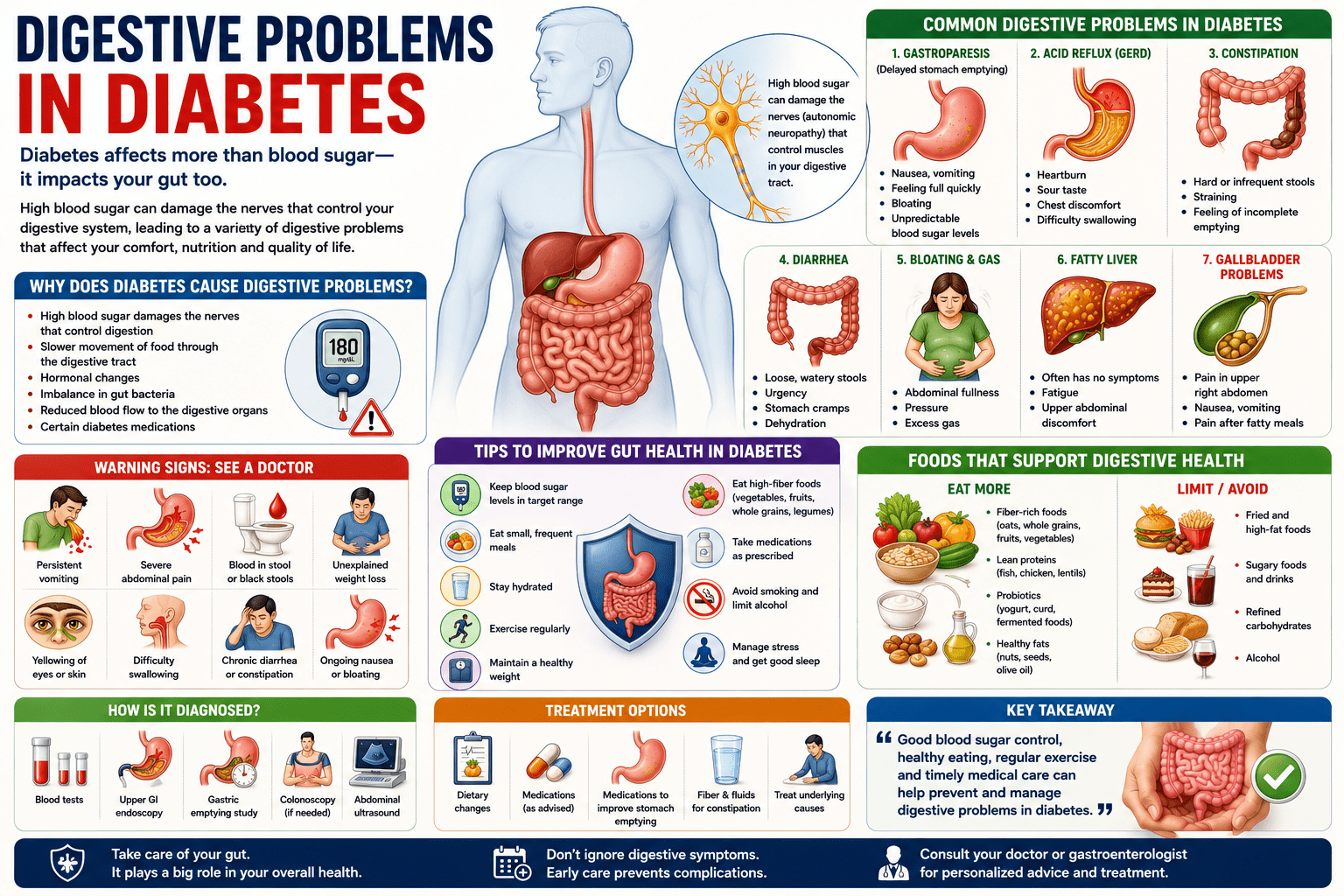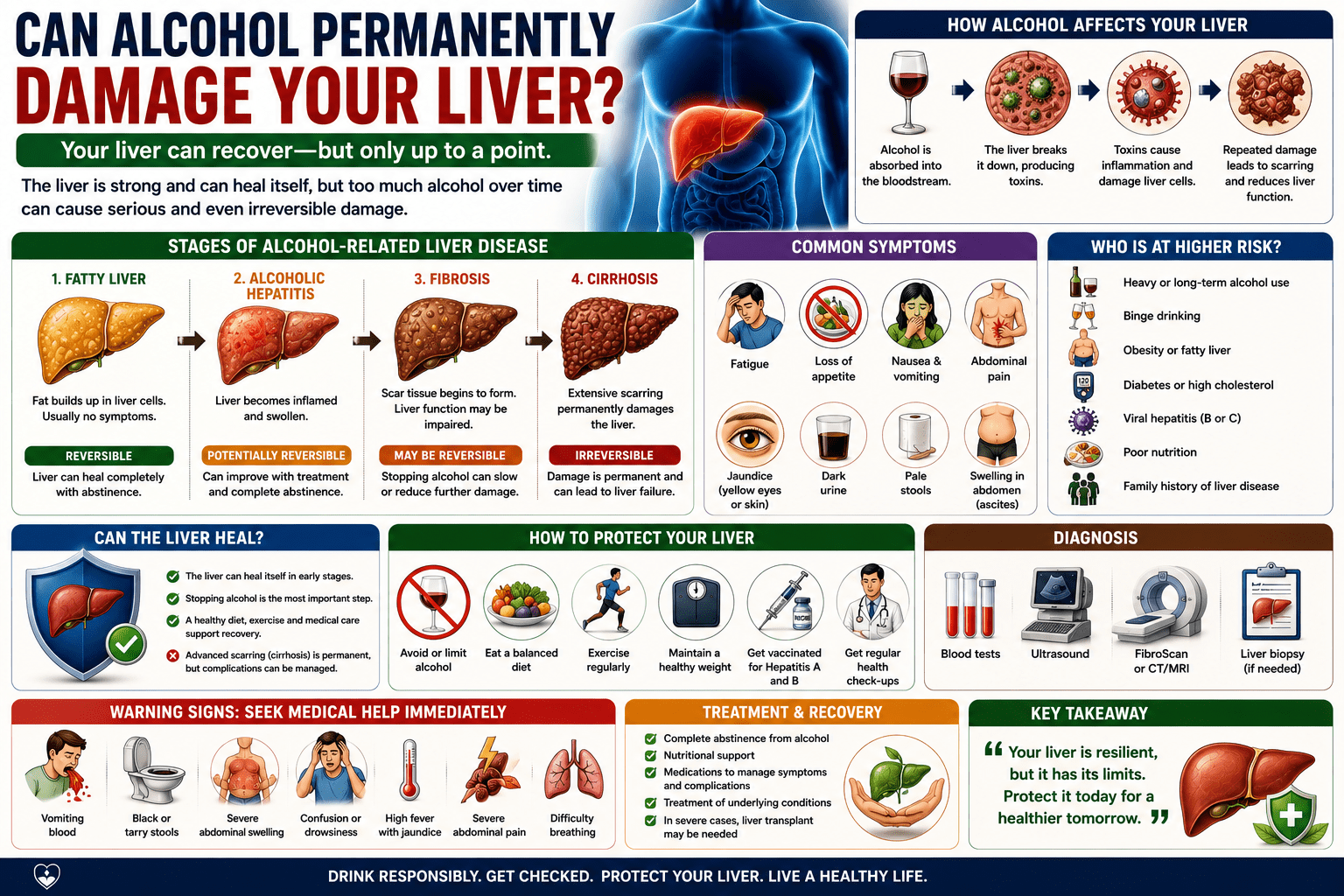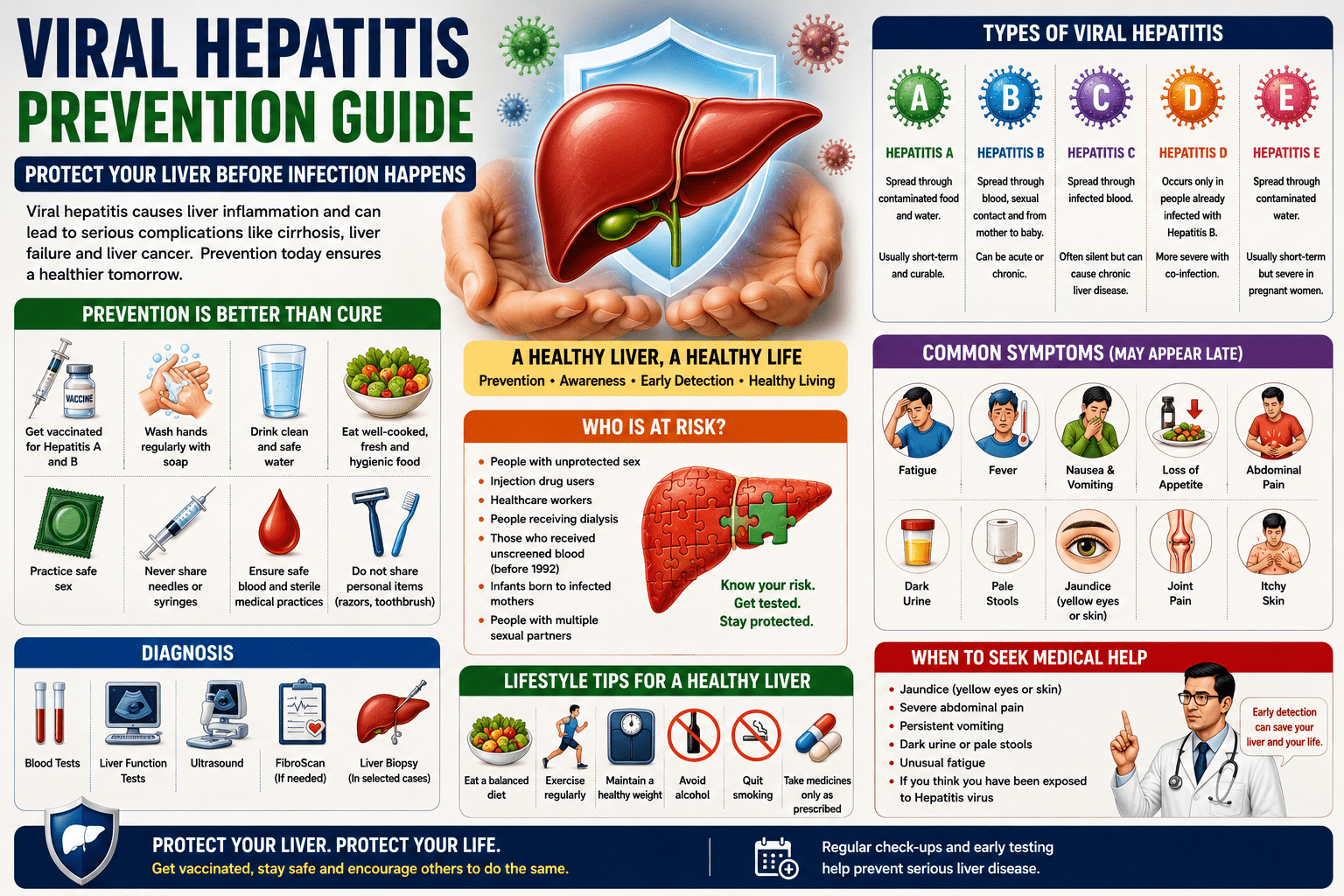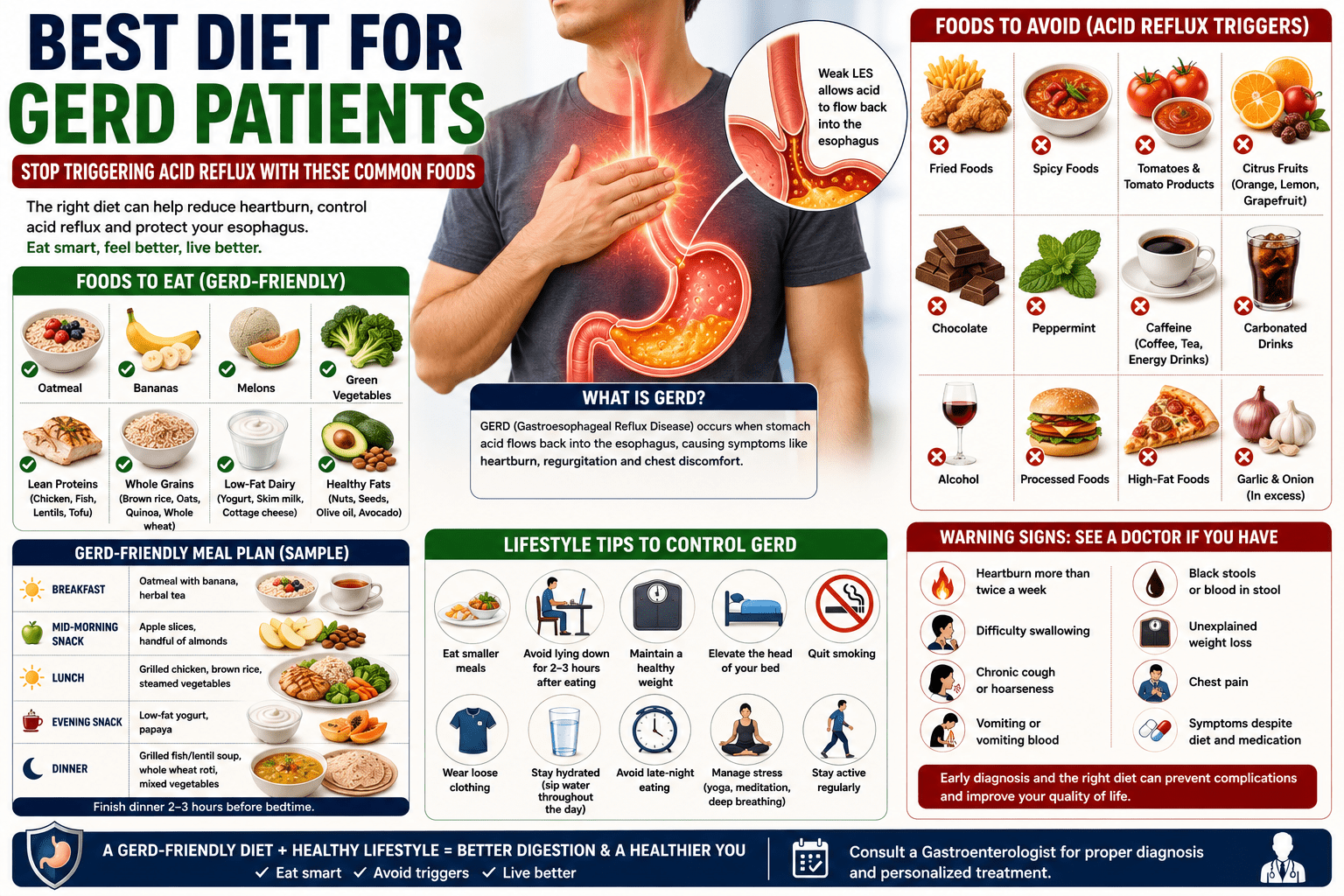
Pancreatitis Warning Signs: Symptoms, Causes, Treatment & When to Seek Emergency Care

Pancreatitis Warning Signs: Severe Abdominal Pain Could Be Your Pancreas Asking for Help

A sudden, intense pain in the upper abdomen is something you should never ignore. While many digestive problems cause stomach discomfort, severe abdominal pain that spreads to the back, especially when accompanied by nausea or vomiting, could be a sign of pancreatitis—a potentially serious condition that requires prompt medical attention.

The pancreas is a vital organ that plays an essential role in digestion and blood sugar regulation. When it becomes inflamed, digestive enzymes can begin attacking the pancreas itself instead of helping digest food. This inflammation can range from mild and self-limiting to severe and life-threatening.

Early diagnosis and timely treatment are crucial. Ignoring the warning signs may lead to complications such as infection, organ failure, diabetes, or long-term damage to the pancreas.

In this comprehensive guide, you’ll learn what pancreatitis is, its causes, warning signs, diagnosis, treatment options, prevention strategies, and when to seek emergency medical care.


What Is the Pancreas?

The pancreas is a long, flat gland located behind the stomach in the upper abdomen.

It has two major functions:

1. Digestive Function

The pancreas produces enzymes that help digest:

  • Fats
  • Proteins
  • Carbohydrates

These enzymes are released into the small intestine through the pancreatic duct.

2. Hormone Production

The pancreas also produces hormones, including:

  • Insulin
  • Glucagon

These hormones help regulate blood sugar levels.

When the pancreas becomes inflamed, both digestion and blood sugar control may be affected.


What Is Pancreatitis?

Pancreatitis is inflammation of the pancreas.

Normally, digestive enzymes become active only after reaching the small intestine. In pancreatitis, these enzymes become activated too early, causing the pancreas to digest its own tissue.

This leads to inflammation, swelling, pain, and, in severe cases, tissue damage.


Types of Pancreatitis

Acute Pancreatitis

Acute pancreatitis develops suddenly and usually lasts for several days.

Most people recover completely with appropriate treatment, but severe cases can become life-threatening.


Chronic Pancreatitis

Chronic pancreatitis is long-term inflammation that gradually damages the pancreas.

Repeated inflammation may result in permanent scarring, digestive problems, and diabetes.


Warning Signs of Pancreatitis

Recognizing the symptoms early can make a significant difference.

Severe Upper Abdominal Pain

The most common symptom is intense pain in the upper abdomen.

The pain often:

  • Starts suddenly
  • Becomes severe
  • Radiates to the back
  • Worsens after eating
  • Persists for hours or even days

Nausea and Vomiting

Persistent nausea and repeated vomiting are common during an attack.

Vomiting often does not relieve the pain.


Fever

Inflammation or infection may cause a high temperature.


Rapid Heartbeat

A fast pulse may occur due to pain, inflammation, dehydration, or infection.


Swollen or Tender Abdomen

The abdomen may feel bloated and painful when touched.


Loss of Appetite

Many patients avoid eating because food worsens the pain.


Jaundice

Yellowing of the skin and eyes may occur if gallstones block the bile duct.


Difficulty Breathing

Severe pancreatitis can affect the lungs, making breathing difficult.

This requires immediate medical attention.


Common Causes of Pancreatitis

Gallstones

Gallstones are one of the leading causes of acute pancreatitis.

A stone can block the pancreatic duct, preventing digestive enzymes from flowing normally.


Heavy Alcohol Consumption

Long-term excessive alcohol use can inflame and damage the pancreas.

Repeated alcohol-related attacks may lead to chronic pancreatitis.


High Triglyceride Levels

Very high blood triglyceride levels can trigger pancreatitis.


Certain Medications

Some medications are linked to pancreatic inflammation, although this is relatively uncommon.


Pancreatic Tumors

Rarely, tumors may block pancreatic ducts and cause inflammation.


Infections

Certain viral infections can lead to pancreatitis.


Abdominal Injury

Trauma to the abdomen may damage the pancreas.


Genetic Conditions

Some inherited disorders increase the risk of chronic pancreatitis.


Who Is at Higher Risk?

Risk factors include:

  • Gallstones
  • Heavy alcohol use
  • Obesity
  • Smoking
  • High triglycerides
  • Diabetes
  • Family history
  • Certain medications
  • Previous episodes of pancreatitis

Managing these risk factors may reduce your chances of developing pancreatitis.


How Is Pancreatitis Diagnosed?

Early diagnosis is essential.

Your doctor may recommend:

Blood Tests

Blood tests measure pancreatic enzymes such as:

  • Amylase
  • Lipase

Elevated levels often indicate pancreatitis.


Liver Function Tests

These help determine whether gallstones are contributing to the condition.


Ultrasound

An abdominal ultrasound is commonly used to detect gallstones and evaluate the pancreas.


CT Scan

A CT scan provides detailed images of inflammation, fluid collections, or complications.


MRI (MRCP)

MRI helps evaluate the pancreas and bile ducts without surgery.


Endoscopic Ultrasound (EUS)

This specialized procedure can identify small gallstones or structural abnormalities.


Treatment for Pancreatitis

Treatment depends on the severity and underlying cause.

Hospital Care

Most patients with acute pancreatitis require hospitalization.


Intravenous (IV) Fluids

Fluids help prevent dehydration and support organ function.


Pain Management

Pain relief is an essential part of treatment.


Nutritional Support

Patients may temporarily avoid eating until inflammation improves.

In some cases, specialized nutritional support is required.


Treating the Underlying Cause

Examples include:

  • Gallbladder removal for gallstone pancreatitis
  • Managing triglyceride levels
  • Avoiding alcohol
  • Adjusting medications if appropriate

ERCP

If gallstones block the bile ducts, an ERCP procedure may remove the obstruction.


Complications of Pancreatitis

Untreated or severe pancreatitis can lead to:

  • Pancreatic infection
  • Pancreatic pseudocysts
  • Bleeding
  • Organ failure
  • Kidney failure
  • Diabetes
  • Malnutrition
  • Chronic pain
  • Pancreatic insufficiency

Prompt treatment significantly reduces the risk of complications.


Living with Chronic Pancreatitis

People with chronic pancreatitis may require long-term management.

This may include:

  • Pancreatic enzyme replacement
  • Diabetes management
  • Nutritional counseling
  • Pain management
  • Regular follow-up with a gastroenterologist

Can Pancreatitis Be Prevented?

Although not all cases are preventable, healthy lifestyle choices can lower the risk.

Maintain a Healthy Weight

Obesity increases the risk of gallstones and pancreatitis.


Limit Alcohol

Avoiding heavy alcohol consumption greatly reduces the risk.


Stop Smoking

Smoking contributes to chronic pancreatic disease.


Eat a Healthy Diet

Choose:

  • Fruits
  • Vegetables
  • Whole grains
  • Lean proteins
  • Healthy fats

Limit fried and fatty foods.


Manage Cholesterol and Triglycerides

Regular health check-ups help detect elevated triglycerides early.


Treat Gallstones Promptly

Managing symptomatic gallstones can prevent gallstone pancreatitis.


Common Myths About Pancreatitis

Myth: Pancreatitis only affects people who drink alcohol.

Fact: Gallstones are one of the most common causes, and many people with pancreatitis do not drink alcohol.


Myth: The pain will go away on its own.

Fact: Severe abdominal pain should never be ignored, especially if it is persistent or associated with vomiting and fever.


Myth: Once treated, pancreatitis never returns.

Fact: If the underlying cause is not addressed, recurrent episodes may occur.


Frequently Asked Questions

Is pancreatitis a medical emergency?

Acute pancreatitis often requires urgent medical evaluation and hospitalization.

Can pancreatitis cause diabetes?

Yes. Chronic damage to the pancreas can reduce insulin production, leading to diabetes.

Can pancreatitis be cured?

Many cases of acute pancreatitis resolve completely with treatment. Chronic pancreatitis cannot usually be reversed, but symptoms and complications can often be managed.

Can gallstones cause pancreatitis?

Yes. Gallstones are among the leading causes of acute pancreatitis.


When Should You Seek Emergency Medical Care?

Go to the nearest emergency department immediately if you experience:

  • Sudden severe upper abdominal pain
  • Pain spreading to the back
  • Persistent vomiting
  • Fever with abdominal pain
  • Yellowing of the eyes or skin
  • Difficulty breathing
  • Confusion
  • Fainting
  • Rapid heartbeat

These symptoms may indicate severe pancreatitis or another life-threatening condition.


When Should You See a Gastroenterologist?

Consult a gastroenterologist if you have:

  • Recurrent upper abdominal pain
  • Gallstones
  • Chronic alcohol-related digestive symptoms
  • High triglyceride levels
  • Previous pancreatitis
  • Unexplained weight loss
  • Persistent digestive problems

Regular follow-up helps prevent complications and supports long-term pancreatic health.


Final Thoughts

Pancreatitis is more than just severe stomach pain—it is a potentially serious inflammation of the pancreas that requires timely medical attention. Whether triggered by gallstones, excessive alcohol consumption, high triglycerides, certain medications, or other causes, pancreatitis can progress rapidly if left untreated.

The hallmark symptom is intense upper abdominal pain that often spreads to the back and may be accompanied by nausea, vomiting, fever, or jaundice. Recognizing these warning signs and seeking prompt medical care can help prevent serious complications such as infection, organ failure, diabetes, or permanent pancreatic damage.

Fortunately, advances in diagnostic tests, supportive care, and minimally invasive procedures have significantly improved outcomes for people with pancreatitis. Lifestyle changes—such as limiting alcohol, maintaining a healthy weight, eating a balanced diet, managing triglyceride levels, and treating gallstones promptly—can also reduce the risk of future episodes.

If your pancreas is sending warning signals through severe abdominal pain, don’t ignore them. Early diagnosis and expert care can protect your pancreas, improve recovery, and safeguard your long-term digestive health.

Gallstones: Symptoms, Causes, Treatment & When Gallbladder Surgery Is Needed

Gallstones: Symptoms and Treatment – Small Stones Can Cause Big Health Problems

Gallstones are one of the most common digestive disorders, affecting millions of people worldwide. While many people have gallstones without realizing it, others may experience sudden, severe pain that can interfere with daily life and lead to serious complications if left untreated.

These small, hardened deposits form inside the gallbladder and can range in size from a grain of sand to as large as a golf ball. Although some gallstones remain harmless, others can block the flow of bile, causing inflammation, infection, or damage to nearby organs such as the pancreas.

The good news is that gallstones can often be diagnosed with simple imaging tests, and effective treatments are available. In many cases, timely medical care can prevent complications and provide lasting relief.

In this comprehensive guide, you’ll learn what gallstones are, why they develop, their symptoms, diagnosis, treatment options, prevention strategies, and when you should see a gastroenterologist.


What Are Gallstones?

Gallstones are solid particles that develop inside the gallbladder, a small pear-shaped organ located beneath the liver.

The gallbladder stores bile, a digestive fluid produced by the liver that helps break down fats. When the balance of substances in bile changes, solid crystals can form and gradually develop into gallstones.

A person may have:

  • One large gallstone
  • Multiple small gallstones
  • Hundreds of tiny stones

Some remain in the gallbladder, while others may move into the bile ducts and cause blockages.


Types of Gallstones

There are two main types:

1. Cholesterol Gallstones

These are the most common type.

They form when bile contains too much cholesterol and not enough substances to keep it dissolved.


2. Pigment Gallstones

These are smaller, darker stones made primarily of bilirubin.

They are more common in people with:

  • Chronic liver disease
  • Certain blood disorders
  • Biliary infections

What Causes Gallstones?

Gallstones develop when the composition of bile becomes unbalanced.

Common causes include:

  • Excess cholesterol in bile
  • High bilirubin levels
  • Poor gallbladder emptying
  • Obesity
  • Rapid weight loss
  • Diabetes
  • Pregnancy
  • Certain medications
  • Increasing age
  • Family history

Not everyone with these risk factors will develop gallstones, but they increase the likelihood.


Who Is at Risk?

Gallstones are more common in:

  • Women
  • Adults over 40
  • People with obesity
  • Individuals with diabetes
  • Those with a family history of gallstones
  • Pregnant women
  • People who lose weight rapidly
  • Individuals with high cholesterol
  • Those following very low-calorie diets

Maintaining a healthy lifestyle may help reduce risk.


Symptoms of Gallstones

Many people have silent gallstones, meaning they cause no symptoms and are discovered incidentally during imaging for another reason.

When symptoms occur, they may include:

  • Sudden pain in the upper right abdomen
  • Pain in the center of the upper abdomen
  • Pain after eating fatty meals
  • Pain that radiates to the right shoulder or back
  • Nausea
  • Vomiting
  • Indigestion
  • Bloating
  • Burping

Pain episodes, known as biliary colic, often last from 30 minutes to several hours.


Warning Signs That Require Immediate Medical Attention

Seek urgent medical care if you develop:

  • Severe abdominal pain lasting several hours
  • Fever with chills
  • Yellowing of the skin or eyes (jaundice)
  • Dark urine
  • Pale-colored stools
  • Persistent vomiting
  • Confusion or weakness

These symptoms may indicate complications that require prompt treatment.


Complications of Gallstones

Untreated gallstones can lead to serious problems.

Acute Cholecystitis

A blocked gallbladder can become inflamed, causing:

  • Severe pain
  • Fever
  • Tenderness
  • Infection

Choledocholithiasis

Gallstones may enter and block the common bile duct.

This can cause:

  • Jaundice
  • Infection
  • Liver problems

Cholangitis

A bile duct infection can become life-threatening if not treated quickly.

Symptoms include:

  • Fever
  • Jaundice
  • Severe abdominal pain

Pancreatitis

If a gallstone blocks the pancreatic duct, it can trigger acute pancreatitis.

Symptoms include:

  • Severe upper abdominal pain
  • Vomiting
  • Fever
  • Hospitalization

How Are Gallstones Diagnosed?

Your doctor will review your symptoms and medical history before recommending appropriate tests.

Physical Examination

The abdomen is examined for tenderness, especially in the upper right side.


Ultrasound

An abdominal ultrasound is the preferred first-line test for detecting gallstones.

It is:

  • Safe
  • Painless
  • Highly accurate

Blood Tests

Blood tests may evaluate:

  • Liver function
  • Bilirubin levels
  • Signs of infection
  • Pancreatic enzymes

MRI (MRCP)

Magnetic Resonance Cholangiopancreatography (MRCP) provides detailed images of the bile ducts and helps detect stones outside the gallbladder.


CT Scan

A CT scan may identify complications such as inflammation or pancreatitis.


Endoscopic Ultrasound (EUS)

An endoscopic ultrasound combines endoscopy and ultrasound to identify small bile duct stones that may not be visible on standard imaging.


ERCP

Endoscopic Retrograde Cholangiopancreatography (ERCP) is both a diagnostic and therapeutic procedure used to remove stones from the bile ducts when necessary.


Treatment for Gallstones

Treatment depends on whether the gallstones are causing symptoms.

Silent Gallstones

If gallstones are not causing symptoms, treatment is often unnecessary.

Your doctor may recommend observation and regular follow-up.


Medications

Certain medications can dissolve cholesterol gallstones, but they:

  • Work slowly
  • Are suitable only for selected patients
  • Do not prevent future stones

Because recurrence is common, medication is used less often than surgery.


Laparoscopic Gallbladder Surgery

The most common treatment for symptomatic gallstones is laparoscopic cholecystectomy.

During this minimally invasive procedure:

  • Small incisions are made
  • The gallbladder is removed
  • Recovery is generally quicker than with open surgery

Most people return to normal activities within a few weeks.


ERCP

If gallstones are lodged in the bile ducts, ERCP can remove them before or in conjunction with gallbladder surgery.


Can You Live Without a Gallbladder?

Yes.

The liver continues to produce bile after the gallbladder is removed. Instead of being stored, bile flows directly into the small intestine.

Most people digest food normally after recovery, although some may experience temporary loose stools or difficulty tolerating very fatty meals.


Diet Tips for Gallstones

Diet cannot dissolve existing gallstones, but healthy eating can reduce symptoms and lower the risk of future problems.

Choose:

  • Fresh fruits
  • Vegetables
  • Whole grains
  • Lean proteins
  • Healthy fats in moderation

Limit:

  • Fried foods
  • High-fat meals
  • Processed foods
  • Sugary snacks
  • Excess refined carbohydrates

Eating smaller, regular meals may also help.


Can Gallstones Be Prevented?

While prevention isn’t always possible, certain lifestyle habits can lower your risk.

Maintain a Healthy Weight

Obesity increases the likelihood of gallstone formation.


Avoid Rapid Weight Loss

Crash diets and very low-calorie diets can increase gallstone risk.

Aim for gradual, sustainable weight loss if needed.


Exercise Regularly

Regular physical activity supports healthy digestion and weight management.

Aim for at least 150 minutes of moderate exercise each week.


Eat a Balanced Diet

A diet rich in fiber and low in excessive saturated fat supports gallbladder health.


Manage Diabetes

Good blood sugar control may help reduce the risk of gallstones.


Common Myths About Gallstones

Myth: Every gallstone requires surgery.

Fact: Silent gallstones that do not cause symptoms often do not require treatment.


Myth: Gallstones always cause pain.

Fact: Many people never experience symptoms and discover gallstones during routine imaging.


Myth: Gallstones can always be dissolved naturally.

Fact: There is no scientifically proven natural remedy that reliably dissolves gallstones.


Myth: Removing the gallbladder causes serious digestive problems.

Fact: Most people recover well and live normal, healthy lives without a gallbladder.


Frequently Asked Questions

Can gallstones go away on their own?

Most gallstones do not disappear without treatment. Small stones may occasionally pass into the intestine, but larger stones usually remain.

Can gallstones cause back pain?

Yes. Gallstone pain often radiates to the right shoulder or upper back.

Can I eat normally after gallbladder surgery?

Most people return to a regular diet after recovery, though limiting very fatty foods initially may reduce digestive discomfort.

Is surgery always necessary?

Not always. Surgery is generally recommended when gallstones cause symptoms or complications.


When Should You See a Gastroenterologist?

Consult a gastroenterologist if you experience:

  • Recurrent pain in the upper right abdomen
  • Pain after fatty meals
  • Nausea or vomiting associated with abdominal pain
  • Jaundice
  • Fever with abdominal pain
  • Gallstones detected on imaging with ongoing symptoms
  • Unexplained digestive discomfort that persists

Early evaluation helps prevent complications and allows timely treatment.


Final Thoughts

Gallstones are a common digestive condition, and while many remain silent, they can sometimes cause severe pain and potentially serious complications. Symptoms such as upper abdominal pain after meals, nausea, vomiting, jaundice, or fever should never be ignored, as they may indicate a blocked bile duct, gallbladder inflammation, or pancreatitis.

Fortunately, gallstones can usually be diagnosed with simple imaging tests like an ultrasound, and effective treatments are available. For people with symptomatic gallstones, laparoscopic gallbladder removal is a safe and commonly performed procedure that provides long-term relief. In cases where stones block the bile ducts, procedures such as ERCP can help restore normal bile flow.

Adopting healthy lifestyle habits—including maintaining a healthy weight, eating a balanced diet, exercising regularly, and avoiding rapid weight loss—may help lower the risk of developing gallstones.

Small gallstones can lead to big health problems if ignored. Recognizing the symptoms early and consulting a gastroenterologist can prevent complications, relieve discomfort, and protect your long-term digestive health.

IBS vs IBD: What’s the Difference? Symptoms, Causes, Diagnosis & Treatment Explained

IBS vs IBD: What’s the Difference? They Sound Similar but Require Completely Different Treatments

Many people confuse Irritable Bowel Syndrome (IBS) with Inflammatory Bowel Disease (IBD) because their names sound similar and both affect the digestive system. However, these are two very different conditions with different causes, treatments, and long-term outcomes.

IBS vs IBD: What’s the Difference? They Sound Similar but Require Completely Different Treatments

Many people confuse Irritable Bowel Syndrome (IBS) with Inflammatory Bowel Disease (IBD) because their names sound similar and both affect the digestive system. However, these are two very different conditions with different causes, treatments, and long-term outcomes.

IBS is a functional gastrointestinal disorder, meaning the digestive tract looks normal but doesn’t function properly. On the other hand, IBD refers to a group of chronic inflammatory diseases that cause ongoing damage to the digestive tract.

Understanding the difference is important because treating IBS and IBD requires completely different approaches. Misdiagnosis or delayed diagnosis can lead to unnecessary suffering and, in the case of IBD, serious complications if left untreated.

In this comprehensive guide, we’ll compare IBS and IBD, discuss their symptoms, causes, diagnosis, treatment options, lifestyle management, and explain when it’s time to seek medical advice.


What Is IBS?

Irritable Bowel Syndrome (IBS) is a common digestive disorder that affects how the intestines function.

Although IBS can significantly affect quality of life, it does not cause permanent damage to the digestive tract or increase the risk of colorectal cancer.

IBS is considered a functional disorder, meaning routine tests usually show no visible inflammation or structural abnormalities.


What Is IBD?

Inflammatory Bowel Disease (IBD) is an umbrella term for chronic inflammatory conditions affecting the digestive tract.

The two main types are:

Crohn’s Disease

Crohn’s disease can affect any part of the digestive tract, from the mouth to the anus.

Inflammation may extend through multiple layers of the bowel wall.


Ulcerative Colitis

Ulcerative colitis affects only the colon and rectum.

Inflammation is usually limited to the innermost lining of the large intestine.

Unlike IBS, IBD causes ongoing inflammation that can damage the digestive tract over time.


IBS vs IBD: The Main Difference

The biggest difference is that:

  • IBS affects bowel function without causing inflammation or permanent tissue damage.
  • IBD causes chronic inflammation that can damage the intestines and lead to serious complications if not treated.

Although both conditions may cause abdominal pain and changes in bowel habits, they are fundamentally different diseases.


Common Symptoms of IBS

Symptoms often vary from person to person.

Common IBS symptoms include:

  • Abdominal pain
  • Cramping
  • Bloating
  • Gas
  • Constipation
  • Diarrhea
  • Alternating constipation and diarrhea
  • Mucus in stool
  • Feeling of incomplete bowel emptying

Symptoms often improve after a bowel movement.

Stress and certain foods commonly trigger IBS flare-ups.


Common Symptoms of IBD

IBD symptoms tend to be more severe and may include:

  • Persistent diarrhea
  • Blood in stool
  • Abdominal pain
  • Weight loss
  • Fatigue
  • Fever
  • Loss of appetite
  • Urgent bowel movements
  • Nighttime diarrhea
  • Anemia

IBD symptoms may worsen during periods called flares, followed by periods of remission.


Symptoms IBS and IBD Have in Common

Both conditions may cause:

  • Abdominal pain
  • Diarrhea
  • Constipation
  • Bloating
  • Urgency to pass stool
  • Fatigue

Because the symptoms overlap, medical evaluation is important for an accurate diagnosis.


Symptoms More Suggestive of IBD

Certain symptoms are uncommon in IBS and should always be evaluated.

These include:

  • Blood in stool
  • Persistent fever
  • Unexplained weight loss
  • Severe anemia
  • Nighttime bowel movements
  • Delayed growth in children
  • Persistent inflammation on blood tests

These warning signs may indicate IBD or another serious digestive condition.


What Causes IBS?

The exact cause remains unclear.

Possible contributing factors include:

  • Gut-brain interaction problems
  • Increased intestinal sensitivity
  • Changes in gut motility
  • Altered gut microbiome
  • Stress
  • Previous gastrointestinal infections
  • Certain food intolerances

IBS is not caused by infection or inflammation.


What Causes IBD?

IBD is believed to result from a combination of:

  • Immune system dysfunction
  • Genetic susceptibility
  • Environmental factors
  • Changes in gut bacteria

The immune system mistakenly attacks the digestive tract, causing chronic inflammation.


Risk Factors

IBS Risk Factors

  • Female sex
  • Younger age
  • Family history
  • Anxiety or depression
  • Chronic stress

IBD Risk Factors

  • Family history
  • Smoking (especially Crohn’s disease)
  • Certain environmental factors
  • Young adulthood (though it can occur at any age)

How Are IBS and IBD Diagnosed?

Because IBS and IBD require different treatments, accurate diagnosis is essential.

Medical History

Your doctor will ask about:

  • Symptoms
  • Duration
  • Diet
  • Family history
  • Medications

Physical Examination

A complete examination helps identify signs of inflammation or nutritional deficiencies.


Blood Tests

Blood tests may detect:

  • Anemia
  • Inflammation
  • Nutritional deficiencies

Blood tests are often normal in IBS.


Stool Tests

Stool testing helps identify:

  • Infection
  • Inflammation
  • Hidden blood

Markers such as fecal calprotectin are often elevated in IBD but usually normal in IBS.


Colonoscopy

A colonoscopy is one of the most important tests for diagnosing IBD.

It allows doctors to:

  • Examine the colon
  • Identify inflammation
  • Take biopsies
  • Rule out colorectal cancer

Colonoscopy findings are typically normal in IBS.


Imaging Tests

CT scans or MRI may help evaluate Crohn’s disease and its complications.


Treatment for IBS

Treatment focuses on symptom control.

It may include:

Dietary Changes

Some people benefit from reducing foods that trigger symptoms.

A low-FODMAP diet may be recommended under professional guidance.


Stress Management

Because stress often worsens IBS, relaxation techniques and counseling may help.


Medications

Depending on symptoms, treatment may include:

  • Fiber supplements
  • Antidiarrheal medications
  • Laxatives
  • Antispasmodic medications
  • Medications targeting IBS symptoms

Regular Exercise

Physical activity can improve bowel function and reduce stress.


Treatment for IBD

Treatment aims to reduce inflammation and prevent complications.

Options may include:

Anti-inflammatory Medications

Used to control inflammation during active disease.


Immunomodulators

These medications help regulate the immune system.


Biologic Therapies

Advanced treatments target specific inflammatory pathways.


Nutritional Support

Some patients require specialized nutritional therapy to address deficiencies or support growth.


Surgery

Surgery may be needed for complications such as strictures, fistulas, or severe disease that does not respond to medication.


Can IBS Become IBD?

No.

IBS does not progress into IBD.

However, it is possible for someone to develop IBD independently, which is why new or worsening symptoms should always be evaluated.


Can Diet Help?

Diet plays a role in managing both conditions, although the approach differs.

IBS

Trigger foods vary by individual.

Common triggers include:

  • Fatty foods
  • Carbonated drinks
  • Excess caffeine
  • Artificial sweeteners

IBD

During flares, dietary adjustments may help relieve symptoms, but diet alone cannot control inflammation.

Work with a healthcare professional or dietitian to ensure adequate nutrition.


Possible Complications

IBS

IBS does not damage the intestines but can significantly affect quality of life, sleep, work, and emotional well-being.


IBD

Untreated IBD may lead to:

  • Intestinal narrowing (strictures)
  • Fistulas
  • Abscesses
  • Severe bleeding
  • Malnutrition
  • Increased risk of colorectal cancer in some patients

Regular follow-up is important.


When Should You See a Gastroenterologist?

Seek medical evaluation if you experience:

  • Blood in your stool
  • Persistent diarrhea
  • Unexplained weight loss
  • Fever
  • Severe abdominal pain
  • Nighttime bowel movements
  • Ongoing symptoms lasting several weeks
  • Family history of IBD or colorectal cancer

Even if symptoms seem mild, an accurate diagnosis is essential.


Frequently Asked Questions

Is IBS life-threatening?

No. IBS is not considered life-threatening, although it can significantly affect daily life.

Is IBD curable?

There is currently no cure for IBD, but many people achieve long-term remission with appropriate treatment.

Can stress cause IBD?

Stress does not cause IBD, but it may worsen symptoms during disease flares.

Can IBS cause blood in the stool?

No. Blood in the stool is not a typical feature of IBS and should always be investigated.


Final Thoughts

Although Irritable Bowel Syndrome (IBS) and Inflammatory Bowel Disease (IBD) share some symptoms, they are fundamentally different conditions. IBS is a functional disorder that affects how the intestines work without causing inflammation or permanent damage, while IBD involves chronic inflammation that can injure the digestive tract and lead to serious complications if left untreated.

Recognizing the differences is important because the treatments are not the same. Lifestyle changes, dietary modifications, and stress management often help control IBS symptoms, whereas IBD usually requires medications to reduce inflammation and, in some cases, surgery.

If you’re experiencing persistent abdominal pain, changes in bowel habits, blood in your stool, unexplained weight loss, or ongoing digestive discomfort, don’t try to diagnose yourself based on symptoms alone. A gastroenterologist can perform the necessary tests, such as blood work, stool tests, and colonoscopy, to determine the underlying cause and recommend the most appropriate treatment.

Early diagnosis is the key to protecting your digestive health. Understanding whether you have IBS or IBD is the first step toward effective treatment, symptom relief, and a better quality of life.

Understanding the difference is important because treating IBS and IBD requires completely different approaches. Misdiagnosis or delayed diagnosis can lead to unnecessary suffering and, in the case of IBD, serious complications if left untreated.

In this comprehensive guide, we’ll compare IBS and IBD, discuss their symptoms, causes, diagnosis, treatment options, lifestyle management, and explain when it’s time to seek medical advice.


What Is IBS?

Irritable Bowel Syndrome (IBS) is a common digestive disorder that affects how the intestines function.

Although IBS can significantly affect quality of life, it does not cause permanent damage to the digestive tract or increase the risk of colorectal cancer.

IBS is considered a functional disorder, meaning routine tests usually show no visible inflammation or structural abnormalities.


What Is IBD?

Inflammatory Bowel Disease (IBD) is an umbrella term for chronic inflammatory conditions affecting the digestive tract.

The two main types are:

Crohn’s Disease

Crohn’s disease can affect any part of the digestive tract, from the mouth to the anus.

Inflammation may extend through multiple layers of the bowel wall.


Ulcerative Colitis

Ulcerative colitis affects only the colon and rectum.

Inflammation is usually limited to the innermost lining of the large intestine.

Unlike IBS, IBD causes ongoing inflammation that can damage the digestive tract over time.


IBS vs IBD: The Main Difference

The biggest difference is that:

  • IBS affects bowel function without causing inflammation or permanent tissue damage.
  • IBD causes chronic inflammation that can damage the intestines and lead to serious complications if not treated.

Although both conditions may cause abdominal pain and changes in bowel habits, they are fundamentally different diseases.


Common Symptoms of IBS

Symptoms often vary from person to person.

Common IBS symptoms include:

  • Abdominal pain
  • Cramping
  • Bloating
  • Gas
  • Constipation
  • Diarrhea
  • Alternating constipation and diarrhea
  • Mucus in stool
  • Feeling of incomplete bowel emptying

Symptoms often improve after a bowel movement.

Stress and certain foods commonly trigger IBS flare-ups.


Common Symptoms of IBD

IBD symptoms tend to be more severe and may include:

  • Persistent diarrhea
  • Blood in stool
  • Abdominal pain
  • Weight loss
  • Fatigue
  • Fever
  • Loss of appetite
  • Urgent bowel movements
  • Nighttime diarrhea
  • Anemia

IBD symptoms may worsen during periods called flares, followed by periods of remission.


Symptoms IBS and IBD Have in Common

Both conditions may cause:

  • Abdominal pain
  • Diarrhea
  • Constipation
  • Bloating
  • Urgency to pass stool
  • Fatigue

Because the symptoms overlap, medical evaluation is important for an accurate diagnosis.


Symptoms More Suggestive of IBD

Certain symptoms are uncommon in IBS and should always be evaluated.

These include:

  • Blood in stool
  • Persistent fever
  • Unexplained weight loss
  • Severe anemia
  • Nighttime bowel movements
  • Delayed growth in children
  • Persistent inflammation on blood tests

These warning signs may indicate IBD or another serious digestive condition.


What Causes IBS?

The exact cause remains unclear.

Possible contributing factors include:

  • Gut-brain interaction problems
  • Increased intestinal sensitivity
  • Changes in gut motility
  • Altered gut microbiome
  • Stress
  • Previous gastrointestinal infections
  • Certain food intolerances

IBS is not caused by infection or inflammation.


What Causes IBD?

IBD is believed to result from a combination of:

  • Immune system dysfunction
  • Genetic susceptibility
  • Environmental factors
  • Changes in gut bacteria

The immune system mistakenly attacks the digestive tract, causing chronic inflammation.


Risk Factors

IBS Risk Factors

  • Female sex
  • Younger age
  • Family history
  • Anxiety or depression
  • Chronic stress

IBD Risk Factors

  • Family history
  • Smoking (especially Crohn’s disease)
  • Certain environmental factors
  • Young adulthood (though it can occur at any age)

How Are IBS and IBD Diagnosed?

Because IBS and IBD require different treatments, accurate diagnosis is essential.

Medical History

Your doctor will ask about:

  • Symptoms
  • Duration
  • Diet
  • Family history
  • Medications

Physical Examination

A complete examination helps identify signs of inflammation or nutritional deficiencies.


Blood Tests

Blood tests may detect:

  • Anemia
  • Inflammation
  • Nutritional deficiencies

Blood tests are often normal in IBS.


Stool Tests

Stool testing helps identify:

  • Infection
  • Inflammation
  • Hidden blood

Markers such as fecal calprotectin are often elevated in IBD but usually normal in IBS.


Colonoscopy

A colonoscopy is one of the most important tests for diagnosing IBD.

It allows doctors to:

  • Examine the colon
  • Identify inflammation
  • Take biopsies
  • Rule out colorectal cancer

Colonoscopy findings are typically normal in IBS.


Imaging Tests

CT scans or MRI may help evaluate Crohn’s disease and its complications.


Treatment for IBS

Treatment focuses on symptom control.

It may include:

Dietary Changes

Some people benefit from reducing foods that trigger symptoms.

A low-FODMAP diet may be recommended under professional guidance.


Stress Management

Because stress often worsens IBS, relaxation techniques and counseling may help.


Medications

Depending on symptoms, treatment may include:

  • Fiber supplements
  • Antidiarrheal medications
  • Laxatives
  • Antispasmodic medications
  • Medications targeting IBS symptoms

Regular Exercise

Physical activity can improve bowel function and reduce stress.


Treatment for IBD

Treatment aims to reduce inflammation and prevent complications.

Options may include:

Anti-inflammatory Medications

Used to control inflammation during active disease.


Immunomodulators

These medications help regulate the immune system.


Biologic Therapies

Advanced treatments target specific inflammatory pathways.


Nutritional Support

Some patients require specialized nutritional therapy to address deficiencies or support growth.


Surgery

Surgery may be needed for complications such as strictures, fistulas, or severe disease that does not respond to medication.


Can IBS Become IBD?

No.

IBS does not progress into IBD.

However, it is possible for someone to develop IBD independently, which is why new or worsening symptoms should always be evaluated.


Can Diet Help?

Diet plays a role in managing both conditions, although the approach differs.

IBS

Trigger foods vary by individual.

Common triggers include:

  • Fatty foods
  • Carbonated drinks
  • Excess caffeine
  • Artificial sweeteners

IBD

During flares, dietary adjustments may help relieve symptoms, but diet alone cannot control inflammation.

Work with a healthcare professional or dietitian to ensure adequate nutrition.


Possible Complications

IBS

IBS does not damage the intestines but can significantly affect quality of life, sleep, work, and emotional well-being.


IBD

Untreated IBD may lead to:

  • Intestinal narrowing (strictures)
  • Fistulas
  • Abscesses
  • Severe bleeding
  • Malnutrition
  • Increased risk of colorectal cancer in some patients

Regular follow-up is important.


When Should You See a Gastroenterologist?

Seek medical evaluation if you experience:

  • Blood in your stool
  • Persistent diarrhea
  • Unexplained weight loss
  • Fever
  • Severe abdominal pain
  • Nighttime bowel movements
  • Ongoing symptoms lasting several weeks
  • Family history of IBD or colorectal cancer

Even if symptoms seem mild, an accurate diagnosis is essential.


Frequently Asked Questions

Is IBS life-threatening?

No. IBS is not considered life-threatening, although it can significantly affect daily life.

Is IBD curable?

There is currently no cure for IBD, but many people achieve long-term remission with appropriate treatment.

Can stress cause IBD?

Stress does not cause IBD, but it may worsen symptoms during disease flares.

Can IBS cause blood in the stool?

No. Blood in the stool is not a typical feature of IBS and should always be investigated.


Final Thoughts

Although Irritable Bowel Syndrome (IBS) and Inflammatory Bowel Disease (IBD) share some symptoms, they are fundamentally different conditions. IBS is a functional disorder that affects how the intestines work without causing inflammation or permanent damage, while IBD involves chronic inflammation that can injure the digestive tract and lead to serious complications if left untreated.

Recognizing the differences is important because the treatments are not the same. Lifestyle changes, dietary modifications, and stress management often help control IBS symptoms, whereas IBD usually requires medications to reduce inflammation and, in some cases, surgery.

If you’re experiencing persistent abdominal pain, changes in bowel habits, blood in your stool, unexplained weight loss, or ongoing digestive discomfort, don’t try to diagnose yourself based on symptoms alone. A gastroenterologist can perform the necessary tests, such as blood work, stool tests, and colonoscopy, to determine the underlying cause and recommend the most appropriate treatment.

Early diagnosis is the key to protecting your digestive health. Understanding whether you have IBS or IBD is the first step toward effective treatment, symptom relief, and a better quality of life.

Can Stress Cause Stomach Problems? The Gut-Brain Connection Explained

Can Stress Cause Stomach Problems? Your Gut and Brain Are Connected More Than You Realize

Have you ever experienced “butterflies” in your stomach before an important presentation? Or noticed stomach pain, diarrhea, or nausea during stressful situations? These aren’t just coincidences. Your brain and digestive system are closely linked through what’s known as the gut-brain axis.

Stress doesn’t just affect your mind—it can have a significant impact on your digestive health. While stress itself doesn’t directly cause conditions like stomach ulcers or inflammatory bowel disease, it can trigger, worsen, or prolong many digestive symptoms and make existing gastrointestinal conditions more difficult to manage.

In today’s fast-paced world, chronic stress has become increasingly common, making digestive complaints such as acidity, bloating, abdominal pain, constipation, and diarrhea more frequent than ever.

In this comprehensive guide, we’ll explore how stress affects your digestive system, the symptoms to watch for, common digestive conditions linked to stress, and practical ways to protect both your mental well-being and gut health.


What Is the Gut-Brain Connection?

The gut-brain connection, also known as the gut-brain axis, is a two-way communication network between your brain and digestive system.

This communication occurs through:

  • The vagus nerve
  • Hormones
  • The immune system
  • Gut bacteria (gut microbiome)
  • Chemical messengers called neurotransmitters

Interestingly, about 90% of the body’s serotonin, a neurotransmitter involved in mood regulation, is produced in the gut. This highlights how closely digestive health and mental health are interconnected.

When you’re stressed, your brain sends signals that can alter the way your digestive system functions.


How Does Stress Affect Your Digestive System?

Stress activates the body’s “fight-or-flight” response, releasing hormones such as cortisol and adrenaline.

These hormones temporarily shift the body’s focus away from digestion to help respond to perceived danger.

As a result, stress can:

  • Slow or speed up digestion
  • Increase stomach acid production
  • Affect bowel movements
  • Alter gut bacteria
  • Increase sensitivity to pain
  • Trigger inflammation
  • Cause muscle spasms in the digestive tract

These changes can lead to various digestive symptoms.


Common Stomach Problems Caused or Worsened by Stress

1. Acid Reflux (GERD)

Stress may increase the perception of heartburn and encourage behaviors—such as overeating or consuming trigger foods—that worsen reflux symptoms.

Common symptoms include:

  • Burning chest pain
  • Sour taste in the mouth
  • Frequent burping
  • Difficulty swallowing

2. Functional Dyspepsia (Indigestion)

Stress can contribute to persistent indigestion, causing:

  • Upper abdominal discomfort
  • Feeling full quickly
  • Bloating
  • Nausea

3. Irritable Bowel Syndrome (IBS)

IBS is strongly associated with the gut-brain connection.

Stress often triggers or worsens:

  • Abdominal cramps
  • Constipation
  • Diarrhea
  • Gas
  • Bloating

Many people notice flare-ups during emotionally challenging periods.


4. Nausea

Stress can slow stomach emptying and increase sensitivity, leading to nausea even without an underlying stomach infection.


5. Bloating

Stress may affect gut motility and alter the gut microbiome, resulting in excessive gas and bloating.


6. Constipation

Chronic stress may slow bowel movements in some people, causing constipation and discomfort.


7. Diarrhea

Others experience the opposite effect, with stress accelerating bowel activity and causing loose stools or urgency.


8. Abdominal Pain

Stress can heighten the sensitivity of the digestive tract, making normal intestinal activity feel painful.


Can Stress Cause Stomach Ulcers?

This is a common misconception.

Stress alone does not cause stomach ulcers.

Most stomach ulcers are caused by:

  • Helicobacter pylori (H. pylori) infection
  • Long-term use of nonsteroidal anti-inflammatory drugs (NSAIDs), such as ibuprofen or naproxen

However, stress can worsen ulcer symptoms, delay healing, and increase discomfort.


Can Stress Affect Your Gut Bacteria?

Yes.

The digestive tract contains trillions of beneficial bacteria that support:

  • Digestion
  • Immunity
  • Vitamin production
  • Protection against harmful microbes

Chronic stress can disrupt the balance of these bacteria, a condition known as dysbiosis.

An unhealthy gut microbiome may contribute to:

  • Increased bloating
  • Digestive discomfort
  • IBS symptoms
  • Reduced immune function

Symptoms of Stress-Related Digestive Problems

Stress-related digestive issues may include:

  • Stomach pain
  • Heartburn
  • Acid reflux
  • Nausea
  • Bloating
  • Excessive gas
  • Diarrhea
  • Constipation
  • Loss of appetite
  • Increased appetite
  • Feeling full quickly
  • Frequent burping
  • Indigestion

Symptoms often worsen during periods of emotional stress or anxiety.


Who Is More Likely to Experience Stress-Related Digestive Issues?

You may be at higher risk if you:

  • Have anxiety or depression
  • Work in a high-pressure environment
  • Experience poor sleep
  • Have IBS or functional dyspepsia
  • Eat irregular meals
  • Consume excessive caffeine or alcohol
  • Smoke
  • Live with chronic stress

How Are Stress-Related Stomach Problems Diagnosed?

There is no single test to diagnose stress-related digestive disorders.

Your doctor will first rule out other medical conditions through:

Medical History

A detailed discussion of symptoms, stress levels, and lifestyle.


Physical Examination

To identify any concerning findings.


Blood Tests

To evaluate for anemia, infection, or inflammation.


Stool Tests

If infection or bleeding is suspected.


Upper GI Endoscopy

Recommended if symptoms include:

  • Persistent pain
  • Difficulty swallowing
  • Vomiting blood
  • Black stools
  • Unexplained weight loss

Colonoscopy

May be advised if there is rectal bleeding, persistent changes in bowel habits, or other concerning symptoms.


How Can You Reduce Stress-Related Digestive Problems?

Managing stress can significantly improve digestive symptoms.

Practice Relaxation Techniques

Consider:

  • Deep breathing exercises
  • Meditation
  • Progressive muscle relaxation
  • Mindfulness

Even 10–15 minutes a day can help.


Exercise Regularly

Moderate physical activity improves both mental well-being and bowel function.

Aim for at least 150 minutes of exercise each week.


Eat Regular, Balanced Meals

Choose:

  • Whole grains
  • Fruits
  • Vegetables
  • Lean proteins
  • Healthy fats

Avoid skipping meals and overeating.


Limit Trigger Foods

Some people find symptoms worsen with:

  • Spicy foods
  • Fried foods
  • Excess caffeine
  • Alcohol
  • Carbonated drinks

Keeping a food diary can help identify personal triggers.


Stay Hydrated

Drinking enough water supports healthy digestion and bowel movements.


Prioritize Sleep

Adults generally need 7–9 hours of quality sleep each night.

Poor sleep can worsen both stress and digestive symptoms.


Consider Professional Support

If stress, anxiety, or depression is affecting your daily life, speaking with a mental health professional may be beneficial.


When Should You See a Doctor?

Stress-related digestive symptoms should not be self-diagnosed.

Consult a gastroenterologist if you experience:

  • Persistent abdominal pain
  • Blood in stool
  • Black, tarry stools
  • Vomiting blood
  • Difficulty swallowing
  • Unexplained weight loss
  • Persistent vomiting
  • Ongoing diarrhea or constipation
  • Symptoms that do not improve with lifestyle changes

These symptoms may indicate an underlying medical condition that requires evaluation.


Common Myths About Stress and Digestion

Myth: Stress always causes stomach ulcers.

Fact: Most ulcers are caused by H. pylori infection or NSAID use, not stress alone.


Myth: Digestive symptoms are “just in your head.”

Fact: Stress produces real physical changes in the digestive system through the gut-brain axis.


Myth: Everyone reacts to stress the same way.

Fact: Some people develop diarrhea, while others experience constipation, nausea, or bloating.


Myth: Medication alone is enough.

Fact: Managing stress, improving sleep, eating a healthy diet, and regular exercise often play an important role alongside medical treatment.


Frequently Asked Questions

Can anxiety cause stomach pain?

Yes. Anxiety can increase intestinal sensitivity and alter digestive function, leading to abdominal discomfort.

Can stress cause diarrhea?

Yes. Stress can speed up intestinal movement, causing loose stools or urgency in some people.

Does stress affect appetite?

Yes. Some people lose their appetite, while others eat more during stressful periods.

Can improving mental health improve digestion?

For many individuals, reducing stress and improving emotional well-being can help lessen digestive symptoms, especially in functional gastrointestinal disorders such as IBS.


Final Thoughts

The connection between your brain and digestive system is stronger than many people realize. Stress can influence how your stomach and intestines function, leading to symptoms such as heartburn, bloating, abdominal pain, diarrhea, constipation, and indigestion. While stress doesn’t directly cause every digestive disease, it can significantly worsen existing conditions and affect your quality of life.

The good news is that taking care of your mental health can also benefit your digestive health. Regular exercise, balanced nutrition, quality sleep, stress management techniques, and healthy daily habits can all help reduce digestive symptoms and support overall well-being.

However, it’s important not to assume that every stomach problem is caused by stress. Persistent symptoms, unexplained weight loss, blood in the stool, black stools, severe pain, or difficulty swallowing should always be evaluated by a gastroenterologist to rule out underlying medical conditions.

When your gut is trying to tell you something, listen. Caring for both your mind and your digestive system is one of the best investments you can make in your long-term health.

Blood in Stool: Common Causes, Warning Signs & When to See a Gastroenterologist

Blood in Stool: Common Causes – Never Ignore Blood After Using the Toilet

Finding blood in your stool or on toilet paper can be frightening. Whether it’s a few drops of bright red blood or dark, tarry stool, seeing blood after a bowel movement should never be ignored. While the cause may be something relatively minor, such as hemorrhoids or an anal fissure, it can also be a sign of a more serious condition like inflammatory bowel disease, bleeding ulcers, or colorectal cancer.

Many people delay seeking medical advice because they feel embarrassed or assume the bleeding will stop on its own. Unfortunately, this can lead to delayed diagnosis and treatment of potentially serious conditions.

The good news is that most causes of rectal bleeding can be identified with proper medical evaluation, and many are highly treatable—especially when detected early.

In this comprehensive guide, we’ll explain what blood in stool means, the possible causes, how it’s diagnosed, treatment options, and when you should seek urgent medical attention.


What Does Blood in Stool Mean?

Blood in stool refers to bleeding anywhere in the digestive tract, from the esophagus to the rectum. The appearance of the blood often provides clues about where the bleeding originates.

Bright Red Blood

Bright red blood usually indicates bleeding from the lower part of the digestive tract, such as the rectum or anus.

It may appear:

  • On toilet paper
  • In the toilet bowl
  • Coating the stool
  • Dripping after a bowel movement

Dark Red or Maroon Stool

Dark red or maroon-colored stool may indicate bleeding higher in the colon or small intestine.

Medical evaluation is recommended.


Black, Tarry Stool (Melena)

Black, sticky, foul-smelling stool often indicates bleeding from the upper digestive tract, such as the stomach or duodenum.

Melena requires prompt medical attention.


Common Causes of Blood in Stool

1. Hemorrhoids

Hemorrhoids are swollen veins around the anus or lower rectum and are among the most common causes of bright red rectal bleeding.

Symptoms may include:

  • Bright red blood after bowel movements
  • Itching
  • Pain or discomfort
  • Swelling around the anus

Bleeding from hemorrhoids is usually mild but should still be evaluated to rule out other conditions.


2. Anal Fissure

An anal fissure is a small tear in the lining of the anus.

It commonly causes:

  • Sharp pain during bowel movements
  • Bright red blood on toilet paper
  • Burning after passing stool

Constipation is a frequent cause of fissures.


3. Diverticular Disease

Small pouches called diverticula can develop in the wall of the colon.

These may bleed suddenly, sometimes causing a significant amount of blood in the stool.


4. Colon Polyps

Colon polyps are growths on the inner lining of the colon.

Many are harmless, but some can develop into colorectal cancer over time.

Polyps may cause:

  • Occult (hidden) bleeding
  • Visible blood in stool
  • Iron-deficiency anemia

Routine screening and removal can prevent cancer.


5. Colorectal Cancer

Blood in the stool can be one of the earliest signs of colorectal cancer.

Other symptoms may include:

  • Change in bowel habits
  • Weight loss
  • Fatigue
  • Persistent abdominal discomfort
  • Narrow stools

Early detection significantly improves treatment outcomes.


6. Inflammatory Bowel Disease (IBD)

Conditions such as:

  • Ulcerative colitis
  • Crohn’s disease

may cause:

  • Bloody diarrhea
  • Abdominal pain
  • Weight loss
  • Fatigue

These chronic conditions require specialist care.


7. Gastrointestinal Infections

Certain bacterial, viral, or parasitic infections may inflame the intestines and cause bloody diarrhea.

Symptoms often include:

  • Fever
  • Abdominal cramps
  • Nausea
  • Vomiting

8. Peptic Ulcers

Bleeding stomach or duodenal ulcers usually produce black, tarry stools rather than bright red blood.

Ulcers may result from:

  • Helicobacter pylori infection
  • Long-term use of NSAID pain relievers
  • Excess stomach acid

9. Angiodysplasia

This condition involves fragile, abnormal blood vessels in the digestive tract that can bleed intermittently, particularly in older adults.


10. Less Common Causes

Other possible causes include:

  • Radiation colitis
  • Ischemic colitis
  • Meckel’s diverticulum
  • Rectal ulcers
  • Certain bleeding disorders

Symptoms That May Accompany Blood in Stool

Depending on the underlying cause, you may also experience:

  • Abdominal pain
  • Constipation
  • Diarrhea
  • Pain during bowel movements
  • Weight loss
  • Fatigue
  • Fever
  • Mucus in stool
  • Dizziness
  • Weakness
  • Anemia

The combination of symptoms helps doctors determine the likely cause.


When Is Blood in Stool an Emergency?

Seek emergency medical care immediately if you experience:

  • Large amounts of blood
  • Continuous bleeding
  • Black, tarry stool
  • Vomiting blood
  • Severe abdominal pain
  • Fainting
  • Rapid heartbeat
  • Dizziness or confusion
  • Signs of shock

These symptoms may indicate significant internal bleeding.


Who Is at Higher Risk?

Certain factors increase the likelihood of serious causes of rectal bleeding.

These include:

  • Age over 45 years
  • Family history of colorectal cancer
  • Previous colon polyps
  • Inflammatory bowel disease
  • Chronic constipation
  • Heavy alcohol use
  • Smoking
  • Obesity
  • Long-term NSAID use

Even younger adults should seek evaluation if bleeding persists or is accompanied by concerning symptoms.


How Is Blood in Stool Diagnosed?

Your doctor will begin by taking a detailed medical history and performing a physical examination.

Further evaluation may include:

Blood Tests

These help detect:

  • Anemia
  • Infection
  • Clotting abnormalities

Stool Tests

Stool samples may be analyzed for:

  • Hidden blood
  • Infection
  • Inflammatory markers

Digital Rectal Examination

A physical examination of the rectum can identify hemorrhoids, fissures, or masses.


Colonoscopy

A colonoscopy is one of the most important tests for evaluating rectal bleeding.

It allows the doctor to:

  • Examine the colon
  • Remove polyps
  • Take biopsies
  • Identify the source of bleeding

Upper GI Endoscopy

If black stools suggest upper digestive tract bleeding, an upper endoscopy may be recommended.


CT Scan or Angiography

These imaging studies may help locate bleeding that cannot be identified through endoscopy.


Treatment Depends on the Cause

Treatment varies according to the diagnosis.

Hemorrhoids

Treatment may include:

  • High-fiber diet
  • Increased water intake
  • Sitz baths
  • Medications
  • Office procedures if necessary

Anal Fissures

Management includes:

  • Stool softeners
  • Fiber supplements
  • Topical medications
  • Adequate hydration

Polyps

Polyps are often removed during colonoscopy.


Inflammatory Bowel Disease

Treatment may involve:

  • Anti-inflammatory medications
  • Immune-modifying drugs
  • Biologic therapies
  • Nutritional support

Bleeding Ulcers

Management may include:

  • Proton pump inhibitors (PPIs)
  • Antibiotics for H. pylori infection
  • Endoscopic treatment if active bleeding is present

Colorectal Cancer

Treatment depends on the stage and may involve surgery, chemotherapy, radiation therapy, targeted therapy, or immunotherapy.


Can Blood in Stool Be Prevented?

Although not every cause is preventable, healthy habits can reduce your risk.

Eat a High-Fiber Diet

Fiber helps prevent constipation and reduces strain during bowel movements.


Stay Hydrated

Adequate fluid intake keeps stools soft.


Exercise Regularly

Physical activity supports healthy bowel function.


Avoid Smoking and Excess Alcohol

Both increase the risk of several digestive diseases.


Participate in Colorectal Cancer Screening

Routine screening helps detect polyps and cancer before symptoms develop.


Seek Medical Care Promptly

Never ignore persistent rectal bleeding.


Common Myths About Blood in Stool

Myth: Blood is always caused by hemorrhoids.

Fact: Although hemorrhoids are common, blood in stool can also result from polyps, inflammatory bowel disease, ulcers, or colorectal cancer.


Myth: If bleeding stops, there’s nothing to worry about.

Fact: Intermittent bleeding can still indicate an underlying condition that requires evaluation.


Myth: Young adults don’t get colorectal cancer.

Fact: Colorectal cancer is increasingly being diagnosed in younger adults, making persistent symptoms important to investigate.


Frequently Asked Questions

Can constipation cause blood in stool?

Yes. Hard stools can lead to anal fissures or worsen hemorrhoids, resulting in bright red bleeding.

Is bright red blood less serious than black stool?

Bright red blood often comes from the lower digestive tract, while black stool usually suggests upper gastrointestinal bleeding. Both require appropriate medical evaluation.

Should I see a doctor after one episode of blood in stool?

Even a single episode deserves attention, especially if the cause is unclear or accompanied by pain, weight loss, or changes in bowel habits.

Can stress cause blood in stool?

Stress itself does not directly cause rectal bleeding, but it may worsen certain digestive conditions that can contribute to symptoms.


When Should You See a Gastroenterologist?

Consult a gastroenterologist if you experience:

  • Blood in your stool
  • Recurrent rectal bleeding
  • Black or tarry stools
  • Persistent abdominal pain
  • Unexplained weight loss
  • Changes in bowel habits lasting more than a few weeks
  • Iron-deficiency anemia
  • A family history of colorectal cancer or inflammatory bowel disease

Early evaluation allows timely diagnosis and effective treatment.


Final Thoughts

Blood in your stool is never something to ignore. While hemorrhoids and anal fissures are common and often treatable causes, rectal bleeding can also be the first sign of more serious conditions such as inflammatory bowel disease, bleeding ulcers, colon polyps, or colorectal cancer.

The appearance of the blood—whether bright red, dark red, or black—can provide important clues, but only a proper medical evaluation can determine the exact cause. Diagnostic tests such as blood work, stool analysis, colonoscopy, or endoscopy may be needed to identify the source and guide treatment.

If you notice blood after using the toilet, especially if it recurs or is accompanied by abdominal pain, unexplained weight loss, fatigue, dizziness, or changes in bowel habits, seek medical attention without delay.

Listening to your body and acting early can make a significant difference. Prompt diagnosis not only relieves symptoms but can also detect serious diseases at a stage when they are most treatable, protecting your long-term digestive health.

Liver Function Test (LFT) Explained: How to Read Your Report & What Abnormal Results Mean

Liver Function Test (LFT): Understanding Your Report – Confused by Your LFT Results? Here’s What They Actually Mean

If you’ve recently had a blood test and your doctor mentioned that your Liver Function Test (LFT) results are abnormal, you’re probably wondering what that means. Does it mean you have liver disease? Should you be worried? What do terms like ALT, AST, ALP, bilirubin, and albumin actually indicate?

The good news is that an abnormal Liver Function Test does not always mean serious liver disease. Many factors—including medications, infections, fatty liver, alcohol use, and even strenuous exercise—can temporarily affect your results. However, LFTs are valuable because they can detect liver problems early, often before symptoms appear.

Understanding your LFT report can help you have informed discussions with your doctor and take timely steps to protect your liver health.

In this comprehensive guide, we’ll explain each component of a Liver Function Test, what abnormal values may indicate, common causes, additional tests that may be needed, and when to consult a gastroenterologist.


What Is a Liver Function Test (LFT)?

A Liver Function Test (LFT) is a group of blood tests that evaluate different aspects of liver health.

These tests help doctors assess:

  • Liver cell injury
  • Bile flow
  • Liver’s ability to produce proteins
  • Overall liver function
  • Presence of inflammation or infection

LFTs are commonly ordered during routine health check-ups or when someone has symptoms of liver disease.


Why Might Your Doctor Recommend an LFT?

Your doctor may order an LFT if you have:

  • Persistent fatigue
  • Yellowing of the eyes or skin (jaundice)
  • Dark urine
  • Pale stools
  • Upper right abdominal pain
  • Loss of appetite
  • Nausea or vomiting
  • Itchy skin
  • Swelling in the abdomen
  • A history of fatty liver or hepatitis
  • Heavy alcohol use
  • Diabetes or obesity
  • Abnormal findings on an ultrasound

Even people without symptoms may have an LFT as part of a routine health screening.


What Does an LFT Measure?

A standard Liver Function Test usually includes several important markers.


1. Alanine Aminotransferase (ALT)

ALT is an enzyme found mainly in liver cells.

When liver cells are damaged, ALT leaks into the bloodstream.

High ALT May Suggest:

  • Fatty liver disease
  • Viral hepatitis
  • Alcohol-related liver disease
  • Medication-related liver injury
  • Autoimmune liver disease

Mild elevations are common and do not always indicate severe disease.


2. Aspartate Aminotransferase (AST)

AST is another enzyme present in the liver, heart, muscles, and other tissues.

Because AST is found in several organs, elevated AST alone does not always indicate liver disease.

High AST May Occur With:

  • Hepatitis
  • Fatty liver
  • Alcohol-related liver disease
  • Muscle injury
  • Heart conditions

Doctors often interpret AST together with ALT for a clearer picture.


3. Alkaline Phosphatase (ALP)

ALP is found in the liver, bile ducts, and bones.

High ALP may indicate problems with bile flow.

Elevated ALP May Be Seen In:

  • Gallstones
  • Bile duct obstruction
  • Liver tumors
  • Bone disorders
  • Pregnancy (physiological increase)

Further evaluation helps determine the source of elevation.


4. Bilirubin

Bilirubin is a yellow pigment produced when red blood cells break down.

The liver processes bilirubin and removes it through bile.

High Bilirubin Can Cause:

  • Yellow eyes
  • Yellow skin (jaundice)
  • Dark urine
  • Pale stools

Possible causes include:

  • Hepatitis
  • Gallstones
  • Bile duct obstruction
  • Hemolytic anemia
  • Liver cirrhosis

5. Albumin

Albumin is a protein made by the liver.

It helps maintain fluid balance and transports hormones, vitamins, and medications.

Low Albumin May Suggest:

  • Chronic liver disease
  • Kidney disease
  • Malnutrition
  • Severe infections

Low albumin usually reflects long-term rather than sudden liver problems.


6. Total Protein

This measures the combined amount of albumin and globulins in the blood.

Abnormal levels may indicate:

  • Liver disease
  • Kidney disease
  • Nutritional disorders
  • Certain immune disorders

7. Gamma-Glutamyl Transferase (GGT)

GGT is another enzyme that helps identify liver and bile duct disorders.

High GGT may be associated with:

  • Alcohol-related liver disease
  • Fatty liver
  • Bile duct obstruction
  • Certain medications

GGT is often interpreted alongside ALP.


What Causes Abnormal LFT Results?

Several conditions can affect liver test results.

Fatty Liver Disease

One of the most common causes worldwide.

Closely associated with:

  • Obesity
  • Diabetes
  • High cholesterol
  • Sedentary lifestyle

Viral Hepatitis

Hepatitis A, B, C, and other viral infections can inflame the liver.


Alcohol-Related Liver Disease

Heavy alcohol use damages liver cells and often raises AST and GGT levels.


Medication-Induced Liver Injury

Certain medications and herbal supplements may temporarily increase liver enzymes.

Always inform your doctor about everything you are taking.


Gallstones

Blocked bile ducts may raise ALP and bilirubin levels.


Autoimmune Liver Disease

The immune system may mistakenly attack liver cells, causing inflammation.


Liver Cirrhosis

Advanced liver scarring can alter several components of the LFT, particularly albumin and bilirubin.


Liver Cancer

Although LFTs alone cannot diagnose liver cancer, abnormalities may prompt further evaluation.


Does an Abnormal LFT Mean You Have Liver Failure?

No.

This is one of the most common misconceptions.

Mildly abnormal liver enzymes are common and may result from temporary or reversible conditions.

Your doctor will interpret your results alongside:

  • Symptoms
  • Medical history
  • Physical examination
  • Ultrasound findings
  • Additional blood tests

Never attempt to interpret an LFT in isolation.


Additional Tests Your Doctor May Recommend

If LFT results are abnormal, further investigations may include:

Ultrasound Abdomen

Checks for fatty liver, gallstones, cirrhosis, or masses.


FibroScan

Measures liver stiffness and assesses fibrosis (scarring).


Viral Hepatitis Screening

Detects hepatitis B and hepatitis C infections.


Autoimmune Blood Tests

Helps identify autoimmune liver diseases.


MRI or CT Scan

Provides detailed images if structural abnormalities are suspected.


Liver Biopsy

Reserved for selected cases when more information about liver damage is needed.


Can LFT Results Return to Normal?

Yes.

Many people see improvement after addressing the underlying cause.

Examples include:

  • Losing excess weight
  • Controlling diabetes
  • Stopping alcohol consumption
  • Treating hepatitis
  • Managing medications appropriately
  • Eating a balanced diet
  • Exercising regularly

Follow-up testing is often used to monitor progress.


How Can You Keep Your Liver Healthy?

Healthy lifestyle habits can significantly reduce the risk of liver disease.

Maintain a Healthy Weight

Even modest weight loss can improve fatty liver.


Eat a Balanced Diet

Include:

  • Fruits
  • Vegetables
  • Whole grains
  • Lean protein
  • Healthy fats

Limit:

  • Sugary beverages
  • Processed foods
  • Fried foods
  • Excess salt

Exercise Regularly

Aim for at least 150 minutes of moderate physical activity each week.


Limit Alcohol

Reducing alcohol intake lowers the risk of liver damage.


Get Vaccinated

Vaccination against hepatitis A and B is recommended for eligible individuals.


Avoid Unnecessary Medications

Take medications only as directed and avoid excessive use of pain relievers or supplements without medical advice.


Regular Health Check-Ups

Routine screening helps detect liver problems early, especially if you have diabetes, obesity, or a family history of liver disease.


Frequently Asked Questions

Can fatty liver cause abnormal LFTs?

Yes. Fatty liver disease is one of the most common reasons for elevated ALT and AST levels.

Should I repeat my LFT?

Your doctor may recommend repeating the test after treating the underlying cause or making lifestyle changes. Follow the timing advised by your healthcare provider.

Can exercise affect liver tests?

Yes. Intense physical activity can temporarily raise AST and, less commonly, ALT due to muscle stress.

Can medications increase liver enzymes?

Yes. Some prescription drugs, over-the-counter medicines, and herbal supplements can affect liver test results.

Are normal LFTs a guarantee of a healthy liver?

Not always. Some liver conditions may be present despite normal LFT values, which is why symptoms, imaging, and medical history are also important.


When Should You See a Gastroenterologist?

Consult a gastroenterologist if you have:

  • Persistently abnormal LFT results
  • Jaundice
  • Persistent fatigue
  • Upper right abdominal pain
  • Fatty liver diagnosed on ultrasound
  • Chronic hepatitis
  • A family history of liver disease
  • Unexplained weight loss
  • Swelling of the abdomen or legs

Early evaluation can identify the cause and help prevent long-term liver damage.


Final Thoughts

A Liver Function Test is more than just a routine blood test—it provides valuable insights into how well your liver is functioning and can help detect problems long before symptoms develop. While seeing abnormal values on your report can be concerning, it’s important to remember that not every abnormal result indicates serious liver disease. Temporary infections, medications, fatty liver, alcohol use, and other treatable conditions can all influence LFT results.

The key is to view your report in the context of your overall health. Your doctor may recommend repeat testing, imaging studies, or additional investigations to determine the exact cause and whether treatment is needed.

If your LFT results are abnormal or you have symptoms such as jaundice, persistent fatigue, abdominal pain, or unexplained weight loss, don’t ignore them. Consulting a gastroenterologist can help identify the underlying issue early and guide you toward the right treatment plan.

Your liver performs hundreds of essential functions every day. Understanding your LFT report is the first step toward protecting this vital organ and maintaining long-term health.

Colonoscopy: Does It Really Hurt? What to Expect Before, During & After the Procedure

Colonoscopy: Does It Really Hurt? The Biggest Fear About Colonoscopy Is Usually the Biggest Myth

For many people, the word “colonoscopy” brings feelings of anxiety and fear. Questions like “Will it hurt?”, “Is it embarrassing?”, or “Do I really need one?” often prevent people from scheduling this important screening test.

The truth is that the biggest fear about colonoscopy is usually the biggest myth. Thanks to modern sedation techniques and advanced medical technology, most people experience little to no pain during the procedure. In fact, many patients don’t even remember it afterward.

A colonoscopy is one of the most effective tools for detecting colon cancer, polyps, inflammatory bowel disease, and other digestive disorders before they become serious. Early detection can save lives by identifying problems at a stage when treatment is most effective.

In this guide, we’ll explain what a colonoscopy is, whether it hurts, what to expect before, during, and after the procedure, common myths, benefits, and when you should speak to a gastroenterologist.


What Is a Colonoscopy?

A colonoscopy is a diagnostic procedure that allows a gastroenterologist to examine the inside of the large intestine (colon) and rectum using a long, thin, flexible tube called a colonoscope.

The colonoscope has:

  • A tiny high-definition camera
  • A light source
  • Channels for medical instruments

The camera sends real-time images to a monitor, allowing the doctor to detect abnormalities and perform certain treatments during the same procedure.


Why Is a Colonoscopy Performed?

A colonoscopy helps diagnose and prevent several digestive conditions.

Your doctor may recommend one to:

  • Screen for colorectal cancer
  • Investigate blood in the stool
  • Evaluate persistent abdominal pain
  • Find the cause of chronic diarrhea or constipation
  • Diagnose inflammatory bowel disease (IBD)
  • Detect colon polyps
  • Investigate unexplained weight loss
  • Evaluate iron-deficiency anemia
  • Monitor previous colon polyps or colon cancer

Because polyps can often be removed before they become cancerous, colonoscopy is considered one of the most effective cancer prevention tools available.


Does a Colonoscopy Really Hurt?

This is the question almost everyone asks.

The Short Answer

For most people, no.

Modern colonoscopy is usually performed with sedation, making the procedure comfortable and often painless.

Many patients report:

  • Feeling sleepy
  • Remembering very little
  • No significant pain
  • Mild pressure or bloating afterward

Some people may experience brief cramping when air or carbon dioxide is introduced into the colon to improve visibility, but this discomfort is generally temporary.


Why Do People Think Colonoscopy Is Painful?

Several myths contribute to unnecessary fear.

These include:

  • Stories from decades ago when sedation was less common
  • Hearing about bowel preparation, which many people find more inconvenient than the procedure itself
  • Anxiety about the unknown
  • Misinformation from friends or social media

Today’s colonoscopy techniques are much more comfortable than many people expect.


What Happens Before a Colonoscopy?

Proper preparation is essential for a successful examination.

Medical Review

Your doctor will ask about:

  • Current medications
  • Allergies
  • Medical conditions
  • Previous surgeries
  • Blood-thinning medications

Bowel Preparation

The colon must be completely clean for the doctor to see the intestinal lining clearly.

Preparation usually includes:

  • A clear liquid diet the day before
  • A prescribed bowel-cleansing solution
  • Avoiding certain foods for several days

Although many people consider bowel preparation the least enjoyable part of the process, it is extremely important for accurate results.


What Happens During the Procedure?

On the day of the colonoscopy:

Sedation

Most patients receive intravenous sedation or anesthesia that helps them relax or sleep comfortably.


The Examination

The doctor gently inserts the colonoscope through the rectum and advances it through the colon.

The camera carefully examines the intestinal lining.

If necessary, the doctor can:

  • Remove polyps
  • Take biopsies
  • Stop minor bleeding
  • Remove small abnormal growths

The procedure generally takes 20 to 45 minutes.


What Happens After a Colonoscopy?

Most people recover quickly.

You may experience:

  • Mild bloating
  • Temporary gas
  • Light cramping
  • Drowsiness from sedation

These symptoms usually resolve within a few hours.

Because sedation is used, you will need someone to drive you home.

Most patients resume normal activities the following day.


What Conditions Can a Colonoscopy Detect?

A colonoscopy is one of the most comprehensive tests for evaluating the large intestine.

It can identify:

Colon Polyps

Polyps are abnormal tissue growths that may become cancerous over time.

Removing them early significantly reduces the risk of colorectal cancer.


Colorectal Cancer

Early-stage colorectal cancer often causes no symptoms.

Routine colonoscopy helps detect cancer when treatment is most successful.


Inflammatory Bowel Disease

Conditions such as:

  • Ulcerative colitis
  • Crohn’s disease

can be diagnosed and monitored using colonoscopy.


Diverticular Disease

Small pouches in the colon wall can become inflamed or infected.


Gastrointestinal Bleeding

Colonoscopy helps identify the source of bleeding causing:

  • Blood in stool
  • Anemia
  • Rectal bleeding

Chronic Diarrhea

Biopsies can help diagnose microscopic colitis and other intestinal disorders.


Benefits of Colonoscopy

A colonoscopy offers several important advantages.

It can:

  • Detect disease early
  • Prevent colorectal cancer by removing polyps
  • Identify unexplained digestive symptoms
  • Provide tissue biopsies
  • Stop certain types of bleeding
  • Reduce the need for surgery in some cases

Unlike many imaging tests, colonoscopy allows diagnosis and treatment during the same procedure.


Who Should Have a Colonoscopy?

Your doctor may recommend a colonoscopy if you have:

  • Blood in your stool
  • Persistent abdominal pain
  • Chronic constipation
  • Chronic diarrhea
  • Iron-deficiency anemia
  • Unexplained weight loss
  • A family history of colorectal cancer
  • Previous colon polyps
  • Positive stool screening tests

Routine colorectal cancer screening is also recommended for adults at average risk beginning at the appropriate screening age, or earlier for those with increased risk based on personal or family history.


Are There Any Risks?

Colonoscopy is considered very safe when performed by experienced specialists.

Serious complications are uncommon but may include:

  • Bleeding
  • Perforation of the colon (rare)
  • Reaction to sedation
  • Infection (rare)

The benefits of early diagnosis generally far outweigh these risks.


Common Myths About Colonoscopy

Myth 1: Colonoscopy Is Extremely Painful

Fact: Most patients experience little or no pain because sedation keeps them comfortable.


Myth 2: It’s Only for Older Adults

Fact: Younger adults with symptoms or certain risk factors may also need a colonoscopy.


Myth 3: If I Feel Fine, I Don’t Need One

Fact: Colon cancer and polyps often develop without symptoms.

Screening aims to detect disease before symptoms appear.


Myth 4: Colonoscopy Causes Cancer to Spread

Fact: There is no evidence that colonoscopy causes cancer to spread.


Myth 5: Stool Tests Replace Colonoscopy

Fact: Stool tests are useful screening tools, but an abnormal result often requires a colonoscopy for diagnosis and possible treatment.


Tips for an Easier Colonoscopy Experience

To make the process smoother:

  • Follow bowel preparation instructions carefully.
  • Stay hydrated with approved clear fluids.
  • Arrange transportation home.
  • Wear comfortable clothing.
  • Ask questions if you’re unsure about medications or preparation.
  • Don’t delay the procedure because of fear.

Frequently Asked Questions

How long does a colonoscopy take?

The procedure usually lasts 20–45 minutes, although recovery from sedation may take a little longer.

Will I be awake?

Many patients receive sedation and sleep through most or all of the procedure. The type of sedation depends on your health and your doctor’s recommendation.

Can I eat afterward?

Yes. Your doctor will tell you when it is safe to resume eating. Most people return to a normal diet shortly after the procedure unless instructed otherwise.

Can polyps be removed during a colonoscopy?

Yes. One of the major advantages of colonoscopy is that many polyps can be removed immediately, helping prevent colorectal cancer.


When Should You See a Gastroenterologist?

Schedule an appointment with a gastroenterologist if you experience:

  • Blood in your stool
  • Persistent abdominal pain
  • Changes in bowel habits lasting more than a few weeks
  • Chronic diarrhea or constipation
  • Unexplained weight loss
  • Iron-deficiency anemia
  • A family history of colorectal cancer or polyps
  • Positive stool screening results
  • Ongoing digestive symptoms that do not improve

Early evaluation can lead to earlier diagnosis and more effective treatment.


Final Thoughts

Fear should never stand in the way of protecting your health. Although many people worry that a colonoscopy will be painful, modern techniques and sedation have made it a safe and comfortable procedure for most patients. In reality, the bowel preparation is often considered more inconvenient than the examination itself.

More importantly, a colonoscopy is one of the best ways to detect colorectal cancer early, remove precancerous polyps, identify inflammatory bowel disease, and investigate persistent digestive symptoms. Early diagnosis not only improves treatment outcomes but can also prevent serious disease from developing in the first place.

If your doctor recommends a colonoscopy or if you’re experiencing symptoms such as blood in the stool, unexplained weight loss, persistent abdominal pain, or changes in bowel habits, don’t delay seeking medical advice. Taking action today could protect your digestive health for years to come.

A colonoscopy isn’t something to fear—it’s a powerful tool that can save lives through early detection and prevention.

10 Signs You Need an Endoscopy: Warning Symptoms You Should Never Ignore

10 Signs You Need an Endoscopy: Don’t Wait Until the Pain Becomes Unbearable

Digestive problems are common, but not all of them are harmless. While occasional heartburn, indigestion, or stomach discomfort may improve with simple lifestyle changes, persistent or severe symptoms can sometimes point to a more serious condition that requires medical evaluation.

One of the most effective ways to examine the upper digestive tract is through an upper gastrointestinal (GI) endoscopy, also called an upper endoscopy or esophagogastroduodenoscopy (EGD). This procedure allows a gastroenterologist to look directly inside the esophagus, stomach, and the first part of the small intestine using a thin, flexible tube with a camera.

Many people worry about undergoing an endoscopy, but it is a routine, minimally invasive procedure that helps diagnose conditions early and, in some cases, allows treatment during the same procedure.

In this guide, we’ll discuss the top 10 signs you may need an endoscopy, what to expect during the procedure, and why early diagnosis can make a significant difference.


What Is an Endoscopy?

An upper GI endoscopy is a procedure that enables a doctor to examine the lining of your upper digestive tract.

During the procedure, a thin flexible tube called an endoscope is gently passed through the mouth into the:

  • Esophagus
  • Stomach
  • Duodenum (the first part of the small intestine)

The camera at the end of the scope sends high-quality images to a monitor, allowing the doctor to identify inflammation, ulcers, bleeding, tumors, infections, and other abnormalities.

If necessary, small tissue samples (biopsies) can be collected for further analysis.


Why Is an Endoscopy Important?

An endoscopy helps diagnose many digestive conditions that cannot be confirmed through symptoms alone.

It can detect:

  • Acid reflux damage (GERD)
  • Gastritis
  • Peptic ulcers
  • Helicobacter pylori (H. pylori) infection
  • Barrett’s esophagus
  • Celiac disease
  • Esophageal narrowing
  • Polyps
  • Tumors
  • Early cancers
  • Sources of gastrointestinal bleeding

In many cases, early detection leads to simpler treatment and better outcomes.


10 Signs You May Need an Endoscopy

1. Persistent Heartburn or Acid Reflux

Occasional heartburn is common.

However, if you experience:

  • Heartburn several times each week
  • Symptoms lasting for weeks
  • Poor response to medication

your doctor may recommend an endoscopy to evaluate for GERD, esophagitis, or Barrett’s esophagus.


2. Difficulty Swallowing (Dysphagia)

Food sticking in the throat or chest is never considered normal.

Possible causes include:

  • Esophageal narrowing
  • Inflammation
  • Tumors
  • Motility disorders

An endoscopy helps identify the cause and guide treatment.


3. Persistent Upper Abdominal Pain

Pain that continues despite treatment deserves evaluation.

An endoscopy can identify:

  • Gastritis
  • Peptic ulcers
  • Stomach inflammation
  • Other structural abnormalities

4. Recurrent Vomiting

Frequent vomiting may result from:

  • Ulcers
  • Gastric outlet obstruction
  • Inflammation
  • Certain digestive disorders

Persistent vomiting requires medical assessment.


5. Black Stool or Vomiting Blood

Black, tarry stool (melena) or vomiting blood may indicate bleeding from the upper digestive tract.

This is a medical emergency.

Endoscopy helps locate the source of bleeding and often allows treatment during the procedure.


6. Unexplained Weight Loss

Losing weight without trying should always be investigated.

Possible digestive causes include:

  • Stomach ulcers
  • Chronic inflammation
  • Cancer
  • Malabsorption disorders

Endoscopy can help identify the underlying problem.


7. Persistent Nausea or Indigestion

Occasional indigestion is common.

However, ongoing symptoms lasting several weeks may indicate:

  • Gastritis
  • H. pylori infection
  • Peptic ulcer disease
  • Functional dyspepsia

8. Iron-Deficiency Anemia

Some digestive conditions cause slow bleeding that isn’t visible.

Persistent anemia without an obvious cause may require endoscopy to identify hidden bleeding.


9. Family History of Upper GI Cancer

Individuals with a strong family history of stomach or esophageal cancer may require earlier evaluation if symptoms develop.

Endoscopy helps detect abnormalities at an earlier stage.


10. Abnormal Imaging or Blood Test Results

Sometimes ultrasound, CT scans, or blood tests reveal findings that require further investigation.

Endoscopy provides a direct view of the digestive tract and allows biopsy if needed.


Conditions Diagnosed with Endoscopy

An upper endoscopy can diagnose many digestive diseases, including:

Gastroesophageal Reflux Disease (GERD)

Chronic acid reflux can damage the lining of the esophagus.


Gastritis

Inflammation of the stomach lining often causes pain, nausea, and indigestion.


Peptic Ulcers

Endoscopy is one of the best methods for detecting stomach and duodenal ulcers.


H. pylori Infection

Biopsy samples collected during endoscopy can be tested for H. pylori.


Barrett’s Esophagus

This condition develops when chronic acid reflux changes the lining of the esophagus.

Regular monitoring may help detect precancerous changes.


Celiac Disease

Small intestinal biopsies may help diagnose celiac disease.


Polyps and Tumors

Endoscopy helps detect growths that may require removal or biopsy.


Stomach and Esophageal Cancer

Early cancers are often easier to treat than advanced disease.

Endoscopy plays a vital role in early diagnosis.


What Happens During an Endoscopy?

Many patients worry that the procedure will be painful.

In reality, it is usually well tolerated.

The typical process includes:

Before the Procedure

  • Avoid eating or drinking for several hours beforehand.
  • Inform your doctor about medications and allergies.
  • Arrange for someone to drive you home if sedation is used.

During the Procedure

  • A sedative is often given to help you relax.
  • The throat may be numbed with a local anesthetic spray.
  • The endoscope is gently passed through the mouth.
  • Air may be introduced to improve visibility.
  • Images are displayed on a monitor.
  • Biopsies may be taken if necessary.

The procedure usually takes 15–30 minutes.


After the Procedure

You may experience:

  • Mild sore throat
  • Temporary bloating
  • Drowsiness if sedation was used

Most people return home the same day.


Is Endoscopy Safe?

Upper endoscopy is considered a very safe procedure when performed by trained specialists.

Serious complications are uncommon but may include:

  • Bleeding
  • Infection
  • Reaction to sedation
  • Perforation (rare)

Your doctor will explain the risks and benefits before the procedure.


How Should You Prepare?

Preparation usually involves:

  • Fasting for 6–8 hours
  • Discussing medications with your doctor
  • Following specific instructions regarding blood thinners or diabetes medications
  • Wearing comfortable clothing
  • Arranging transportation after sedation

Proper preparation improves the quality and safety of the examination.


Common Myths About Endoscopy

Myth: Endoscopy is painful.

Fact: Most patients feel little or no pain due to sedation and local anesthesia.


Myth: Endoscopy is only for older adults.

Fact: People of any age may require an endoscopy if symptoms suggest a digestive disorder.


Myth: Acid reflux never requires an endoscopy.

Fact: Persistent or severe reflux, especially with difficulty swallowing or bleeding, often warrants further evaluation.


Myth: Biopsies mean cancer.

Fact: Biopsies are commonly taken to diagnose many non-cancerous conditions, including inflammation, infections, and celiac disease.


Frequently Asked Questions

How long does an endoscopy take?

The procedure itself usually lasts 15–30 minutes, although you’ll spend additional time preparing and recovering.

Will I be awake?

Many patients receive sedation and are relaxed or asleep during the procedure. The approach depends on your medical condition and your doctor’s recommendation.

Can I eat after the procedure?

Once the effects of throat numbness and sedation have worn off, your doctor will advise you when it is safe to eat and drink.

Can an endoscopy detect cancer?

Yes. Endoscopy can identify suspicious areas and allow tissue biopsies, helping diagnose cancer at an earlier stage.


When Should You See a Gastroenterologist?

Consult a gastroenterologist if you have:

  • Persistent heartburn or acid reflux
  • Difficulty swallowing
  • Ongoing upper abdominal pain
  • Black stools or vomiting blood
  • Unexplained weight loss
  • Recurrent vomiting
  • Chronic nausea or indigestion
  • Iron-deficiency anemia
  • A family history of upper GI cancers
  • Abnormal imaging or laboratory findings affecting the digestive tract

Prompt evaluation can help diagnose serious conditions before they become more difficult to treat.


Final Thoughts

An upper GI endoscopy is one of the most valuable tools for diagnosing digestive diseases. It provides a direct view of the esophagus, stomach, and upper small intestine, allowing doctors to detect ulcers, inflammation, infections, bleeding, and even early cancers.

If you’ve been living with persistent acid reflux, swallowing difficulties, unexplained weight loss, black stools, chronic abdominal pain, or ongoing indigestion, don’t wait for the symptoms to become severe. Early evaluation can lead to faster diagnosis, more effective treatment, and better long-term outcomes.

Remember, an endoscopy is a routine procedure that has helped millions of people receive accurate diagnoses and timely care. If your doctor recommends one, it’s an important step toward understanding your digestive health and protecting your future well-being.

Helicobacter pylori (H. pylori) Infection: Symptoms, Causes, Treatment & How to Get Rid of It

Helicobacter pylori Infection Explained: One Hidden Bacterium Could Be Causing Your Ulcers and Acidity

If you’ve been struggling with recurring acidity, heartburn, stomach pain, bloating, or ulcers, the problem may not simply be your diet. A tiny spiral-shaped bacterium called Helicobacter pylori (H. pylori) could be the hidden cause.

H. pylori is one of the most common bacterial infections worldwide, affecting millions of people. Many individuals carry the bacterium without knowing it because it often causes no symptoms. However, in some people, it damages the stomach lining, leading to gastritis, peptic ulcers, and, in rare cases, stomach cancer.

The good news is that H. pylori infection can usually be diagnosed accurately and treated effectively with medication.

In this guide, we’ll explain what H. pylori is, how it spreads, its symptoms, diagnosis, treatment options, possible complications, and how you can protect your digestive health.


What Is Helicobacter pylori?

Helicobacter pylori, commonly known as H. pylori, is a spiral-shaped bacterium that lives in the protective mucus lining of the stomach.

Unlike many bacteria, H. pylori survives in the stomach’s highly acidic environment by producing an enzyme called urease, which neutralizes stomach acid around it. This allows the bacterium to colonize the stomach lining and persist for years if left untreated.

Although many infected people remain symptom-free, the bacterium can trigger inflammation and damage the stomach lining over time.


How Common Is H. pylori Infection?

H. pylori is one of the most widespread bacterial infections globally.

Many people become infected during childhood and may carry the bacteria for decades without realizing it.

The infection is more common in areas with:

  • Overcrowded living conditions
  • Limited access to clean water
  • Poor sanitation
  • Lower socioeconomic conditions

However, anyone can become infected, regardless of age or lifestyle.


How Does H. pylori Spread?

Researchers believe H. pylori spreads through:

  • Contaminated food
  • Contaminated water
  • Close person-to-person contact
  • Contact with infected saliva
  • Poor hand hygiene

Good hygiene practices can help reduce the risk of infection.


Symptoms of H. pylori Infection

Many people with H. pylori infection have no symptoms.

When symptoms develop, they often result from inflammation or ulcers.

Common symptoms include:

  • Burning stomach pain
  • Frequent acidity
  • Heartburn
  • Bloating
  • Excessive burping
  • Nausea
  • Loss of appetite
  • Feeling full quickly
  • Indigestion
  • Upper abdominal discomfort

Symptoms often become worse when the stomach is empty.


Warning Signs That Require Immediate Medical Attention

Seek urgent medical care if you experience:

  • Vomiting blood
  • Black, tarry stools
  • Severe abdominal pain
  • Difficulty swallowing
  • Persistent vomiting
  • Unexplained weight loss
  • Severe weakness or dizziness

These symptoms may indicate bleeding ulcers or other serious complications.


How Does H. pylori Cause Ulcers?

Normally, the stomach lining is protected from acid by a layer of mucus.

H. pylori weakens this protective barrier by:

  • Damaging stomach cells
  • Triggering chronic inflammation
  • Increasing vulnerability to stomach acid

Over time, acid and digestive juices can erode the stomach lining, leading to ulcers.


Conditions Linked to H. pylori Infection

If untreated, H. pylori may contribute to several digestive disorders.

Chronic Gastritis

Persistent inflammation of the stomach lining is one of the most common effects.


Peptic Ulcers

Ulcers may develop in:

  • The stomach
  • The duodenum (first part of the small intestine)

Symptoms often include burning abdominal pain and indigestion.


Stomach Bleeding

Bleeding ulcers can lead to:

  • Black stool (melena)
  • Vomiting blood
  • Anemia

This is a medical emergency.


Iron-Deficiency Anemia

Chronic bleeding from ulcers may gradually reduce iron levels.


Vitamin B12 Deficiency

Long-standing H. pylori infection may interfere with vitamin B12 absorption in some people.


Stomach Cancer

Although uncommon, chronic H. pylori infection increases the risk of gastric cancer over many years.

Early diagnosis and treatment help reduce this risk.


Who Is at Higher Risk?

Anyone can develop an H. pylori infection, but the risk is higher if you:

  • Live in crowded households
  • Have poor sanitation
  • Share food or utensils frequently
  • Drink contaminated water
  • Have a family history of H. pylori infection
  • Live in regions where the infection is common

How Is H. pylori Diagnosed?

Several reliable tests are available.

Urea Breath Test

This is one of the most accurate, non-invasive tests.

You swallow a special solution, and your breath is analyzed for evidence of H. pylori.


Stool Antigen Test

A stool sample is tested for H. pylori proteins.

This test is also commonly used to confirm that treatment has been successful.


Blood Test

Blood tests detect antibodies against H. pylori.

However, they cannot reliably distinguish between a current and a past infection, so they are less commonly used for diagnosis.


Upper GI Endoscopy

During endoscopy, a gastroenterologist examines the esophagus, stomach, and duodenum using a flexible camera.

Small tissue samples (biopsies) may be taken to test for H. pylori and assess stomach damage.

Endoscopy is often recommended for people with warning signs such as bleeding, weight loss, or persistent symptoms.


How Is H. pylori Treated?

Treatment aims to eliminate the bacteria, heal the stomach lining, and prevent complications.

Antibiotics

A combination of antibiotics is prescribed to kill the bacteria.

Completing the full course is essential, even if symptoms improve.


Proton Pump Inhibitors (PPIs)

These medications reduce stomach acid, allowing ulcers and inflammation to heal more effectively.


Bismuth-Based Therapy

In some cases, bismuth-containing medications are included to improve treatment success.


Follow-Up Testing

Doctors often recommend repeat testing—usually with a urea breath test or stool antigen test—to confirm that the infection has been eradicated.


Foods That May Help During Recovery

Although diet alone cannot cure H. pylori infection, healthy eating can support healing.

Choose:

  • Fresh fruits
  • Vegetables
  • Whole grains
  • Yogurt with live cultures (if tolerated)
  • Lean proteins
  • Adequate water

Limit:

  • Spicy foods if they worsen symptoms
  • Fried foods
  • Excess caffeine
  • Alcohol
  • Smoking

Can H. pylori Be Prevented?

There is currently no vaccine against H. pylori.

However, you can reduce your risk by:

  • Washing hands with soap before meals and after using the restroom
  • Drinking safe, clean water
  • Eating properly cooked food
  • Washing fruits and vegetables thoroughly
  • Avoiding sharing eating utensils when someone is ill
  • Practicing good food hygiene

Common Myths About H. pylori

Myth: H. pylori infection always causes symptoms.

Fact: Many people have no symptoms for years.


Myth: Antacids cure H. pylori.

Fact: Antacids relieve symptoms but do not eliminate the bacteria.


Myth: Spicy food causes H. pylori.

Fact: Spicy foods may worsen discomfort but do not cause the infection.


Myth: Once treated, H. pylori always comes back.

Fact: Most people are successfully cured with the appropriate treatment regimen, though reinfection is possible.


Frequently Asked Questions

Can H. pylori go away without treatment?

In most cases, no. The infection usually persists unless treated with appropriate antibiotics.

Is H. pylori contagious?

Yes. It can spread through contaminated food, water, or close contact with infected individuals.

Can H. pylori cause acid reflux?

H. pylori is primarily associated with gastritis and ulcers. Some people experience acid-related symptoms, but reflux has many possible causes.

How long does treatment take?

Most treatment courses last 10–14 days, depending on the prescribed regimen.

Can children get H. pylori?

Yes. Many infections are acquired during childhood, although symptoms may not appear until later.


When Should You See a Gastroenterologist?

Consult a gastroenterologist if you experience:

  • Persistent acidity or heartburn
  • Recurrent stomach pain
  • Frequent bloating or indigestion
  • Black stools or vomiting blood
  • Unexplained weight loss
  • Difficulty swallowing
  • Symptoms that do not improve with treatment
  • A history of stomach ulcers

Timely diagnosis can prevent serious complications and improve your quality of life.


Final Thoughts

Helicobacter pylori is a common but often overlooked bacterial infection that can quietly damage the stomach lining for years. While many people never develop symptoms, others experience recurring acidity, gastritis, indigestion, or painful ulcers that significantly affect daily life.

The encouraging news is that H. pylori infection is usually treatable and curable. Modern diagnostic tests such as the urea breath test, stool antigen test, and endoscopy help identify the infection accurately, while antibiotic therapy combined with acid-reducing medication can successfully eliminate the bacteria in most cases.

If you’ve been dealing with persistent acidity, unexplained stomach pain, recurrent ulcers, or digestive discomfort, don’t rely solely on over-the-counter remedies. Consult a gastroenterologist for a proper evaluation. Early diagnosis and treatment can relieve symptoms, heal the stomach lining, and reduce the risk of long-term complications.

Your stomach shouldn’t hurt every day. Identifying the hidden cause could be the first step toward lasting digestive health.

Why Are Young Adults Getting Fatty Liver? Causes, Early Symptoms & How to Reverse It Naturally

Why Are Young Adults Getting Fatty Liver? Fatty Liver Is No Longer Just an Older Person’s Disease

For years, fatty liver disease was considered a condition that mainly affected middle-aged or older adults. Today, that picture has changed dramatically. Increasingly, people in their 20s and 30s—and even teenagers—are being diagnosed with fatty liver disease, often during routine health check-ups or investigations for unrelated health issues.

The rise of sedentary lifestyles, processed foods, sugary drinks, obesity, and metabolic disorders has made fatty liver one of the fastest-growing liver conditions worldwide. The concerning part is that many young adults have no symptoms, allowing the disease to progress silently for years.

The good news is that fatty liver can often be prevented and, in its early stages, even reversed with healthy lifestyle changes and timely medical care.

In this guide, we’ll explore why fatty liver is becoming more common in young adults, its symptoms, risk factors, diagnosis, treatment, and practical ways to protect your liver.


What Is Fatty Liver Disease?

Fatty liver disease occurs when excess fat accumulates inside liver cells. While a small amount of fat is normal, too much fat can interfere with liver function and lead to inflammation or long-term liver damage.

The two main types are:

Non-Alcoholic Fatty Liver Disease (NAFLD)

This is the most common form and is linked to obesity, insulin resistance, diabetes, and unhealthy lifestyle habits.

Alcohol-Related Fatty Liver Disease

This develops due to excessive alcohol consumption and can progress if alcohol intake continues.

If left untreated, fatty liver disease may advance to inflammation (steatohepatitis), fibrosis, cirrhosis, liver failure, or even liver cancer.


Why Is Fatty Liver Increasing in Young Adults?

Several lifestyle and health factors are driving the rise in fatty liver among younger people.

1. Sedentary Lifestyle

Many young adults spend hours sitting while studying, working, gaming, or using electronic devices.

Lack of physical activity reduces calorie burning and promotes fat accumulation in the liver.

Even people who are not overweight can develop fatty liver if they are physically inactive.


2. Processed and Fast Foods

Fast food has become a regular part of many people’s diets.

Frequent consumption of:

  • Burgers
  • Pizza
  • Fried foods
  • Packaged snacks
  • Instant noodles
  • Processed meats

adds excess calories, unhealthy fats, and refined carbohydrates that contribute to liver fat.


3. Sugary Drinks

Soft drinks, sweetened coffee beverages, energy drinks, and packaged fruit drinks are major sources of added sugar.

Excess fructose is converted into fat in the liver, increasing the risk of fatty liver disease.

Replacing sugary beverages with water is one of the simplest ways to reduce this risk.


4. Obesity

Obesity remains one of the strongest risk factors for fatty liver.

Excess body fat—especially around the abdomen—is associated with increased fat storage in the liver and greater insulin resistance.


5. Type 2 Diabetes and Insulin Resistance

Young adults are increasingly developing type 2 diabetes and prediabetes.

Insulin resistance causes the liver to store more fat, making fatty liver disease more likely.


6. Poor Sleep

Sleep deprivation affects hormones that regulate appetite and metabolism.

People who consistently sleep too little may be at increased risk of obesity and fatty liver.

Aim for 7–9 hours of quality sleep each night.


7. Chronic Stress

Stress can influence eating habits, physical activity, sleep quality, and hormonal balance.

Many people respond to stress by consuming high-calorie comfort foods or sugary drinks, which can contribute to weight gain and fatty liver.


8. Genetic Factors

Some individuals have inherited genetic variations that increase their susceptibility to fatty liver disease, even if they maintain a healthy lifestyle.

A family history of liver disease or metabolic disorders may increase risk.


9. Polycystic Ovary Syndrome (PCOS)

Women with PCOS often have insulin resistance, making fatty liver more common.

Regular health check-ups and lifestyle management are important.


10. High Cholesterol and Triglycerides

Elevated blood lipids increase fat accumulation throughout the body, including the liver.

Managing cholesterol through diet, exercise, and medication when needed helps reduce risk.


Symptoms of Fatty Liver in Young Adults

One of the biggest challenges is that fatty liver often causes no symptoms, particularly in the early stages.

When symptoms do occur, they may include:

  • Persistent fatigue
  • Mild pain or discomfort in the upper right abdomen
  • Feeling of fullness after meals
  • Bloating
  • Unexplained weakness
  • Difficulty losing weight

Because these symptoms are nonspecific, many people do not realize they have liver disease until routine blood tests or imaging reveal it.


Who Is at Higher Risk?

Young adults are more likely to develop fatty liver if they have:

  • Overweight or obesity
  • Type 2 diabetes or prediabetes
  • High blood pressure
  • High cholesterol or triglycerides
  • PCOS
  • A family history of fatty liver
  • Sedentary lifestyle
  • Frequent consumption of sugary drinks
  • Poor dietary habits
  • Excess alcohol intake

Even individuals with a normal body weight can develop fatty liver if they have metabolic risk factors.


How Is Fatty Liver Diagnosed?

If fatty liver is suspected, your doctor may recommend:

Medical History and Physical Examination

Your doctor will discuss:

  • Lifestyle habits
  • Diet
  • Alcohol intake
  • Family history
  • Existing medical conditions

Blood Tests

Blood tests help assess liver health by checking liver enzyme levels and ruling out other causes of liver disease.


Ultrasound

Ultrasound is commonly used to detect fat accumulation in the liver.


FibroScan

A FibroScan measures liver stiffness and helps evaluate the extent of fibrosis (scarring).


CT Scan or MRI

These imaging tests may provide additional information in selected cases.


Liver Biopsy

A biopsy is reserved for situations where the diagnosis is uncertain or to determine the severity of liver damage.


Can Fatty Liver Be Reversed?

Yes—particularly in the early stages.

Lifestyle modifications remain the cornerstone of treatment.

Losing 5–10% of body weight has been shown to reduce liver fat and improve liver function in many people.


Lifestyle Changes That Help

Eat a Liver-Friendly Diet

Choose:

  • Vegetables
  • Fruits
  • Whole grains
  • Millets
  • Lean proteins
  • Fish
  • Legumes
  • Nuts
  • Healthy fats like olive oil

Limit:

  • Sugary drinks
  • Processed foods
  • Fried foods
  • Excess red meat
  • Refined carbohydrates

Exercise Regularly

Aim for at least 150 minutes of moderate-intensity exercise per week, along with muscle-strengthening activities on two or more days weekly.


Maintain a Healthy Weight

Gradual, sustainable weight loss is more beneficial than rapid dieting.


Control Blood Sugar and Cholesterol

Managing diabetes, insulin resistance, and abnormal cholesterol levels helps reduce liver fat.


Avoid Excess Alcohol

Limiting or avoiding alcohol is recommended, especially if liver disease is present.


Sleep Well

Good sleep supports healthy metabolism and weight management.


Reduce Stress

Mindfulness, yoga, hobbies, and regular physical activity can help lower stress levels and improve overall well-being.


Can Fatty Liver Lead to Serious Problems?

If left untreated, fatty liver can progress to:

  • Non-alcoholic steatohepatitis (NASH)
  • Liver fibrosis
  • Cirrhosis
  • Liver failure
  • Liver cancer

It also increases the risk of:

  • Heart disease
  • Stroke
  • Type 2 diabetes
  • Kidney disease

This is why early diagnosis and treatment are so important.


Frequently Asked Questions

Can a thin person have fatty liver?

Yes. People with normal body weight can still develop fatty liver, especially if they have insulin resistance, diabetes, or a poor diet.

Can exercise alone reverse fatty liver?

Exercise is extremely beneficial, but the best results come from combining regular physical activity with a healthy diet and weight management.

Is fatty liver common in people in their 20s?

Yes. Cases among young adults are becoming more common due to rising obesity rates, unhealthy diets, and sedentary lifestyles.

Is fatty liver permanent?

Not necessarily. Early-stage fatty liver often improves or reverses with sustained lifestyle changes.


When Should You See a Gastroenterologist?

Consult a gastroenterologist if you:

  • Have abnormal liver function tests
  • Experience persistent fatigue or upper abdominal discomfort
  • Have obesity, diabetes, or high cholesterol
  • Have a family history of liver disease
  • Need evaluation after an ultrasound suggests fatty liver
  • Have concerns about your liver health

Early diagnosis allows timely treatment and helps prevent long-term complications.


Final Thoughts

Fatty liver disease is no longer limited to older adults. The growing number of cases among young adults reflects major changes in diet, physical activity, and overall lifestyle. Because the condition often develops silently, many people are unaware they have it until routine tests reveal liver fat.

The encouraging news is that early fatty liver can often be reversed. Eating a balanced diet, staying physically active, maintaining a healthy weight, getting enough sleep, and managing conditions such as diabetes and high cholesterol are all powerful steps toward protecting your liver.

If you’re a young adult with risk factors or persistent symptoms—or if a routine health check has shown abnormal liver tests—don’t ignore it. A consultation with a gastroenterologist can help you understand your liver health, identify the underlying cause, and create a personalized plan for recovery.

Your liver works hard every day. Taking care of it now can protect your health for decades to come.