Bloating Every Day? 12 Common Causes, Warning Signs & Proven Ways to Find Relief

Bloating Every Day? Here’s Why

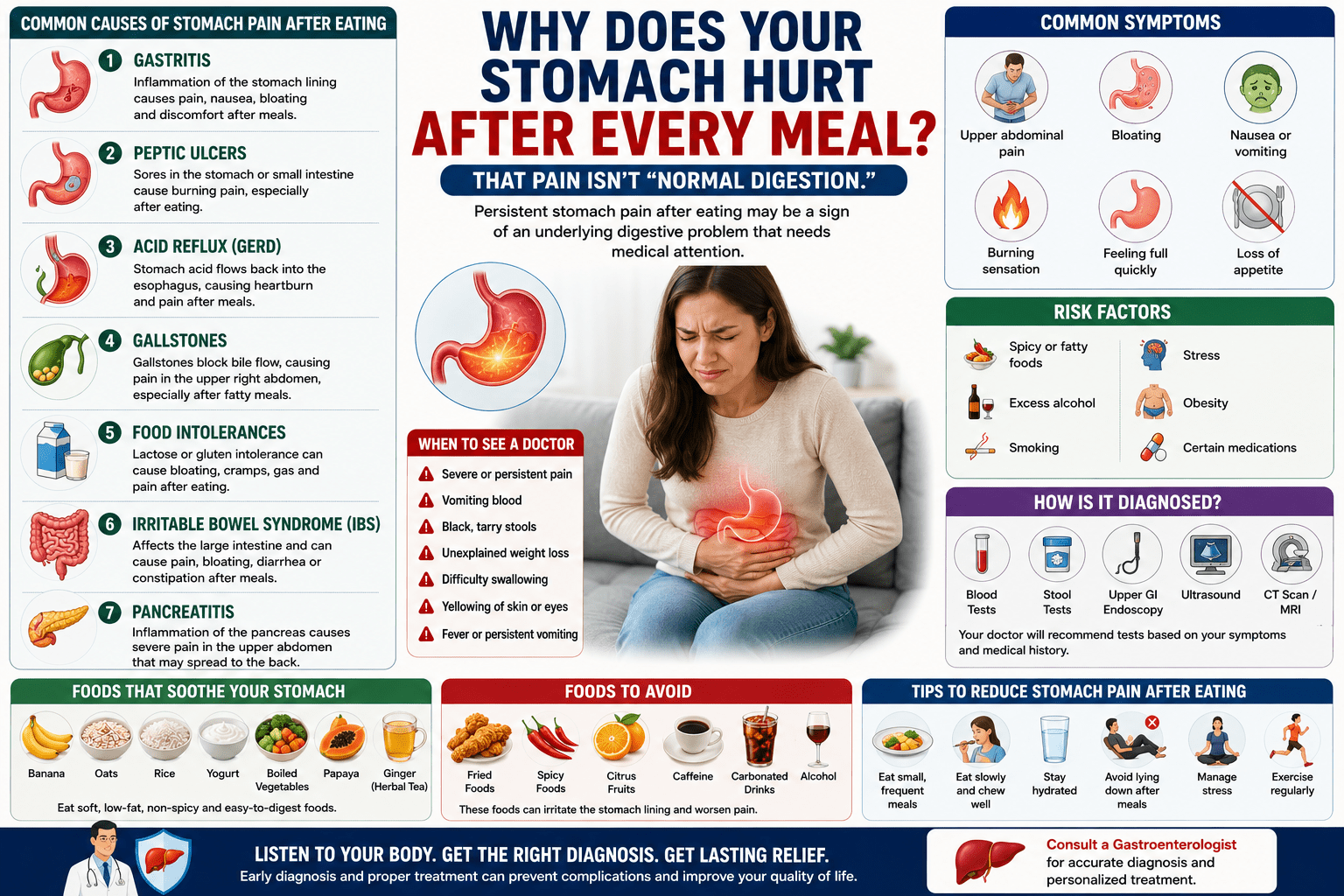
Persistent bloating is never something to simply live with.

Almost everyone experiences bloating from time to time, especially after eating a large meal or consuming gas-producing foods. However, if you’re feeling bloated every day, it may be more than just a temporary inconvenience. Persistent bloating can affect your comfort, confidence, appetite, and quality of life—and in some cases, it may be a sign of an underlying digestive condition that requires medical attention.

Many people describe bloating as a feeling of fullness, tightness, or swelling in the abdomen. Some notice their stomach becomes visibly enlarged, while others mainly experience pressure, discomfort, or excessive gas. Although occasional bloating is usually harmless, bloating that occurs regularly should not be ignored.

The good news is that many causes of chronic bloating can be identified and treated. Whether the issue is related to diet, digestive disorders, food intolerances, gut bacteria, or other medical conditions, early diagnosis often leads to better symptom control and improved digestive health.

In this comprehensive guide, we’ll explore why daily bloating happens, the most common causes, warning signs to watch for, diagnosis, treatment options, and practical ways to reduce bloating naturally.


What Is Bloating?

Bloating is a sensation of abdominal fullness, pressure, or tightness. It may or may not be accompanied by visible abdominal swelling (distension).

Common symptoms include:

  • Feeling unusually full after eating
  • Tightness in the abdomen
  • Increased gas
  • Burping
  • Passing excessive gas
  • Abdominal discomfort
  • Mild cramping

Bloating can occur occasionally or become a chronic, recurring problem.


Why Does Bloating Happen?

Bloating usually occurs because of:

  • Excess gas production
  • Slowed digestion
  • Food intolerances
  • Fluid retention
  • Digestive disorders
  • Changes in gut bacteria
  • Hormonal fluctuations

Sometimes more than one factor contributes to symptoms.


Common Causes of Daily Bloating

1. Eating Too Quickly

Eating rapidly causes you to swallow excess air.

This trapped air contributes to:

  • Burping
  • Gas
  • Abdominal pressure
  • Bloating

Eating slowly and chewing food thoroughly can help.


2. Overeating

Large meals stretch the stomach and slow digestion.

Smaller, more frequent meals are often easier to digest.


3. High-Gas Foods

Certain foods naturally produce more gas during digestion.

Examples include:

  • Beans
  • Lentils
  • Broccoli
  • Cabbage
  • Cauliflower
  • Onions
  • Carbonated drinks

These foods are nutritious, so they don’t always need to be avoided entirely—portion size often matters.


4. Constipation

When stool remains in the colon for too long, gas builds up behind it.

Symptoms may include:

  • Hard stools
  • Infrequent bowel movements
  • Abdominal pressure
  • Feeling of incomplete emptying

Treating constipation often improves bloating.


5. Food Intolerances

Some people have difficulty digesting certain foods.

Common intolerances include:

Lactose Intolerance

Difficulty digesting dairy products.

Fructose Intolerance

Problems digesting certain fruits or sweeteners.

Gluten-Related Disorders

Some individuals with celiac disease or non-celiac gluten sensitivity experience significant bloating.


6. Irritable Bowel Syndrome (IBS)

IBS is one of the most common causes of chronic bloating.

Symptoms include:

  • Bloating
  • Abdominal pain
  • Constipation
  • Diarrhea
  • Alternating bowel habits

Stress often worsens symptoms.


7. Small Intestinal Bacterial Overgrowth (SIBO)

Normally, most gut bacteria live in the large intestine.

In SIBO, excessive bacteria grow in the small intestine, leading to:

  • Gas
  • Bloating
  • Abdominal discomfort
  • Diarrhea
  • Nutrient deficiencies

8. Gastroparesis

Delayed stomach emptying causes food to remain in the stomach longer.

This commonly occurs in people with long-standing diabetes.

Symptoms include:

  • Bloating
  • Nausea
  • Vomiting
  • Feeling full quickly

9. Acid Reflux (GERD)

GERD may be associated with:

  • Bloating
  • Burping
  • Chest burning
  • Sour taste in the mouth

10. Hormonal Changes

Many women experience bloating:

  • Before menstruation
  • During pregnancy
  • Around menopause

Hormonal fluctuations can influence fluid retention and digestion.


Can Stress Cause Bloating?

Yes.

The digestive system and brain communicate through the gut-brain axis.

Stress can:

  • Slow digestion
  • Alter gut bacteria
  • Increase muscle tension
  • Worsen IBS
  • Increase gas production

Managing stress is an important part of treating chronic bloating.


When Is Bloating Serious?

Occasional bloating is common.

However, seek medical attention if bloating is accompanied by:

  • Unexplained weight loss
  • Blood in stool
  • Black stools
  • Persistent vomiting
  • Severe abdominal pain
  • Fever
  • Difficulty swallowing
  • Persistent diarrhea
  • Abdominal swelling that rapidly worsens

These symptoms may indicate a more serious condition.


Conditions That May Cause Persistent Bloating

Chronic bloating may be associated with:

  • Irritable Bowel Syndrome (IBS)
  • Inflammatory Bowel Disease (IBD)
  • Celiac disease
  • Colon cancer
  • Ovarian cancer (particularly in women with persistent bloating and pelvic symptoms)
  • Chronic constipation
  • Pancreatic disorders
  • Liver disease
  • Gallbladder disease

Most cases are not caused by cancer, but persistent symptoms deserve evaluation.


How Is Chronic Bloating Diagnosed?

Your doctor will begin with a detailed medical history and physical examination.

Additional tests may include:

Blood Tests

To evaluate:

  • Infection
  • Inflammation
  • Liver function
  • Thyroid disorders
  • Celiac disease

Stool Tests

Useful when infection or inflammation is suspected.


Lactose Breath Test

Helps diagnose lactose intolerance.


Hydrogen Breath Test

Can identify SIBO or certain carbohydrate intolerances.


Upper GI Endoscopy

Recommended if upper digestive symptoms such as persistent reflux or difficulty swallowing are present.


Colonoscopy

May be advised for:

  • Blood in stool
  • Chronic bowel changes
  • Family history of colorectal cancer
  • Age-appropriate screening

Ultrasound or CT Scan

May help detect gallstones, liver disease, ovarian problems, or other abdominal conditions.


Treatment for Daily Bloating

Treatment depends on the underlying cause.

Eat Slowly

Take time to chew food thoroughly.

Avoid swallowing excess air.


Eat Smaller Meals

Large meals increase stomach distension.

Smaller meals reduce pressure on the digestive tract.


Identify Trigger Foods

Keeping a food diary may help identify foods that worsen symptoms.


Increase Physical Activity

Walking after meals stimulates digestion and helps move gas through the intestines.

Aim for at least 30 minutes of exercise most days of the week.


Stay Hydrated

Adequate water intake supports healthy bowel function and helps prevent constipation.


Treat Constipation

Increasing fiber gradually, drinking enough water, and regular exercise often improve bowel regularity.

Your doctor may recommend medications if needed.


Manage Stress

Helpful techniques include:

  • Meditation
  • Yoga
  • Deep breathing
  • Regular exercise
  • Good sleep habits

Medical Treatment

Depending on the diagnosis, treatment may include:

  • Medications for IBS
  • Antibiotics for SIBO
  • Enzyme supplements
  • Acid-reducing medications
  • Dietary counseling

Always follow your doctor’s recommendations.


Best Foods for Reducing Bloating

Many people tolerate these foods well:

  • Oats
  • Rice
  • Bananas
  • Papaya
  • Ginger
  • Cucumber
  • Carrots
  • Yogurt with live cultures (if tolerated)
  • Peppermint tea (if it doesn’t worsen reflux)

Individual tolerance varies.


Foods That May Trigger Bloating

Some common triggers include:

  • Carbonated drinks
  • Artificial sweeteners
  • Fried foods
  • Highly processed foods
  • Excess dairy (if lactose intolerant)
  • Beans and lentils (for some individuals)
  • Cabbage and cauliflower
  • Excess onions and garlic

Avoid unnecessary restrictions without medical advice, as many of these foods are otherwise nutritious.


Common Myths About Bloating

Myth: Bloating is always caused by gas.

Fact: Fluid retention, constipation, food intolerances, and digestive disorders can also cause bloating.


Myth: Daily bloating is normal.

Fact: Persistent bloating should be evaluated, especially if it affects your daily life.


Myth: Detox drinks cure bloating.

Fact: There is no scientific evidence that detox drinks treat chronic bloating.


Myth: Cutting out all carbohydrates solves bloating.

Fact: Many carbohydrate-rich foods are healthy. The goal is to identify individual triggers rather than eliminate entire food groups unnecessarily.


Frequently Asked Questions

Why am I bloated every day?

Daily bloating may result from diet, constipation, IBS, food intolerances, SIBO, or other digestive conditions. Persistent symptoms should be evaluated by a healthcare professional.

Can stress cause bloating?

Yes. Stress affects the gut-brain axis and can worsen bloating, especially in people with IBS.

Is bloating a sign of cancer?

Most bloating is not caused by cancer. However, persistent bloating with weight loss, blood in the stool, or severe pain requires medical assessment.

Does drinking more water reduce bloating?

Adequate hydration can help prevent constipation, which may reduce bloating.


When Should You See a Gastroenterologist?

Consult a gastroenterologist if you experience:

  • Daily bloating lasting several weeks
  • Severe abdominal pain
  • Blood in the stool
  • Persistent constipation or diarrhea
  • Frequent vomiting
  • Difficulty swallowing
  • Unexplained weight loss
  • Symptoms affecting your quality of life

Early diagnosis helps identify the cause and prevents complications.


Final Thoughts

Feeling bloated once in a while is common, but persistent daily bloating is not something you should simply accept as normal. Whether it’s caused by dietary habits, constipation, IBS, food intolerances, SIBO, gastroparesis, or another digestive condition, identifying the underlying cause is the key to effective treatment.

Healthy eating habits, regular physical activity, proper hydration, stress management, and medical evaluation when symptoms persist can make a significant difference. Paying attention to accompanying warning signs—such as weight loss, blood in the stool, severe pain, or persistent vomiting—is especially important.

If you’re experiencing bloating every day, don’t ignore it. A consultation with a gastroenterologist can help uncover the cause, provide the right treatment, and restore your digestive comfort and overall well-being.

Digestive Problems in Diabetes: Causes, Symptoms, Treatment & Gut Health Guide

Digestive Problems in Diabetes: Diabetes Affects More Than Blood Sugar—It Impacts Your Gut Too

When most people think about diabetes, they focus on blood sugar levels, insulin, or complications affecting the heart, kidneys, eyes, and nerves. However, one area that is often overlooked is the digestive system. Diabetes can have a significant impact on your gut, leading to symptoms that affect your daily comfort, nutrition, and overall quality of life.

High blood sugar over time can damage the nerves that control the digestive tract, slowing or disrupting the movement of food through the stomach and intestines. As a result, people with diabetes may experience problems such as acid reflux, bloating, constipation, diarrhea, nausea, delayed stomach emptying, and difficulty absorbing nutrients.

The good news is that many diabetes-related digestive problems can be prevented or effectively managed with good blood sugar control, a healthy diet, regular physical activity, and timely medical care.

In this comprehensive guide, you’ll learn how diabetes affects the digestive system, common digestive disorders linked to diabetes, warning signs, treatment options, dietary recommendations, and practical steps to maintain a healthy gut.


How Does Diabetes Affect the Digestive System?

The digestive system depends on healthy nerves and muscles to move food smoothly from the mouth to the stomach, intestines, and colon.

When blood sugar remains high for prolonged periods, it can damage the autonomic nerves that control digestion. This condition is known as diabetic autonomic neuropathy.

As nerve damage progresses, the muscles of the digestive tract may not work efficiently, leading to slower or irregular digestion.

Diabetes may also affect:

  • Stomach emptying
  • Intestinal movement
  • Gallbladder function
  • Gut bacteria (microbiome)
  • Nutrient absorption

Common Digestive Problems in Diabetes

1. Gastroparesis

Gastroparesis is one of the best-known digestive complications of diabetes.

It occurs when nerve damage slows stomach emptying.

Symptoms

  • Nausea
  • Vomiting
  • Feeling full quickly
  • Bloating
  • Upper abdominal discomfort
  • Loss of appetite
  • Unpredictable blood sugar levels

Delayed stomach emptying makes blood sugar management more difficult because food enters the intestines unpredictably.


2. Acid Reflux (GERD)

People with diabetes are more likely to experience gastroesophageal reflux disease (GERD).

Symptoms include:

  • Heartburn
  • Sour taste in the mouth
  • Chest discomfort
  • Chronic cough
  • Difficulty swallowing

Obesity and delayed stomach emptying increase the risk.


3. Constipation

Constipation is very common in diabetes.

Causes include:

  • Nerve damage
  • Dehydration
  • Reduced physical activity
  • Certain medications
  • Low-fiber diet

Symptoms include:

  • Hard stools
  • Infrequent bowel movements
  • Straining
  • Feeling of incomplete emptying

4. Diarrhea

Some people with long-standing diabetes experience chronic diarrhea.

Possible causes include:

  • Nerve damage
  • Medication side effects
  • Changes in gut bacteria
  • Small intestinal bacterial overgrowth (SIBO)

5. Bloating and Gas

Slowed digestion allows food to remain longer in the digestive tract, increasing gas production.

Bloating may worsen after large meals.


6. Fatty Liver Disease

People with type 2 diabetes have a significantly higher risk of developing non-alcoholic fatty liver disease (NAFLD).

Risk factors include:

  • Obesity
  • Insulin resistance
  • High cholesterol
  • Metabolic syndrome

Early fatty liver often has no symptoms but may progress if untreated.


7. Gallbladder Disease

Diabetes increases the likelihood of gallstones and gallbladder dysfunction.

Symptoms include:

  • Pain in the upper right abdomen
  • Nausea
  • Vomiting
  • Pain after fatty meals

Why Blood Sugar Control Matters

Keeping blood sugar within your target range helps:

  • Protect digestive nerves
  • Improve stomach emptying
  • Reduce constipation
  • Lower inflammation
  • Improve gut function
  • Reduce the risk of fatty liver disease

Good diabetes management benefits the entire digestive system.


Symptoms You Should Never Ignore

Seek medical evaluation if you experience:

  • Persistent vomiting
  • Severe abdominal pain
  • Blood in the stool
  • Black stools
  • Difficulty swallowing
  • Unexplained weight loss
  • Persistent constipation or diarrhea
  • Jaundice
  • Ongoing nausea

These symptoms may indicate a serious digestive condition requiring prompt treatment.


How Are Digestive Problems Diagnosed?

Your doctor may recommend:

Blood Tests

To assess:

  • Blood sugar control
  • Liver function
  • Nutritional status
  • Infection

Upper GI Endoscopy

Used to evaluate:

  • GERD
  • Ulcers
  • Difficulty swallowing
  • Persistent nausea

Gastric Emptying Study

This specialized test measures how quickly food leaves the stomach and is the standard test for diagnosing gastroparesis.


Colonoscopy

Recommended for:

  • Blood in stool
  • Chronic constipation
  • Persistent diarrhea
  • Colorectal cancer screening

Abdominal Ultrasound

Can identify:

  • Fatty liver
  • Gallstones
  • Liver abnormalities

Treatment Options

Treatment depends on the underlying digestive problem.

Improve Blood Sugar Control

This is the foundation of treatment.

Better glucose control often improves digestive symptoms over time.


Healthy Eating

Choose:

  • High-fiber foods (as tolerated)
  • Whole grains
  • Fruits
  • Vegetables
  • Lean proteins
  • Healthy fats

Eat smaller meals throughout the day rather than large portions.


Stay Hydrated

Adequate fluid intake helps prevent constipation and supports digestion.


Exercise Regularly

Physical activity:

  • Improves bowel movements
  • Supports healthy weight
  • Improves insulin sensitivity
  • Helps reduce fatty liver

Aim for 150 minutes of moderate exercise per week.


Medications

Your healthcare provider may prescribe medications to:

  • Improve stomach emptying
  • Reduce acid reflux
  • Relieve constipation
  • Control diarrhea
  • Manage nausea

Take medications only as directed.


Best Foods for Gut Health in Diabetes

Include:

Whole Grains

  • Oats
  • Brown rice
  • Whole wheat
  • Millets

Vegetables

  • Spinach
  • Broccoli
  • Carrots
  • Beans
  • Cucumber

Fruits

  • Apples
  • Berries
  • Guava
  • Papaya
  • Pears

Lean Proteins

  • Fish
  • Chicken
  • Lentils
  • Tofu

Healthy Fats

  • Olive oil
  • Almonds
  • Walnuts
  • Flaxseeds
  • Chia seeds

Foods to Limit

Reduce intake of:

  • Sugary drinks
  • Fried foods
  • Highly processed snacks
  • Refined carbohydrates
  • Excess sweets
  • Saturated fats
  • Alcohol (especially if liver disease is present)

Can Stress Make Digestive Problems Worse?

Yes.

Stress affects the gut-brain axis, which connects the brain and digestive system.

Stress can worsen:

  • GERD
  • IBS
  • Constipation
  • Diarrhea
  • Bloating

Stress management techniques include:

  • Meditation
  • Yoga
  • Walking
  • Deep breathing
  • Adequate sleep

Can Digestive Problems Be Prevented?

Many diabetes-related digestive complications can be reduced by:

  • Maintaining healthy blood sugar levels
  • Following a balanced diet
  • Exercising regularly
  • Staying hydrated
  • Avoiding smoking
  • Limiting alcohol
  • Taking medications as prescribed
  • Scheduling regular health check-ups

Common Myths About Diabetes and Digestion

Myth: Diabetes only affects blood sugar.

Fact: Diabetes can affect the nerves controlling the digestive tract, liver, and gallbladder.


Myth: Constipation is normal with aging.

Fact: Persistent constipation in diabetes may indicate nerve damage and should be evaluated.


Myth: Digestive symptoms always mean food poisoning.

Fact: Long-term diabetes can itself cause nausea, bloating, and delayed digestion.


Myth: Fatty liver only occurs in people who drink alcohol.

Fact: Non-alcoholic fatty liver disease is common in people with type 2 diabetes.


Frequently Asked Questions

Can diabetes cause stomach problems?

Yes. Diabetes can lead to delayed stomach emptying (gastroparesis), acid reflux, nausea, bloating, and abdominal discomfort.

Why do diabetics become constipated?

High blood sugar may damage the nerves that regulate bowel movement, slowing intestinal transit.

Does better blood sugar control improve digestion?

In many cases, yes. Maintaining target blood glucose levels helps protect nerves and improve digestive function.

Is fatty liver common in diabetes?

Yes. People with type 2 diabetes are at a significantly higher risk of developing non-alcoholic fatty liver disease.


When Should You See a Gastroenterologist?

Consult a gastroenterologist if you have:

  • Persistent nausea or vomiting
  • Severe bloating
  • Difficulty swallowing
  • Frequent acid reflux
  • Blood in your stool
  • Chronic constipation or diarrhea
  • Unexplained weight loss
  • Ongoing abdominal pain
  • Abnormal liver function tests

Early evaluation can identify the cause and prevent complications.


Final Thoughts

Diabetes affects much more than blood sugar—it can have a profound impact on your digestive system. From gastroparesis and acid reflux to constipation, diarrhea, fatty liver disease, and gallbladder problems, digestive complications can develop when high blood sugar damages the nerves and organs involved in digestion.

Fortunately, many of these problems can be prevented or managed through consistent blood sugar control, a balanced diet, regular physical activity, adequate hydration, and routine medical care. Paying attention to digestive symptoms and seeking early evaluation when problems arise can improve your quality of life and reduce the risk of long-term complications.

If you’re living with diabetes and experiencing persistent digestive issues, don’t ignore them. Working with your healthcare provider and a gastroenterologist can help you protect both your gut and your overall health for years to come.

Can Alcohol Permanently Damage Your Liver? Early Signs, Stages, Recovery & Prevention Guide

Can Alcohol Permanently Damage Your Liver?

Your liver can recover—but only up to a point.

The liver is one of the most remarkable organs in the human body. It performs more than 500 essential functions, including filtering toxins, metabolizing nutrients, producing bile for digestion, storing vitamins, regulating blood sugar, and processing medications. One of its most impressive abilities is its capacity to repair itself after injury. However, this healing ability has limits.

Excessive alcohol consumption is one of the leading causes of liver disease worldwide. While the liver can often recover from mild alcohol-related damage if drinking stops early, continued heavy alcohol use can cause irreversible scarring, liver failure, and even liver cancer.

Many people assume that only long-term heavy drinkers develop liver disease. In reality, alcohol affects everyone differently. Factors such as genetics, body weight, nutrition, gender, existing liver disease, and drinking patterns all influence the risk of liver damage.

The encouraging news is that early-stage alcohol-related liver disease can often be reversed with complete abstinence from alcohol and healthy lifestyle changes. Recognizing the warning signs and seeking medical care early can make a significant difference.

In this comprehensive guide, you’ll learn how alcohol affects the liver, the stages of alcohol-related liver disease, symptoms, diagnosis, treatment, prevention, and whether liver damage can truly heal.


Why Is the Liver So Important?

The liver is the largest internal organ and serves as the body’s natural detoxification system.

Its essential functions include:

  • Filtering toxins from the bloodstream
  • Breaking down alcohol and medications
  • Producing bile for fat digestion
  • Regulating blood sugar
  • Storing vitamins and minerals
  • Producing proteins needed for blood clotting
  • Supporting immune function
  • Processing fats, carbohydrates, and proteins

Because the liver is responsible for breaking down alcohol, it bears the greatest burden of alcohol-related damage.


How Does Alcohol Affect the Liver?

When alcohol is consumed, the liver works to break it down into less harmful substances.

During this process, toxic by-products such as acetaldehyde are produced. These substances can:

  • Damage liver cells
  • Trigger inflammation
  • Increase oxidative stress
  • Promote fat accumulation
  • Cause scar tissue formation

Over time, repeated injury reduces the liver’s ability to repair itself.


Stages of Alcohol-Related Liver Disease

Alcohol-related liver disease usually develops gradually.

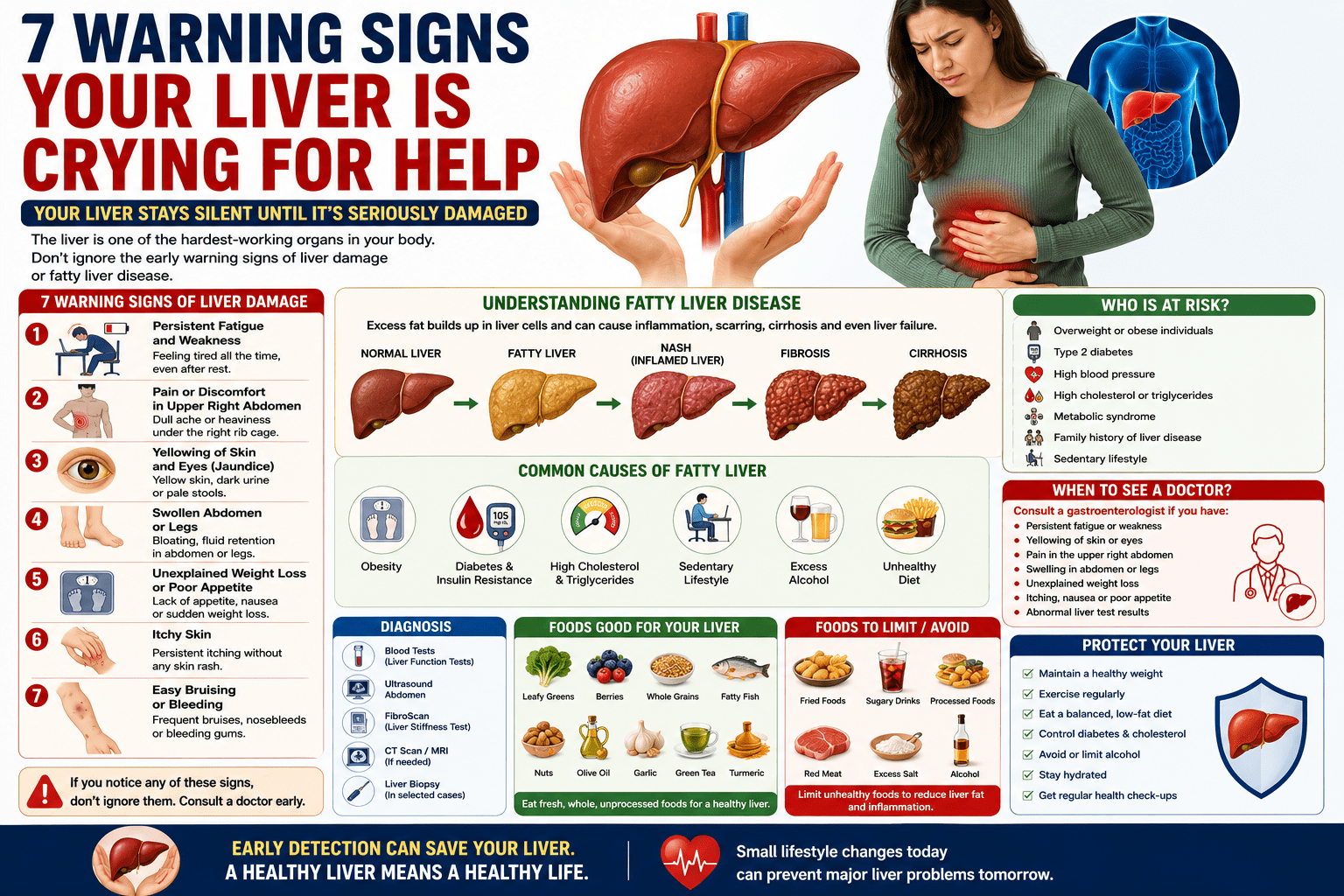
1. Fatty Liver (Alcoholic Fatty Liver Disease)

This is the earliest stage.

Fat accumulates inside liver cells, reducing normal liver function.

Symptoms

Most people have no symptoms.

Some may experience:

  • Fatigue
  • Mild discomfort in the upper right abdomen
  • Feeling generally unwell

Can It Be Reversed?

Yes.

Stopping alcohol consumption can often reverse fatty liver within weeks to months.


2. Alcoholic Hepatitis

Continued drinking may cause inflammation and swelling of the liver.

Symptoms include:

  • Fever
  • Loss of appetite
  • Nausea
  • Vomiting
  • Abdominal pain
  • Jaundice
  • Fatigue

Alcoholic hepatitis can range from mild to life-threatening.


3. Liver Fibrosis

Repeated inflammation leads to the formation of scar tissue.

At this stage:

  • Healthy liver tissue begins to be replaced by fibrosis.
  • Liver function may still remain relatively normal.

Stopping alcohol can slow or prevent further progression.


4. Cirrhosis

Cirrhosis is advanced liver scarring.

Scar tissue permanently replaces healthy liver cells, making it difficult for the liver to function.

Unfortunately, cirrhosis is generally irreversible, although treatment can slow progression and prevent complications.


Can Alcohol Permanently Damage the Liver?

The answer is yes, but it depends on the stage of disease.

Fatty Liver

✅ Usually reversible.

Mild Alcoholic Hepatitis

✅ Often improves if alcohol is stopped early.

Fibrosis

⚠ Some improvement may occur, but significant scarring can remain.

Cirrhosis

❌ Permanent damage.

Treatment focuses on preventing further injury rather than reversing existing scars.


Who Is at Higher Risk?

Not everyone develops liver disease at the same rate.

Risk factors include:

  • Heavy alcohol consumption
  • Drinking daily over many years
  • Binge drinking
  • Obesity
  • Fatty liver disease
  • Diabetes
  • Viral hepatitis
  • Smoking
  • Poor nutrition
  • Family history of liver disease

Women may develop alcohol-related liver disease with lower alcohol intake than men due to differences in alcohol metabolism.


Symptoms of Alcohol-Related Liver Disease

Early liver disease often causes no symptoms.

As damage progresses, symptoms may include:

  • Fatigue
  • Weakness
  • Loss of appetite
  • Nausea
  • Weight loss
  • Upper right abdominal pain
  • Jaundice
  • Dark urine
  • Pale stools
  • Swollen abdomen (ascites)
  • Swelling in the legs
  • Easy bruising
  • Confusion (hepatic encephalopathy)
  • Itchy skin

Warning Signs That Need Immediate Medical Attention

Seek urgent medical care if you experience:

  • Vomiting blood
  • Black, tarry stools
  • Severe abdominal swelling
  • Confusion or drowsiness
  • High fever with jaundice
  • Difficulty breathing
  • Sudden severe abdominal pain

These may indicate life-threatening complications of advanced liver disease.


Complications of Long-Term Alcohol Use

Untreated alcohol-related liver disease may lead to:

Cirrhosis

Permanent scarring that reduces liver function.


Liver Failure

The liver loses its ability to perform essential functions.


Portal Hypertension

Scar tissue blocks normal blood flow through the liver, increasing pressure in the portal vein.


Ascites

Fluid accumulates inside the abdomen.


Esophageal Varices

Swollen veins in the esophagus may rupture and cause severe bleeding.


Hepatic Encephalopathy

Toxins build up in the bloodstream and affect brain function, leading to confusion and altered consciousness.


Liver Cancer

People with cirrhosis have an increased risk of developing hepatocellular carcinoma.


How Is Alcohol-Related Liver Disease Diagnosed?

Your doctor may recommend:

Medical History

A discussion about alcohol use, symptoms, medications, and other health conditions.


Physical Examination

To look for signs of liver disease such as jaundice, abdominal swelling, or enlarged liver.


Blood Tests

Including:

  • Liver Function Tests (LFTs)
  • Complete blood count
  • Blood clotting tests
  • Viral hepatitis screening

Ultrasound

Helps detect:

  • Fatty liver
  • Cirrhosis
  • Liver enlargement
  • Ascites

FibroScan

A painless test that measures liver stiffness and estimates fibrosis.


CT Scan or MRI

May be used if advanced liver disease or liver cancer is suspected.


Liver Biopsy

Occasionally recommended to confirm diagnosis or assess the severity of liver damage.


Can the Liver Heal?

One of the liver’s greatest strengths is its ability to regenerate.

However, recovery depends on how much damage has already occurred.

If You Stop Drinking Early

The liver can:

  • Reduce inflammation
  • Remove excess fat
  • Repair damaged liver cells
  • Improve liver function

If Cirrhosis Has Developed

Scar tissue cannot be reversed.

However:

  • Stopping alcohol slows progression.
  • Complications can be managed.
  • Quality of life often improves.

Treatment for Alcohol-Related Liver Disease

Treatment focuses on preventing further damage and supporting liver function.

Complete Abstinence from Alcohol

The single most important step.

Stopping alcohol completely offers the best chance for recovery.


Nutritional Support

Many patients are malnourished.

A healthy diet rich in:

  • Fruits
  • Vegetables
  • Whole grains
  • Lean proteins
  • Healthy fats

helps support liver healing.


Regular Exercise

Exercise helps:

  • Reduce fatty liver
  • Improve metabolism
  • Maintain healthy weight

Aim for at least 150 minutes of moderate activity each week.


Manage Other Medical Conditions

Control:

  • Diabetes
  • High cholesterol
  • Obesity

to reduce additional liver stress.


Medications

Doctors may prescribe medications to treat complications, reduce inflammation, or manage symptoms depending on the stage of disease.


Liver Transplant

For end-stage liver failure, liver transplantation may be considered in carefully selected patients who meet eligibility criteria.


Can Occasional Drinking Damage the Liver?

For many healthy adults, occasional moderate alcohol intake may not cause permanent liver damage.

However, the risk increases with:

  • Frequent heavy drinking
  • Binge drinking
  • Existing liver disease
  • Obesity
  • Viral hepatitis

If you already have liver disease, your doctor may recommend avoiding alcohol completely.


How to Protect Your Liver

Healthy habits include:

  • Avoid excessive alcohol
  • Never binge drink
  • Maintain a healthy weight
  • Exercise regularly
  • Eat a balanced diet
  • Get vaccinated against Hepatitis A and B if recommended
  • Take medications only as prescribed
  • Avoid smoking
  • Schedule regular health check-ups

Common Myths About Alcohol and Liver Health

Myth: Only alcoholics develop liver disease.

Fact: Anyone who regularly consumes excessive amounts of alcohol may develop liver damage.


Myth: Beer is safer than liquor.

Fact: The total amount of alcohol consumed matters more than the type of drink.


Myth: Liver cleanses can reverse alcohol damage.

Fact: No detox drink or supplement can reverse cirrhosis. The most effective treatment is stopping alcohol and receiving appropriate medical care.


Myth: If I feel fine, my liver is healthy.

Fact: Early liver disease often causes no symptoms.


Frequently Asked Questions

Can fatty liver from alcohol be reversed?

Yes. Early-stage alcoholic fatty liver often improves after stopping alcohol.

How long does the liver take to recover?

Recovery varies depending on the extent of damage. Fatty liver may improve within weeks to months, while advanced scarring cannot be reversed.

Is alcohol-related cirrhosis curable?

No. Cirrhosis is permanent, but treatment can slow progression and reduce complications.

Should I get regular liver tests if I drink alcohol?

People who drink heavily or have other risk factors should discuss liver health screening with their healthcare provider.


When Should You See a Gastroenterologist?

Consult a gastroenterologist if you experience:

  • Persistent fatigue
  • Yellowing of the skin or eyes
  • Abdominal swelling
  • Unexplained weight loss
  • Ongoing nausea
  • Dark urine
  • Abnormal liver function tests
  • A history of heavy alcohol use
  • Symptoms of liver disease

Early diagnosis offers the best opportunity to prevent permanent liver damage.


Final Thoughts

Your liver has an incredible ability to repair itself, but it cannot heal indefinitely. Early alcohol-related liver damage, such as fatty liver and mild inflammation, is often reversible if alcohol consumption stops and healthy lifestyle changes are made. However, continued heavy drinking can lead to fibrosis, cirrhosis, liver failure, and liver cancer—conditions that may be permanent or life-threatening.

The most effective way to protect your liver is to drink responsibly, avoid binge drinking, maintain a healthy lifestyle, and seek medical evaluation if you notice symptoms such as jaundice, persistent fatigue, abdominal swelling, or abnormal liver test results.

Your liver can recover—but only up to a point. The earlier you take action, the greater your chance of preserving your liver health for years to come.

Viral Hepatitis Prevention Guide: 10 Essential Ways to Protect Your Liver from Hepatitis A, B, C, D & E

Viral Hepatitis: Prevention Guide – Protect Your Liver Before Infection Happens

Your liver is one of the hardest-working organs in your body. It filters toxins, produces bile for digestion, stores nutrients, regulates blood sugar, and supports hundreds of essential functions every day. Despite its remarkable ability to regenerate, the liver is vulnerable to infections—one of the most significant being viral hepatitis.

Viral hepatitis is an inflammation of the liver caused by specific viruses. Millions of people around the world are affected by hepatitis every year, and many don’t realize they are infected until liver damage has already occurred. While some forms of hepatitis cause only short-term illness, others can become chronic and lead to serious complications such as liver cirrhosis, liver failure, or liver cancer.

The encouraging news is that many cases of viral hepatitis are preventable. Vaccination, safe hygiene practices, healthy lifestyle choices, and early medical screening can dramatically reduce the risk of infection and its complications.

In this comprehensive guide, you’ll learn about the different types of viral hepatitis, how they spread, common symptoms, prevention strategies, vaccination, diagnosis, treatment, and when to seek medical care.


What Is Viral Hepatitis?

Viral hepatitis is inflammation of the liver caused by viruses. The five major hepatitis viruses are:

  • Hepatitis A (HAV)
  • Hepatitis B (HBV)
  • Hepatitis C (HCV)
  • Hepatitis D (HDV)
  • Hepatitis E (HEV)

Although they all affect the liver, they differ in how they spread, how severe they become, and how they are treated.


Why Is the Liver So Important?

The liver performs over 500 essential functions, including:

  • Filtering harmful substances from the blood
  • Producing bile to digest fats
  • Storing vitamins and minerals
  • Regulating blood sugar
  • Producing proteins needed for blood clotting
  • Processing medications
  • Supporting immunity

When hepatitis causes liver inflammation, these important functions may become impaired.


Types of Viral Hepatitis

Hepatitis A

Hepatitis A is usually a short-term infection that does not become chronic.

How It Spreads

  • Contaminated food or water
  • Poor hand hygiene
  • Close contact with an infected person
  • Eating contaminated shellfish

Symptoms

  • Fever
  • Fatigue
  • Nausea
  • Vomiting
  • Loss of appetite
  • Abdominal pain
  • Dark urine
  • Jaundice

Most people recover completely.


Hepatitis B

Hepatitis B can be either acute or chronic.

It spreads through:

  • Infected blood
  • Unprotected sexual contact
  • Shared needles
  • Mother-to-child transmission during birth

Chronic Hepatitis B significantly increases the risk of cirrhosis and liver cancer.


Hepatitis C

Hepatitis C primarily spreads through blood-to-blood contact.

Common sources include:

  • Shared needles
  • Unsafe medical procedures
  • Unscreened blood transfusions in the past
  • Rarely through sexual transmission

Many people have no symptoms for years, making regular screening important for high-risk individuals.


Hepatitis D

Hepatitis D occurs only in people already infected with Hepatitis B.

Vaccination against Hepatitis B also protects against Hepatitis D.


Hepatitis E

Hepatitis E usually spreads through contaminated drinking water.

It is more common in areas with poor sanitation.

Pregnant women are at higher risk of severe illness from Hepatitis E.


Common Symptoms of Viral Hepatitis

Early hepatitis may not cause noticeable symptoms.

When symptoms develop, they may include:

  • Fatigue
  • Fever
  • Nausea
  • Vomiting
  • Loss of appetite
  • Abdominal discomfort
  • Joint pain
  • Dark-colored urine
  • Pale stools
  • Yellowing of the skin and eyes (jaundice)
  • Itchy skin

Some people, especially those with chronic Hepatitis B or C, remain symptom-free for years.


Who Is at Higher Risk?

You may have an increased risk if you:

  • Travel to areas with poor sanitation
  • Have unprotected sex
  • Share needles or syringes
  • Work in healthcare
  • Live with someone who has hepatitis
  • Receive frequent blood products
  • Have chronic kidney disease requiring dialysis
  • Have HIV infection
  • Consume unsafe food or water while traveling

How Viral Hepatitis Spreads

Different viruses spread in different ways.

Food and Water

  • Hepatitis A
  • Hepatitis E

Blood

  • Hepatitis B
  • Hepatitis C
  • Hepatitis D

Sexual Contact

  • Mainly Hepatitis B
  • Less commonly Hepatitis C

Mother to Baby

  • Hepatitis B

Understanding transmission helps prevent infection.


How to Prevent Viral Hepatitis

1. Get Vaccinated

Vaccination is the most effective protection against:

  • Hepatitis A
  • Hepatitis B

There is currently no vaccine for Hepatitis C.


2. Practice Good Hand Hygiene

Wash your hands thoroughly:

  • Before eating
  • After using the restroom
  • Before preparing food

Soap and clean water remain one of the best preventive measures.


3. Drink Safe Water

When traveling:

  • Drink bottled or properly treated water.
  • Avoid ice from unsafe sources.
  • Be cautious with street food in areas where sanitation is poor.

4. Eat Safe Food

Choose food that is:

  • Freshly cooked
  • Served hot
  • Properly washed

Avoid raw or undercooked shellfish in high-risk areas.


5. Practice Safe Sex

Using barrier protection and limiting exposure to infected bodily fluids helps reduce the risk of Hepatitis B.


6. Never Share Needles

Avoid sharing:

  • Syringes
  • Needles
  • Tattoo equipment
  • Piercing equipment

Ensure sterile equipment is used for all medical and cosmetic procedures.


7. Ensure Safe Blood Transfusions

Modern blood screening has greatly reduced the risk of hepatitis transmission.

Seek medical care from reputable healthcare facilities.


8. Avoid Sharing Personal Items

Do not share:

  • Razors
  • Toothbrushes
  • Nail clippers

These items may carry microscopic amounts of blood.


Can Viral Hepatitis Be Treated?

Treatment depends on the type of hepatitis.

Hepatitis A

Usually resolves with supportive care, including rest, hydration, and good nutrition.

Hepatitis B

Some people recover naturally, while chronic infection may require antiviral medication and long-term monitoring.

Hepatitis C

Modern antiviral medications can cure most cases of Hepatitis C when diagnosed early.

Hepatitis D

Treatment is more challenging and requires specialist care.

Hepatitis E

Most cases resolve on their own with supportive treatment.


Possible Complications

Untreated chronic hepatitis can lead to:

Liver Cirrhosis

Permanent scarring reduces liver function.


Liver Failure

Severe liver damage can become life-threatening.


Liver Cancer

Chronic Hepatitis B and C significantly increase the risk of hepatocellular carcinoma.


Portal Hypertension

Scarring disrupts blood flow through the liver, increasing pressure in the portal vein.


How Is Viral Hepatitis Diagnosed?

Doctors may recommend:

Blood Tests

These help identify:

  • Hepatitis virus type
  • Liver inflammation
  • Liver function
  • Viral load (for chronic infections)

Liver Function Tests (LFT)

LFTs assess how well the liver is working.


Ultrasound

Helps evaluate liver size, fatty liver, cirrhosis, or other abnormalities.


FibroScan

A non-invasive test that measures liver stiffness to assess fibrosis or cirrhosis.


Liver Biopsy

Rarely needed today but may be recommended in selected cases.


Healthy Lifestyle Tips for Liver Protection

Protect your liver by:

  • Eating a balanced diet
  • Maintaining a healthy weight
  • Exercising regularly
  • Limiting alcohol
  • Avoiding smoking
  • Taking medications only as prescribed
  • Avoiding unnecessary herbal supplements without medical advice
  • Managing diabetes and high cholesterol

Common Myths About Viral Hepatitis

Myth: All hepatitis infections are lifelong.

Fact: Hepatitis A and most Hepatitis E infections are short-term and usually resolve completely.


Myth: You can tell if someone has hepatitis.

Fact: Many infected individuals have no visible symptoms.


Myth: Hepatitis only affects people with unhealthy lifestyles.

Fact: Anyone can become infected through contaminated food, water, blood exposure, or childbirth.


Myth: Hepatitis vaccines protect against every type.

Fact: Vaccines are available for Hepatitis A and B but not for Hepatitis C.


Frequently Asked Questions

Can hepatitis spread through casual contact?

No. Hepatitis B and C are not spread by hugging, shaking hands, sharing food, or casual social contact.

Is Hepatitis C curable?

Yes. Modern antiviral medications can cure most people with Hepatitis C when diagnosed and treated appropriately.

Who should get vaccinated?

Children, healthcare workers, travelers to high-risk regions, people with chronic liver disease, and other at-risk groups should discuss vaccination with their healthcare provider.

Can healthy people get hepatitis?

Yes. Viral hepatitis can affect anyone if exposed to the virus.


When Should You See a Gastroenterologist?

Consult a gastroenterologist or liver specialist if you have:

  • Persistent fatigue
  • Jaundice
  • Dark urine
  • Abdominal swelling
  • Unexplained nausea
  • Elevated liver enzymes
  • Known exposure to hepatitis
  • Chronic Hepatitis B or C
  • A family history of liver disease

Early diagnosis improves treatment outcomes and helps prevent long-term liver damage.


Final Thoughts

Viral hepatitis remains a major global health concern, but many infections can be prevented through vaccination, good hygiene, safe food and water practices, responsible healthcare, and regular medical screening. Since some forms of hepatitis cause few or no symptoms in the early stages, awareness and early testing are essential—especially for individuals at higher risk.

Protecting your liver today can prevent serious complications such as cirrhosis, liver failure, and liver cancer in the future. By adopting healthy lifestyle habits, staying informed about vaccination, and seeking prompt medical attention when symptoms arise, you can significantly reduce your risk of viral hepatitis and maintain lifelong liver health.

Your liver works tirelessly every day. Take the steps now to protect it before infection happens.

GERD Diet Guide: 15 Best Foods to Eat & Foods to Avoid for Lasting Acid Reflux Relief

Best Diet for GERD Patients: Stop Triggering Acid Reflux with These Common Foods

If you frequently experience heartburn, acid reflux, chest burning, or a sour taste in your mouth after meals, your diet could be the reason. Millions of people suffer from Gastroesophageal Reflux Disease (GERD), a chronic digestive condition in which stomach acid repeatedly flows back into the esophagus.

While medications can provide relief, your daily eating habits play an equally important role in controlling GERD. Certain foods relax the lower esophageal sphincter (LES)—the valve that prevents stomach acid from flowing upward—while others increase stomach acid production or delay stomach emptying, making reflux worse.

The good news is that a GERD-friendly diet can significantly reduce symptoms, improve digestion, and lower the risk of complications. By choosing the right foods and avoiding common triggers, many people experience fewer episodes of heartburn and enjoy a better quality of life.

In this comprehensive guide, we’ll explore the best diet for GERD patients, foods to avoid, healthy meal ideas, lifestyle changes, and when to seek medical advice.


What Is GERD?

GERD (Gastroesophageal Reflux Disease) is a condition where stomach acid repeatedly flows backward into the esophagus.

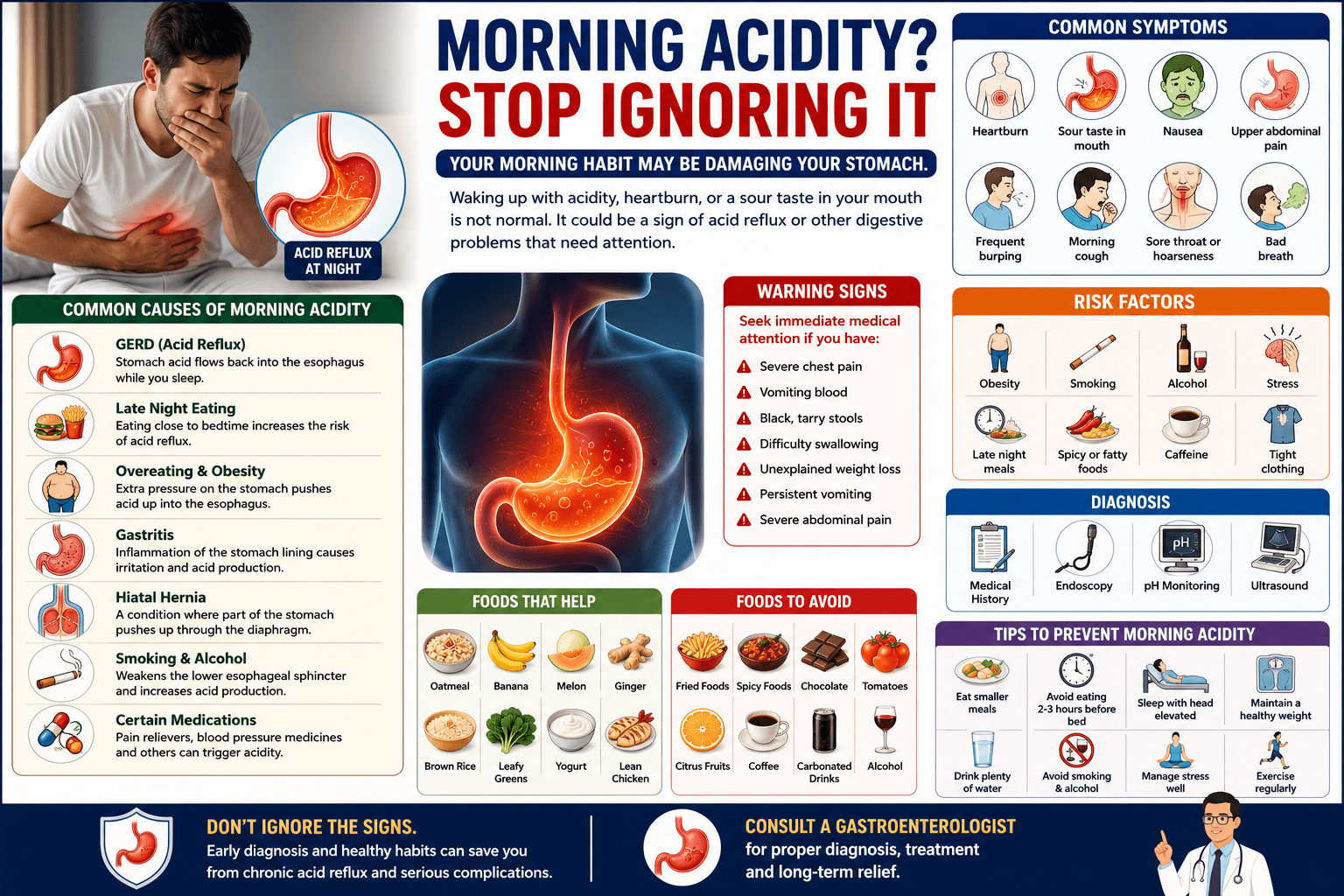
Normally, the lower esophageal sphincter (LES) acts like a valve that keeps stomach contents where they belong. When this valve weakens or relaxes inappropriately, acid escapes into the esophagus, causing irritation and inflammation.

Occasional acid reflux is common, but symptoms occurring more than twice a week may indicate GERD.


Common Symptoms of GERD

GERD symptoms vary from person to person but commonly include:

  • Burning sensation in the chest (heartburn)
  • Sour or bitter taste in the mouth
  • Acid regurgitation
  • Frequent burping
  • Bloating
  • Upper abdominal discomfort
  • Difficulty swallowing
  • Chronic cough
  • Hoarseness
  • Sore throat, especially in the morning
  • Feeling of a lump in the throat

Symptoms often worsen after large meals or when lying down.


Why Diet Matters in GERD

Food directly affects the digestive system. Some foods increase stomach acid, while others relax the LES or slow stomach emptying, increasing the likelihood of reflux.

A balanced GERD-friendly diet can:

  • Reduce acid reflux episodes
  • Protect the esophagus
  • Improve digestion
  • Support healthy body weight
  • Reduce dependence on medications (under medical supervision)

Best Foods for GERD Patients

1. Oatmeal

Oatmeal is rich in soluble fiber, helping absorb stomach acid and promoting healthy digestion.

Benefits include:

  • Keeps you full longer
  • Supports bowel health
  • May reduce reflux episodes

2. Bananas

Bananas are naturally low in acid and gentle on the stomach.

They may help soothe the digestive tract and are well tolerated by many GERD patients.


3. Melons

Watermelon, cantaloupe, and muskmelon are low-acid fruits that are less likely to trigger heartburn.


4. Green Vegetables

Vegetables such as:

  • Spinach
  • Broccoli
  • Green beans
  • Cucumber
  • Lettuce
  • Asparagus

are naturally low in fat and acid, making them excellent choices.


5. Lean Proteins

Healthy protein sources include:

  • Skinless chicken
  • Turkey
  • Fish
  • Lentils
  • Tofu
  • Egg whites

Avoid frying these foods.


6. Whole Grains

Choose:

  • Brown rice
  • Oats
  • Whole wheat bread
  • Millets
  • Quinoa

Whole grains provide fiber that supports healthy digestion.


7. Healthy Fats

Consume healthy fats in moderation, such as:

  • Almonds
  • Walnuts
  • Flaxseeds
  • Chia seeds
  • Olive oil
  • Avocados (if tolerated)

8. Low-Fat Dairy

If dairy doesn’t trigger your symptoms, choose:

  • Low-fat yogurt
  • Skim milk
  • Low-fat cottage cheese

Some individuals may be sensitive to dairy, so monitor your symptoms.


Foods That Can Trigger GERD

Everyone’s triggers differ, but common problem foods include:

Fried Foods

High-fat meals delay stomach emptying and relax the LES.

Examples:

  • French fries
  • Fried chicken
  • Pakoras
  • Samosas

Spicy Foods

Hot peppers, chili powder, and spicy curries may worsen heartburn in some individuals.


Tomatoes and Tomato Products

Tomatoes are naturally acidic.

Foods such as:

  • Tomato sauce
  • Ketchup
  • Pizza sauce

may trigger symptoms.


Citrus Fruits

These include:

  • Oranges
  • Lemons
  • Grapefruit

Their acidity can worsen reflux in some people.


Chocolate

Chocolate contains compounds that may relax the LES.


Peppermint

Peppermint can relax the LES, increasing acid reflux.


Coffee and Caffeine

Coffee, strong tea, and energy drinks may trigger symptoms in susceptible individuals.

Try limiting intake or switching to decaffeinated options if symptoms persist.


Carbonated Drinks

Soft drinks increase stomach pressure, making reflux more likely.


Alcohol

Alcohol may weaken the LES and irritate the esophagus.

Limiting or avoiding alcohol often improves GERD symptoms.


Processed and Fast Foods

Foods high in saturated fat, salt, and refined carbohydrates can worsen reflux and contribute to weight gain.


Healthy Meal Plan for GERD

Breakfast

  • Oatmeal with banana slices
  • Whole-grain toast
  • Herbal tea

Mid-Morning Snack

  • Apple slices
  • Handful of almonds

Lunch

  • Grilled chicken
  • Brown rice
  • Steamed vegetables

Evening Snack

  • Low-fat yogurt
  • Papaya

Dinner

  • Grilled fish or lentil soup
  • Whole wheat roti
  • Mixed vegetables

Finish dinner at least 2–3 hours before bedtime.


Lifestyle Tips to Control GERD

Diet alone may not be enough. These habits can make a big difference:

Eat Smaller Meals

Large meals increase pressure inside the stomach and make reflux more likely.

Eat smaller portions more frequently instead.


Avoid Lying Down After Meals

Remain upright for at least 2–3 hours after eating.


Maintain a Healthy Weight

Excess abdominal fat increases pressure on the stomach and contributes to acid reflux.

Even modest weight loss can improve symptoms.


Elevate the Head of Your Bed

Raising the head of your bed by 6–8 inches helps prevent acid from flowing back into the esophagus during sleep.


Stop Smoking

Smoking weakens the LES and reduces saliva production, both of which increase reflux.


Wear Loose Clothing

Tight clothing around the waist increases abdominal pressure.


Stay Hydrated

Drink water throughout the day, but avoid drinking large amounts during meals.


Foods That May Help Reduce Acid Reflux Naturally

Some foods may help soothe GERD symptoms, including:

  • Oatmeal
  • Ginger (in moderation)
  • Bananas
  • Melons
  • Green vegetables
  • Aloe vera juice (only if recommended by your doctor)
  • Chamomile tea (if tolerated)

Remember that individual responses vary.


Can Stress Make GERD Worse?

Yes.

Although stress doesn’t directly cause GERD, it can:

  • Increase awareness of symptoms
  • Affect digestion
  • Encourage unhealthy eating habits
  • Disrupt sleep

Managing stress through yoga, meditation, exercise, and relaxation techniques may help reduce symptom severity.


Complications of Untreated GERD

Ignoring persistent acid reflux may lead to:

  • Esophagitis
  • Esophageal ulcers
  • Narrowing of the esophagus (stricture)
  • Barrett’s esophagus
  • Increased risk of esophageal cancer

Early treatment reduces these risks.


When Should You See a Gastroenterologist?

Consult a gastroenterologist if you experience:

  • Heartburn more than twice a week
  • Difficulty swallowing
  • Persistent chest discomfort
  • Chronic cough
  • Hoarseness
  • Vomiting blood
  • Black stools
  • Unexplained weight loss
  • Symptoms despite lifestyle changes or medication

Your doctor may recommend an upper GI endoscopy or other tests to evaluate your condition.


Common Myths About GERD Diet

Myth: Milk always relieves acid reflux.

Fact: High-fat milk may worsen symptoms in some people.


Myth: Spicy food is the only trigger.

Fact: Fatty foods, caffeine, chocolate, citrus fruits, alcohol, and large meals can also trigger GERD.


Myth: Skipping meals helps.

Fact: Skipping meals may increase stomach acid and worsen symptoms.


Myth: Everyone has the same food triggers.

Fact: GERD triggers vary between individuals. Keeping a food diary can help identify personal triggers.


Frequently Asked Questions

Can GERD be cured with diet alone?

Diet and lifestyle changes significantly improve symptoms for many people, but some individuals may also require medication or other treatments.

Is rice good for GERD?

Yes. Brown rice and other whole grains are generally good choices because they are high in fiber and easy to digest.

Are eggs safe for GERD?

Egg whites are usually well tolerated. Some people may find high-fat egg preparations more likely to trigger symptoms.

Can I drink coffee?

Coffee may trigger reflux in some individuals. If it worsens your symptoms, consider limiting caffeine or switching to decaffeinated options.


Final Thoughts

Managing GERD isn’t just about taking medication—it’s about making long-term lifestyle changes that support a healthier digestive system. Choosing fiber-rich foods, lean proteins, whole grains, fruits, and vegetables while limiting fried foods, spicy dishes, caffeine, alcohol, and highly processed meals can significantly reduce acid reflux episodes.

Simple habits like eating smaller meals, avoiding late-night eating, maintaining a healthy weight, staying upright after meals, and elevating the head of your bed can further improve symptoms and protect your esophagus from long-term damage.

If you experience frequent heartburn, persistent acid reflux, difficulty swallowing, or symptoms that don’t improve despite dietary changes, consult a gastroenterologist. Early diagnosis and a personalized treatment plan can help you control GERD, prevent complications, and enjoy a healthier, more comfortable life.

Digestive Health After 40: 10 Expert Tips to Keep Your Gut Healthy as You Age

Digestive Health After Age 40: Your Digestive System Changes with Age—Here’s How to Protect It

Turning 40 is an important milestone in life. While many people focus on maintaining heart health, bone strength, or fitness, digestive health often receives much less attention. Yet, your digestive system undergoes several natural changes as you age, affecting how your body digests food, absorbs nutrients, and eliminates waste.

After the age of 40, many people begin to notice symptoms such as frequent acidity, bloating, constipation, indigestion, or food intolerance. Although these changes are common, they should never be dismissed as an unavoidable part of aging. Many digestive problems can be prevented—or managed effectively—through healthy lifestyle choices, routine screenings, and timely medical care.

Maintaining good digestive health is about more than avoiding stomach discomfort. A healthy digestive system supports your immune function, nutrient absorption, metabolism, energy levels, and overall quality of life.

In this comprehensive guide, you’ll learn how the digestive system changes after 40, common digestive conditions, warning signs to watch for, dietary recommendations, lifestyle habits, and practical ways to keep your gut healthy for years to come.


Why Does Digestion Change After Age 40?

Aging affects every organ in the body, including the digestive tract. These changes usually happen gradually and may not be noticeable at first.

Some common age-related changes include:

  • Slower metabolism
  • Reduced digestive enzyme production
  • Slower movement of food through the intestines
  • Changes in gut bacteria (gut microbiome)
  • Reduced muscle tone in the digestive tract
  • Increased risk of chronic medical conditions
  • Greater use of medications that may affect digestion

These factors can make digestion less efficient and increase the likelihood of digestive symptoms.


Common Digestive Problems After Age 40

1. Acid Reflux (GERD)

Heartburn and acid reflux become more common with age due to weakening of the lower esophageal sphincter and slower stomach emptying.

Symptoms include:

  • Burning sensation in the chest
  • Sour taste in the mouth
  • Regurgitation
  • Chronic cough
  • Hoarseness

Ignoring persistent reflux may increase the risk of esophagitis or Barrett’s esophagus.


2. Constipation

Constipation is one of the most common digestive complaints after 40.

Contributing factors include:

  • Lower fiber intake
  • Reduced physical activity
  • Dehydration
  • Certain medications
  • Hormonal changes

Increasing fiber, drinking enough water, and exercising regularly often improve bowel function.


3. Bloating and Gas

Changes in digestion and gut bacteria may lead to excessive gas and abdominal bloating.

Common triggers include:

  • Carbonated beverages
  • Beans
  • Certain vegetables
  • Dairy products (in lactose intolerance)
  • Overeating

Persistent bloating should be evaluated by a doctor.


4. Fatty Liver Disease

Non-alcoholic fatty liver disease (NAFLD) becomes increasingly common after 40, particularly in people with:

  • Obesity
  • Diabetes
  • High cholesterol
  • High blood pressure

Early fatty liver is often reversible with lifestyle changes.


5. Gallstones

The risk of gallstones increases with age, especially among women and individuals who are overweight.

Symptoms may include:

  • Severe pain in the upper right abdomen
  • Nausea
  • Vomiting
  • Pain after fatty meals

6. Diverticular Disease

Small pouches called diverticula can form in the colon over time.

While many people have no symptoms, complications may include:

  • Abdominal pain
  • Fever
  • Constipation
  • Infection (diverticulitis)

A high-fiber diet may help reduce the risk.


7. Colorectal Polyps and Colon Cancer

The risk of colorectal cancer increases with age.

Routine screening is recommended because polyps can often be removed before they become cancerous.


The Importance of Gut Microbiome After 40

Your intestines contain trillions of beneficial bacteria known as the gut microbiome.

These bacteria help:

  • Digest food
  • Produce vitamins
  • Support immunity
  • Reduce inflammation
  • Protect against harmful bacteria

Diet, antibiotics, stress, and aging can alter the balance of these microbes.

To support a healthy microbiome:

  • Eat more fiber
  • Include fermented foods like yogurt and kefir (if tolerated)
  • Consume fruits and vegetables daily
  • Limit processed foods

Foods That Support Digestive Health

A balanced diet is one of the best ways to maintain digestive health.

Eat More:

Fruits

  • Apples
  • Bananas
  • Papaya
  • Berries
  • Pears

Vegetables

  • Spinach
  • Broccoli
  • Carrots
  • Beetroot
  • Cabbage

Whole Grains

  • Oats
  • Brown rice
  • Whole wheat
  • Millets
  • Quinoa

Lean Proteins

  • Fish
  • Skinless chicken
  • Lentils
  • Beans
  • Tofu

Healthy Fats

  • Nuts
  • Seeds
  • Olive oil
  • Avocados

Foods to Limit

Reduce intake of:

  • Fried foods
  • Processed meats
  • Sugary drinks
  • Refined carbohydrates
  • Excess alcohol
  • Highly processed snacks
  • Excess salt

These foods can contribute to inflammation, obesity, fatty liver disease, and digestive discomfort.


Stay Hydrated

Water supports:

  • Digestion
  • Nutrient absorption
  • Stool formation
  • Prevention of constipation

Aim to drink enough water throughout the day unless your doctor recommends fluid restriction.


Exercise Supports Digestion

Regular physical activity helps:

  • Improve bowel movements
  • Maintain healthy body weight
  • Reduce acid reflux
  • Lower the risk of fatty liver disease
  • Improve insulin sensitivity

Aim for at least 150 minutes of moderate exercise each week.


Maintain a Healthy Weight

Excess body weight increases the risk of:

  • GERD
  • Fatty liver disease
  • Gallstones
  • Type 2 diabetes
  • Colon cancer

Even modest weight loss can improve digestive health.


Don’t Ignore Warning Signs

Seek medical attention if you experience:

  • Blood in stool
  • Black stools
  • Persistent abdominal pain
  • Difficulty swallowing
  • Unexplained weight loss
  • Persistent vomiting
  • Jaundice
  • Ongoing constipation or diarrhea
  • Changes in bowel habits lasting more than a few weeks

These symptoms require prompt evaluation.


Digestive Health Screenings After 40

Preventive screening becomes increasingly important with age.

Depending on your risk factors, your doctor may recommend:

Colonoscopy

Used to detect:

  • Colon polyps
  • Colorectal cancer
  • Inflammatory bowel disease

Upper GI Endoscopy

Recommended for persistent:

  • Acid reflux
  • Difficulty swallowing
  • Upper abdominal pain
  • Vomiting

Liver Function Tests

Useful for detecting liver inflammation and fatty liver disease.


Abdominal Ultrasound

May identify:

  • Fatty liver
  • Gallstones
  • Liver disease
  • Pancreatic abnormalities

Lifestyle Habits That Protect Your Gut

Simple habits can make a big difference:

  • Eat meals at regular times
  • Chew food thoroughly
  • Avoid overeating
  • Finish dinner at least 2–3 hours before bedtime
  • Manage stress
  • Sleep 7–8 hours per night
  • Avoid smoking
  • Limit alcohol

The Role of Stress in Digestive Health

The brain and digestive system communicate through the gut-brain axis.

Stress can contribute to:

  • Acid reflux
  • IBS
  • Bloating
  • Constipation
  • Diarrhea

Managing stress through meditation, yoga, exercise, and relaxation techniques can improve digestive health.


Common Myths About Digestive Health After 40

Myth: Digestive problems are a normal part of aging.

Fact: While digestion changes with age, persistent symptoms should always be evaluated.


Myth: Heartburn is harmless.

Fact: Chronic acid reflux can damage the esophagus if left untreated.


Myth: Colonoscopy is only necessary if symptoms develop.

Fact: Screening helps detect problems before symptoms appear.


Myth: Fiber supplements can replace healthy foods.

Fact: Whole fruits, vegetables, legumes, and whole grains provide additional nutrients that supplements cannot fully replace.


Frequently Asked Questions

Why do I experience more bloating after 40?

Changes in gut bacteria, slower digestion, food intolerances, and reduced physical activity may contribute.

Is constipation common after 40?

Yes. Aging, medications, dehydration, and lower fiber intake increase the risk.

Can digestive problems be prevented?

Many digestive conditions can be prevented or managed through healthy eating, regular exercise, maintaining a healthy weight, and routine screening.

Should everyone have a colonoscopy after 45?

Current recommendations often advise colorectal cancer screening beginning at age 45 for individuals at average risk, though your doctor may recommend earlier screening based on family history or other risk factors.


When Should You See a Gastroenterologist?

Consult a gastroenterologist if you have:

  • Persistent heartburn
  • Chronic constipation or diarrhea
  • Blood in the stool
  • Unexplained weight loss
  • Frequent bloating
  • Difficulty swallowing
  • Ongoing abdominal pain
  • Abnormal liver function tests
  • A family history of digestive cancers

Early diagnosis often leads to better treatment outcomes.


Final Thoughts

Your digestive system changes naturally as you age, but persistent digestive symptoms should never be dismissed as “just getting older.” Acid reflux, constipation, fatty liver disease, gallstones, and colorectal conditions become more common after 40, making healthy lifestyle habits and preventive screening more important than ever.

A balanced diet rich in fruits, vegetables, whole grains, lean proteins, and healthy fats, combined with regular physical activity, proper hydration, stress management, and routine medical check-ups, can significantly reduce the risk of digestive disorders and help maintain a healthy gut.

If you notice ongoing digestive symptoms such as heartburn, bloating, changes in bowel habits, blood in the stool, or unexplained weight loss, seek medical advice promptly. Early evaluation and timely treatment can prevent complications and help you enjoy better digestive health well beyond the age of 40.

Constipation: 10 Warning Signs You Should Never Ignore (When to See a Gastroenterologist)

Constipation: When Is It Serious?

Skipping bowel movements for days isn’t something to ignore.

Constipation is one of the most common digestive complaints, affecting people of all ages. Almost everyone experiences constipation occasionally due to travel, dietary changes, dehydration, stress, or illness. While occasional constipation is usually harmless and improves with simple lifestyle changes, persistent constipation can sometimes signal a more serious medical condition.

Many people believe that not having a bowel movement every day automatically means they are constipated. In reality, bowel habits vary from person to person. Some healthy individuals pass stool three times a day, while others may have bowel movements only three times a week and still be completely healthy.

The real concern arises when there is a noticeable change in your usual bowel pattern, especially if passing stool becomes difficult, painful, or infrequent. Chronic constipation not only affects your quality of life but can also lead to complications such as hemorrhoids, anal fissures, fecal impaction, and, in rare cases, may be an early sign of colon cancer or other digestive disorders.

Understanding the causes, symptoms, and warning signs of constipation can help you seek timely treatment and protect your digestive health.


What Is Constipation?

Constipation refers to infrequent or difficult bowel movements. Doctors generally define constipation as:

  • Fewer than three bowel movements per week
  • Hard, dry, or lumpy stools
  • Difficulty or pain while passing stool
  • Excessive straining
  • Feeling that the bowel does not empty completely
  • A sensation of blockage during bowel movements

Constipation can be:

  • Acute: Lasting for a few days or weeks
  • Chronic: Lasting for more than three months or recurring frequently

How Does the Digestive System Normally Work?

After food is digested, waste enters the large intestine (colon). The colon absorbs water and electrolytes while forming stool.

If stool moves too slowly through the colon, too much water is absorbed, making it hard, dry, and difficult to pass.

Healthy bowel movements depend on:

  • Adequate fiber intake
  • Proper hydration
  • Healthy intestinal muscles
  • Normal nerve function
  • Regular physical activity

Disruption in any of these factors can lead to constipation.


Common Causes of Constipation

1. Low-Fiber Diet

Fiber adds bulk and softness to stool, making it easier to pass.

Low-fiber diets often include:

  • White bread
  • Refined flour products
  • Fast food
  • Processed snacks
  • Sugary foods

People who consume fewer fruits, vegetables, legumes, and whole grains are more likely to develop constipation.


2. Dehydration

Water keeps stool soft.

When the body doesn’t receive enough fluids, the colon absorbs extra water from waste, resulting in hard stools that are difficult to pass.


3. Lack of Physical Activity

Physical movement stimulates intestinal contractions.

A sedentary lifestyle slows bowel movements, increasing the risk of constipation.


4. Ignoring the Urge to Pass Stool

Delaying bowel movements repeatedly allows stool to remain in the colon longer, making it harder and drier.


5. Certain Medications

Several medications may contribute to constipation, including:

  • Iron supplements
  • Calcium supplements
  • Opioid pain medications
  • Some antidepressants
  • Antacids containing calcium or aluminum
  • Certain blood pressure medications

Always consult your doctor before changing prescribed medications.


6. Pregnancy

Hormonal changes and pressure from the growing uterus can slow intestinal movement, making constipation common during pregnancy.


7. Aging

Older adults are more prone to constipation because of:

  • Reduced physical activity
  • Lower fluid intake
  • Multiple medications
  • Slower digestive function

8. Medical Conditions

Constipation may also result from:

  • Irritable Bowel Syndrome (IBS)
  • Diabetes
  • Hypothyroidism
  • Parkinson’s disease
  • Multiple sclerosis
  • Colon cancer
  • Colorectal strictures

Symptoms of Constipation

Besides infrequent bowel movements, constipation may cause:

  • Hard stools
  • Pain while passing stool
  • Excessive straining
  • Feeling of incomplete emptying
  • Bloating
  • Abdominal discomfort
  • Gas
  • Reduced appetite
  • Nausea in severe cases

When Is Constipation Serious?

Occasional constipation usually improves within a few days.

However, you should seek medical attention if you experience:

Constipation Lasting More Than Three Weeks

Persistent constipation may require evaluation for an underlying medical condition.


Blood in the Stool

Bright red blood or dark stools should never be ignored.

It may indicate hemorrhoids, fissures, inflammatory bowel disease, or colorectal cancer.


Severe Abdominal Pain

Severe or worsening pain could suggest bowel obstruction or another emergency.


Persistent Vomiting

Vomiting with constipation may indicate intestinal blockage and requires urgent medical care.


Fever

Constipation accompanied by fever may suggest infection or inflammation.


Sudden Constipation After Age 50

A new change in bowel habits later in life should always be evaluated.


Unexplained Weight Loss

Weight loss combined with constipation may indicate an underlying digestive disease or cancer.


Pencil-Thin Stools

Persistent narrow stools may suggest narrowing of the colon and should be investigated.


Inability to Pass Gas

If you cannot pass stool or gas and develop abdominal swelling, seek emergency medical care.


Complications of Untreated Constipation

Ignoring chronic constipation may lead to:

Hemorrhoids (Piles)

Repeated straining increases pressure on veins around the anus.

Symptoms include:

  • Bleeding
  • Pain
  • Swelling
  • Itching

Anal Fissures

Hard stools can tear the anal lining, causing pain and bleeding.


Fecal Impaction

Extremely hard stool becomes stuck in the rectum and may require medical removal.


Rectal Prolapse

Long-term straining may cause the rectum to protrude outside the anus.


Reduced Quality of Life

Chronic constipation can interfere with work, sleep, travel, appetite, and emotional well-being.


How Is Constipation Diagnosed?

A gastroenterologist begins with a detailed medical history and physical examination.

Additional tests may include:

Blood Tests

To detect:

  • Diabetes
  • Thyroid disorders
  • Electrolyte abnormalities

Stool Tests

Used when infection or bleeding is suspected.


Colonoscopy

Recommended if you have:

  • Blood in stool
  • Persistent constipation
  • Family history of colorectal cancer
  • Unexplained weight loss
  • Symptoms beginning after age 45

A colonoscopy helps identify:

  • Polyps
  • Colon cancer
  • Inflammation
  • Narrowing of the colon

Imaging Tests

X-rays or CT scans may be performed if bowel obstruction is suspected.


Specialized Motility Tests

For chronic constipation, tests such as anorectal manometry and colonic transit studies help evaluate bowel muscle and nerve function.


Treatment Options

Treatment depends on the underlying cause.

Increase Fiber Intake

Adults should consume 25–35 grams of fiber daily.

Excellent sources include:

  • Apples
  • Pears
  • Papaya
  • Oats
  • Brown rice
  • Whole wheat
  • Lentils
  • Chickpeas
  • Vegetables
  • Flaxseeds

Increase fiber gradually to avoid bloating.


Drink More Water

Aim for adequate hydration throughout the day unless your doctor advises fluid restriction.


Exercise Daily

Walking, yoga, swimming, and cycling stimulate bowel movement.

Aim for at least 30 minutes of exercise most days of the week.


Develop Regular Toilet Habits

Go to the bathroom at the same time every day, especially after breakfast when the colon is naturally active.

Never ignore the urge to pass stool.


Medications

Your doctor may recommend:

  • Bulk-forming laxatives
  • Stool softeners
  • Osmotic laxatives
  • Stimulant laxatives (short-term)
  • Prescription medications for chronic constipation

Avoid frequent self-medication.


Treat Underlying Conditions

Managing thyroid disorders, diabetes, IBS, or medication-related constipation often improves symptoms.


Best Foods to Relieve Constipation

Include:

  • Prunes
  • Kiwi
  • Papaya
  • Apples
  • Pears
  • Spinach
  • Broccoli
  • Oats
  • Brown rice
  • Lentils
  • Yogurt (if tolerated)
  • Chia seeds
  • Flaxseeds

Foods That Can Worsen Constipation

Limit:

  • Fast food
  • Fried foods
  • Cheese (in excess)
  • White bread
  • Cakes
  • Pastries
  • Processed snacks
  • Sugary beverages

Can Stress Cause Constipation?

Yes.

The gut and brain communicate closely through the gut-brain axis.

Stress can:

  • Slow intestinal movement
  • Alter gut bacteria
  • Worsen IBS
  • Increase constipation

Stress management techniques include:

  • Meditation
  • Yoga
  • Deep breathing
  • Regular exercise
  • Adequate sleep

Can Constipation Be Prevented?

Yes.

Simple daily habits can significantly reduce your risk:

  • Eat a high-fiber diet
  • Drink enough water
  • Stay physically active
  • Respond promptly to bowel urges
  • Limit processed foods
  • Maintain a regular daily routine

Common Myths About Constipation

Myth: Everyone should have a bowel movement every day.

Fact: Healthy bowel habits vary. Three bowel movements a week may be normal for some people.


Myth: Laxatives are always safe.

Fact: Long-term use without medical supervision may cause dependency or electrolyte imbalance.


Myth: Constipation is never serious.

Fact: Persistent constipation can indicate underlying digestive diseases, including colorectal cancer.


Myth: Drinking coffee cures constipation.

Fact: Coffee may stimulate bowel movements in some individuals but is not a reliable treatment.


Frequently Asked Questions

How long is too long without a bowel movement?

If you haven’t had a bowel movement for more than three days and have pain, bloating, or vomiting, seek medical advice.

Can constipation cause stomach pain?

Yes. Hard stools and trapped gas commonly cause abdominal discomfort.

Is constipation common in older adults?

Yes. Aging, medications, and reduced activity all increase the risk.

Should I worry about blood in my stool?

Yes. Blood in the stool should always be evaluated by a doctor.


When Should You See a Gastroenterologist?

Schedule an appointment if you have:

  • Constipation lasting longer than three weeks
  • Blood in the stool
  • Severe abdominal pain
  • Unexplained weight loss
  • Persistent bloating
  • Recurrent constipation despite lifestyle changes
  • Family history of colorectal cancer
  • Difficulty passing stool affecting daily life

Early evaluation can identify the cause and prevent complications.


Final Thoughts

Constipation is common, but persistent constipation is not something you should ignore. While many cases improve with a fiber-rich diet, proper hydration, regular exercise, and healthy bowel habits, constipation that lasts for weeks or is associated with blood in the stool, severe pain, unexplained weight loss, vomiting, or fever requires prompt medical evaluation.

Your bowel habits are an important indicator of your digestive health. Paying attention to changes and seeking timely medical advice can help detect underlying conditions early and prevent complications such as hemorrhoids, anal fissures, fecal impaction, or colorectal disease.

If you’re skipping bowel movements for days, struggling with chronic constipation, or noticing warning signs, consult a gastroenterologist. Early diagnosis and the right treatment can restore healthy bowel function and improve your overall well-being.

Morning Acidity: Why You Wake Up with Heartburn & How to Stop It Naturally

Morning Acidity: Causes & Solutions – Waking Up with Burning in Your Chest Isn’t Normal

Do you wake up every morning with a burning sensation in your chest, a sour taste in your mouth, or discomfort in your upper abdomen? Many people dismiss these symptoms as a minor inconvenience, but frequent morning acidity is not something you should ignore.

Morning acidity often occurs because stomach acid flows back into the esophagus while you’re lying down. Although occasional heartburn is common, recurring symptoms may indicate Gastroesophageal Reflux Disease (GERD) or another digestive condition that requires medical attention.

Persistent acidity can interfere with sleep, reduce your quality of life, and, if left untreated, may lead to complications such as inflammation of the esophagus, ulcers, narrowing of the esophagus, or even Barrett’s esophagus, a condition associated with an increased risk of esophageal cancer.

The good news is that most cases of morning acidity can be managed effectively through lifestyle changes, dietary modifications, medications, and timely medical care.

In this comprehensive guide, we’ll explain why morning acidity happens, its causes, symptoms, treatment options, preventive measures, and when it’s time to consult a gastroenterologist.


What Is Morning Acidity?

Morning acidity refers to the experience of acid reflux or heartburn shortly after waking up. It occurs when stomach acid moves backward into the esophagus, irritating its lining.

Unlike the stomach, the esophagus does not have a protective lining against acid. As a result, even a small amount of acid reflux can cause discomfort.


Why Does Morning Acidity Happen?

Several factors make acid reflux more likely during the night.

When you lie flat:

  • Gravity no longer helps keep stomach contents down.
  • Stomach acid can remain in contact with the esophagus for longer.
  • Swallowing decreases during sleep, reducing the natural clearance of acid.
  • Saliva production decreases, limiting its ability to neutralize acid.

These changes make nighttime and early morning reflux more common.


Common Causes of Morning Acidity

1. Gastroesophageal Reflux Disease (GERD)

GERD is the most common cause of persistent morning acidity.

It develops when the lower esophageal sphincter (LES), a muscular valve between the stomach and esophagus, becomes weak or relaxes inappropriately, allowing stomach acid to flow backward.


2. Late-Night Meals

Eating a heavy meal just before bedtime leaves food in the stomach while you’re lying down, increasing the risk of reflux.


3. Spicy and Fatty Foods

Foods that may trigger acidity include:

  • Fried foods
  • Spicy curries
  • Fast food
  • Chocolate
  • Peppermint
  • Tomatoes
  • Citrus fruits in some individuals

These foods may relax the LES or delay stomach emptying.


4. Obesity

Excess abdominal weight increases pressure inside the abdomen, making reflux more likely.


5. Hiatal Hernia

A hiatal hernia occurs when part of the stomach moves upward through the diaphragm, increasing the likelihood of acid reflux.


6. Pregnancy

Hormonal changes and pressure from the growing uterus commonly contribute to heartburn during pregnancy.


7. Smoking

Smoking weakens the LES, reduces saliva production, and irritates the esophagus.


8. Alcohol

Alcohol can relax the LES and increase acid reflux, particularly when consumed in the evening.


9. Certain Medications

Some medicines may worsen reflux, including:

  • Certain pain relievers (NSAIDs)
  • Calcium channel blockers
  • Some asthma medications
  • Certain sedatives

Never stop prescribed medications without consulting your doctor.


Symptoms of Morning Acidity

Common symptoms include:

  • Burning sensation in the chest (heartburn)
  • Sour or bitter taste in the mouth
  • Acid regurgitation
  • Upper abdominal discomfort
  • Frequent burping
  • Bloating
  • Nausea
  • Difficulty swallowing
  • Chronic cough
  • Hoarseness
  • Sore throat, especially in the morning
  • Feeling of a lump in the throat

Symptoms may worsen after large meals or when lying down.


Warning Signs That Should Never Be Ignored

Seek prompt medical attention if you experience:

  • Difficulty swallowing
  • Pain while swallowing
  • Vomiting blood
  • Black, tarry stools
  • Unexplained weight loss
  • Persistent vomiting
  • Chest pain that may resemble a heart attack
  • Symptoms that do not improve with treatment

These symptoms require urgent evaluation.


Possible Complications of Untreated Acid Reflux

Persistent acid exposure may lead to:

Esophagitis

Inflammation of the esophagus.


Esophageal Ulcers

Open sores may develop due to repeated acid injury.


Esophageal Stricture

Scarring can narrow the esophagus, making swallowing difficult.


Barrett’s Esophagus

Long-term reflux may change the lining of the esophagus, increasing the risk of esophageal cancer.


Poor Sleep Quality

Nighttime reflux often disrupts sleep and contributes to daytime fatigue.


How Is Morning Acidity Diagnosed?

Your doctor will evaluate your symptoms and may recommend:

Medical History

A detailed discussion of your eating habits, medications, and symptoms.


Physical Examination

To rule out other possible causes of discomfort.


Upper GI Endoscopy

An endoscopy allows direct visualization of the esophagus and stomach.

It helps identify:

  • Inflammation
  • Ulcers
  • Barrett’s esophagus
  • Hiatal hernia

24-Hour pH Monitoring

This specialized test measures acid exposure in the esophagus over a full day.


Esophageal Manometry

This test evaluates the function of the esophagus and LES.


Treatment for Morning Acidity

Treatment depends on the underlying cause and severity.

Lifestyle Changes

Many people experience significant improvement by:

  • Avoiding late-night meals
  • Eating smaller portions
  • Maintaining a healthy weight
  • Quitting smoking
  • Limiting alcohol
  • Exercising regularly

Elevate the Head of Your Bed

Raising the head of the bed by about 6–8 inches can reduce nighttime reflux by using gravity to keep stomach contents down.

Using extra pillows alone is usually less effective because it may only bend the neck rather than elevate the upper body.


Avoid Trigger Foods

Common triggers include:

  • Fried foods
  • Spicy foods
  • Chocolate
  • Mint
  • Coffee
  • Carbonated beverages
  • Citrus fruits (for some people)

Keeping a food diary can help identify individual triggers.


Medications

Your doctor may recommend medications such as:

  • Antacids for quick symptom relief
  • H2 receptor blockers
  • Proton pump inhibitors (PPIs)

Take medications only as prescribed.


Surgery

In selected patients with severe GERD that does not respond to medications, anti-reflux surgery may be considered.


Diet Tips to Prevent Morning Acidity

Eat more:

  • Oatmeal
  • Bananas
  • Melons
  • Green vegetables
  • Whole grains
  • Lean proteins
  • Low-fat yogurt (if tolerated)

Limit:

  • Fried foods
  • Excess oil
  • Sugary beverages
  • Processed foods
  • Late-night snacks

Aim to finish dinner at least 2–3 hours before bedtime.


Can Stress Cause Morning Acidity?

Stress does not directly cause acid reflux but may:

  • Increase the perception of heartburn
  • Lead to unhealthy eating habits
  • Affect digestion
  • Worsen existing GERD symptoms

Managing stress through relaxation techniques, exercise, and adequate sleep can be helpful.


Can Morning Acidity Be Prevented?

Yes, many cases can be prevented by adopting healthy habits:

  • Eat dinner early
  • Maintain a healthy weight
  • Sleep with the head of the bed elevated
  • Avoid tobacco and alcohol
  • Limit trigger foods
  • Stay physically active
  • Follow prescribed treatment if you have GERD

Common Myths About Morning Acidity

Myth: Heartburn every day is normal.

Fact: Frequent heartburn may indicate GERD and should be evaluated.


Myth: Milk always relieves acidity.

Fact: While milk may provide temporary relief for some people, high-fat milk can stimulate additional acid production later.


Myth: Only spicy food causes acidity.

Fact: Fatty foods, chocolate, caffeine, alcohol, obesity, and late-night meals also contribute.


Myth: Acid reflux only affects older adults.

Fact: GERD can affect people of all ages, including young adults.


Frequently Asked Questions

Is morning acidity a sign of GERD?

Frequent morning acidity is commonly associated with GERD, but other digestive conditions may also contribute.

Why is acidity worse in the morning?

Lying flat overnight allows stomach acid to remain in contact with the esophagus for longer, increasing irritation.

Can weight loss improve acidity?

Yes. Losing excess weight often reduces abdominal pressure and improves reflux symptoms.

Is coffee bad for acid reflux?

Coffee may trigger symptoms in some people but not everyone. Individual tolerance varies.


When Should You See a Gastroenterologist?

Consult a gastroenterologist if you have:

  • Heartburn more than twice a week
  • Difficulty swallowing
  • Persistent morning acidity
  • Frequent regurgitation
  • Chronic cough or hoarseness
  • Chest discomfort related to reflux
  • Unexplained weight loss
  • Symptoms despite medication

Early diagnosis can help prevent long-term complications.


Final Thoughts

Waking up with heartburn, a sour taste in your mouth, or persistent chest burning isn’t something you should consider normal. Morning acidity is often a sign that stomach acid is repeatedly flowing into the esophagus, commonly due to gastroesophageal reflux disease (GERD) or lifestyle factors such as late-night eating, obesity, smoking, or certain dietary habits.

The good news is that most cases can be managed effectively with simple changes, including eating dinner earlier, avoiding trigger foods, maintaining a healthy weight, elevating the head of the bed, and following your doctor’s treatment plan. If symptoms persist or are accompanied by warning signs such as difficulty swallowing, unexplained weight loss, vomiting blood, or black stools, seek medical evaluation promptly.

Your digestive system shouldn’t greet you with pain every morning. Addressing acid reflux early can relieve symptoms, improve your sleep, and protect your esophagus from long-term damage.

10 Everyday Foods That Damage Your Liver Daily (And What to Eat Instead)

Foods That Damage Your Liver Daily: Some Everyday Foods Silently Harm Your Liver

Your liver is one of the hardest-working organs in your body. Every day, it filters toxins, processes nutrients, regulates blood sugar, produces bile for digestion, stores vitamins, and performs hundreds of essential functions that keep you healthy.

Despite its remarkable ability to repair itself, the liver has its limits. A poor diet, especially one high in processed foods, sugar, unhealthy fats, and alcohol, can gradually damage liver cells. Over time, these unhealthy eating habits may contribute to fatty liver disease, liver inflammation, fibrosis, cirrhosis, and even liver cancer.

The concerning part is that many of the foods that negatively affect your liver are consumed every day without a second thought. Soft drinks, packaged snacks, sugary desserts, processed meats, and fast food have become staples in many households, quietly increasing the burden on the liver.

The good news is that making healthier food choices today can significantly improve liver health and even reverse early-stage fatty liver disease in many people.

In this comprehensive guide, we’ll explore the foods that may harm your liver, explain why they are harmful, discuss liver-friendly alternatives, and share practical tips for maintaining a healthy liver.


Why Is the Liver So Important?

The liver performs more than 500 essential functions, including:

  • Filtering toxins from the bloodstream
  • Processing nutrients from food
  • Producing bile for fat digestion
  • Storing vitamins and minerals
  • Regulating blood sugar
  • Producing proteins for blood clotting
  • Breaking down medications
  • Supporting immunity

When the liver becomes damaged, these vital functions can be affected, impacting your overall health.


How Diet Affects Liver Health

Everything you eat passes through your digestive system and eventually reaches the liver.

A healthy diet helps the liver function efficiently, while an unhealthy diet forces it to work harder and promotes fat accumulation, inflammation, and scarring.

Over time, unhealthy eating patterns can lead to:

  • Fatty liver disease
  • Obesity
  • Type 2 diabetes
  • High cholesterol
  • Metabolic syndrome
  • Liver inflammation

Fortunately, dietary changes can significantly reduce these risks.


Foods That Can Damage Your Liver

1. Sugary Drinks

Soft drinks, energy drinks, packaged fruit juices, and sweetened beverages are among the biggest contributors to fatty liver disease.

These drinks often contain large amounts of fructose, which the liver converts into fat.

Regular consumption may increase the risk of:

  • Fatty liver
  • Obesity
  • Insulin resistance
  • Type 2 diabetes

Better Choice

  • Water
  • Unsweetened herbal tea
  • Fresh lemon water
  • Coconut water (without added sugar)

2. Excess Sugar

Too much sugar doesn’t just affect your waistline—it also affects your liver.

Foods high in added sugar include:

  • Cakes
  • Cookies
  • Candies
  • Ice cream
  • Chocolates
  • Sweet desserts

Excess sugar can promote fat storage within the liver.


3. Refined Carbohydrates

Highly processed carbohydrates quickly raise blood sugar and insulin levels.

Examples include:

  • White bread
  • White rice
  • Bakery products
  • Pastries
  • Pizza crust
  • Refined flour snacks

Frequent consumption increases the risk of fatty liver disease.

Better Choice

  • Brown rice
  • Whole wheat bread
  • Oats
  • Millets
  • Quinoa

4. Fried Foods

Deep-fried foods contain unhealthy fats and are often high in calories.

Common examples:

  • French fries
  • Fried chicken
  • Pakoras
  • Samosas
  • Potato chips

Regular intake contributes to obesity and liver fat accumulation.


5. Fast Food

Fast food is often rich in:

  • Saturated fats
  • Salt
  • Refined carbohydrates
  • Sugar

Examples include:

  • Burgers
  • Pizza
  • Fried chicken
  • Hot dogs

Eating fast food frequently has been linked to an increased risk of fatty liver disease.


6. Processed Meats

Processed meats are often high in:

  • Sodium
  • Preservatives
  • Saturated fats

Examples include:

  • Sausages
  • Bacon
  • Salami
  • Ham

Excessive consumption may contribute to inflammation and metabolic disease.


7. Excess Alcohol

Alcohol is one of the leading causes of liver disease worldwide.

Long-term heavy drinking may cause:

  • Fatty liver
  • Alcoholic hepatitis
  • Cirrhosis
  • Liver failure

If you already have liver disease, your doctor may recommend avoiding alcohol completely.


8. High-Salt Foods

Too much sodium may contribute to fluid retention and worsen advanced liver disease.

Foods high in salt include:

  • Instant noodles
  • Packaged soups
  • Chips
  • Pickles
  • Processed snacks

9. Trans Fats

Artificial trans fats increase inflammation and cardiovascular risk.

They are commonly found in:

  • Packaged baked goods
  • Commercial cookies
  • Doughnuts
  • Margarine
  • Some frozen foods

Always read food labels carefully.


10. Highly Processed Snacks

Packaged snacks often contain excessive amounts of:

  • Salt
  • Sugar
  • Unhealthy fats
  • Artificial additives

Examples include:

  • Chips
  • Flavored crackers
  • Cheese puffs
  • Packaged namkeen

Replacing these with healthier snacks supports liver health.


Foods That Support Liver Health

A healthy, liver-friendly diet includes:

Fruits

Such as:

  • Apples
  • Oranges
  • Berries
  • Papaya
  • Guava

Vegetables

Especially:

  • Spinach
  • Broccoli
  • Carrots
  • Beetroot
  • Cabbage

Whole Grains

Choose:

  • Oats
  • Brown rice
  • Millets
  • Whole wheat
  • Quinoa

Lean Proteins

Good options include:

  • Fish
  • Skinless chicken
  • Lentils
  • Beans
  • Tofu

Healthy Fats

Consume in moderation:

  • Nuts
  • Seeds
  • Olive oil
  • Avocados

Coffee

Research suggests that moderate coffee consumption may help protect the liver in some individuals. However, avoid excessive sugar or high-fat creamers.


Healthy Eating Habits for Liver Protection

In addition to choosing healthier foods:

  • Eat balanced meals
  • Avoid overeating
  • Stay hydrated
  • Exercise regularly
  • Maintain a healthy weight
  • Limit sugary drinks
  • Avoid smoking
  • Sleep adequately

These habits work together to support liver function.


Warning Signs of Liver Damage

Early liver disease often has no symptoms.

As damage progresses, symptoms may include:

  • Fatigue
  • Weakness
  • Loss of appetite
  • Nausea
  • Pain in the upper right abdomen
  • Yellowing of the skin and eyes
  • Dark urine
  • Swelling of the abdomen
  • Easy bruising

Seek medical evaluation if these symptoms develop.


Who Is at Higher Risk?

You may have a higher risk of liver disease if you:

  • Are overweight or obese
  • Have diabetes
  • Have high cholesterol
  • Consume alcohol heavily
  • Eat a highly processed diet
  • Have a family history of liver disease
  • Lead a sedentary lifestyle

Regular health check-ups can help detect liver problems early.


How Is Liver Disease Diagnosed?

Your doctor may recommend:

  • Liver Function Tests (LFTs)
  • Blood sugar testing
  • Lipid profile
  • Abdominal ultrasound
  • FibroScan
  • CT scan or MRI when indicated

Early diagnosis improves treatment outcomes.


Can Liver Damage Be Reversed?

The answer depends on the stage.

Fatty Liver

Often reversible with:

  • Healthy eating
  • Weight loss
  • Regular exercise
  • Better diabetes control

Fibrosis

Early fibrosis may improve if the underlying cause is addressed.

Cirrhosis

Advanced cirrhosis is generally irreversible, but treatment can slow progression and reduce complications.


Common Myths About Liver Health

Myth: Only alcohol damages the liver.

Fact: Poor diet, obesity, diabetes, and metabolic syndrome are major causes of non-alcoholic fatty liver disease.


Myth: Fruit juice is always healthy.

Fact: Many packaged fruit juices contain large amounts of added sugar.


Myth: Liver disease always causes pain.

Fact: Many people have liver disease without symptoms until significant damage has occurred.


Myth: Herbal supplements are always safe for the liver.

Fact: Some herbal products may actually harm the liver. Always consult your doctor before using supplements.


Frequently Asked Questions

Can sugar cause fatty liver?

Yes. Excess sugar, particularly fructose from sweetened beverages, can contribute to fat accumulation in the liver.

Is coffee good for the liver?

Moderate coffee consumption has been associated with improved liver health in some studies, though it should be consumed without excessive sugar or cream.

Can diet alone cure fatty liver?

For many people with early-stage fatty liver, healthy eating combined with weight loss and exercise can significantly improve liver health.

Are cheat meals allowed?

Occasional treats are usually acceptable as part of a balanced diet, but frequent consumption of unhealthy foods may slow liver recovery.


When Should You See a Gastroenterologist?

Consult a gastroenterologist if you experience:

  • Persistent fatigue
  • Upper right abdominal discomfort
  • Abnormal Liver Function Tests
  • Fatty liver on ultrasound
  • Jaundice
  • Unexplained weight loss
  • Swelling of the abdomen
  • A family history of liver disease

Early evaluation allows timely treatment and helps prevent complications.


Final Thoughts

Your liver works tirelessly every day to keep your body healthy, but the foods you eat have a powerful influence on how well it performs. Diets high in sugary drinks, refined carbohydrates, fried foods, processed meats, trans fats, excessive salt, and alcohol can gradually damage the liver and increase the risk of fatty liver disease, inflammation, fibrosis, and cirrhosis.

Fortunately, the liver is remarkably resilient. Choosing fresh fruits, vegetables, whole grains, lean proteins, and healthy fats, while limiting processed and high-sugar foods, can help reduce liver fat and improve overall liver function. Pairing a balanced diet with regular exercise, weight management, and routine health check-ups provides the best defense against chronic liver disease.

If you’ve been diagnosed with fatty liver, have abnormal liver function tests, or experience symptoms such as fatigue, jaundice, or persistent upper abdominal discomfort, don’t ignore them. Simple lifestyle changes made today can protect your liver for years to come and may even reverse early liver damage before it becomes permanent.

Can Fatty Liver Become Cirrhosis? Early Warning Signs, Stages & How to Prevent Permanent Liver Damage

Can Fatty Liver Become Cirrhosis? A Reversible Condition Can Become Permanent If Ignored

Fatty liver disease has become one of the most common liver conditions worldwide, affecting millions of people of all ages. In its early stages, fatty liver often causes no symptoms and is usually discovered during a routine health check-up or ultrasound. Because it is generally silent, many people assume it is harmless.

However, the reality is very different.

If left untreated, fatty liver disease can progress over time to liver inflammation, fibrosis (scarring), cirrhosis, liver failure, and even liver cancer. The encouraging news is that early-stage fatty liver is often reversible, especially with timely lifestyle changes and appropriate medical care.

Understanding how fatty liver progresses and recognizing the warning signs can help protect your liver before permanent damage occurs.

In this comprehensive guide, you’ll learn what fatty liver disease is, how it can progress to cirrhosis, the stages of liver damage, risk factors, symptoms, diagnosis, treatment options, and practical ways to prevent long-term complications.


What Is Fatty Liver Disease?

Fatty liver disease occurs when excess fat accumulates inside liver cells. While a small amount of fat in the liver is normal, too much fat can interfere with liver function and increase the risk of inflammation.

There are two main types:

1. Non-Alcoholic Fatty Liver Disease (NAFLD)

This type occurs in people who drink little or no alcohol. It is commonly associated with:

  • Obesity
  • Type 2 diabetes
  • High cholesterol
  • High triglycerides
  • Metabolic syndrome

2. Alcohol-Related Fatty Liver Disease

This form develops due to excessive alcohol consumption, which damages liver cells over time.

Both types can progress if the underlying cause is not addressed.


Can Fatty Liver Really Become Cirrhosis?

Yes.

Not everyone with fatty liver will develop cirrhosis, but untreated fatty liver can progress through several stages of liver damage.

The progression often follows this pathway:

Fatty Liver → Liver Inflammation (Steatohepatitis) → Fibrosis → Cirrhosis → Liver Failure or Liver Cancer

The speed of progression varies from person to person and depends on factors such as overall health, genetics, lifestyle, and the presence of other medical conditions.


Understanding the Stages of Fatty Liver Disease

Stage 1: Simple Fatty Liver (Steatosis)

This is the earliest stage.

Characteristics include:

  • Fat accumulation in liver cells
  • Usually no symptoms
  • Little or no inflammation
  • Liver function often remains normal

At this stage, lifestyle changes can often reverse the condition completely.


Stage 2: Steatohepatitis

When fat accumulation leads to liver inflammation, the condition becomes more serious.

This stage is known as:

  • Non-Alcoholic Steatohepatitis (NASH)
  • Alcoholic Steatohepatitis (ASH)

Inflammation damages liver cells and increases the risk of permanent scarring.


Stage 3: Fibrosis

Repeated inflammation causes scar tissue (fibrosis) to develop.

Although the liver can still perform many of its functions, increasing fibrosis gradually reduces its efficiency.

Fibrosis may still be partially reversible if treated early.


Stage 4: Cirrhosis

Cirrhosis develops when extensive scar tissue replaces healthy liver tissue.

At this stage:

  • Liver function declines
  • Blood flow through the liver becomes impaired
  • Complications become more likely

Unlike early fatty liver, cirrhosis is generally considered permanent, although treatment can slow or prevent further damage.


What Is Cirrhosis?

Cirrhosis is advanced scarring of the liver caused by long-term injury.

Healthy liver tissue is gradually replaced by fibrous scar tissue, making it difficult for the liver to perform its essential functions, including:

  • Removing toxins from the blood
  • Producing proteins
  • Storing nutrients
  • Producing bile
  • Regulating blood clotting

Advanced cirrhosis can lead to liver failure if left untreated.


Who Is Most at Risk?

Certain factors increase the risk of fatty liver progressing to cirrhosis.

These include:

  • Obesity
  • Type 2 diabetes
  • High blood pressure
  • High cholesterol
  • High triglycerides
  • Excess alcohol consumption
  • Smoking
  • Older age
  • Family history of liver disease
  • Sedentary lifestyle
  • Sleep apnea

Managing these risk factors can significantly reduce disease progression.


Symptoms of Fatty Liver

Early fatty liver often causes no symptoms.

When symptoms occur, they may include:

  • Fatigue
  • Mild discomfort in the upper right abdomen
  • Feeling of fullness
  • Weakness

Many people are diagnosed during routine ultrasound examinations.


Symptoms That May Suggest Cirrhosis

As liver damage progresses, symptoms become more noticeable.

Warning signs include:

  • Yellowing of the skin and eyes (jaundice)
  • Swelling of the abdomen (ascites)
  • Swelling of the legs
  • Easy bruising
  • Bleeding easily
  • Severe fatigue
  • Loss of appetite
  • Weight loss
  • Itchy skin
  • Dark urine
  • Confusion or difficulty concentrating (hepatic encephalopathy)

These symptoms require prompt medical evaluation.


Complications of Cirrhosis

Untreated cirrhosis can lead to serious complications, including:

Portal Hypertension

Increased pressure in the liver’s blood vessels.


Esophageal Varices

Enlarged veins in the esophagus that may bleed heavily.


Ascites

Fluid accumulation in the abdomen.


Hepatic Encephalopathy

A buildup of toxins affecting brain function.


Liver Failure

The liver can no longer perform its vital functions.


Liver Cancer

People with cirrhosis have a higher risk of developing hepatocellular carcinoma.

Regular surveillance is essential.


How Is Fatty Liver Diagnosed?

Your doctor may recommend several tests.

Blood Tests

These may include:

  • Liver Function Tests (LFTs)
  • Blood sugar
  • Lipid profile
  • Viral hepatitis screening

Ultrasound

Ultrasound is commonly used to detect fatty liver.


FibroScan

FibroScan measures liver stiffness and helps estimate fibrosis without surgery.


CT Scan or MRI

These imaging tests provide additional information when needed.


Liver Biopsy

In selected cases, a biopsy may be performed to determine the degree of inflammation and scarring.


Can Cirrhosis Be Reversed?

This depends on the stage.

Fatty Liver

Usually reversible with:

  • Weight loss
  • Healthy eating
  • Regular exercise
  • Diabetes control
  • Avoiding alcohol

Fibrosis

Early fibrosis may improve if the underlying cause is treated.


Cirrhosis

Advanced cirrhosis is generally irreversible.

However, treatment can:

  • Slow disease progression
  • Prevent complications
  • Improve quality of life
  • Reduce the risk of liver failure

Treatment for Fatty Liver

There is no single medication that cures fatty liver.

Treatment focuses on addressing the underlying causes.

Lose Excess Weight

Losing 7–10% of body weight can significantly reduce liver fat and inflammation for many individuals.

Weight loss should be gradual and supervised when appropriate.


Eat a Liver-Friendly Diet

Choose:

  • Fruits
  • Vegetables
  • Whole grains
  • Lean proteins
  • Nuts
  • Healthy fats

Limit:

  • Sugary beverages
  • Refined carbohydrates
  • Processed foods
  • Fried foods
  • Excess saturated fat

Exercise Regularly

Aim for at least 150 minutes of moderate exercise each week.

Both aerobic exercise and strength training are beneficial.


Control Diabetes

Good blood sugar management helps reduce liver inflammation.


Lower Cholesterol and Triglycerides

Managing blood lipids reduces stress on the liver.


Avoid alcohol.

Alcohol accelerates liver damage and should be avoided, especially in advanced liver disease.


Take Medications Only as Directed

Avoid unnecessary medications and herbal supplements that may affect liver health.


Can Fatty Liver Be Prevented?

Yes, in many cases.

Healthy habits include:

  • Maintaining a healthy weight
  • Exercising regularly
  • Eating a balanced diet
  • Limiting sugar intake
  • Avoiding excessive alcohol
  • Managing diabetes and cholesterol
  • Getting regular health check-ups

Common Myths About Fatty Liver

Myth: Fatty liver only affects people who drink alcohol.

Fact: Non-alcoholic fatty liver disease is now one of the most common liver conditions worldwide.


Myth: Fatty liver always causes symptoms.

Fact: Most people have no symptoms until significant liver damage has occurred.


Myth: Fatty liver is harmless.

Fact: Untreated fatty liver can progress to cirrhosis and liver cancer.


Myth: Liver disease only affects older adults.

Fact: Fatty liver is increasingly being diagnosed in young adults and even adolescents due to obesity and metabolic syndrome.


Frequently Asked Questions

How long does it take for fatty liver to become cirrhosis?

The progression varies widely. Some people never develop cirrhosis, while others may progress over several years, especially if risk factors remain uncontrolled.

Can losing weight improve fatty liver?

Yes. Gradual, sustained weight loss can reduce liver fat and inflammation in many people.

Is cirrhosis always fatal?

No. With early diagnosis, proper treatment, and regular monitoring, many people with cirrhosis live for years while maintaining a good quality of life.

Can exercise help?

Yes. Regular physical activity improves liver health even if significant weight loss does not occur.


When Should You See a Gastroenterologist?

Consult a gastroenterologist if you have:

  • Fatty liver diagnosed on ultrasound
  • Persistently abnormal liver function tests
  • Diabetes with liver abnormalities
  • Obesity and metabolic syndrome
  • Jaundice
  • Swelling of the abdomen or legs
  • Unexplained fatigue
  • A family history of liver disease
  • Concern about progression to fibrosis or cirrhosis

Regular follow-up helps detect disease progression early and allows timely intervention.


Final Thoughts

Fatty liver disease is often silent in its early stages, but that doesn’t mean it should be ignored. While many people can reverse fatty liver through healthy lifestyle changes, untreated disease may gradually progress to liver inflammation, fibrosis, cirrhosis, liver failure, or even liver cancer.

The encouraging news is that early detection makes a significant difference. Routine health check-ups, liver function tests, ultrasound examinations, and FibroScan assessments can identify liver disease before irreversible damage develops. Combined with weight management, a nutritious diet, regular exercise, good diabetes control, and avoiding excessive alcohol, these steps can greatly reduce the risk of progression.

If you’ve been diagnosed with fatty liver or have risk factors such as obesity, diabetes, or high cholesterol, don’t wait for symptoms to appear. Taking action today can protect your liver for years to come. Early treatment offers the best chance to reverse fatty liver and prevent permanent liver damage.