Black Stool: Is It an Emergency? Causes, Warning Signs & When to Seek Immediate Medical Care

Black Stool: Is It an Emergency? One Unusual Bowel Movement Could Indicate Internal Bleeding

Seeing black stool can be alarming. While it may sometimes result from harmless causes like certain foods or medications, it can also be a warning sign of bleeding somewhere in the upper digestive tract. Because internal bleeding can become serious if left untreated, it’s important to understand what black stool means and when immediate medical attention is necessary.

Many people dismiss a single episode of black stool, assuming it’s something they ate. However, persistent black, sticky, or foul-smelling stools—especially when accompanied by dizziness, weakness, vomiting, or abdominal pain—should never be ignored.

In this guide, we’ll explain what black stool is, its possible causes, how doctors diagnose it, treatment options, and the warning signs that require emergency care.


What Is Black Stool?

Normal stool is usually brown because of bile, a digestive fluid produced by the liver. Black stool occurs when something changes the color of the stool significantly.

There are two broad categories:

Harmless Black Stool

Some foods, supplements, and medications can temporarily turn stool black without causing any health problems.

Black Stool Due to Bleeding (Melena)

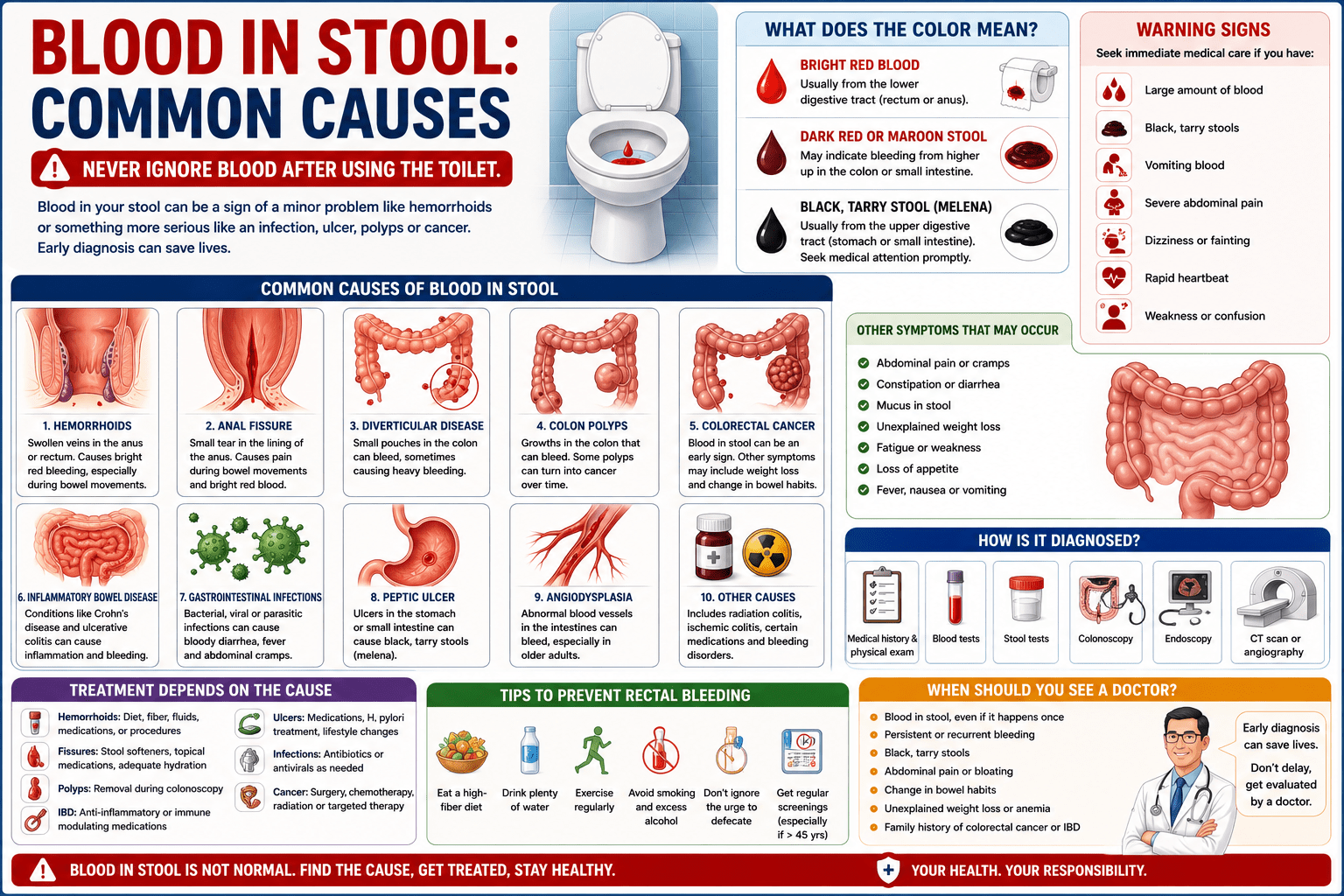
When blood from the upper digestive tract is digested as it passes through the intestines, it becomes dark, sticky, and foul-smelling. This type of black stool is called melena and often indicates bleeding from the esophagus, stomach, or upper small intestine.

Melena requires prompt medical evaluation because it may signal a serious underlying condition.


What Does Melena Look Like?

Black stool caused by bleeding typically has these characteristics:

  • Jet black or tar-like appearance
  • Sticky consistency
  • Strong, unpleasant odor
  • Often difficult to flush
  • May occur with weakness or dizziness

If you notice these features, seek medical care immediately.


Common Causes of Black Stool

1. Stomach Ulcers

Peptic ulcers are one of the most common causes of melena.

They may develop due to:

  • Infection with Helicobacter pylori (H. pylori)
  • Long-term use of nonsteroidal anti-inflammatory drugs (NSAIDs)
  • Excess stomach acid

When an ulcer bleeds, the blood is digested and turns the stool black.


2. Gastritis

Inflammation of the stomach lining can lead to bleeding.

Common causes include:

  • H. pylori infection
  • Excessive alcohol use
  • Long-term NSAID use
  • Severe stress
  • Autoimmune conditions

3. Esophageal Varices

People with advanced liver disease or cirrhosis may develop enlarged veins in the esophagus.

If these veins rupture, they can cause life-threatening bleeding and black stool.

This is a medical emergency.


4. Mallory-Weiss Tear

Forceful vomiting or retching can cause tears in the lining of the esophagus, leading to bleeding.


5. Stomach Cancer

Although less common, stomach cancer can sometimes cause slow bleeding that leads to black stool.

Persistent symptoms require prompt investigation.


6. Bleeding from the Small Intestine

Conditions affecting the upper small intestine may also cause melena.

Examples include:

  • Ulcers
  • Tumors
  • Vascular abnormalities

Non-Bleeding Causes of Black Stool

Not every episode of black stool indicates bleeding.

Common harmless causes include:

Iron Supplements

Iron tablets frequently darken stool.

This change is expected and usually harmless.


Bismuth-Containing Medications

Products containing bismuth (used for indigestion or diarrhea) may temporarily turn stool black.


Certain Foods

Large amounts of:

  • Black licorice
  • Blueberries
  • Dark-colored foods

may occasionally darken stool.


Symptoms That May Accompany Black Stool

Black stool caused by internal bleeding may occur with:

  • Fatigue
  • Weakness
  • Dizziness
  • Lightheadedness
  • Fainting
  • Abdominal pain
  • Vomiting blood
  • Coffee-ground vomit
  • Pale skin
  • Rapid heartbeat
  • Shortness of breath

These symptoms suggest significant blood loss and require urgent medical attention.


When Is Black Stool an Emergency?

Seek emergency medical care immediately if black stool occurs with:

  • Vomiting blood
  • Coffee-ground vomit
  • Severe abdominal pain
  • Fainting
  • Chest pain
  • Difficulty breathing
  • Rapid heartbeat
  • Persistent dizziness
  • Confusion
  • Large amounts of black stool

These symptoms may indicate severe internal bleeding requiring immediate treatment.


Who Is at Higher Risk?

Certain people have a greater risk of gastrointestinal bleeding.

Risk factors include:

  • Long-term NSAID use
  • Stomach ulcers
  • Liver cirrhosis
  • Heavy alcohol consumption
  • Blood-thinning medications
  • Older age
  • Previous gastrointestinal bleeding
  • H. pylori infection

How Doctors Diagnose Black Stool

A gastroenterologist may recommend several tests.

Medical History

Your doctor will ask:

  • When the black stool started
  • Medication use
  • Diet
  • Previous digestive conditions
  • Associated symptoms

Physical Examination

Blood pressure, heart rate, and signs of anemia are assessed.


Blood Tests

Blood tests help evaluate:

  • Hemoglobin level
  • Anemia
  • Blood loss
  • Liver function
  • Kidney function

Stool Test

A stool test may detect hidden blood.


Upper GI Endoscopy

Upper gastrointestinal endoscopy is the most important test for identifying the source of upper digestive tract bleeding.

It allows the doctor to examine:

  • Esophagus
  • Stomach
  • Duodenum

If active bleeding is found, treatment can often be performed during the procedure.


Colonoscopy

If the cause remains unclear, colonoscopy may be recommended to evaluate the lower digestive tract.


CT Scan or Angiography

Imaging studies may help locate difficult-to-find sources of bleeding.


Treatment Depends on the Cause

Treatment varies depending on the underlying condition.

Medications

Doctors may prescribe:

  • Proton pump inhibitors (PPIs)
  • Antibiotics for H. pylori infection
  • Medications to reduce stomach acid

Endoscopic Treatment

During endoscopy, bleeding may be controlled using:

  • Injection therapy
  • Heat therapy
  • Endoscopic clips
  • Band ligation (for varices)

Blood Transfusion

Significant blood loss may require blood transfusion.


Surgery

Rarely, surgery is necessary when bleeding cannot be controlled using less invasive methods.


Can Black Stool Be Prevented?

Not every cause can be prevented, but healthy habits reduce your risk.

Avoid Excessive NSAID Use

Take pain relievers only as directed.


Treat H. pylori Infection

Completing the full course of prescribed treatment helps prevent ulcers.


Limit Alcohol

Excessive alcohol increases the risk of ulcers and liver disease.


Eat a Balanced Diet

A healthy diet supports overall digestive health.


Manage Liver Disease

People with chronic liver disease should attend regular medical follow-up appointments.


Seek Early Medical Care

Persistent stomach pain, acid reflux, or unexplained digestive symptoms should be evaluated promptly.


Frequently Asked Questions

Is one black stool always serious?

Not always. Iron supplements, bismuth-containing medications, or certain foods can cause temporary black stool. However, if the cause is uncertain or symptoms persist, medical evaluation is recommended.

How can I tell if black stool is from bleeding?

Black stool caused by bleeding (melena) is often tarry, sticky, foul-smelling, and may occur with dizziness, weakness, or vomiting blood. Only a medical evaluation can determine the exact cause.

Should I stop taking iron tablets if my stool turns black?

No. Black stool is a common side effect of iron supplements. Continue taking them unless advised otherwise by your healthcare provider.

Can stomach ulcers cause black stool?

Yes. Bleeding stomach or duodenal ulcers are among the most common causes of melena.

Can black stool go away on its own?

If black stool is due to food or medication, it often resolves after the trigger is removed. If it is caused by internal bleeding, the underlying condition must be diagnosed and treated promptly.


When Should You See a Gastroenterologist?

Consult a gastroenterologist if you experience:

  • Black stool without an obvious cause
  • Recurrent black stools
  • Blood in the stool
  • Persistent abdominal pain
  • Unexplained fatigue or anemia
  • Vomiting blood
  • Ongoing acid reflux or ulcers
  • A history of liver disease with black stool

Prompt evaluation can identify the source of bleeding and prevent serious complications.


Final Thoughts

Black stool should never be ignored, especially if it appears tar-like, has a strong odor, or is accompanied by symptoms such as dizziness, weakness, abdominal pain, or vomiting blood. While certain medications and foods can temporarily darken stool, internal bleeding remains one of the most important causes that must be ruled out.

Early diagnosis through blood tests, endoscopy, and other investigations allows doctors to identify the source of bleeding and begin appropriate treatment before complications develop.

If you notice black stool without a clear explanation, or if it occurs with concerning symptoms, seek medical attention immediately. When it comes to gastrointestinal bleeding, acting quickly can make a significant difference in your recovery and overall health.

Your stool provides important clues about your digestive system. Paying attention to unusual changes could help detect a serious condition before it becomes life-threatening.

10 Best Foods for Fatty Liver Recovery: What to Eat to Heal Your Liver Naturally

Best Foods for Fatty Liver Recovery: Your Liver Can Heal—But Only If You Feed It Right

Your liver is one of the most remarkable organs in your body. It filters toxins, produces bile, regulates metabolism, stores nutrients, and performs hundreds of essential functions every day. Unlike many other organs, the liver has an incredible ability to repair itself. However, this healing process depends largely on your daily lifestyle—especially your diet.

If you’ve been diagnosed with fatty liver disease, you may wonder whether it can be reversed. The encouraging news is that, for many people, especially in the early stages, the answer is yes. A healthy diet, regular exercise, weight management, and control of underlying conditions like diabetes can significantly reduce fat in the liver and improve its function.

This guide explores the best foods for fatty liver recovery, foods to avoid, practical dietary tips, and lifestyle changes that support long-term liver health.


What Is Fatty Liver Disease?

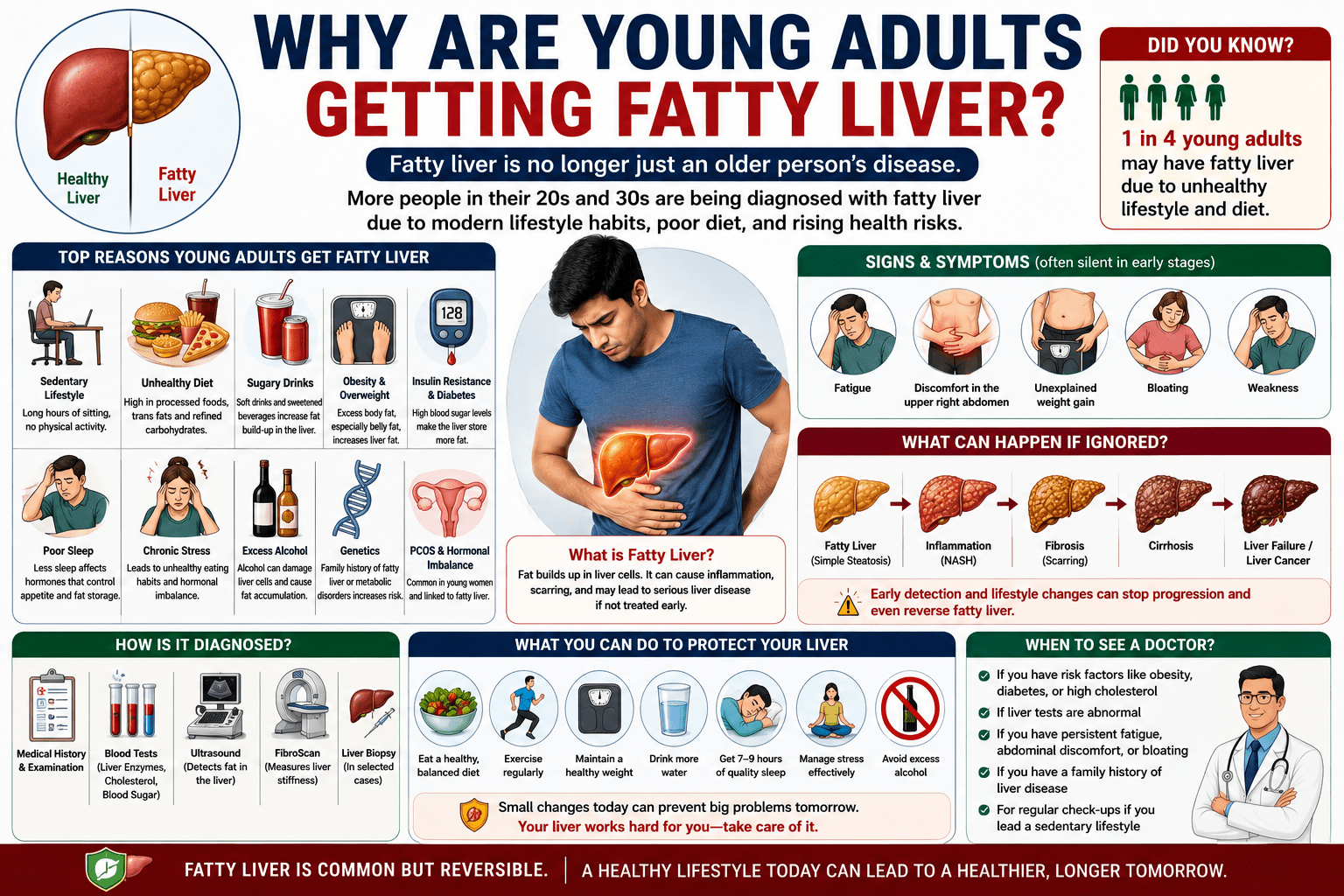
Fatty liver disease occurs when excess fat builds up in liver cells. While a small amount of fat is normal, too much fat can interfere with the liver’s normal function.

There are two main types:

Non-Alcoholic Fatty Liver Disease (NAFLD)

This is the most common form and is closely associated with obesity, insulin resistance, type 2 diabetes, and metabolic syndrome.

Alcohol-Related Fatty Liver Disease

This develops due to excessive alcohol consumption and may progress to inflammation, scarring, and liver damage if alcohol use continues.

Without proper management, fatty liver disease can progress to inflammation (steatohepatitis), fibrosis, cirrhosis, and, in some cases, liver failure or liver cancer.


Can Diet Reverse Fatty Liver?

In many cases, yes.

Research has shown that losing 5–10% of body weight, combined with healthier eating habits and regular physical activity, can reduce liver fat, improve liver enzyme levels, and even reverse early liver damage.

There is no single “magic food” that cures fatty liver. Instead, the goal is to follow a balanced eating pattern that reduces inflammation, improves insulin sensitivity, and supports healthy liver function.


10 Best Foods for Fatty Liver Recovery

1. Leafy Green Vegetables

Spinach, kale, fenugreek leaves, and other green vegetables are rich in antioxidants, vitamins, minerals, and fiber.

They may help:

  • Reduce fat accumulation in the liver
  • Support detoxification
  • Improve digestion
  • Promote weight management

Aim to include at least one serving of leafy greens every day.


2. Fatty Fish

Fish such as:

  • Salmon
  • Sardines
  • Mackerel
  • Tuna

contain omega-3 fatty acids, which may reduce liver fat and inflammation while improving cholesterol levels.

Try to eat fatty fish two to three times per week.


3. Oats and Whole Grains

Whole grains are high in fiber, which helps improve blood sugar control and supports healthy digestion.

Choose:

  • Oats
  • Brown rice
  • Quinoa
  • Whole wheat
  • Millets

These foods provide steady energy and may help reduce fat accumulation in the liver.


4. Fruits Rich in Antioxidants

Fruits supply vitamins, minerals, and natural antioxidants.

Good choices include:

  • Apples
  • Oranges
  • Berries
  • Papaya
  • Guava
  • Pomegranate

Enjoy fruit in moderation as part of a balanced diet rather than fruit juices, which often contain more concentrated sugars.


5. Nuts and Seeds

Almonds, walnuts, flaxseeds, and chia seeds provide healthy fats, vitamin E, fiber, and plant-based protein.

Walnuts, in particular, are a good source of omega-3 fatty acids.

Keep portions moderate because nuts are calorie-dense.


6. Olive Oil

Replacing saturated fats with healthy fats like olive oil may help improve cholesterol levels and reduce inflammation.

Use olive oil in moderation for cooking or salad dressings.


7. Garlic

Garlic contains natural compounds that may support liver health and improve metabolism.

It also adds flavor to meals without increasing sodium or unhealthy fats.


8. Coffee (Without Excess Sugar)

Several studies suggest that moderate coffee consumption may be associated with better liver health and a lower risk of liver fibrosis.

If you drink coffee, limit added sugar and high-calorie creamers.

If you have other medical conditions, discuss coffee intake with your doctor.


9. Legumes

Beans, lentils, and chickpeas are rich in fiber and plant-based protein.

They help:

  • Improve fullness
  • Stabilize blood sugar
  • Support healthy weight management

They also make excellent alternatives to processed meats.


10. Green Tea

Green tea contains antioxidants called catechins, which may support liver health when consumed as part of a balanced diet.

Avoid concentrated green tea supplements unless recommended by a healthcare professional, as some have been linked to liver injury.


Foods to Avoid if You Have Fatty Liver

Certain foods can worsen fat accumulation and inflammation in the liver.

Limit or avoid:

Sugary Foods

  • Cakes
  • Cookies
  • Candy
  • Sweetened cereals
  • Desserts

Sugar-Sweetened Beverages

  • Soft drinks
  • Energy drinks
  • Sweetened fruit drinks

These are high in added sugars that can contribute to liver fat.


Refined Carbohydrates

Reduce:

  • White bread
  • White rice
  • Pastries
  • Refined flour products

Replace them with whole-grain alternatives.


Fried Foods

Deep-fried foods are often high in unhealthy fats and calories.


Processed Foods

Examples include:

  • Packaged snacks
  • Processed meats
  • Fast food
  • Instant noodles

Excess Red Meat

Choose lean protein sources more often and limit processed or high-fat red meats.


Alcohol

If you have fatty liver disease, limiting or avoiding alcohol is one of the most important steps you can take to protect your liver.


The Mediterranean Diet and Fatty Liver

Many healthcare professionals recommend a Mediterranean-style eating pattern for people with fatty liver disease.

It emphasizes:

  • Vegetables
  • Fruits
  • Whole grains
  • Beans
  • Fish
  • Olive oil
  • Nuts
  • Moderate dairy
  • Limited processed foods

This eating pattern supports heart health and may also improve liver function.


Sample One-Day Meal Plan

Breakfast

  • Oatmeal topped with berries and walnuts
  • Unsweetened coffee or green tea

Mid-Morning Snack

  • Apple or guava

Lunch

  • Brown rice or millet
  • Grilled fish or lentils
  • Mixed vegetable salad
  • Yogurt (if tolerated)

Evening Snack

  • A handful of almonds

Dinner

  • Vegetable soup
  • Grilled chicken or chickpea salad
  • Steamed broccoli

Before Bed

  • Warm water or herbal tea

Lifestyle Changes That Support Liver Recovery

Diet alone is not enough. Healthy lifestyle habits play an equally important role.

Exercise Regularly

Aim for at least 150 minutes of moderate physical activity each week, such as brisk walking, cycling, or swimming.

Strength training two to three times per week can also help improve insulin sensitivity.


Lose Weight Gradually

Rapid weight loss can sometimes worsen liver problems.

Focus on gradual, sustainable weight loss if recommended by your healthcare provider.


Control Blood Sugar

Managing diabetes and insulin resistance can reduce stress on the liver.


Manage Cholesterol

Healthy cholesterol levels support both liver and heart health.


Get Enough Sleep

Aim for 7–9 hours of quality sleep each night.

Poor sleep may contribute to metabolic problems associated with fatty liver.


Stay Hydrated

Water supports overall metabolism and healthy digestion.


Common Myths About Fatty Liver Diets

Myth: Fatty liver can be cured with detox drinks.

Fact: There is no scientific evidence that detox drinks cure fatty liver. Long-term healthy eating is far more effective.


Myth: You should avoid all fats.

Fact: Healthy fats from fish, nuts, seeds, and olive oil can be part of a liver-friendly diet.


Myth: Only overweight people develop fatty liver.

Fact: Fatty liver can also occur in people with a normal weight, particularly if they have diabetes or other metabolic risk factors.


Myth: Once diagnosed, liver damage cannot improve.

Fact: Early-stage fatty liver often improves significantly with lifestyle changes.


When Should You See a Gastroenterologist?

Consult a gastroenterologist if you:

  • Have persistent fatigue or upper abdominal discomfort
  • Have abnormal liver function tests
  • Have diabetes, obesity, or high cholesterol
  • Experience unexplained weight loss
  • Have a family history of liver disease
  • Need guidance on managing fatty liver

Early diagnosis and monitoring can help prevent progression to more advanced liver disease.


Frequently Asked Questions

Can fatty liver be reversed naturally?

In many cases, early fatty liver can improve through healthy eating, weight loss, regular exercise, and management of underlying health conditions.

Which fruit is best for fatty liver?

Whole fruits such as berries, apples, oranges, guava, and papaya provide fiber and antioxidants that support overall health.

Is rice allowed in a fatty liver diet?

Yes. Whole grains such as brown rice are generally preferred over refined white rice because they provide more fiber and have a lower impact on blood sugar.

Are eggs good for fatty liver?

Eggs can be included in moderation as part of a balanced diet, especially when prepared without excessive oil or butter.


Final Thoughts

A diagnosis of fatty liver disease doesn’t have to mean permanent liver damage. In many cases, your liver has the ability to heal when you give it the right support through nutritious food, regular exercise, healthy weight management, and consistent medical follow-up.

Fill your plate with vegetables, fruits, whole grains, legumes, lean proteins, healthy fats, and antioxidant-rich foods while limiting added sugars, processed foods, and alcohol. Combined with an active lifestyle and routine check-ups, these choices can help reduce liver fat, improve liver function, and lower the risk of long-term complications.

If you have persistent symptoms, abnormal liver tests, or risk factors such as obesity or diabetes, consult a gastroenterologist. Early intervention offers the best opportunity to protect your liver and improve your overall health.

What Your Stool Says About Your Health: Stool Color, Shape, Warning Signs & When to See a Doctor

What Your Stool Says About Your Health: Your Bathroom Habits Reveal More Than You Think

Most people don’t pay much attention to their stool unless something seems unusual. However, your bowel movements can provide valuable clues about your digestive health and overall well-being. Changes in stool color, consistency, shape, or frequency may reflect simple dietary changes—or they may be an early sign of an underlying medical condition.

While occasional variations are usually harmless, persistent or significant changes should never be ignored. Understanding what is normal and what isn’t can help you identify potential health problems early and seek timely medical care.

In this comprehensive guide, we’ll explore what your stool can reveal about your health, common stool changes, warning signs to watch for, and when it’s time to consult a gastroenterologist.


Why Is Stool an Indicator of Health?

Your digestive system processes food, absorbs nutrients, removes waste, and supports your body’s overall health. Stool is the final product of this process, so its appearance often reflects how well your digestive system is functioning.

Healthy stool can provide insight into:

  • Digestive function
  • Diet and hydration
  • Gut bacteria
  • Liver and gallbladder health
  • Pancreatic function
  • Intestinal health
  • Bleeding in the digestive tract

Monitoring changes over time can help identify issues before they become serious.


What Does Healthy Stool Look Like?

Healthy stool generally has the following characteristics:

  • Medium to dark brown color
  • Soft but well-formed
  • Smooth surface
  • Easy to pass
  • No blood
  • No excessive mucus
  • Mild odor
  • Frequency ranging from three times a day to three times a week, depending on the individual

Everyone’s bowel habits are slightly different, so it’s important to know what is normal for you.


Understanding the Bristol Stool Chart

The Bristol Stool Chart is a commonly used tool that classifies stool into seven types based on its shape and consistency.

Type 1 – Separate Hard Lumps

Appears like small, hard pellets.

May indicate:

  • Constipation
  • Dehydration
  • Low-fiber diet

Type 2 – Sausage-Shaped but Lumpy

Also suggests constipation.

Increasing water intake and dietary fiber may help.


Type 3 – Sausage with Cracks

Generally considered healthy.


Type 4 – Smooth, Soft Sausage or Snake

This is considered the ideal stool.

It is easy to pass and usually indicates healthy digestion.


Type 5 – Soft Blobs

May indicate a lack of dietary fiber.


Type 6 – Mushy Stool

Often associated with mild diarrhea or irritation of the intestines.


Type 7 – Watery Stool

Represents diarrhea.

Persistent diarrhea requires medical evaluation to identify the underlying cause and prevent dehydration.


What Different Stool Colors Mean

Color changes often reflect diet, medications, or supplements, but sometimes they signal medical conditions.

Brown Stool

Brown is the normal color due to bile produced by the liver and modified by bacteria in the intestine.


Green Stool

Green stool may result from:

  • Eating leafy vegetables
  • Green food coloring
  • Iron supplements
  • Food moving too quickly through the intestines

Occasional green stool is usually harmless.


Yellow Stool

Yellow, greasy, or foul-smelling stool may indicate problems with fat absorption.

Possible causes include:

  • Celiac disease
  • Pancreatic disorders
  • Chronic pancreatitis
  • Giardiasis

Persistent yellow stool should be evaluated.


Black Stool

Black stool may be caused by:

  • Iron supplements
  • Certain medications (such as bismuth-containing products)

However, black, tarry stool can also indicate bleeding in the upper digestive tract and requires immediate medical attention.


Red Stool

Red stool may occur after eating foods like beetroot, but it can also indicate bleeding from the lower digestive tract.

Possible causes include:

  • Hemorrhoids
  • Anal fissures
  • Colon polyps
  • Inflammatory bowel disease
  • Colorectal cancer

Visible blood in the stool should always be evaluated by a healthcare professional.


Pale or Clay-Colored Stool

Very light-colored stool may indicate reduced bile flow.

Possible causes include:

  • Gallstones
  • Liver disease
  • Bile duct obstruction

Medical evaluation is important if this persists.


What Stool Consistency Can Tell You

Hard Stool

Often associated with:

  • Dehydration
  • Low fiber intake
  • Constipation
  • Certain medications

Loose Stool

May result from:

  • Viral or bacterial infections
  • Food intolerance
  • IBS
  • Certain medications

Persistent diarrhea should not be ignored.


Oily or Floating Stool

Occasional floating stool isn’t necessarily concerning.

However, greasy or oily stool that is difficult to flush may indicate poor fat absorption due to pancreatic, liver, or intestinal disorders.


How Often Should You Have a Bowel Movement?

Normal bowel frequency varies.

Healthy bowel habits may range from:

  • Three bowel movements per day
  • To three bowel movements per week

The most important factor is consistency. A sudden, persistent change in your normal pattern deserves medical attention.


What Does Mucus in Stool Mean?

A small amount of mucus is normal because it helps lubricate the intestines.

However, excessive mucus may indicate:

  • Irritable Bowel Syndrome (IBS)
  • Ulcerative colitis
  • Crohn’s disease
  • Intestinal infections

If mucus is accompanied by blood, pain, or diarrhea, consult your doctor.


When Should You Be Concerned?

Seek medical advice if you notice:

Blood in the Stool

Never assume rectal bleeding is caused only by hemorrhoids.

Medical evaluation is essential.


Persistent Black Stool

Black, tarry stool may indicate internal bleeding.

Seek immediate medical attention.


Persistent Diarrhea

Diarrhea lasting more than a few days can lead to dehydration and may indicate infection or inflammatory bowel disease.


Chronic Constipation

Constipation lasting several weeks should be evaluated to identify the underlying cause.


Pencil-Thin Stool

Persistently narrow stools may indicate a blockage or narrowing in the colon and should be assessed by a healthcare professional.


Unexplained Weight Loss

Weight loss combined with bowel changes should never be ignored.


Severe Abdominal Pain

Pain accompanied by changes in bowel habits requires prompt medical evaluation.


Conditions That Can Affect Stool

Several digestive disorders can change stool appearance or bowel habits.

These include:

  • Irritable Bowel Syndrome (IBS)
  • Inflammatory Bowel Disease (Crohn’s disease and ulcerative colitis)
  • Celiac disease
  • Lactose intolerance
  • Colon polyps
  • Colorectal cancer
  • Gallbladder disease
  • Liver disease
  • Pancreatic disorders
  • Gastrointestinal infections

Proper diagnosis is important because treatment depends on the underlying cause.


How Gastroenterologists Diagnose Stool-Related Problems

Depending on your symptoms, your doctor may recommend:

Medical History and Physical Examination

A detailed history helps identify patterns and possible causes.


Stool Tests

These may detect:

  • Blood
  • Infection
  • Parasites
  • Inflammation
  • Fat malabsorption

Blood Tests

Blood work can evaluate anemia, infection, liver function, and nutritional deficiencies.


Colonoscopy

A colonoscopy allows direct examination of the colon and can identify polyps, inflammation, bleeding, or colorectal cancer.


Endoscopy

Upper digestive symptoms may require an upper GI endoscopy.


Imaging Studies

Ultrasound, CT scans, or MRI may be recommended when liver, gallbladder, or pancreatic disease is suspected.


Tips for Maintaining Healthy Bowel Habits

Healthy digestive habits support healthy stool.

Eat More Fiber

Include:

  • Fruits
  • Vegetables
  • Whole grains
  • Beans
  • Lentils

Adults should aim for adequate daily fiber intake through a balanced diet.


Stay Hydrated

Water helps keep stool soft and supports normal bowel movements.


Exercise Regularly

Physical activity stimulates healthy bowel function.

Aim for at least 150 minutes of moderate exercise each week.


Don’t Ignore the Urge

Delaying bowel movements may contribute to constipation.


Limit Processed Foods

Highly processed foods are often low in fiber and may negatively affect gut health.


Include Probiotic Foods

Yogurt with live cultures, kefir, and fermented foods may support a healthy gut microbiome.


When Should You See a Gastroenterologist?

Consult a gastroenterologist if you experience:

  • Blood in your stool
  • Black or tarry stools
  • Persistent diarrhea
  • Chronic constipation
  • Ongoing abdominal pain
  • Unexplained weight loss
  • Persistent changes in bowel habits
  • Mucus accompanied by pain or bleeding
  • Pale stools lasting several days

Early evaluation can identify digestive disorders before complications develop.


Frequently Asked Questions

Is it normal for stool color to change?

Yes. Temporary changes are often related to diet or medications. Persistent changes, especially black, red, or pale stools, should be evaluated.

What foods improve bowel health?

High-fiber foods such as fruits, vegetables, legumes, and whole grains, along with adequate hydration, support healthy bowel movements.

Can stress affect bowel habits?

Yes. Stress can affect the digestive system and contribute to diarrhea, constipation, or IBS symptoms.

Is floating stool always a concern?

Not necessarily. Occasional floating stool may occur due to swallowed air. Persistent greasy or oily floating stool should be assessed by a healthcare professional.


Final Thoughts

Your stool offers valuable insight into your digestive and overall health. Paying attention to changes in color, consistency, shape, and frequency can help you recognize early signs of digestive disorders, nutritional issues, or more serious medical conditions.

While occasional changes are often harmless, persistent symptoms such as blood in the stool, black or pale stools, chronic diarrhea, constipation, unexplained weight loss, or ongoing abdominal pain should never be ignored.

If you notice unusual changes in your bowel habits that last more than a few days or are accompanied by other concerning symptoms, consult a gastroenterologist. Early diagnosis and treatment can significantly reduce the risk of complications and help maintain lifelong digestive health.

Your bathroom habits may seem routine, but they can provide important clues about your health. Listening to these signals is a simple yet powerful step toward protecting your digestive well-being.

Colon Cancer Symptoms You Should Never Ignore: Early Warning Signs That Could Save Your Life

Colon Cancer Symptoms You Should Never Ignore: Early Detection Can Save Lives

Colon cancer is one of the most common cancers worldwide, yet it is also one of the most preventable and treatable when detected early. Unfortunately, many people overlook the early warning signs because they often resemble common digestive problems such as constipation, hemorrhoids, or irritable bowel syndrome (IBS).

Ignoring persistent digestive symptoms can delay diagnosis, allowing the disease to progress. The good news is that regular screening and early medical evaluation can detect colon cancer before symptoms become severe—and in many cases, even before cancer develops.

In this comprehensive guide, we’ll discuss the symptoms of colon cancer that should never be ignored, risk factors, diagnosis, treatment options, and practical ways to reduce your risk.


What Is Colon Cancer?

Colon cancer develops in the large intestine (colon), which is part of the digestive system. It usually begins as small, noncancerous growths called polyps that form on the inner lining of the colon.

While not all polyps become cancerous, some can gradually develop into cancer over several years. Detecting and removing these polyps during routine screening can prevent colon cancer from developing.


Why Early Detection Matters

Colon cancer often develops slowly. In its early stages, it may cause no symptoms at all.

When diagnosed early:

  • Treatment is generally more effective.
  • The chances of successful recovery are much higher.
  • Less extensive treatment may be needed.
  • Survival rates are significantly better.

That’s why recognizing symptoms and following recommended screening guidelines is so important.


10 Colon Cancer Symptoms You Should Never Ignore

1. Persistent Change in Bowel Habits

A lasting change in your normal bowel routine is one of the most common warning signs.

This may include:

  • Frequent diarrhea
  • Persistent constipation
  • Alternating diarrhea and constipation
  • Narrow or pencil-thin stools
  • Feeling that the bowel doesn’t empty completely

If these changes continue for more than a few weeks, seek medical evaluation.


2. Blood in the Stool

Blood in the stool should never be ignored.

It may appear as:

  • Bright red blood
  • Dark maroon blood
  • Black, tarry stools
  • Blood mixed with stool

While hemorrhoids are a common cause of rectal bleeding, colon cancer is another possibility that must be ruled out.


3. Rectal Bleeding

Even a small amount of bleeding from the rectum deserves medical attention.

Persistent bleeding requires evaluation by a healthcare professional.


4. Persistent Abdominal Pain or Cramping

Colon cancer may cause:

  • Abdominal cramps
  • Gas pain
  • Persistent discomfort
  • Bloating
  • Pressure in the abdomen

Unlike occasional indigestion, pain that continues or worsens should not be ignored.


5. Unexplained Weight Loss

Losing weight without trying may indicate an underlying medical condition, including colon cancer.

Cancer cells can affect metabolism and reduce appetite, leading to unintended weight loss.


6. Fatigue and Weakness

Chronic blood loss from the colon can lead to iron-deficiency anemia, causing:

  • Constant tiredness
  • Weakness
  • Shortness of breath
  • Dizziness

Persistent fatigue deserves medical evaluation, especially if accompanied by other digestive symptoms.


7. Feeling That the Bowel Doesn’t Empty Completely

Some people continue to feel the urge to have a bowel movement even after using the toilet.

This sensation, known as tenesmus, may occur if a tumor partially blocks the rectum or lower colon.


8. Narrow or Pencil-Thin Stools

A tumor can narrow the passage inside the colon, causing stools to become thinner than usual.

Occasional changes may not be concerning, but persistent narrowing should be evaluated.


9. Persistent Bloating or Gas

Although bloating is common with many digestive disorders, ongoing bloating accompanied by pain, weight loss, or changes in bowel habits requires further investigation.


10. Iron-Deficiency Anemia

Some colon cancers bleed slowly over time without visible blood in the stool.

This hidden blood loss can cause anemia, leading to:

  • Fatigue
  • Pale skin
  • Weakness
  • Dizziness

Routine blood tests may detect anemia before other symptoms appear.


Who Is at Higher Risk?

Anyone can develop colon cancer, but certain factors increase the risk.

These include:

  • Age over 45 years
  • Family history of colon cancer
  • Personal history of colon polyps
  • Inflammatory bowel disease (Crohn’s disease or ulcerative colitis)
  • Obesity
  • Type 2 diabetes
  • Smoking
  • Heavy alcohol consumption
  • Diet high in processed and red meats
  • Physical inactivity

Having risk factors doesn’t mean you will develop colon cancer, but regular screening becomes even more important.


Symptoms That Need Immediate Medical Attention

Seek prompt medical care if you experience:

  • Blood in the stool
  • Persistent rectal bleeding
  • Severe abdominal pain
  • Unexplained weight loss
  • Persistent constipation or diarrhea
  • Ongoing fatigue due to anemia
  • Continuous bloating with bowel changes
  • Black, tarry stools

Early evaluation can make a life-saving difference.


How Is Colon Cancer Diagnosed?

If your doctor suspects colon cancer, several tests may be recommended.

Medical History and Physical Examination

Your doctor will ask about:

  • Symptoms
  • Family history
  • Medical conditions
  • Lifestyle factors

Stool Tests

These may detect hidden (occult) blood in the stool that isn’t visible to the naked eye.


Blood Tests

Blood work can identify:

  • Anemia
  • Liver function abnormalities
  • Overall health status

Colonoscopy

A colonoscopy is considered the gold standard for detecting colon cancer.

During the procedure:

  • A flexible camera examines the entire colon.
  • Polyps can be removed immediately.
  • Suspicious tissue can be biopsied.

This is the most effective method for both diagnosis and prevention.


CT Scan or MRI

Imaging tests help determine whether cancer has spread beyond the colon.


Biopsy

A tissue sample confirms the diagnosis and helps guide treatment.


Treatment Options

Treatment depends on the stage, location, and overall health of the patient.

Surgery

Surgery is the primary treatment for most early-stage colon cancers.

The affected portion of the colon is removed, along with nearby lymph nodes if necessary.


Chemotherapy

Chemotherapy may be recommended:

  • After surgery
  • Before surgery in some cases
  • For advanced disease

Radiation Therapy

Although used more commonly for rectal cancer, radiation may be recommended in selected situations.


Targeted Therapy

Some patients benefit from medications that specifically target cancer cells while minimizing damage to healthy tissue.


Immunotherapy

Certain advanced colon cancers respond well to immunotherapy, which helps the immune system attack cancer cells.


Can Colon Cancer Be Prevented?

While not all cases can be prevented, healthy lifestyle choices can reduce your risk.

Eat a High-Fiber Diet

Include:

  • Fruits
  • Vegetables
  • Whole grains
  • Beans
  • Lentils

Limit Processed and Red Meat

Reducing processed meat intake may lower colon cancer risk.

Stay Physically Active

Aim for at least 150 minutes of moderate exercise each week.

Maintain a Healthy Weight

Obesity is associated with a higher risk of colon cancer.

Avoid Smoking

Smoking increases the risk of several cancers, including colon cancer.

Limit Alcohol

Heavy alcohol consumption has been linked to increased colon cancer risk.

Get Screened

Routine screening remains the most effective way to detect colon cancer early or prevent it by removing precancerous polyps.


When Should You Get Screened?

For people at average risk, many medical organizations recommend beginning regular colorectal cancer screening at age 45.

You may need earlier screening if you have:

  • A strong family history of colorectal cancer
  • Certain inherited genetic conditions
  • A personal history of inflammatory bowel disease
  • Previous colon polyps

Your doctor can recommend the most appropriate screening schedule based on your individual risk.


Frequently Asked Questions

Can young adults develop colon cancer?

Yes. Although colon cancer is more common in older adults, cases in younger individuals have been increasing. Persistent symptoms should always be evaluated regardless of age.

Are hemorrhoids and colon cancer related?

No. Hemorrhoids do not cause colon cancer. However, because both conditions can cause rectal bleeding, medical evaluation is important to determine the cause.

Does colon cancer always cause pain?

No. Early colon cancer may not cause any pain or noticeable symptoms, which is why routine screening is so valuable.

Is colon cancer curable?

When detected early, colon cancer is often highly treatable, and many people achieve long-term remission or cure.


When Should You See a Gastroenterologist?

Consult a gastroenterologist if you experience:

  • Blood in your stool
  • Persistent changes in bowel habits
  • Ongoing abdominal pain
  • Unexplained weight loss
  • Chronic constipation or diarrhea
  • Iron-deficiency anemia
  • A family history of colon cancer
  • You’re due for routine colorectal cancer screening

Prompt evaluation can lead to early diagnosis and improve treatment outcomes.


Final Thoughts

Colon cancer often develops quietly, and its early symptoms can easily be mistaken for common digestive problems. That’s why it’s important not to ignore persistent changes in bowel habits, rectal bleeding, abdominal pain, unexplained weight loss, or ongoing fatigue.

The most powerful tool against colon cancer is early detection. Routine screening, especially beginning at the recommended age or earlier for those at increased risk, can identify precancerous polyps and detect cancer when it’s most treatable.

If you’re experiencing concerning digestive symptoms or have a family history of colon cancer, don’t delay seeking medical advice. A consultation with a gastroenterologist and timely screening could make a life-saving difference.

Listen to your body. Early action today can protect your health tomorrow.

Is Your Acidity Becoming Dangerous? Warning Signs, Causes & When to See a Gastroenterologist

Is Your Acidity Becoming Dangerous? Daily Acidity Isn’t Normal—Here’s When to See a Gastroenterologist

Almost everyone experiences acidity or heartburn occasionally after eating a spicy meal or overeating. But if you’re reaching for antacids every day or frequently waking up with a burning sensation in your chest, it’s time to pay attention.

Many people consider daily acidity a minor inconvenience and continue self-medicating without identifying the root cause. However, persistent acidity is not normal and may indicate an underlying digestive disorder that requires medical evaluation.

Ignoring chronic acid reflux can lead to complications affecting your esophagus, stomach, and overall quality of life.

In this comprehensive guide, we’ll explore why daily acidity occurs, warning signs that shouldn’t be ignored, possible complications, treatment options, and when you should consult a gastroenterologist.


What Is Acidity?

Acidity occurs when stomach acid flows backward into the esophagus, the tube connecting your mouth to your stomach. This backward flow is called acid reflux.

Normally, a muscular valve called the lower esophageal sphincter (LES) prevents stomach contents from moving upward. When this valve weakens or relaxes at the wrong time, acid can escape into the esophagus, causing irritation and discomfort.

Occasional acid reflux is common, but frequent episodes may indicate Gastroesophageal Reflux Disease (GERD).


What Does Daily Acidity Feel Like?

People experience acidity differently, but common symptoms include:

  • Burning sensation in the chest (heartburn)
  • Sour or bitter taste in the mouth
  • Regurgitation of food or acid
  • Burping
  • Bloating
  • Nausea
  • Upper abdominal discomfort
  • Difficulty swallowing
  • Feeling of food getting stuck
  • Chronic throat irritation

Symptoms often worsen:

  • After large meals
  • After spicy or fatty foods
  • When lying down
  • At night
  • During bending or lifting

Why Daily Acidity Should Never Be Ignored

Occasional heartburn usually isn’t dangerous.

However, daily acidity may signal ongoing damage to the esophagus.

Repeated exposure to stomach acid can cause inflammation, ulcers, narrowing of the esophagus, and long-term complications.

Early diagnosis can prevent these problems and improve your quality of life.


Common Causes of Daily Acidity

1. Gastroesophageal Reflux Disease (GERD)

GERD is the most common cause of frequent acidity.

It occurs when acid reflux happens repeatedly over time.

Without treatment, GERD can lead to chronic inflammation and complications.


2. Poor Eating Habits

Lifestyle choices often contribute to persistent acidity.

Common triggers include:

  • Eating too quickly
  • Overeating
  • Late-night meals
  • Skipping meals
  • Eating immediately before bedtime

3. Trigger Foods

Certain foods increase acid production or relax the lower esophageal sphincter.

Common triggers include:

  • Spicy foods
  • Fried foods
  • Fatty meals
  • Chocolate
  • Coffee
  • Tea
  • Carbonated beverages
  • Citrus fruits
  • Tomatoes
  • Peppermint

Each person may have different trigger foods.


4. Obesity

Excess body weight increases pressure inside the abdomen.

This pressure encourages stomach acid to move upward into the esophagus.

Weight loss often improves reflux symptoms significantly.


5. Smoking

Smoking weakens the lower esophageal sphincter and increases acid reflux.

It also slows healing of the esophagus.


6. Alcohol

Alcohol relaxes the valve between the stomach and esophagus, making reflux more likely.

Frequent alcohol intake may worsen symptoms.


7. Pregnancy

Hormonal changes and pressure from the growing uterus make acid reflux common during pregnancy.

Most symptoms improve after delivery.


8. Hiatal Hernia

A hiatal hernia occurs when part of the stomach pushes upward through the diaphragm.

This condition commonly contributes to chronic acid reflux.


9. Certain Medications

Some medicines may worsen acidity, including:

  • Pain relievers (NSAIDs)
  • Calcium channel blockers
  • Certain asthma medications
  • Some antidepressants

Never stop prescribed medications without consulting your doctor.


Warning Signs That Your Acidity May Be Serious

Daily acidity accompanied by any of the following symptoms requires medical attention:

Difficulty Swallowing

Food sticking in the throat or chest may indicate narrowing of the esophagus.


Pain While Swallowing

This may suggest inflammation or ulcers.


Unexplained Weight Loss

Unexpected weight loss should always be evaluated.


Persistent Vomiting

Frequent vomiting can indicate severe digestive disease.


Vomiting Blood

This is a medical emergency requiring immediate evaluation.


Black or Tarry Stools

Dark stools may indicate bleeding in the digestive tract.


Chest Pain

Although heartburn causes chest discomfort, chest pain can also signal a heart attack.

If chest pain is severe, persistent, or associated with shortness of breath, sweating, dizziness, or pain spreading to the arm or jaw, seek emergency medical care immediately.


Chronic Cough or Hoarseness

Acid reaching the throat can irritate the voice box and airways.


Possible Complications of Untreated Acidity

Ignoring persistent acidity may lead to several complications.

Esophagitis

Repeated acid exposure causes inflammation of the esophagus.

Symptoms include pain, difficulty swallowing, and ulcers.


Esophageal Strictures

Chronic inflammation can lead to scarring and narrowing of the esophagus.

Patients may have trouble swallowing solid foods.


Barrett’s Esophagus

Long-term acid reflux may change the cells lining the esophagus.

Barrett’s esophagus increases the risk of esophageal cancer.

Although most people with Barrett’s do not develop cancer, regular monitoring is important.


Esophageal Ulcers

Persistent acid exposure may cause painful ulcers and bleeding.


Dental Damage

Stomach acid can erode tooth enamel over time.


Sleep Disturbances

Nighttime reflux often interrupts sleep and reduces quality of life.


How Is Chronic Acidity Diagnosed?

A gastroenterologist may recommend:

Medical History and Physical Examination

Understanding symptom frequency and triggers helps guide diagnosis.


Upper GI Endoscopy

A flexible camera examines:

  • Esophagus
  • Stomach
  • Duodenum

Endoscopy can detect:

  • GERD
  • Ulcers
  • Barrett’s esophagus
  • Inflammation
  • Hiatal hernia

24-Hour pH Monitoring

This test measures how often stomach acid enters the esophagus.


Esophageal Manometry

Measures muscle function and swallowing.


Barium Swallow

An imaging test that evaluates swallowing problems and structural abnormalities.


Treatment for Daily Acidity

Treatment depends on the underlying cause.

Lifestyle Changes

Doctors often recommend:

  • Eat smaller meals
  • Avoid overeating
  • Maintain a healthy weight
  • Avoid eating within 2–3 hours of bedtime
  • Elevate the head of your bed
  • Wear loose-fitting clothing
  • Stop smoking
  • Limit alcohol

These simple changes can significantly reduce symptoms.


Dietary Changes

Include:

  • Oatmeal
  • Bananas
  • Green vegetables
  • Whole grains
  • Lean proteins
  • Low-fat dairy (if tolerated)

Limit:

  • Fried foods
  • Spicy foods
  • Sugary beverages
  • Chocolate
  • Citrus fruits
  • Carbonated drinks
  • Coffee

Keeping a food diary can help identify personal triggers.


Medications

Depending on your condition, your doctor may prescribe:

  • Antacids
  • H2 receptor blockers
  • Proton pump inhibitors (PPIs)
  • Prokinetic agents

Take medications only as directed by your healthcare provider.


Tips to Prevent Daily Acidity

Healthy habits can make a significant difference.

  • Eat slowly and chew food thoroughly
  • Avoid overeating
  • Drink enough water
  • Exercise regularly
  • Maintain a healthy weight
  • Reduce stress
  • Sleep well
  • Avoid tobacco
  • Limit alcohol
  • Follow your doctor’s treatment plan

When Should You See a Gastroenterologist?

You should consult a gastroenterologist if:

  • Acidity occurs more than twice a week
  • Symptoms continue despite over-the-counter medications
  • You have difficulty swallowing
  • You experience unexplained weight loss
  • You wake up frequently because of reflux
  • Symptoms interfere with daily life
  • You notice blood in vomit or stools
  • You have persistent nausea or vomiting
  • Chest discomfort is recurring and needs evaluation

Early diagnosis helps prevent long-term complications and improves treatment outcomes.


Frequently Asked Questions

Is daily acidity normal?

No. Frequent acidity is not considered normal and should be evaluated, especially if it occurs several times a week or every day.

Can acidity damage the esophagus?

Yes. Long-term acid reflux can lead to inflammation, ulcers, scarring, Barrett’s esophagus, and other complications.

Can stress cause acidity?

Stress does not directly cause acid reflux but can worsen symptoms and make existing digestive conditions more noticeable.

Is milk good for acidity?

Milk may provide temporary relief for some people, but high-fat dairy products can worsen reflux in others.

Can acidity increase the risk of cancer?

Long-standing, untreated GERD can lead to Barrett’s esophagus, which is associated with an increased risk of esophageal cancer. The overall risk remains low, but regular follow-up is important for people with Barrett’s.


Final Thoughts

Occasional acidity after a heavy or spicy meal is common, but daily acidity is not something you should ignore. Frequent heartburn may be a sign of GERD or another digestive condition that requires medical attention.

The longer chronic acid reflux goes untreated, the greater the risk of complications such as esophagitis, ulcers, Barrett’s esophagus, and swallowing difficulties.

The good news is that most cases of chronic acidity can be effectively managed with the right combination of lifestyle changes, dietary adjustments, medications, and expert medical care.

If you’re experiencing heartburn several times a week, relying on antacids daily, or noticing warning signs such as difficulty swallowing or unexplained weight loss, schedule an appointment with a gastroenterologist. Early evaluation and treatment can help protect your digestive health and prevent serious complications in the future.

Gas vs Heart Attack: How to Tell the Difference (Symptoms, Warning Signs & When to Seek Help)

Gas vs Heart Attack: How to Tell the Difference

A sudden pain or discomfort in your chest can be alarming. Many people immediately wonder, “Is this just gas, or could it be a heart attack?” Because the symptoms of gas pain and a heart attack can sometimes overlap, it’s easy to become confused—or worse, ignore a potentially life-threatening emergency.

While trapped gas or indigestion can cause significant discomfort in the chest and upper abdomen, heart attack symptoms require immediate medical attention. Knowing the differences can help you make the right decision at the right time.

In this comprehensive guide, we’ll explain how gas pain differs from a heart attack, the symptoms to watch for, risk factors, and when you should seek emergency care.


Why Can Gas Feel Like a Heart Attack?

The stomach, esophagus, diaphragm, and heart are located close to one another in the chest and upper abdomen. Because they share nearby nerves, pain from the digestive system can sometimes be mistaken for heart-related pain.

Similarly, some heart attacks don’t cause the classic crushing chest pain. Instead, they may present with symptoms such as indigestion, nausea, or upper abdominal discomfort.

This overlap is why chest pain should never be dismissed without proper evaluation.


What Causes Gas Pain?

Gas pain occurs when air becomes trapped in the digestive tract.

Common causes include:

  • Swallowing excess air while eating or drinking
  • Eating too quickly
  • Carbonated beverages
  • Gas-producing foods such as beans, cabbage, onions, broccoli, and lentils
  • Food intolerances (such as lactose intolerance)
  • Constipation
  • Acid reflux
  • Irritable Bowel Syndrome (IBS)

Gas usually moves through the digestive tract and is eventually released by belching or passing gas.


Common Symptoms of Gas Pain

Gas pain often causes:

  • Sharp or cramp-like pain
  • Bloating
  • Feeling of fullness
  • Frequent burping
  • Passing gas
  • Upper abdominal discomfort
  • Pain that shifts from one area to another
  • Relief after burping or passing gas

Gas pain may become worse after eating large meals or certain foods.


What Is a Heart Attack?

A heart attack (myocardial infarction) occurs when blood flow to part of the heart muscle is blocked, usually by a blood clot in a coronary artery.

Without prompt treatment, heart muscle begins to die, making a heart attack a medical emergency.

Early recognition and immediate treatment greatly improve survival and reduce long-term heart damage.


Common Symptoms of a Heart Attack

Heart attack symptoms can vary from person to person.

Common warning signs include:

  • Pressure, tightness, squeezing, or heaviness in the chest
  • Pain lasting more than a few minutes or recurring
  • Pain spreading to the left arm, both arms, shoulder, neck, jaw, or back
  • Shortness of breath
  • Cold sweat
  • Nausea or vomiting
  • Dizziness or lightheadedness
  • Extreme fatigue
  • Feeling of impending doom

Women, older adults, and people with diabetes may experience more subtle symptoms, such as fatigue, nausea, indigestion, or back pain.


Gas Pain vs Heart Attack: Key Differences

FeatureGas PainHeart Attack
Pain locationUpper abdomen or lower chestCenter or left side of chest
Type of painSharp, cramping, or stabbingPressure, squeezing, heaviness, tightness
DurationUsually short-lived or changes with movementOften lasts more than 10–15 minutes or comes and goes
TriggerEating, swallowing air, certain foodsPhysical activity or even at rest
ReliefBurping, passing gas, changing positionUsually does not improve with burping or antacids
Associated symptomsBloating, belching, abdominal fullnessSweating, shortness of breath, nausea, dizziness, pain radiating to arm or jaw

Can Acid Reflux Feel Like a Heart Attack?

Yes.

Acid reflux (GERD) can cause:

  • Burning chest pain
  • Sour taste in the mouth
  • Pain after meals
  • Pain when lying down
  • Difficulty swallowing

Because GERD pain occurs in the chest, it can sometimes mimic heart-related discomfort.

However, never assume chest pain is due to reflux without medical evaluation, especially if symptoms are new or severe.


Warning Signs That Require Immediate Emergency Care

Call emergency medical services immediately if chest discomfort is accompanied by:

  • Pressure or heaviness in the chest
  • Pain spreading to the arm, jaw, neck, or back
  • Difficulty breathing
  • Cold sweat
  • Sudden weakness
  • Fainting
  • Persistent chest pain lasting more than 10–15 minutes
  • Nausea with chest pain
  • Severe dizziness

It is always safer to rule out a heart attack than to assume the pain is caused by gas.


Risk Factors for Heart Attack

Your risk is higher if you have:

  • High blood pressure
  • Diabetes
  • High cholesterol
  • Smoking
  • Obesity
  • Family history of heart disease
  • Physical inactivity
  • Chronic stress
  • Older age
  • Previous heart disease

People with multiple risk factors should be especially cautious when experiencing chest pain.


Risk Factors for Gas and Digestive Discomfort

Gas pain is more common in people who:

  • Eat too quickly
  • Consume large meals
  • Drink carbonated beverages
  • Eat gas-producing foods
  • Have IBS
  • Have constipation
  • Have food intolerances
  • Experience acid reflux

Although uncomfortable, digestive gas is usually not life-threatening.


How Doctors Tell the Difference

Because symptoms can overlap, healthcare providers use several tests to identify the cause.

Medical History

Your doctor will ask:

  • Where is the pain?
  • When did it start?
  • What makes it better or worse?
  • Does the pain radiate?
  • Are there associated symptoms?

Physical Examination

A thorough examination helps identify possible digestive or cardiac causes.

Electrocardiogram (ECG)

An ECG records the heart’s electrical activity and can detect signs of a heart attack.

Blood Tests

Cardiac enzymes (such as troponin) help determine whether heart muscle damage has occurred.

Chest X-ray

Used to evaluate the lungs and heart.

Echocardiogram

An ultrasound of the heart that assesses heart function and blood flow.

Stress Test or Coronary Angiography

These may be recommended if coronary artery disease is suspected.

Digestive Tests

If heart disease is ruled out, your doctor may recommend:

  • Upper GI endoscopy
  • Ultrasound
  • Tests for acid reflux
  • Evaluation for gallbladder disease or ulcers

What Should You Do If You’re Unsure?

If you’re experiencing chest pain and cannot confidently identify the cause, treat it as a medical emergency.

Do not drive yourself if you suspect a heart attack. Call your local emergency services immediately.

Even if the discomfort later turns out to be gas, seeking prompt evaluation is the safest choice.


Preventing Gas Pain

Simple lifestyle changes can reduce digestive discomfort:

  • Eat slowly
  • Avoid overeating
  • Limit carbonated drinks
  • Reduce gas-producing foods if they trigger symptoms
  • Stay hydrated
  • Exercise regularly
  • Treat constipation promptly
  • Manage stress
  • Avoid lying down immediately after meals

Reducing Your Risk of Heart Disease

Heart health starts with healthy daily habits.

  • Eat a balanced diet rich in fruits, vegetables, whole grains, and lean proteins
  • Exercise for at least 150 minutes each week
  • Maintain a healthy weight
  • Avoid smoking and tobacco
  • Limit alcohol intake
  • Manage diabetes, blood pressure, and cholesterol
  • Get adequate sleep
  • Schedule regular health check-ups

Frequently Asked Questions

Can gas cause chest pain?

Yes. Trapped gas can cause discomfort in the chest or upper abdomen that may feel surprisingly intense.

Can a heart attack feel like indigestion?

Yes. Some people experience heart attacks as indigestion, nausea, or upper abdominal discomfort rather than classic chest pain.

Does burping mean it’s only gas?

Not necessarily. While gas pain often improves with burping, a heart attack can also occur alongside belching. Never rely on this symptom alone.

How long does gas pain usually last?

Gas pain often improves within minutes to a few hours, especially after passing gas or having a bowel movement. Persistent chest pain should always be evaluated.

Should I take antacids for chest pain?

If you’re unsure of the cause, do not rely on antacids. Persistent or severe chest pain should be assessed urgently to rule out a heart attack.


When to See a Gastroenterologist

If cardiac causes have been ruled out but you continue to experience:

  • Frequent gas
  • Persistent bloating
  • Acid reflux
  • Upper abdominal pain
  • Difficulty swallowing
  • Indigestion after meals
  • Chronic constipation or diarrhea

A gastroenterologist can evaluate for digestive disorders such as GERD, gastritis, peptic ulcers, IBS, food intolerances, or gallbladder disease.


Final Thoughts

Chest discomfort should never be taken lightly. While trapped gas and indigestion are common causes of chest or upper abdominal pain, heart attacks can present with similar symptoms—sometimes without the classic crushing chest pain.

If your pain is severe, persistent, accompanied by shortness of breath, sweating, nausea, dizziness, or pain spreading to the arm, jaw, neck, or back, seek emergency medical care immediately.

When the cause turns out to be digestive, a gastroenterologist can help diagnose and treat the underlying condition. Whether the source is your heart or your digestive system, early evaluation is the safest approach.

Remember: It’s always better to be evaluated for chest pain and find out it’s gas than to ignore a heart attack. Your health—and potentially your life—depends on acting quickly.

Fatty Liver: 10 Early Symptoms Most People Ignore (Don’t Miss These Warning Signs)

Fatty Liver: 10 Early Symptoms Most People Ignore

Your liver is one of the hardest-working organs in your body. It filters toxins, helps digest food, stores energy, and supports hundreds of essential functions that keep you healthy. But when excess fat starts building up in the liver, it can quietly damage this vital organ without causing obvious symptoms.

This condition is known as fatty liver disease, and it often develops silently. Many people don’t realize they have it until it’s discovered during a routine health check-up or when liver damage has already progressed.

The good news? Fatty liver disease is often reversible in its early stages with the right lifestyle changes and timely medical care.

In this guide, we’ll discuss the 10 early symptoms most people ignore, the common causes, risk factors, diagnosis, treatment options, and practical steps you can take to protect your liver.


What Is Fatty Liver Disease?

Fatty liver disease occurs when excess fat accumulates in liver cells. While a small amount of fat is normal, too much fat can interfere with the liver’s ability to function properly.

There are two main types:

1. Non-Alcoholic Fatty Liver Disease (NAFLD)

This is the most common type and is not caused by alcohol. It is strongly linked to obesity, diabetes, high cholesterol, and metabolic syndrome.

2. Alcohol-Related Fatty Liver Disease (AFLD)

This develops due to excessive alcohol consumption and can progress to more serious liver conditions if alcohol intake continues.

If left untreated, fatty liver disease may progress to inflammation, liver scarring (fibrosis), cirrhosis, and, in severe cases, liver failure or liver cancer.


Why Fatty Liver Is Often Missed

One of the biggest challenges with fatty liver disease is that it rarely causes noticeable symptoms in the early stages. The liver has an incredible ability to continue functioning even when it’s under stress.

As a result, many people feel perfectly healthy while fat continues to accumulate and damage the liver over time.

Recognizing subtle warning signs can lead to earlier diagnosis and better outcomes.


10 Early Symptoms Most People Ignore

1. Persistent Fatigue

Feeling unusually tired despite getting enough sleep can be one of the earliest signs of fatty liver disease.

When the liver doesn’t function efficiently, your body may struggle to process nutrients and eliminate toxins, leading to low energy levels.

Watch for:

  • Constant tiredness
  • Lack of motivation
  • Reduced stamina

2. Discomfort or Pain in the Upper Right Abdomen

The liver is located in the upper right side of the abdomen.

As fat builds up and the liver enlarges, you may experience:

  • Mild aching
  • Pressure
  • A feeling of fullness
  • Dull pain below the ribs

Although often subtle, persistent discomfort should not be ignored.


3. Unexplained Weight Gain

Fatty liver is closely linked to metabolic health.

If you’re gaining weight—especially around the waist—despite no major changes in your lifestyle, it may indicate underlying insulin resistance and fat accumulation in the liver.


4. Loss of Appetite

Many people notice they don’t feel as hungry as usual.

This may happen because liver inflammation can affect digestion and metabolism.

If reduced appetite continues for several weeks, it’s worth discussing with your doctor.


5. Bloating and Indigestion

Frequent digestive discomfort may signal liver stress.

Common symptoms include:

  • Feeling full quickly
  • Gas
  • Abdominal bloating
  • Mild nausea
  • Indigestion after meals

While these symptoms have many possible causes, they can also occur with fatty liver disease.


6. Brain Fog and Difficulty Concentrating

Some people with fatty liver report:

  • Poor concentration
  • Forgetfulness
  • Difficulty focusing
  • Mental fatigue

Although brain fog isn’t unique to fatty liver disease, it may be associated with metabolic changes and chronic inflammation.


7. Elevated Liver Enzymes

This isn’t a symptom you can feel, but it’s one of the earliest warning signs detected through routine blood tests.

Many people discover they have fatty liver only after blood work shows elevated liver enzyme levels.

Regular health check-ups can help identify liver problems before symptoms become severe.


8. Dark Patches on the Skin

People with insulin resistance may develop dark, velvety patches of skin, especially around the neck, underarms, or groin.

This condition, called acanthosis nigricans, may be associated with metabolic disorders that increase the risk of fatty liver disease.


9. Mild Swelling in the Abdomen

As liver disease progresses, fluid may begin to accumulate in the abdomen.

Although significant swelling is more common in advanced liver disease, mild abdominal fullness should not be overlooked.


10. General Feeling of Being Unwell

Many people simply feel “off.”

They may experience:

  • Low energy
  • Mild body aches
  • Poor digestion
  • Reduced physical performance

Because these symptoms are nonspecific, they are often dismissed as stress or aging.


Who Is at Higher Risk?

Several factors increase the likelihood of developing fatty liver disease.

These include:

  • Obesity
  • Type 2 diabetes
  • Prediabetes
  • High cholesterol
  • High triglycerides
  • High blood pressure
  • Sedentary lifestyle
  • Excessive alcohol consumption
  • Polycystic ovary syndrome (PCOS)
  • Sleep apnea
  • Family history of liver disease

Even people with a normal body weight can develop fatty liver, especially if they have metabolic risk factors.


How Is Fatty Liver Diagnosed?

Early diagnosis is essential because fatty liver disease often has no obvious symptoms.

Your doctor may recommend:

Blood Tests

These help evaluate liver function and detect elevated liver enzymes.

Ultrasound

An abdominal ultrasound is commonly used to detect fat accumulation in the liver.

FibroScan

This non-invasive test measures liver stiffness and helps assess fibrosis (scarring).

CT Scan or MRI

These imaging tests provide a more detailed view of the liver when needed.

Liver Biopsy

In selected cases, a biopsy may be recommended to determine the extent of inflammation and liver damage.


Can Fatty Liver Be Reversed?

Yes. In many cases, especially during the early stages, fatty liver disease can be reversed.

The key is addressing the underlying causes before permanent liver damage occurs.


Treatment for Fatty Liver Disease

There is no single medication that cures fatty liver disease. Treatment focuses on improving liver health and reducing fat accumulation.

1. Lose Excess Weight

Losing even 5–10% of your body weight can significantly reduce liver fat and improve liver function.

Aim for gradual, sustainable weight loss through healthy eating and regular physical activity.

2. Follow a Liver-Friendly Diet

Choose foods such as:

  • Fresh fruits
  • Vegetables
  • Whole grains
  • Lean proteins
  • Fish rich in omega-3 fatty acids
  • Nuts and seeds
  • Healthy fats like olive oil

Limit:

  • Sugary drinks
  • Processed foods
  • Refined carbohydrates
  • Fried foods
  • Excess saturated fat

3. Exercise Regularly

Aim for at least 150 minutes of moderate-intensity exercise per week.

Walking, cycling, swimming, and strength training can all help reduce liver fat.

4. Manage Diabetes and Cholesterol

Keeping blood sugar and cholesterol under control reduces stress on the liver and lowers the risk of disease progression.

5. Avoid Excess Alcohol

If you have fatty liver disease, limiting or avoiding alcohol is one of the most important steps you can take to protect your liver.

6. Get Enough Sleep

Poor sleep is associated with metabolic disorders that may worsen fatty liver.

Aim for 7–9 hours of quality sleep each night.


Foods That Support Liver Health

Adding these foods to your diet may help support overall liver function:

  • Leafy green vegetables
  • Berries
  • Citrus fruits
  • Oats
  • Beans and lentils
  • Garlic
  • Turmeric
  • Green tea
  • Walnuts
  • Fatty fish such as salmon

Remember, no single “superfood” can cure fatty liver. A balanced diet and healthy lifestyle are what make the biggest difference.


When Should You See a Gastroenterologist?

Consult a gastroenterologist if you:

  • Have persistent fatigue or abdominal discomfort
  • Have obesity, diabetes, or high cholesterol
  • Notice abnormal liver function tests
  • Have a family history of liver disease
  • Experience unexplained weight loss, jaundice, or swelling
  • Have been diagnosed with fatty liver and need ongoing monitoring

Early evaluation can prevent progression to more serious liver conditions.


Tips to Protect Your Liver

  • Maintain a healthy weight
  • Eat a balanced diet
  • Exercise regularly
  • Limit alcohol intake
  • Avoid unnecessary medications and supplements without medical advice
  • Stay hydrated
  • Get regular health check-ups
  • Control diabetes, blood pressure, and cholesterol
  • Avoid smoking
  • Follow your doctor’s recommendations if you have liver disease

Frequently Asked Questions

Can fatty liver occur without alcohol?

Yes. Non-alcoholic fatty liver disease is the most common form and is closely linked to obesity, insulin resistance, and metabolic syndrome.

Is fatty liver dangerous?

Early-stage fatty liver is often reversible, but if left untreated it can progress to inflammation, fibrosis, cirrhosis, and, in some cases, liver cancer.

Can fatty liver be cured?

Many people can reverse fatty liver through weight loss, healthy eating, regular exercise, and management of underlying health conditions.

How often should I get my liver checked?

If you have risk factors such as obesity, diabetes, or high cholesterol, discuss routine liver screening with your healthcare provider.


Final Thoughts

Fatty liver disease is often called a “silent” condition because it can develop without obvious symptoms. However, subtle signs like persistent fatigue, upper abdominal discomfort, bloating, and unexplained weight gain should never be ignored.

The earlier fatty liver is detected, the better the chances of reversing it and preventing serious complications. Healthy lifestyle choices, regular medical check-ups, and timely consultation with a gastroenterologist can go a long way in protecting your liver and overall health.

If you suspect you may have fatty liver disease or have risk factors such as diabetes, obesity, or high cholesterol, don’t wait for symptoms to become severe. Seek medical advice and take proactive steps toward better liver health today.

Why Does Your Stomach Hurt After Every Meal? 10 Common Causes & When to Worry

Why Does Your Stomach Hurt After Every Meal?

Have you ever finished eating only to be greeted by stomach pain, bloating, or discomfort? If this happens occasionally, it may not be a cause for concern. But if your stomach hurts after almost every meal, it’s your body’s way of telling you that something isn’t right.

Many people ignore recurring digestive discomfort, hoping it will go away on its own. Unfortunately, persistent stomach pain after eating can indicate an underlying digestive disorder that requires medical attention.

In this comprehensive guide, we’ll explore the common causes of stomach pain after meals, associated symptoms, diagnosis, treatment options, and when you should consult a gastroenterologist.


Why Does Your Stomach Hurt After Eating?

When you eat, your digestive system works hard to break down food and absorb nutrients. If any part of this process is disrupted, pain or discomfort can occur.

The pain may be:

  • Sharp or stabbing
  • Burning
  • Cramping
  • Dull and aching
  • Associated with bloating or fullness

It may occur immediately after eating or develop 30 minutes to several hours later.


Common Causes of Stomach Pain After Every Meal

1. Gastritis

Gastritis refers to inflammation of the stomach lining.

Common causes include:

  • Helicobacter pylori (H. pylori) infection
  • Excessive use of painkillers
  • Alcohol consumption
  • Smoking
  • Stress
  • Spicy foods

Symptoms

  • Burning stomach pain
  • Nausea
  • Vomiting
  • Indigestion
  • Feeling full quickly

2. Acid Reflux (GERD)

Acid reflux occurs when stomach acid flows back into the food pipe.

After meals, symptoms often worsen.

Symptoms

  • Heartburn
  • Chest burning
  • Sour taste
  • Difficulty swallowing
  • Upper abdominal pain

3. Peptic Ulcers

Ulcers are open sores in the stomach or upper small intestine.

Pain often appears shortly after eating or a few hours later depending on the ulcer’s location.

Risk Factors

  • H. pylori infection
  • Long-term NSAID use
  • Smoking
  • Alcohol

Symptoms

  • Burning stomach pain
  • Nausea
  • Bloating
  • Black stools
  • Vomiting blood (medical emergency)

4. Food Intolerance

Some people struggle to digest certain foods.

Examples include:

  • Lactose intolerance
  • Gluten sensitivity
  • Fructose intolerance

Symptoms

  • Cramping
  • Gas
  • Diarrhea
  • Bloating
  • Pain after specific foods

Keeping a food diary often helps identify triggers.


5. Gallstones

The gallbladder releases bile after meals, especially fatty foods.

Gallstones may block this flow, causing severe pain.

Symptoms

  • Pain after fatty meals
  • Pain in the upper right abdomen
  • Pain radiating to the back or shoulder
  • Nausea
  • Vomiting

6. Irritable Bowel Syndrome (IBS)

IBS affects how the digestive tract functions.

Eating often triggers symptoms.

Symptoms

  • Abdominal pain
  • Constipation
  • Diarrhea
  • Bloating
  • Excessive gas

Stress often makes IBS worse.


7. Pancreatitis

The pancreas produces digestive enzymes.

Inflammation of the pancreas can cause severe pain after eating.

Symptoms

  • Severe upper abdominal pain
  • Pain spreading to the back
  • Fever
  • Vomiting
  • Loss of appetite

This requires immediate medical attention.


8. Functional Dyspepsia

Many people experience indigestion without an obvious cause.

This condition is called functional dyspepsia.

Symptoms

  • Early fullness
  • Stomach discomfort
  • Upper abdominal pain
  • Bloating
  • Belching

9. Celiac Disease

People with celiac disease develop an immune reaction after eating gluten.

This damages the small intestine.

Symptoms

  • Stomach pain
  • Diarrhea
  • Weight loss
  • Fatigue
  • Nutritional deficiencies

10. Inflammatory Bowel Disease (IBD)

Conditions like Crohn’s disease and ulcerative colitis cause chronic inflammation.

Symptoms

  • Persistent abdominal pain
  • Bloody stools
  • Weight loss
  • Chronic diarrhea
  • Fatigue

Which Foods Commonly Trigger Stomach Pain?

Some foods are more likely to cause digestive discomfort.

These include:

  • Spicy foods
  • Oily foods
  • Fried foods
  • Fast food
  • Alcohol
  • Coffee
  • Carbonated drinks
  • Dairy products (for lactose intolerance)
  • Wheat products (for gluten sensitivity)
  • Highly processed foods

Warning Signs You Should Never Ignore

Seek medical evaluation if stomach pain is accompanied by:

  • Blood in vomit
  • Black stools
  • Persistent vomiting
  • Severe abdominal pain
  • High fever
  • Difficulty swallowing
  • Unexplained weight loss
  • Loss of appetite
  • Severe bloating
  • Persistent diarrhea
  • Yellowing of the eyes or skin

These symptoms could indicate a serious digestive condition requiring prompt treatment.


How Is the Cause Diagnosed?

A gastroenterologist begins with a detailed medical history and physical examination.

Depending on your symptoms, diagnostic tests may include:

Blood Tests

Used to detect:

  • Infection
  • Inflammation
  • Liver problems
  • Pancreatic disorders
  • Anemia

Stool Tests

Can detect:

  • Infection
  • Blood
  • Digestive disorders

Ultrasound

Useful for examining:

  • Gallbladder
  • Liver
  • Pancreas

Upper GI Endoscopy

A flexible camera examines:

  • Esophagus
  • Stomach
  • Duodenum

It helps diagnose:

  • Gastritis
  • Ulcers
  • GERD
  • Polyps
  • Early cancers

Colonoscopy

Recommended if lower digestive tract disease is suspected.

CT Scan or MRI

Provides detailed images of abdominal organs.

H. pylori Testing

May involve:

  • Breath test
  • Stool antigen test
  • Biopsy during endoscopy

Treatment Depends on the Underlying Cause

Treatment varies depending on the diagnosis.

It may include:

Medications

  • Antacids
  • Proton pump inhibitors (PPIs)
  • Antibiotics for H. pylori
  • Antispasmodics
  • Digestive enzyme supplements
  • Probiotics

Lifestyle Changes

Doctors often recommend:

  • Eat smaller meals
  • Avoid overeating
  • Eat slowly
  • Drink enough water
  • Avoid lying down immediately after meals
  • Maintain a healthy weight
  • Stop smoking
  • Limit alcohol
  • Exercise regularly

Dietary Modifications

Patients may benefit from:

  • Low-fat diet
  • Low-acid foods
  • High-fiber foods
  • Avoiding trigger foods
  • Keeping a food diary

Tips to Prevent Stomach Pain After Meals

Simple habits can make a big difference.

Eat Smaller Portions

Large meals put extra strain on digestion.


Chew Food Properly

Proper chewing improves digestion and reduces bloating.


Stay Hydrated

Drink enough water throughout the day.

Avoid excessive sugary drinks.


Reduce Stress

Stress directly affects digestion.

Helpful techniques include:

  • Yoga
  • Meditation
  • Walking
  • Deep breathing

Avoid Trigger Foods

Identify foods that consistently cause discomfort.


Maintain Healthy Eating Habits

Include:

  • Fruits
  • Vegetables
  • Whole grains
  • Lean protein
  • Healthy fats

Can Stress Cause Stomach Pain After Eating?

Yes.

The brain and digestive system are closely connected.

Stress can:

  • Increase stomach acid
  • Slow digestion
  • Cause bloating
  • Trigger IBS symptoms
  • Increase abdominal pain

Managing stress is an important part of digestive health.


When Should You Visit a Gastroenterologist?

You should consult a gastroenterologist if:

  • Pain occurs after every meal
  • Symptoms persist for more than two weeks
  • Over-the-counter medicines don’t help
  • Pain is getting worse
  • You have unexplained weight loss
  • You experience frequent vomiting
  • You notice blood in stools or vomit
  • Digestive symptoms interfere with daily life

Early diagnosis often leads to better treatment outcomes.


Frequently Asked Questions

Is stomach pain after eating normal?

Occasional discomfort may occur after overeating or eating very spicy foods. Persistent pain after every meal is not normal and should be evaluated.


Can gas cause stomach pain after meals?

Yes. Excess gas can cause cramping, bloating, and abdominal discomfort, especially after consuming gas-producing foods.


Does spicy food always cause stomach pain?

Not for everyone. However, people with gastritis, ulcers, or acid reflux often experience worsening symptoms after eating spicy foods.


Can anxiety make stomach pain worse?

Yes. Anxiety and stress can affect gut function and increase digestive discomfort.


Can stomach pain after eating be a sign of cancer?

Although uncommon, persistent abdominal pain accompanied by weight loss, anemia, vomiting, or difficulty swallowing should be evaluated promptly to rule out serious conditions.


Final Thoughts

Your digestive system communicates through symptoms, and recurring stomach pain after every meal should never be ignored. While the cause may be as simple as food intolerance or indigestion, it could also indicate conditions such as gastritis, acid reflux, peptic ulcers, gallstones, or other gastrointestinal disorders.

Early evaluation, accurate diagnosis, and timely treatment can prevent complications and improve your quality of life. If stomach pain is becoming a regular part of your meals, consult a qualified gastroenterologist to identify the cause and receive personalized care.

Listening to your body today can help protect your digestive health for years to come.


Call to Action

Experiencing stomach pain after every meal? Don’t ignore persistent digestive symptoms. Schedule a consultation with an experienced gastroenterologist for a thorough evaluation, accurate diagnosis, and personalized treatment plan.

Learn more: https://drrahulgastroliver.com/

Best Gastroenterologist in Hyderabad| Expert Digestive Care

Best Gastroenterologist in Hyderabad – Expert Digestive Care for Better Health

If you are searching for a famousgastroenterologist in Hyderabad, it is important to choose an experienced specialist who can diagnose and treat digestive disorders effectively. Dr Rahul Dubbaka is widely recognized as a famous gastroenterologist in Hyderabad who provides advanced care for digestive problems, liver diseases, and gastrointestinal conditions.

Many patients visit a famous gastroenterologist in Hyderabad when experiencing symptoms such as persistent stomach pain, acidity, bloating, or digestive discomfort. Consulting a qualified specialist ensures accurate diagnosis and effective treatment.

With years of medical experience, Dr Rahul Dubbaka has earned a reputation as a famous gastroenterologist in Hyderabad providing personalized treatment for digestive disorders and liver diseases in Hyderabad. 

Digestive health plays a crucial role in maintaining overall wellness. From common problems like acidity and indigestion to serious conditions such as liver disease or inflammatory bowel disorders, consulting the best gastroenterologist in Hyderabad can help you receive the right diagnosis and treatment.

A gastroenterologist is a medical specialist who focuses on diagnosing and treating disorders of the digestive system, including the stomach, intestines, liver, pancreas, and gallbladder. If you are experiencing persistent stomach pain, acidity, bloating, or digestive discomfort, it is important to seek expert medical advice.

In this article, we will explore the role of gastroenterologists, common digestive problems, available treatments, and how to find the best gastroenterologist in Hyderabad for your healthcare needs.

What Does a Gastroenterologist Do?

A gastroenterologist specializes in the prevention, diagnosis, and treatment of diseases affecting the digestive system. These doctors undergo advanced medical training to treat conditions related to the gastrointestinal (GI) tract.

Common areas treated by a gastroenterologist include:

  • Stomach disorders

  • Liver diseases

  • Pancreatic disorders

  • Intestinal diseases

  • Gallbladder problems

  • Digestive tract infections

The best gastroenterologist in Hyderabad uses advanced diagnostic techniques and modern treatment methods to ensure accurate diagnosis and effective treatment.

Common Digestive Disorders Treated by Gastroenterologists

Digestive disorders can affect people of all ages. Some of the most common conditions treated by gastroenterologists include:

1. Acid Reflux and GERD

Acid reflux occurs when stomach acid flows back into the esophagus, causing heartburn and discomfort. Chronic acid reflux is known as GERD (Gastroesophageal Reflux Disease).

2. Gastritis

Gastritis is the inflammation of the stomach lining. It can cause stomach pain, nausea, and indigestion.

3. Irritable Bowel Syndrome (IBS)

IBS is a common digestive disorder that causes abdominal pain, bloating, diarrhea, or constipation.

4. Liver Diseases

Gastroenterologists treat liver conditions such as fatty liver disease, hepatitis, and cirrhosis.

Symptoms That Indicate You Should See a Gastroenterologist

Many people ignore digestive symptoms until they become severe. However, early consultation with a specialist can prevent complications.

You should consult a gastroenterologist if you experience:

  • Persistent stomach pain

  • Frequent acidity or heartburn

  • Difficulty swallowing

  • Chronic constipation or diarrhea

  • Blood in stool

  • Unexplained weight loss

  • Severe bloating or gas

  • Yellowing of skin (jaundice)

If these symptoms persist for more than a few days, it is important to visit the best gastroenterologist in Hyderabad for proper evaluation.

Advanced Diagnostic Procedures in Gastroenterology

Modern gastroenterology uses advanced diagnostic tools to identify digestive disorders accurately.

Endoscopy

Endoscopy is a procedure that allows doctors to examine the digestive tract using a thin flexible tube with a camera.

Colonoscopy

Colonoscopy is used to examine the colon and detect conditions such as colon cancer, polyps, or inflammatory bowel disease.

Ultrasound and Imaging

Imaging tests help diagnose liver diseases, gallstones, and pancreatic disorders.

Blood Tests

Treatment Options Offered by Gastroenterologists

Treatment for digestive disorders depends on the underlying condition and severity of symptoms. Some common treatment options include:

Medication Therapy

Many digestive disorders can be managed with medications that reduce acid production, treat infections, or regulate digestion.

Lifestyle Modifications

Doctors often recommend lifestyle changes such as improving diet, reducing stress, and maintaining a healthy routine.

Endoscopic Procedures

Certain conditions can be treated using minimally invasive endoscopic procedures.

Surgical Treatment

In severe cases, surgery may be required for conditions such as gallstones, tumors, or severe intestinal diseases.

The best gastroenterologist in Hyderabad provides personalized treatment plans tailored to each patient’s condition.

How to Choose the Best Gastroenterologist in Hyderabad

Selecting the right doctor is essential for effective treatment. Here are some factors to consider:

Experience and Expertise

Choose a doctor with extensive experience in diagnosing and treating digestive disorders.

Advanced Medical Facilities

The clinic or hospital should have modern diagnostic equipment and treatment facilities.

Patient Reviews

Positive patient reviews and testimonials indicate quality care and successful treatment outcomes.

Specialized Treatments

The doctor should provide specialized treatment for conditions such as liver disease, GERD, IBS, and digestive disorders.

By considering these factors, you can find the best gastroenterologist in Hyderabad for your medical needs.

Tips for Maintaining Good Digestive Health

Maintaining a healthy digestive system is essential for overall well-being. Here are some simple tips:

  • Eat a balanced and nutritious diet

  • Drink plenty of water

  • Avoid excessive spicy and oily foods

  • Exercise regularly

  • Manage stress levels

  • Avoid smoking and alcohol

  • Maintain regular meal timings

These lifestyle habits can significantly improve digestive health and prevent many gastrointestinal problems.

Importance of Early Diagnosis for Digestive Disorders

Many digestive diseases can be effectively treated when diagnosed early. Delaying medical care may lead to complications such as chronic pain, infections, or serious conditions.

Regular health check-ups and timely consultation with the best gastroenterologist in Hyderabad can help detect digestive disorders at an early stage and ensure better treatment outcomes.

Conclusion

Digestive health is a vital part of overall health and quality of life. Whether you are experiencing minor digestive discomfort or serious gastrointestinal problems, consulting the best gastroenterologist in Hyderabad can help you receive accurate diagnosis and effective treatment.

With modern medical technology, experienced specialists, and personalized care, gastroenterologists provide comprehensive solutions for digestive disorders. If you are experiencing persistent digestive symptoms, do not ignore them—seek expert medical advice to protect your health and well-being.

FAQ – Best Gastroenterologist in Hyderabad

1. What does a gastroenterologist treat?

A gastroenterologist treats digestive system disorders including acidity, gastritis, liver diseases, IBS, ulcers, and pancreatic disorders.

2. When should I visit a gastroenterologist?

You should consult a gastroenterologist if you experience persistent stomach pain, acidity, constipation, diarrhea, or digestive discomfort.

3. What tests do gastroenterologists perform?

Common tests include endoscopy, colonoscopy, ultrasound, and blood tests to diagnose digestive disorders.

4. Can digestive disorders be treated without surgery?

Yes. Many digestive conditions can be treated with medication, diet changes, and lifestyle modifications.

5. How can I maintain good digestive health?

Maintaining a healthy diet, exercising regularly, drinking plenty of water, and avoiding unhealthy habits can improve digestive health.

Top Gastroenterologist in Hyderabad – Expert Care in HMT Hills, Nizampet & Pragathi Nagar

Top Gastroenterologist in Hyderabad – HMT Hills, Nizampet & Pragathi Nagar

Finding the best gastroenterology speciali st in Hyderabad is essential for maintaining digestive health and managing liver, pancreas, and gastrointestinal disorders. Therefore, consulting a top specialist ensures access to advanced diagnostic procedures, personalized treatment plans, and expert care.

Whether you live near HMT Hills, Nizampet, or Pragathi Nagar, patients seeking the best gastroenterology specialist in Hyderabad benefit from doctors who combine modern technology with compassionate guidance. Additionally, choosing the right specialist can prevent minor digestive issues from turning into serious complications.

Moreover, maintaining digestive health is vital for overall well-being. Problems in the gastrointestinal (GI) system—ranging from minor indigestion to serious liver or pancreatic disorders—can significantly affect your quality of life. Fortunately, neighborhoods like HMT Hills, Nizampet, and Pragathi Nagar offer access to highly skilled gastroenterologists who provide advanced care and patient-centered service.

In fact, consulting the best gastroenterology specialist in Hyderabad early can improve outcomes, reduce complications, and help you maintain long-term digestive wellness.

This guide will explain why consulting a gastroenterologist is essential, which conditions they treat, and how to choose the best gastroenterology specialist in Hyderabad for your needs.

Why Consult a Gastroenterologist?

A gastroenterologist is a medical expert specializing in diagnosing and treating digestive system disorders. Unlike general physicians, they have extensive training in managing stomach, intestine, liver, pancreas, and gallbladder conditions.

Reasons to consult a gastroenterologist include:

  • Persistent abdominal pain or bloating

  • Chronic constipation or diarrhea

  • Heartburn or acid reflux

  • Jaundice or abnormal liver function tests

  • Family history of colorectal or digestive cancers

Early consultation ensures accurate diagnosis, effective treatment, and prevention of serious complications.

Common Conditions Treated by Gastroenterologists

1.Gastroesophageal Reflux Disease (GERD)

Frequent heartburn or acid reflux can damage the esophagus over time. Treatment may include lifestyle changes, medication, or procedures like endoscopy.

2.Liver Disorders

Hepatitis, fatty liver disease, and cirrhosis are common conditions that require early detection to prevent irreversible damage.

3.Pancreatic Disorders

Pancreatitis and pancreatic insufficiency can cause digestive issues and nutritional deficiencies.

4.Gallstones and Biliary Disorders

Gallstones may lead to abdominal pain, nausea, or infections. Treatment options include minimally invasive surgery or endoscopic procedures.

Advanced Procedures Offered by Gastroenterologists

Top gastroenterologists in Hyderabad offer cutting-edge diagnostic and treatment options, including:

  • Endoscopy: Examines the esophagus, stomach, and upper intestine.

  • Colonoscopy: Detects colon polyps, cancers, and inflammatory conditions.

  • ERCP (Endoscopic Retrograde Cholangiopancreatography): For bile and pancreatic duct issues.

  • Capsule Endoscopy: A swallowable camera capsule for detailed examination of the small intestine.

  • Liver Biopsy: Helps diagnose liver diseases and monitor treatment progress.

These procedures ensure precise diagnosis, early intervention, and minimally invasive treatment.

Top Gastroenterologists in HMT Hills

HMT Hills is a well-established healthcare hub in Hyderabad. Clinics and hospitals here are equipped with advanced diagnostic tools and modern treatment facilities.

Why patients prefer gastroenterologists in HMT Hills:

  • Experienced specialists in liver, pancreatic, and GI disorders

  • Comprehensive check-ups and preventive screenings

  • Personalized treatment plans

  • Compassionate patient care and follow-up

Residents of HMT Hills benefit from easy access to advanced healthcare services without the stress of long-distance travel.

Leading Gastroenterology Services in Nizampet

Nizampet has become a go-to area for healthcare seekers looking for top gastroenterology care. Specialists here focus on both preventive care and complex treatments.

Highlights of gastroenterology services in Nizampet:

  • Early detection of digestive disorders

  • Minimally invasive procedures reducing recovery time

  • Chronic disease management, including liver and pancreatic conditions

  • Lifestyle and dietary counseling to improve long-term digestive health

With convenient location and modern facilities, Nizampet residents can access high-quality care for both routine and complex digestive issues.

Expert Gastroenterologists in Pragathi Nagar

Pragathi Nagar is known for hospitals and clinics offering state-of-the-art gastroenterology services. Specialists here focus on holistic patient care and advanced treatment options.

Why Pragathi Nagar stands out:

  • Early screening for liver disease and colorectal cancers

  • Experienced doctors handling complex cases

  • Comprehensive patient education and dietary guidance

  • Access to the latest diagnostic equipment and minimally invasive procedures

Patients in Pragathi Nagar can receive top-tier digestive care close to home, making routine check-ups and follow-ups convenient.

How to Choose the Right Gastroenterologist

Selecting the best gastroenterologist involves careful consideration:

  1. Experience & Specialization
    Look for doctors with proven expertise in managing complex GI, liver, and pancreatic disorders.

  2. Facilities & Technology
    Ensure the clinic provides advanced diagnostics like endoscopy, colonoscopy, and imaging facilities.

  3. Patient Reviews & Reputation
    Feedback from previous patients indicates the quality of care and communication skills of the doctor.

  4. Location & Accessibility
    Clinics near HMT Hills, Nizampet, or Pragathi Nagar allow easy and timely appointments.

  5. Affordability & Insurance
    Check if the clinic accepts your insurance and offers transparent pricing.

Tips for Maintaining Digestive Health

While consulting a gastroenterologist is crucial, following healthy habits helps prevent many digestive disorders:

  • Balanced Diet: Include fiber-rich foods, fresh fruits, and vegetables. Limit fried and processed foods.

  • Hydration: Adequate water intake aids digestion.

  • Regular Exercise: Promotes intestinal movement and reduces constipation.

  • Avoid Smoking & Alcohol: These can worsen digestive and liver conditions.

  • Routine Screenings: Early detection of GI problems improves outcomes.

Patient Experience in Hyderabad

Patients across HMT Hills, Nizampet, and Pragathi Nagar report high satisfaction with gastroenterology services. Key highlights include:

  • Easy appointment scheduling and timely consultation

  • Friendly, professional staff

  • Quick diagnostic procedures

  • Clear guidance on treatment and lifestyle changes

Such experiences make Hyderabad an attractive destination for anyone seeking expert digestive care.

Conclusion

Digestive health is crucial for a better quality of life. Hyderabad offers access to some of the top gastroenterologists in the country, especially in HMT Hills, Nizampet, and Pragathi Nagar. With advanced diagnostics, personalized treatment plans, and patient-centered care, these specialists ensure early detection and effective management of digestive disorders.

Taking proactive steps—consulting a gastroenterologist, maintaining a healthy lifestyle, and getting routine screenings—can prevent minor discomforts from turning into serious health issues. Don’t wait; prioritize your digestive health today by consulting a top gastroenterologist in Hyderabad.

FAQs About Gastroenterology in Hyderabad

Q1. When should I see a gastroenterologist?

A: Persistent abdominal pain, chronic diarrhea or constipation, heartburn, jaundice, or family history of digestive cancers are signs to consult a specialist.

Q2. Are gastroenterology procedures painful?

A: Most procedures, such as endoscopy or colonoscopy, are minimally invasive and performed under sedation for patient comfort.

Q3. How do I choose the best gastroenterologist in my area?

A: Check experience, specialization, patient reviews, and clinic facilities. Choosing someone nearby in HMT Hills, Nizampet, or Pragathi Nagar is convenient.

Q4. Is liver screening important?

A: Yes, routine liver function tests help detect early signs of liver disease, allowing timely intervention.

Q5. Can lifestyle changes improve digestive health?

A: Absolutely. Diet, exercise, hydration, and avoiding alcohol or smoking can prevent or reduce many digestive disorders.