Morning Acidity? Stop Ignoring It
Your morning habit may be damaging your stomach.
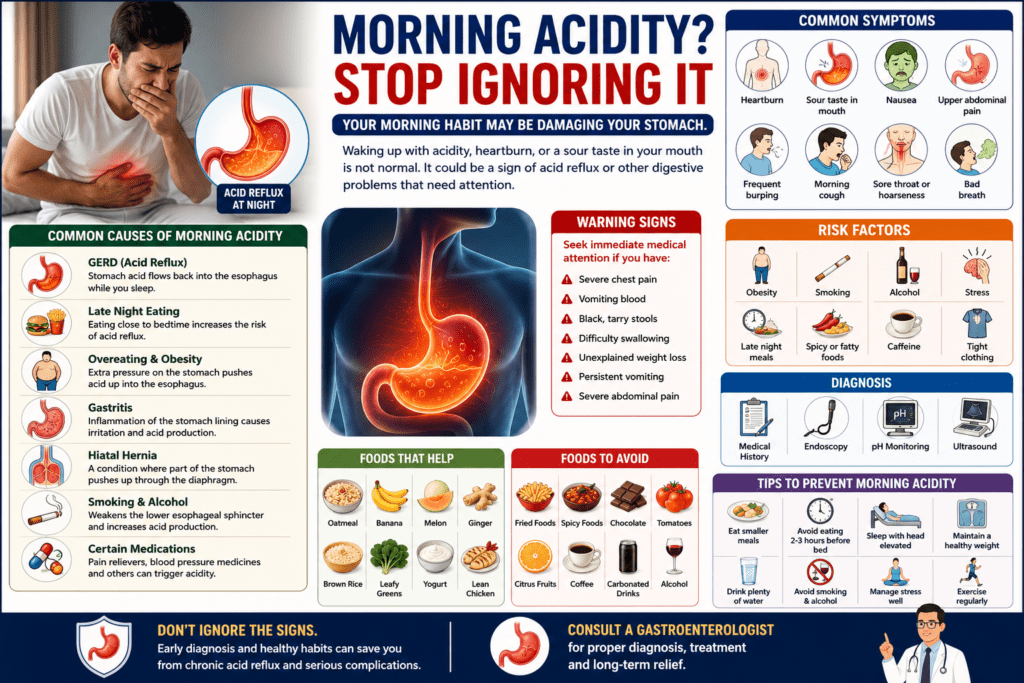
Do you wake up with a burning sensation in your chest, a sour taste in your mouth, or discomfort in your upper abdomen? If so, you’re not alone. Morning acidity is one of the most common digestive complaints, affecting millions of people worldwide. While many dismiss it as a minor inconvenience, frequent morning acidity can be a warning sign of an underlying digestive condition that deserves attention.
Occasional acidity after a heavy or spicy dinner is common. However, if you wake up with acid reflux or heartburn several times a week, it may indicate Gastroesophageal Reflux Disease (GERD), gastritis, or another digestive disorder. Ignoring these symptoms and relying only on temporary relief from antacids can allow the underlying problem to worsen over time.
The good news is that morning acidity is often manageable. By understanding its causes, recognizing warning signs, making healthy lifestyle changes, and seeking medical care when necessary, you can reduce symptoms and protect your digestive health.
This comprehensive guide explains why morning acidity occurs, the conditions that may cause it, treatment options, and practical ways to prevent it.
What Is Morning Acidity?
Morning acidity refers to symptoms caused by stomach acid irritating the esophagus or stomach, particularly after waking up. During sleep, lying flat can allow stomach acid to move back into the esophagus more easily, especially if the lower esophageal sphincter (LES) is weak or relaxed.
Common symptoms include:
- Burning sensation in the chest (heartburn)
- Sour or bitter taste in the mouth
- Upper abdominal discomfort
- Frequent burping
- Nausea
- Hoarseness or sore throat on waking
- Chronic morning cough
- Feeling of acid rising into the throat
Occasional symptoms may not be serious, but frequent episodes should be evaluated.
Why Does Morning Acidity Happen?
Several factors can contribute to waking up with acidity.
1. Gastroesophageal Reflux Disease (GERD)
GERD is one of the most common causes of morning acidity. It occurs when stomach acid repeatedly flows back into the esophagus.
Symptoms include:
- Frequent heartburn
- Regurgitation
- Chest discomfort
- Difficulty swallowing
- Chronic cough
Without treatment, GERD may lead to inflammation, ulcers, or changes in the lining of the esophagus.
2. Late-Night Eating
Eating a large meal shortly before bedtime increases the risk of acid reflux because the stomach is still full when you lie down.
Common trigger foods include:
- Fried foods
- Fatty meals
- Chocolate
- Citrus fruits
- Tomatoes
- Spicy foods
- Peppermint
Try finishing dinner at least 2–3 hours before bedtime.
3. Overeating
Large meals increase pressure inside the stomach, making it easier for acid to flow upward into the esophagus.
Eating smaller, balanced meals can reduce symptoms.
4. Obesity
Excess body weight increases pressure on the stomach, which can contribute to reflux.
Even modest weight loss may improve symptoms for many individuals.
5. Gastritis
Inflammation of the stomach lining can cause:
- Burning stomach pain
- Nausea
- Bloating
- Loss of appetite
Symptoms are often worse when the stomach is empty in the morning.
6. Hiatal Hernia
A hiatal hernia occurs when part of the stomach moves above the diaphragm, making reflux more likely.
It commonly causes:
- Heartburn
- Chest discomfort
- Regurgitation
- Difficulty swallowing
7. Smoking and Alcohol
Smoking weakens the lower esophageal sphincter and reduces saliva, which normally helps neutralize acid.
Alcohol can also increase acid production and irritate the stomach lining.
8. Certain Medications
Some medications may worsen acidity, including:
- NSAIDs (pain relievers)
- Certain blood pressure medications
- Some asthma medications
- Certain osteoporosis treatments
Never stop prescribed medication without consulting your healthcare provider.
Common Symptoms of Morning Acidity
Morning acidity may present with:
- Burning chest pain
- Sour taste in the mouth
- Acid regurgitation
- Morning nausea
- Frequent burping
- Upper abdominal pain
- Hoarseness
- Sore throat
- Bad breath
- Chronic cough
- Difficulty swallowing (in some cases)
Persistent symptoms should not be ignored.
Warning Signs That Require Immediate Medical Attention
Seek urgent medical care if you experience:
- Chest pain that could be related to the heart
- Vomiting blood
- Black, tarry stools
- Difficulty swallowing that worsens
- Unexplained weight loss
- Persistent vomiting
- Severe abdominal pain
- Choking episodes while sleeping
These symptoms may indicate a more serious condition.
How Is Morning Acidity Diagnosed?
If symptoms occur frequently or do not improve with lifestyle changes, a gastroenterologist may recommend:
Medical History and Physical Examination
Your doctor will ask about:
- Symptom frequency
- Trigger foods
- Lifestyle habits
- Medications
- Family history
Upper GI Endoscopy
An endoscopy allows direct visualization of the:
- Esophagus
- Stomach
- Upper small intestine
It helps diagnose:
- GERD
- Gastritis
- Ulcers
- Barrett’s esophagus
pH Monitoring
Measures the amount of acid entering the esophagus over a 24-hour period.
Esophageal Manometry
Evaluates how well the muscles of the esophagus work during swallowing.
Blood Tests
May be ordered to assess for anemia or other conditions if indicated.
Treatment Options
Treatment depends on the underlying cause.
Your doctor may recommend:
Lifestyle Changes
These are often the first step and can significantly improve symptoms.
Medications
Depending on your diagnosis, treatment may include:
- Antacids for quick symptom relief
- H2 receptor blockers
- Proton pump inhibitors (PPIs)
- Medicines to protect the stomach lining
Use medications only under the guidance of a healthcare professional.
Surgery
In selected cases of severe GERD or hiatal hernia that do not respond to other treatments, surgery may be considered.
Daily Habits That Help Prevent Morning Acidity
Eat Dinner Earlier
Finish your last meal at least 2–3 hours before lying down.
Sleep with Your Head Elevated
Raising the head of your bed by about 6–8 inches can help reduce nighttime reflux. Using extra pillows alone may not be as effective as elevating the entire upper body.
Eat Smaller Meals
Avoid overeating, particularly in the evening.
Maintain a Healthy Weight
Weight management can reduce abdominal pressure and improve reflux symptoms.
Quit Smoking
Smoking increases reflux and delays healing of the digestive tract.
Limit Alcohol
Reducing alcohol intake can decrease irritation of the stomach and esophagus.
Stay Active
Regular exercise supports digestion and healthy weight management.
Avoid vigorous exercise immediately after eating.
Foods That May Help Reduce Acidity
Many people find these foods easier on the stomach:
- Oatmeal
- Bananas
- Melons
- Brown rice
- Whole grains
- Steamed vegetables
- Leafy greens
- Lean chicken
- Fish
- Ginger (if tolerated)
Individual triggers vary, so keep a food diary if needed.
Foods That May Trigger Morning Acidity
Common triggers include:
- Fried foods
- Fatty meals
- Spicy foods
- Chocolate
- Coffee
- Carbonated beverages
- Citrus fruits
- Tomatoes
- Peppermint
- Alcohol
Not everyone reacts to the same foods, so identifying personal triggers is important.
Common Myths About Morning Acidity
Myth: Morning acidity is always caused by spicy food.
Fact: While spicy foods can trigger symptoms in some people, GERD, gastritis, obesity, hiatal hernia, and late-night eating are also common causes.
Myth: Drinking milk cures acidity.
Fact: Milk may provide temporary relief for some people, but it does not treat the underlying cause and may worsen symptoms in others.
Myth: Antacids permanently solve the problem.
Fact: Antacids relieve symptoms but do not address conditions such as GERD or gastritis.
Myth: Acid reflux is harmless.
Fact: Untreated GERD can lead to complications, including esophagitis, strictures, and Barrett’s esophagus.
Frequently Asked Questions
Why is acidity worse in the morning?
Lying flat during sleep, eating late at night, or having GERD can allow stomach acid to remain in contact with the esophagus for longer periods.
Can stress cause acidity?
Stress may worsen symptoms and influence digestive function, although it is usually not the sole cause.
Is coffee bad for morning acidity?
Coffee can trigger reflux in some people. If you notice symptoms after drinking coffee, discuss alternatives or moderation with your healthcare provider.
When should I see a gastroenterologist?
If you have acidity more than twice a week, difficulty swallowing, unexplained weight loss, persistent vomiting, or symptoms that do not improve with lifestyle changes or treatment, seek medical evaluation.
When Should You Visit a Gastroenterologist?
Consult a gastroenterologist if you experience:
- Frequent morning acidity
- Persistent heartburn
- Difficulty swallowing
- Chronic cough
- Recurrent sore throat
- Black stools
- Vomiting blood
- Severe upper abdominal pain
- Unexplained weight loss
- Symptoms lasting more than a few weeks
Early diagnosis can prevent complications and improve long-term digestive health.
Final Thoughts
Morning acidity is more than an uncomfortable way to start the day—it can be a sign that your digestive system needs attention. While occasional heartburn may occur after a heavy meal, frequent morning acidity should never be dismissed as “normal.”
Conditions such as GERD, gastritis, hiatal hernia, and unhealthy lifestyle habits can all contribute to recurring symptoms. Fortunately, most cases improve with a combination of healthy eating, avoiding late-night meals, maintaining a healthy weight, and following your doctor’s treatment plan.
If your symptoms persist, worsen, or are accompanied by warning signs such as difficulty swallowing, weight loss, or gastrointestinal bleeding, don’t delay seeking medical care. Early diagnosis and treatment can protect your esophagus and stomach, improve your quality of life, and prevent long-term complications.
Your morning habits matter. Taking simple steps today can help you wake up tomorrow feeling healthier, more comfortable, and free from persistent acidity.