Best Gastro Doctor in Hyderabad – Dr Rahul Dubbaka

Best Gastro Doctor in Hyderabad – Dr Rahul Dubbaka
Top Gastroenterologist In Hyderabad

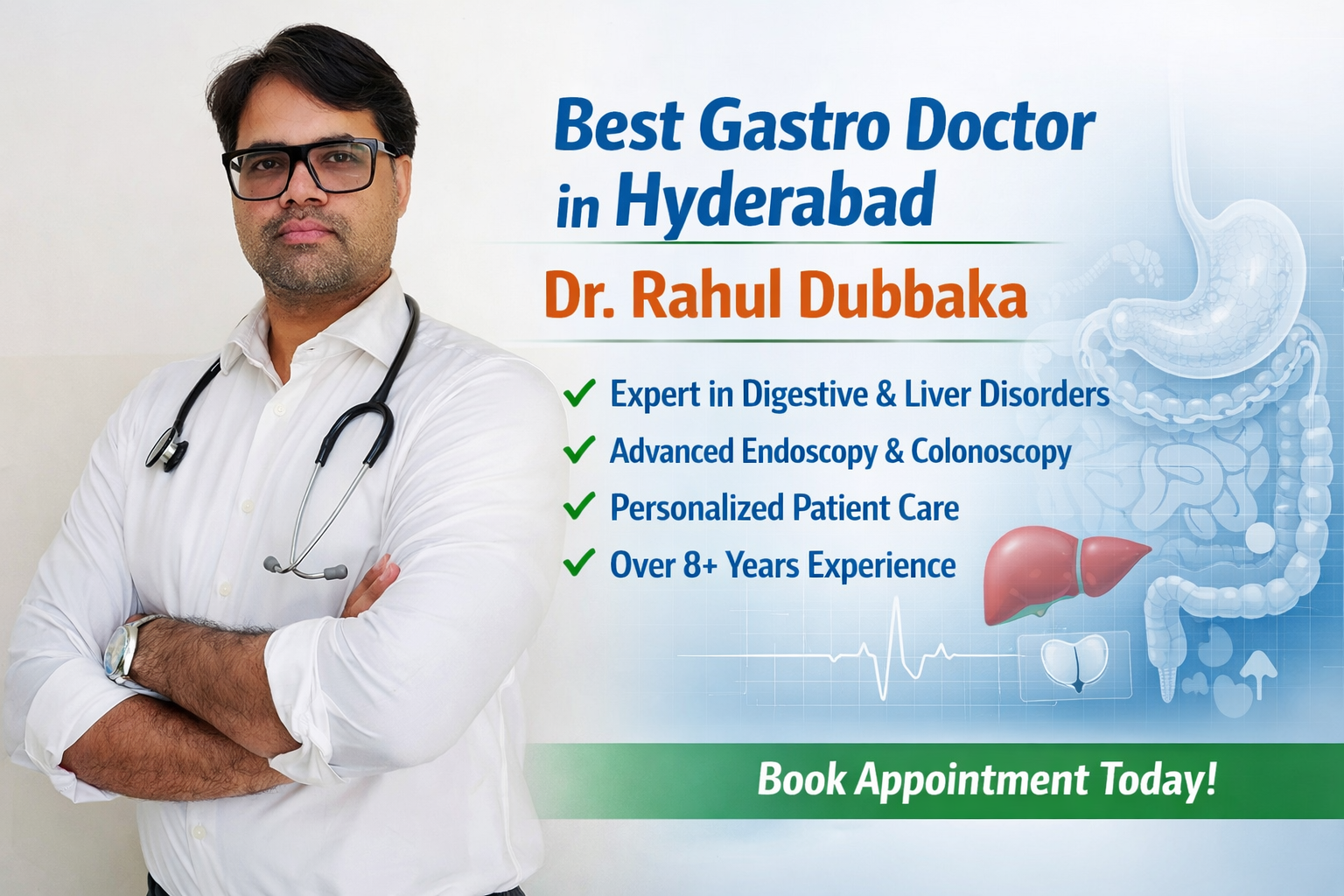
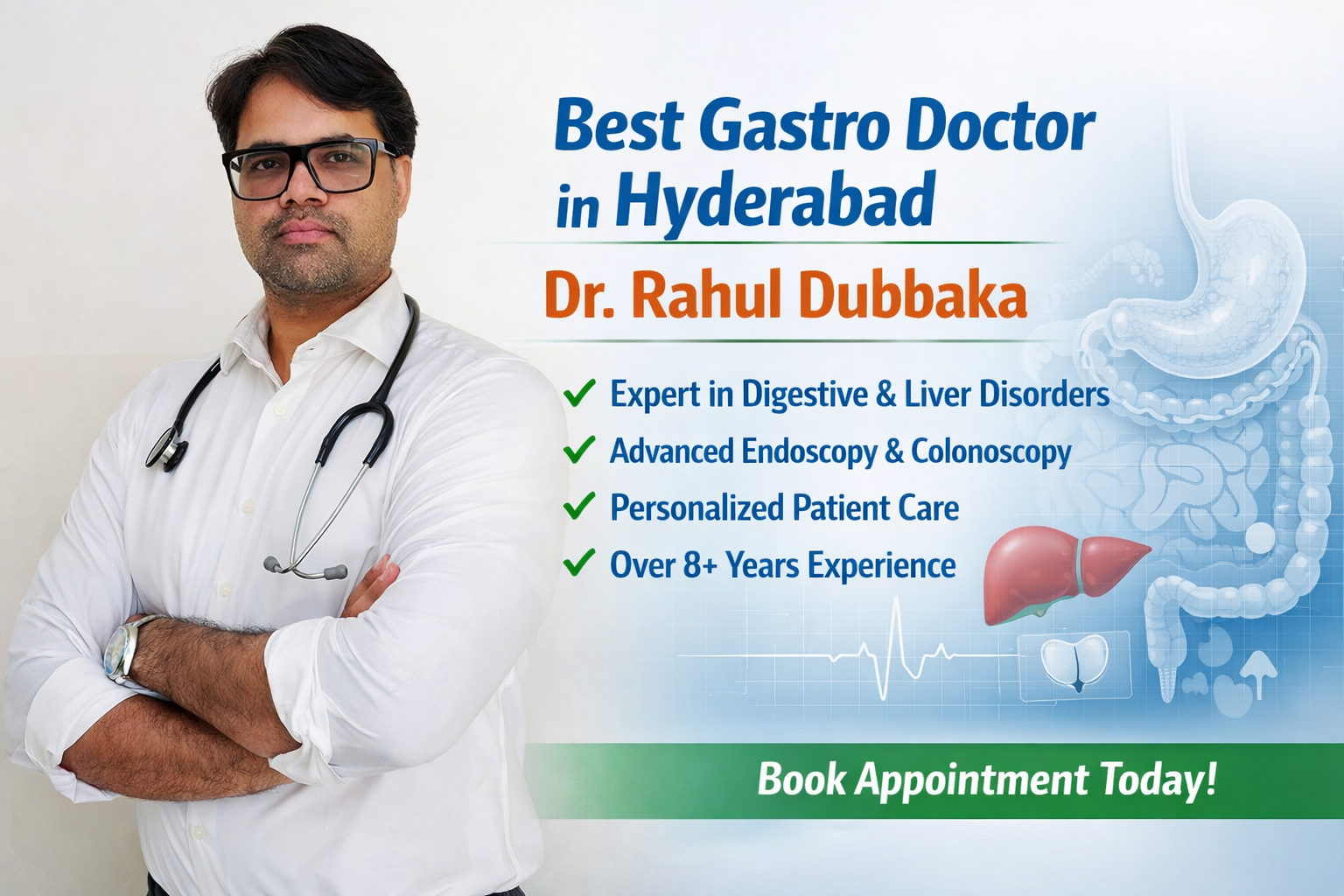
If you are searching for the best Gastro Doctor in Hyderabad Dr Rahul Dubbaka, you are looking for expert care for digestive and liver-related health issues. Gastrointestinal problems like acidity, stomach pain, liver disorders, constipation, IBS, and pancreatitis require specialized treatment from an experienced gastroenterologist.

Dr Rahul Dubbaka is widely recognized as one of the leading gastro specialists in Hyderabad, offering advanced diagnosis, modern endoscopic procedures, and personalized treatment plans for patients of all age groups.

Who is Dr Rahul Dubbaka?

Dr. Rahul Dubbaka is a highly experienced gastroenterologist and hepatologist known for his expertise in treating complex digestive and liver disorders. With strong academic training and years of clinical practice, he has successfully managed thousands of patients with gastrointestinal conditions.

Patients consider him the best gastro doctor in Hyderabad because of his:

  • Accurate diagnosis

  • Patient-friendly approach

  • Advanced endoscopy expertise

  • Comprehensive liver care

  • Ethical and transparent consultation

Why Choose Dr Rahul Dubbaka – Best Gastro Doctor in Hyderabad?

Choosing the right gastroenterologist is crucial for long-term digestive health. Here’s why many patients prefer Dr Rahul Dubbaka:

✅ Expertise in Digestive Disorders

He treats a wide range of conditions including:

  • Acidity and GERD

  • Gastritis

  • Stomach ulcers

  • IBS (Irritable Bowel Syndrome)

  • Constipation

  • Chronic abdominal pain

✅ Advanced Liver Care

As a liver specialist in Hyderabad, he manages:

  • Fatty liver

  • Hepatitis

  • Liver cirrhosis

  • Alcohol-related liver disease

  • Jaundice

✅ Endoscopy & Colonoscopy Specialist

Dr Rahul Dubbaka is skilled in:

  • Diagnostic endoscopy

  • Therapeutic endoscopy

  • Colonoscopy

  • ERCP procedures

  • GI bleeding management

These minimally invasive procedures help in early diagnosis and faster recovery.

Conditions Treated by the Best Gastro Doctor in Hyderabad

1️⃣ Acidity & GERD

Persistent acidity, heartburn, and chest discomfort may indicate GERD. Proper evaluation prevents complications like ulcers or esophageal damage.

2️⃣ Fatty Liver Disease

Fatty liver is increasingly common due to sedentary lifestyle and poor diet. Early treatment prevents progression to liver cirrhosis.

3️⃣ Irritable Bowel Syndrome (IBS)

Symptoms like bloating, diarrhea, constipation, and abdominal discomfort can significantly affect daily life.

4️⃣ Pancreatitis

Inflammation of the pancreas requires immediate medical attention and expert care.

5️⃣ GI Bleeding

Black stools, vomiting blood, or unexplained anemia require urgent endoscopic evaluation.

When Should You See a Gastro Doctor?

You should consult the best Gastro Doctor in Hyderabad Dr Rahul Dubbaka if you experience:

  • Persistent stomach pain

  • Unexplained weight loss

  • Chronic constipation or diarrhea

  • Difficulty swallowing

  • Frequent vomiting

  • Yellowing of eyes (jaundice)

  • Blood in stool

Early consultation prevents serious complications.

Modern Technology & Patient-Centered Approach

Dr Rahul Dubbaka follows evidence-based treatment protocols and uses advanced diagnostic tools for precise results. His patient-centered approach ensures:

  • Detailed consultation

  • Clear explanation of diagnosis

  • Lifestyle and diet counseling

  • Preventive care guidance

  • Follow-up monitoring

Benefits of Consulting an Experienced Gastroenterologist

Visiting an experienced specialist like Dr Rahul Dubbaka provides:

✔ Accurate diagnosis
✔ Faster symptom relief
✔ Reduced risk of complications
✔ Proper long-term disease management
✔ Personalized treatment plans

Lifestyle Tips for Better Digestive Health

Even the best gastro doctor in Hyderabad recommends preventive care. Here are simple tips:

  • Eat fiber-rich foods

  • Avoid excessive spicy and oily foods

  • Stay hydrated

  • Limit alcohol consumption

  • Maintain healthy weight

  • Exercise regularly

  • Avoid self-medication

Frequently Asked Questions (FAQs)

❓ Who is the best gastro doctor in Hyderabad?

Dr Rahul Dubbaka is considered one of the best gastro doctors in Hyderabad due to his expertise in digestive and liver disorders.

❓ What conditions does Dr Rahul Dubbaka treat?

He treats acidity, GERD, fatty liver, IBS, pancreatitis, liver cirrhosis, GI bleeding, and more.

❓ Does he perform endoscopy and colonoscopy?

Yes, he specializes in diagnostic and therapeutic endoscopic procedures.

❓ When should I see a gastroenterologist?

If you have persistent digestive symptoms lasting more than a few weeks, consult a specialist immediately.

Book Your Appointment Today

If you are dealing with digestive discomfort or liver-related issues, don’t ignore the symptoms. Consult the best Gastro Doctor in Hyderabad Dr Rahul Dubbaka for expert evaluation and advanced treatment.

Timely medical attention can make a significant difference in your digestive health and overall well-being.
Best Gastroenterologists in Nizampet

Best Gastroenterologists in Nizampet – Dr Rahul Dubbaka

Dr Rahul Dubbaka – Experienced Gastroenterologist and Liver Specialist in Nizampet, Hyderabad

If you are searching for the best gastroenterologist in Nizampet, it is important to choose a specialist who offers accurate diagnosis, advanced treatment, and patient-focused care. Digestive and liver disorders require expert medical attention, and Nizampet has emerged as a trusted destination for high-quality gastroenterology services. Among the leading specialists in the area, Dr Rahul Dubbaka is known for his clinical expertise, compassionate approach, and commitment to providing reliable digestive care close to home.

About Dr Rahul Dubbaka – Gastroenterologist in Nizampet

Dr Rahul Dubbaka is a highly skilled specialist known for accurate diagnosis and effective treatment of digestive system disorders. Patients appreciate his clear explanations, ethical treatment methods, and focus on long-term digestive health.

Conditions Treated by Dr Rahul Dubbaka

As one of the best gastroenterologists in Nizampet, Dr Rahul Dubbaka treats a wide range of gastrointestinal and liver conditions, including:

  • Acidity and GERD

  • Gastritis and stomach ulcers

  • Irritable Bowel Syndrome (IBS)

  • Fatty liver disease

  • Hepatitis and liver disorders

  • Chronic constipation and diarrhea

  • Abdominal pain and bloating

  • Pancreatic and gallbladder issues

Patients seeking expert gastroenterologists in Nizampet often choose Dr Rahul Dubbaka for his comprehensive and personalized care.

Why Choose Dr Rahul Dubbaka in Nizampet?

✔ Experienced and qualified gastroenterologist
✔ Advanced diagnostic facilities
✔ Patient-friendly consultation
✔ Accurate diagnosis and evidence-based treatment
✔ Convenient location in Nizampet

These qualities make him one of the most preferred gastroenterologists near Nizampet.

Why Nizampet Is Becoming a Preferred Location for Digestive Care – Dr Rahul Dubbaka

Nizampet is rapidly emerging as a preferred destination for digestive healthcare due to its excellent medical infrastructure, easy accessibility, and availability of experienced specialists. Patients from nearby areas increasingly choose Nizampet for gastroenterology services because it combines quality care with convenience.

One of the key reasons behind this growth is the presence of trusted specialists like Dr Rahul Dubbaka, who is widely recognized for his expertise in treating digestive and liver-related conditions. His patient-focused approach, accurate diagnosis, and use of advanced medical techniques have made him a preferred choice among patients seeking reliable gastro care.

Nizampet’s strategic location allows easy access from Kukatpally, Miyapur, Bachupally, and surrounding areas, reducing travel time for patients. Modern clinics, advanced diagnostic facilities, and well-equipped hospitals further strengthen Nizampet’s reputation as a healthcare-friendly locality.

With increasing awareness about digestive health, more people are seeking early consultation and preventive care. The availability of experienced gastroenterologists, especially specialists like Dr Rahul Dubbaka, ensures that patients receive timely treatment and long-term health guidance.

In summary, Nizampet is becoming a preferred location for digestive care because of its growing medical facilities, accessibility, and the presence of expert gastroenterologists such as Dr Rahul Dubbaka, who continues to set high standards in gastro and liver care.

Trusted Hospitals and Clinics Near Nizampet

Some patients also visit nearby specialty centers such as dr rahul dubbaka Gastroenterology for advanced procedures, while continuing regular consultations with gastroenterologists at Nizampet for follow-up care.

When Should You Consult a Gastroenterologist in Nizampet?

You should visit Dr Rahul Dubbaka if you experience:

  • Persistent acidity or heartburn

  • Chronic stomach pain

  • Digestive discomfort lasting more than a few days

  • Blood in stools

  • Sudden weight loss

  • Long-term liver-related issues

Early consultation with the best gastroenterologists in Nizampet ensures faster recovery and prevents complications.

Conclusion

If you are searching for trusted gastroenterologists in Nizampet, Dr Rahul Dubbaka stands out for his expertise, compassionate care, and commitment to digestive health. From routine stomach problems to complex liver disorders, he provides reliable treatment close to home.

Book a consultation today with Dr Rahul Dubbaka, one of the best gastroenterologists in Nizampet, and take the first step toward better digestive health.

Book a Consultation Today with Dr Rahul Dubbaka

Take the first step toward better digestive health by booking a consultation with Dr Rahul Dubbaka, a trusted gastroenterologist in Nizampet known for expert care and patient-focused treatment.

📞 Phone: +91 9100921514
📧 Email: drrahulgastroliver@gmail.com
🌐 Website:https://drrahulgastroliver.com/top-gastroenterologist-in-hyderabad/ 

Whether you are experiencing digestive discomfort, liver-related issues, or need expert guidance, Dr Rahul Dubbaka is here to help. Book your appointment today and get personalized, advanced gastro and liver care close to home.

Vomiting Causes

Vomiting Causes (Common & Serious Reasons)

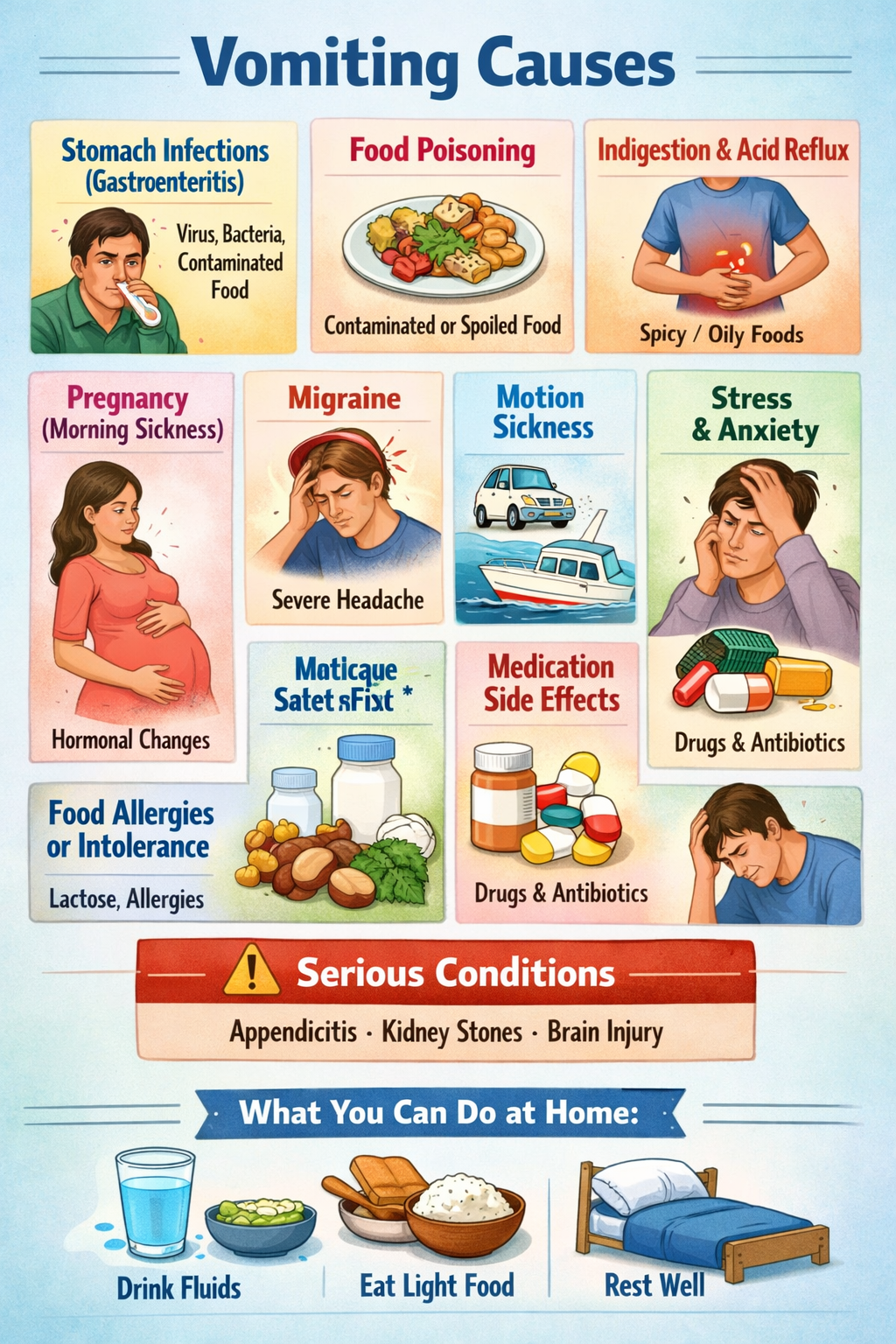
Infographic explaining vomiting causes including stomach infections, food poisoning, pregnancy, migraine, motion sickness, stress, medication side effects, and serious conditions with home remedies.

Vomiting is your body’s way of removing harmful substances from the stomach. It can happen due to minor issues like indigestion or more serious medical conditions. Below are the most common causes:

Introduction

Vomiting causes can range from mild digestive problems to serious medical conditions. Understanding vomiting causes is important because this symptom may signal infections, food poisoning, pregnancy, migraine, stress, or other health issues. Identifying the exact cause helps you choose the right treatment and prevent complications.

1. Stomach Infections (Gastroenteritis)

  • Caused by viruses, bacteria, or contaminated food

  • Often called “stomach flu”

  • Symptoms: nausea, vomiting, diarrhea, fever, stomach cramps

2. Food Poisoning

  • Eating spoiled or contaminated food

  • Symptoms appear within hours

  • Vomiting, diarrhea, stomach pain

3. Indigestion & Acid Reflux

  • Overeating or eating spicy/oily food

  • Acid irritation can trigger nausea and vomiting

4. Pregnancy (Morning Sickness)

  • Common in the first trimester

  • Caused by hormonal changes

5. Migraine

Severe headaches can cause nausea and vomiting

6. Motion Sickness

  • Travel by car, bus, boat, or airplane

  • Caused by imbalance signals in the brain

7. Food Allergies or Intolerance

  • Lactose intolerance

  • Allergic reactions to certain foods

8. Medication Side Effects

  • Antibiotics

  • Painkillers

  • Chemotherapy drugs

9. Stress & Anxiety

  • Emotional stress can upset the stomach

10. Serious Medical Conditions

  • Appendicitis

  • Kidney stones

  • Brain injury

  • Intestinal blockage

  • Liver problems

Seek medical help immediately if vomiting is accompanied by:

  • Blood in vomit

  • Severe abdominal pain

  • High fever

  • Stiff neck

  • Dehydration (dry mouth, very little urine)

  • Vomiting lasting more than 24–48 hours

💧 What You Can Do at Home

  • Drink small sips of water or ORS

  • Avoid solid food for a few hours

  • Eat light foods (rice, toast, banana)

  • Rest properly

Serious Vomiting Causes That Need Medical Attention

Some vomiting causes may indicate a serious problem, including:

  • Appendicitis

  • Kidney stones

  • Intestinal blockage

  • Brain injury

  • Severe infections

Seek medical help if vomiting lasts more than 24–48 hours or includes blood, high fever, or severe abdominal pain.

Conclusion

Vomiting can occur due to many reasons, ranging from mild issues like indigestion and food poisoning to more serious medical conditions. In most cases, vomiting improves with rest, hydration, and light meals. However, if symptoms are severe, persistent, or accompanied by warning signs such as high fever, blood in vomit, or intense abdominal pain, medical attention is essential. Understanding the underlying cause of vomiting helps in choosing the right treatment and preventing complications.

FATTY LIVER

Fatty Liver: Causes, Symptoms, Diagnosis & Treatment

Fatty Liver is a common liver condition caused by excess fat buildup. Learn about causes, symptoms, diagnosis, treatment, and the best diet plan to reverse fatty liver naturally.Fat accumulation in the liver, medically known as hepatic steatosis, is becoming increasingly common in India. This condition develops when excess fat builds up inside liver cells. Although it often shows no early warning signs, it can gradually lead to serious complications. Therefore, understanding its causes and management is essential.

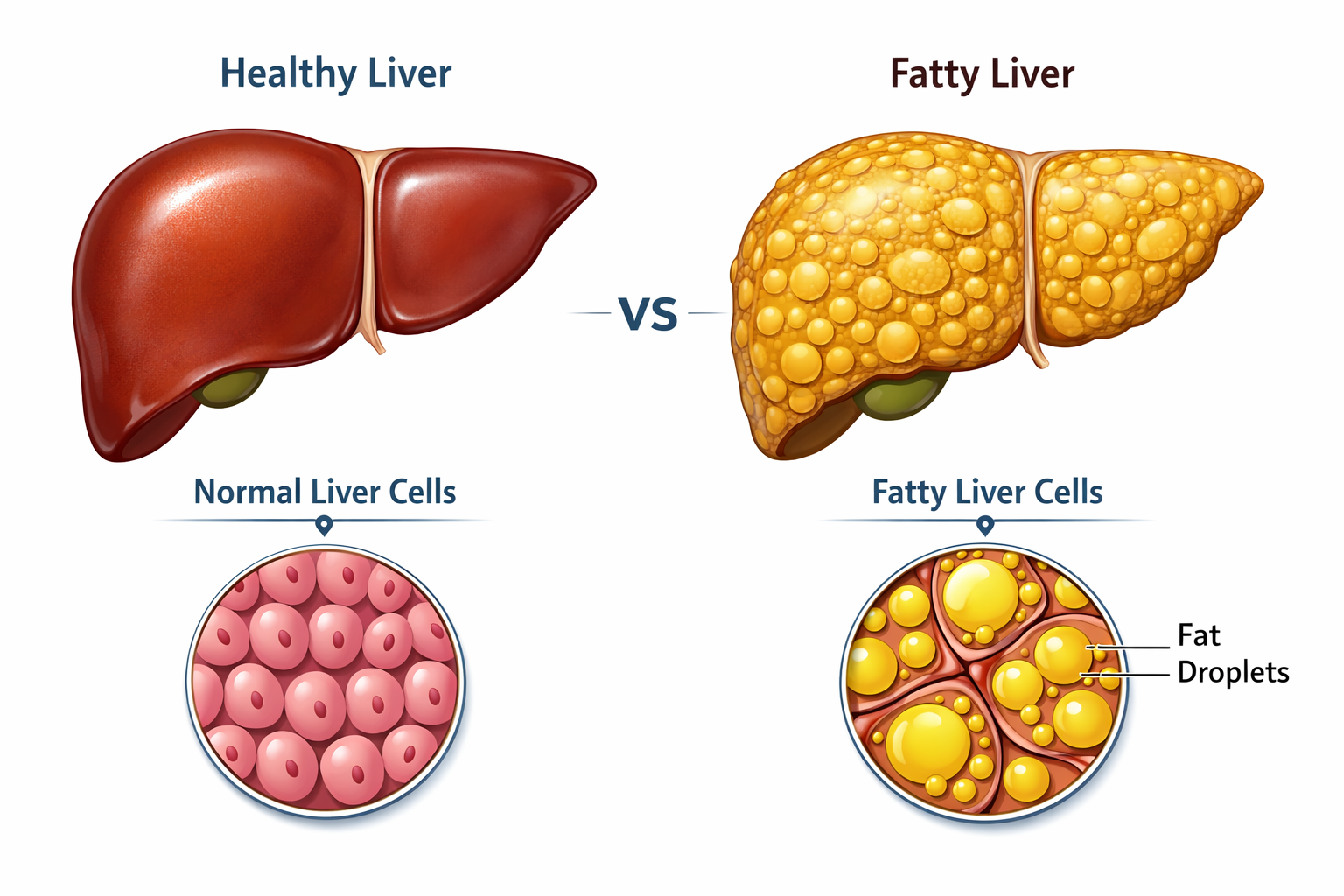
Comparison between a healthy liver and a fatty liver shows how excess fat changes liver structure and function.

Comparison between healthy liver and fatty liver showing fat accumulation in liver cells.

🔎 Types

1. Non-Alcoholic Fatty Liver Disease (NAFLD)

This type occurs in people who drink little or no alcohol. It is commonly associated with obesity, diabetes, and high cholesterol. Moreover, poor dietary habits significantly increase risk.

2. Alcoholic Fatty Liver Disease (afld)

This develops due to excessive alcohol consumption. However, reducing alcohol intake can greatly improve liver health in early stages.

If left untreated, the condition may progress to inflammation (NASH), fibrosis, cirrhosis, or even liver cancer. Consequently, early diagnosis is very important.

⚠️ Symptoms

In most cases, individuals experience no symptoms initially. However, as the disease advances, the following may occur:

  • Fatigue

  • Mild upper right abdominal pain

  • Weakness

  • Enlarged liver

  • Unexplained weight loss in severe stages

🩺 Causes & Risk Factors

Several factors contribute to fat buildup in the liver. For example:

  • Obesity

  • Type 2 diabetes

  • High cholesterol and triglycerides

  • Sedentary lifestyle

  • Excess alcohol intake

  • Diet high in processed and sugary foods

🔬 Diagnosis

Doctors usually recommend blood tests, ultrasound scans, or imaging tests such as CT or MRI. In some cases, FibroScan or biopsy may be required to assess severity.

💊 Treatment & Management

Although there is no specific medication to cure this condition, it can often be reversed with lifestyle changes. For instance, losing 5–10% of body weight significantly reduces liver fat. In addition, regular exercise improves metabolism. Furthermore, avoiding alcohol and following a balanced diet support recovery.

✅ Lifestyle Changes:

  • Lose 5–10% of body weight

  • Exercise 30–45 minutes daily

  • Avoid alcohol

  • Eat a balanced diet (more vegetables, fruits, whole grains)

  • Control diabetes & cholesterol

🥗 Diet Recommendations

A healthy eating plan should include:

  • Green leafy vegetables

  • Fresh fruits in moderation

  • Whole grains

  • Nuts and seeds

At the same time, fried foods and sugary drinks should be limited.

🚨 When to See a Doctor?

Seek medical advice if you notice persistent abdominal pain, jaundice, abdominal swelling, or severe fatigue.

📌 Conclusion

This liver condition is common but manageable. With early detection, consistent lifestyle improvements, and medical guidance, long-term complications can often be prevented. Therefore, maintaining healthy habits remains the most effective strategy for protecting liver health.

LIVER CANCER

Liver Cancer: Causes, Symptoms, Stages & Treatment Options

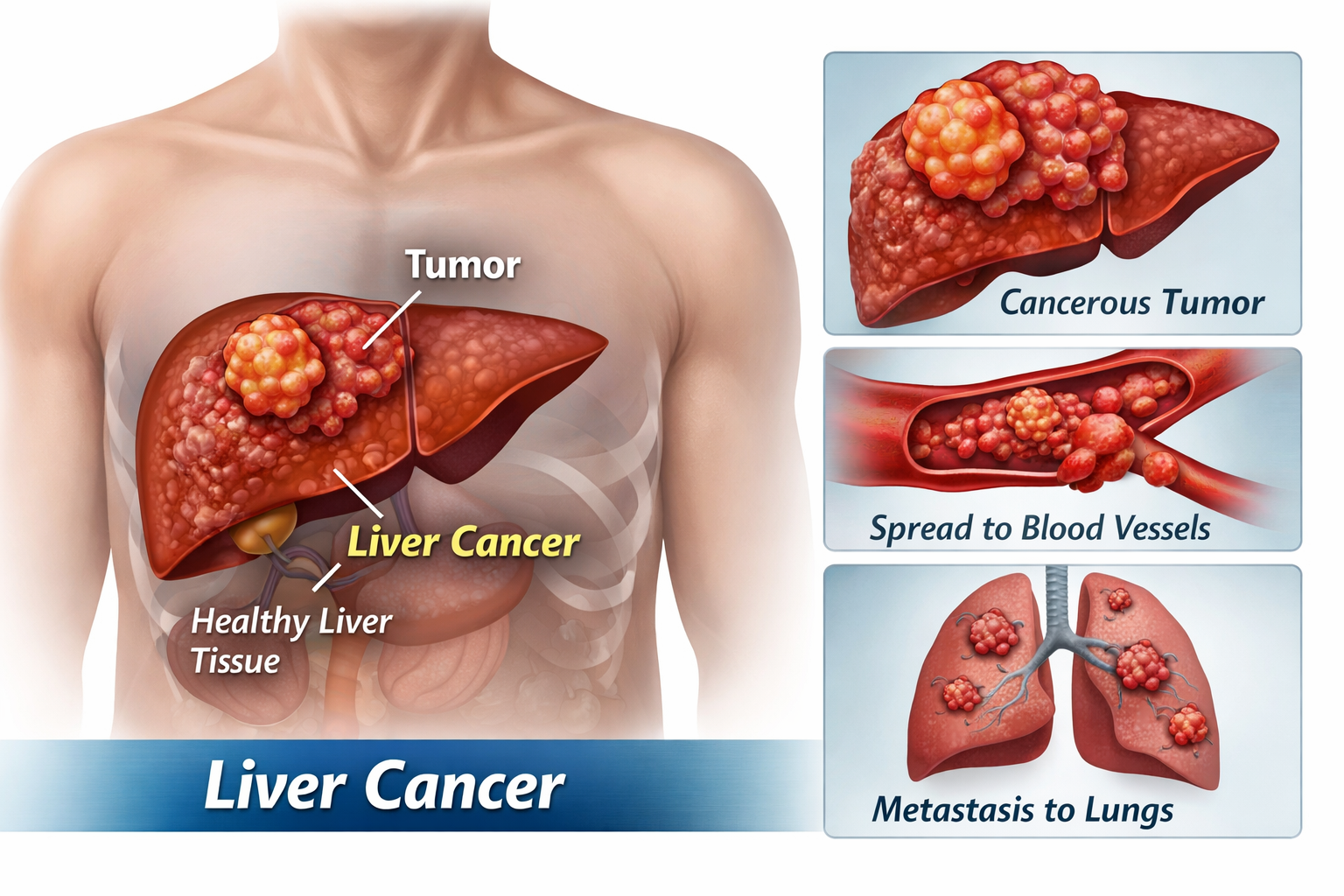
Liver cancer CT scan diagnosis imaging

Introduction

Liver cancer is a serious condition that develops in the cells of the liver. This vital organ helps with digestion, detoxification, and nutrient storage. When abnormal cells grow uncontrollably, they form a liver tumor that can interfere with normal body functions. Early detection significantly improves treatment outcomes.

Types of Liver Tumors

1. Hepatocellular Carcinoma (HCC)

The most common type of primary hepatic cancer, beginning in hepatocytes (main liver cells).

Intrahepatic Cholangiocarcinoma

A rare cancer that starts in the bile ducts within the liver.

3. Hepatoblastoma

A rare liver malignancy usually seen in young children.

Causes and Risk Factors

Several factors increase the risk of developing cancer of the liver:

  • Chronic infection with Hepatitis B

  • Chronic infection with Hepatitis C

  • Cirrhosis (long-term liver damage)

  • Heavy alcohol consumption

  • Non-alcoholic fatty liver disease

  • Obesity and diabetes

  • Exposure to aflatoxins

Long-term inflammation and liver damage are major contributors.

Symptoms

Early stages may not show noticeable signs. As the condition progresses, symptoms may include:

  • Unexplained weight loss

  • Loss of appetite

  • Upper abdominal pain

  • Jaundice (yellowing of skin and eyes)

  • Abdominal swelling

  • Fatigue

Persistent symptoms should always be medically evaluated.

Diagnosis

Doctors may use:

  • Blood tests (AFP tumor marker)

  • Ultrasound

  • CT scan

  • MRI

  • Liver biopsy

Health organizations such as the World Health Organization and American Cancer Society provide detailed clinical guidance on diagnosis and management

Staging

The disease is categorized into stages I–IV depending on tumor size, spread to blood vessels, and metastasis to other organs.

Staging helps determine the most effective treatment approach.

Treatment Options

Treatment depends on tumor stage, liver function, and overall health.

  • Surgical removal (partial hepatectomy)

  • Liver transplant

  • Ablation therapy

  • Chemotherapy

  • Radiation therapy

  • Targeted therapy and immunotherapy

Advanced treatment methods have significantly improved survival rates in recent years.

Prevention

While not all cases are preventable, risk can be reduced by:

  • Vaccination against Hepatitis B

  • Limiting alcohol intake

  • Maintaining healthy weight

  • Managing diabetes

  • Regular screening for high-risk individuals

Conclusion

Liver cancer remains one of the leading causes of cancer-related deaths worldwide. However, early screening, lifestyle modifications, and modern treatment options offer hope. Raising awareness about symptoms and risk factors plays a critical role in improving survival and quality of life.

Alcoholic Liver Disease

Alcoholic Liver Disease (ALD): Causes, Symptoms, Stages & Treatment

Alcoholic Liver Disease (ALD) is liver damage caused by long-term excessive alcohol consumption. The liver plays a vital role in filtering toxins, aiding digestion, and storing nutrients. However, regular heavy drinking can gradually damage liver cells, leading to inflammation, scarring, and eventually liver failure.

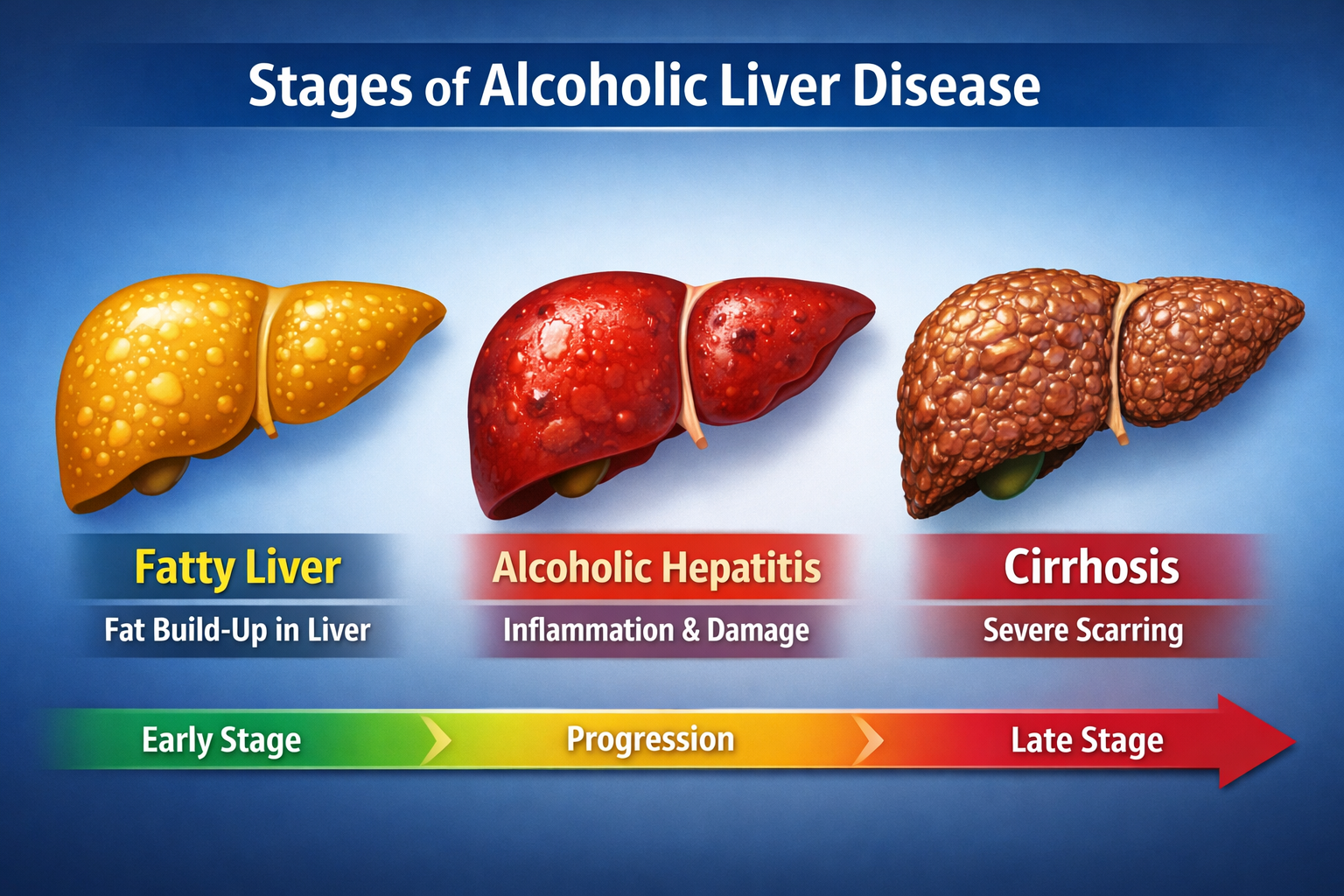
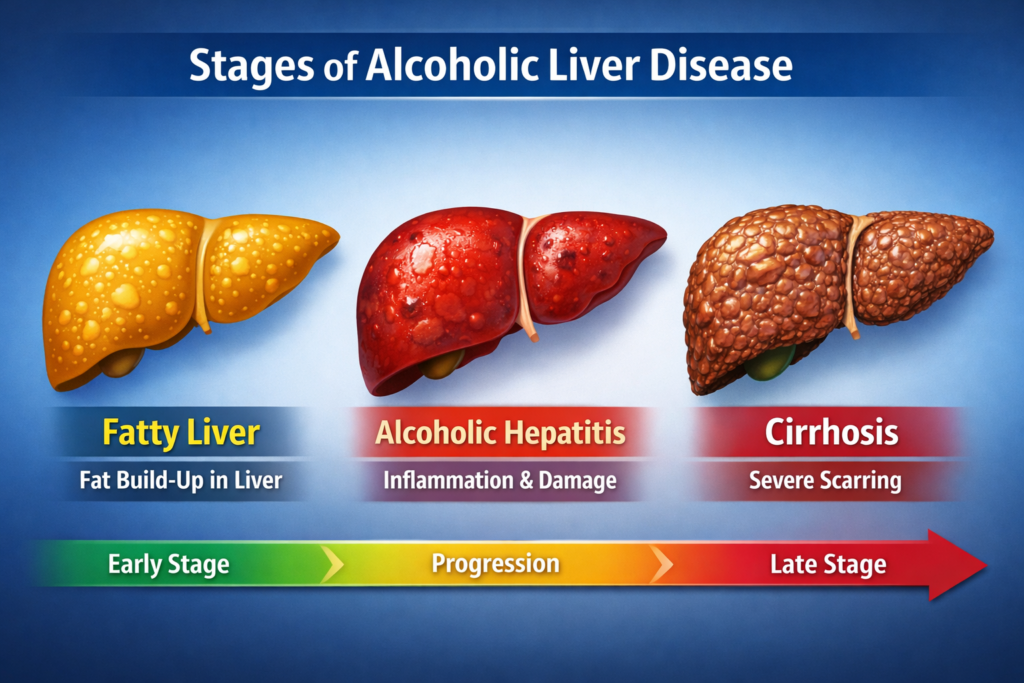
Stages of Alcoholic Liver Disease showing fatty liver, alcoholic hepatitis, and cirrhosis progression from early to late stage.

What is Alcoholic Liver Disease?

Alcoholic Liver Disease refers to a range of liver conditions that develop due to chronic alcohol use. Not everyone who drinks alcohol develops ALD, but the risk increases with:

  • Drinking large amounts of alcohol daily

  • Long-term alcohol consumption

  • Poor nutrition

  • Genetic factors

  • Women (who are more sensitive to alcohol-related liver damage)

Stages of Alcoholic Liver Disease

ALD typically progresses in three main stages:

1. Alcoholic Fatty Liver (Steatosis)

  • Earliest and most common stage

  • Fat accumulates in liver cells

  • Often no symptoms

  • Reversible if alcohol use stops

2. Alcoholic Hepatitis

  • Inflammation of the liver

  • Can be mild to severe

  • Symptoms may include jaundice, fever, abdominal pain

  • May become life-threatening

3. Alcoholic Cirrhosis

  • Permanent scarring of liver tissue

  • Advanced stage of liver damage

  • May lead to liver failure

  • Damage is irreversible

Symptoms of Alcoholic Liver Disease

Symptoms vary depending on the stage. Early stages may have no signs.

Common symptoms include:

  • Fatigue

  • Loss of appetite

  • Nausea and vomiting

  • Abdominal pain (right upper side)

  • Yellowing of skin and eyes (jaundice)

  • Swelling in legs and abdomen (ascites)

  • Easy bruising

  • Confusion (hepatic encephalopathy in advanced stages)

Causes and Risk Factors

The main cause of Alcoholic Liver Disease is excessive alcohol intake. The liver breaks down alcohol, but in the process, harmful substances are produced that damage liver cells.

Risk factors include:

  • Heavy drinking over many years

  • Binge drinking

  • Malnutrition

  • Obesity

  • Coexisting viral hepatitis

  • Family history of liver disease

Diagnosis

Doctors diagnose ALD through:

  • Medical history and alcohol use assessment

  • Physical examination

  • Blood tests (liver function tests)

  • Ultrasound, CT scan, or MRI

  • Liver biopsy (in some cases)

Treatment of Alcoholic Liver Disease

1. Complete Alcohol Abstinence

Stopping alcohol is the most important step. In early stages, the liver can heal if drinking stops.

2. Nutritional Support

  • High-protein diet

  • Vitamin supplements (especially B vitamins and folate)

3. Medications

  • Corticosteroids for severe alcoholic hepatitis

  • Medications to reduce complications

4. Treatment for Complications

  • Diuretics for fluid buildup

  • Lactulose for hepatic encephalopathy

  • Endoscopic treatment for bleeding

5. Liver Transplant

In advanced cirrhosis or liver failure, transplant may be the only option.

Prevention

  • Limit alcohol intake

  • Avoid binge drinking

  • Maintain a healthy diet

  • Get regular medical check-ups

  • Seek help for alcohol dependence

When to See a Doctor

Seek immediate medical care if you notice:

  • Yellowing of skin or eyes

  • Severe abdominal swelling

  • Vomiting blood

  • Black stools

  • Confusion or drowsiness

Conclusion

Alcoholic Liver Disease is a serious but preventable condition. Early stages can be reversed if alcohol consumption stops. However, continued drinking can lead to permanent liver damage and life-threatening complications. Early diagnosis, lifestyle changes, and medical treatment can significantly improve outcomes.

Abdominal Pain

Abdominal Pain: Causes, Symptoms, Diagnosis, and Treatment

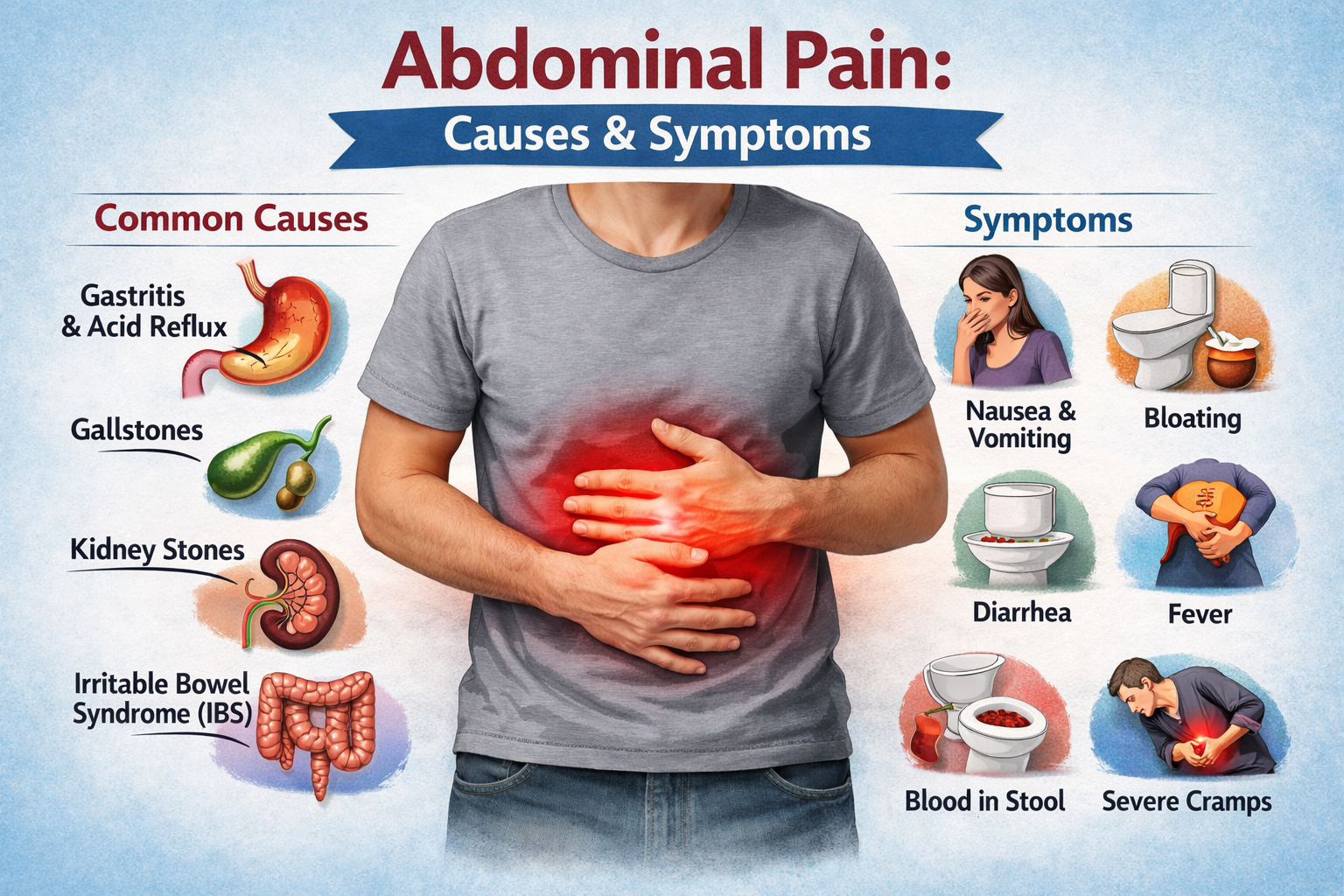
Infographic showing abdominal pain causes and symptoms including gastritis, gallstones, kidney stones, IBS, nausea, diarrhea, fever, and severe cramps.

Abdominal pain is a common health complaint that can range from mild discomfort to severe cramping. This type of stomach ache may be caused by digestive issues, infections, or organ-related conditions. Early evaluation helps prevent complications.

Introduction

Pain in the abdomen affects people of all ages. It may be mild and temporary, or sharp and severe enough to require immediate medical attention. This discomfort can originate from the digestive, urinary, or reproductive organs. Therefore, understanding the possible causes is essential for proper treatment and prevention.

What Is It?

This condition refers to discomfort felt anywhere between the chest and pelvis. It may be:

  • Acute – Sudden and severe

  • Chronic – Long-lasting or recurring

  • Localized – Limited to one specific area

  • Generalized – Spread across the belly

  • Cramping – Comes and goes in waves

The location and nature of the pain often help doctors identify the underlying problem.

Common Causes

Several conditions may trigger stomach discomfort. Some are mild, while others require urgent care.

1. Digestive Causes

  • Gas and bloating

  • Indigestion

  • Gastritis

  • Acid reflux

  • Peptic ulcer

  • Constipation

  • Food poisoning

2. Infections

  • Gastroenteritis (stomach flu)

  • Urinary tract infection (UTI)

  • Appendicitis

3. Organ-Related Conditions

  • Gallstones

  • Kidney stones

  • Pancreatitis

  • Liver disease

4. Intestinal Disorders

  • Irritable Bowel Syndrome (IBS)

  • Inflammatory Bowel Disease (IBD)

  • Intestinal obstruction

5. Reproductive Causes (in women)

  • Menstrual cramps

  • Ovarian cyst

  • Ectopic pregnancy

Associated Symptoms

Stomach pain may occur along with other symptoms, including:

  • Nausea and vomiting

  • Diarrhea or constipation

  • Fever

  • Bloating

  • Loss of appetite

  • Blood in stool

  • Burning sensation

If the discomfort becomes severe or persistent, it should not be ignored.

When to See a Doctor

Seek immediate medical attention if you experience:

  • Severe or unbearable pain

  • High fever

  • Persistent vomiting

  • Chest pain

  • Difficulty breathing

  • Bloody stools

  • A swollen or hard abdomen

Sudden intense pain may indicate appendicitis, perforation, or internal bleeding.

Diagnosis

To determine the exact cause, doctors may recommend:

  • Physical examination

  • Blood tests

  • Urine tests

  • Ultrasound

  • CT scan

  • Endoscopy


Accurate evaluation ensures the right treatment plan.

Treatment Options

Treatment depends on the underlying condition.

Mild Cases

  • Rest

  • Adequate hydration

  • Antacids

  • Doctor-recommended pain relievers

Moderate to Severe Cases

  • Antibiotics (for infections)

  • Acid-reducing medications

  • Surgery (for appendicitis, gallstones, or obstruction)

Avoid self-medication without professional advice, especially if symptoms are severe.

Home Remedies for Mild Discomfort

For minor stomach issues:

  • Drink warm water

  • Try ginger tea

  • Use a heating pad

  • Avoid spicy or oily foods

  • Eat small, light meals

However, home remedies should not replace medical care in serious cases.

Prevention Tips

You can lower the risk of digestive discomfort by:

  • Eating a balanced diet

  • Drinking plenty of water

  • Limiting junk and spicy foods

  • Managing stress effectively

  • Maintaining good hygiene

  • Exercising regularly

Conclusion

Abdominal pain can result from simple indigestion or serious medical emergencies. Because the causes vary widely, early diagnosis and proper care are important. If symptoms persist, worsen, or appear with warning signs, consult a healthcare professional immediately.

Diarrhoea Causes

Diarrhoea: Causes, Symptoms, and When to See a Doctor

Diarrhoea causes affecting the digestive system and intestines

Diarrhoea is a common digestive condition, and understanding diarrhoea causes is important for early treatment and prevention of complications. It is characterized by frequent loose or watery stools and may occur due to infections, food-related issues, medications, or digestive disorders.

What Is Diarrhoea?

Diarrhoea occurs when the digestive system fails to absorb enough water from food, leading to loose stools. It may be acute (lasting a few days) or chronic (lasting more than four weeks).

Diarrhoea causes affecting the digestive system and intestines

Common Causes of Diarrhoea

1. Infections

Infections are the most common cause of diarrhoea.

  • Viral infections such as rotavirus and norovirus

  • Bacterial infections like E. coli, Salmonella, and Shigella

  • Parasitic infections such as Giardia and Entamoeba histolytica

These usually spread through contaminated food or water.

2. Food Poisoning

Eating spoiled or contaminated food can irritate the intestines and cause sudden diarrhoea, often accompanied by vomiting and stomach cramps.

3. Food Intolerance

Some people cannot digest certain foods properly.

  • Lactose intolerance

  • Gluten sensitivity (coeliac disease)

  • Reaction to artificial sweeteners

4. Medications

Certain medicines can trigger diarrhoea as a side effect, including:

  • Antibiotics

  • Antacids containing magnesium

  • Chemotherapy drugs

5. Digestive Disorders

Long-term digestive conditions may lead to chronic diarrhoea.

  • Irritable Bowel Syndrome (IBS)

  • Crohn’s disease

  • Ulcerative colitis

6. Stress and Anxiety

Emotional stress can affect gut movement, causing stress-induced diarrhoea in some people.

7. Travel-Related Diarrhoea

Consuming unsafe food or water while traveling, especially in developing regions, may result in traveller’s diarrhoea.

8. Hormonal and Metabolic Conditions

  • Hyperthyroidism

  • Diabetes-related nerve damage affecting digestion

Symptoms Associated With Diarrhoea

  • Loose or watery stools

  • Frequent bowel movements

  • Abdominal cramps

  • Bloating

  • Fever or nausea (in infections)

When Should You See a Doctor?

You should seek medical help if:

  • Diarrhoea lasts more than 2–3 days

  • There is blood or mucus in stools

  • Severe dehydration occurs

  • High fever or severe abdominal pain is present

  • Diarrhoea affects infants, elderly people, or pregnant women

Conclusion

Diarrhoea is usually temporary and treatable, but persistent or severe symptoms should never be ignored. Identifying the cause early helps prevent complications and ensures proper treatment. Maintaining good hygiene, safe food practices, and timely medical care can significantly reduce the risk.

HIATAL HERNIA

Hiatal Hernia: Causes, Symptoms, Diagnosis, and Treatment

Hiatal hernia showing stomach pushing through diaphragm

Introduction

A hiatal hernia is a digestive condition in which a portion of the stomach moves upward through the diaphragm into the chest cavity. The diaphragm normally separates the chest from the abdomen and helps prevent acid reflux. When this natural barrier weakens, digestive symptoms such as heartburn and regurgitation may occur. This condition is common, especially in adults over 50, and many people remain unaware of it.

What Is a Hiatal Hernia?

This condition occurs when the diaphragmatic opening (hiatus) becomes weak or enlarged, allowing the upper part of the stomach to slide into the chest. Small hernias often cause no symptoms, while larger ones may contribute to gastroesophageal reflux disease (GERD) and related complications.

Types of Hiatal Hernia

Sliding Hernia

This is the most common form. The junction between the stomach and esophagus moves upward into the chest, particularly during swallowing or lying down.

Paraesophageal Hernia

In this less common type, the stomach pushes up beside the esophagus while the esophagus stays in place. Although symptoms may be mild initially, this type can become serious and sometimes requires surgery.

Causes

Several factors can contribute to the development of this stomach condition, including:

  • Age-related weakening of the diaphragm

  • Increased abdominal pressure due to obesity, pregnancy, or chronic coughing

  • Heavy lifting or repeated straining

  • Injury or trauma affecting the diaphragm

Symptoms

Symptoms

Many individuals experience no noticeable symptoms. When symptoms are present, they may include:

  • Heartburn

  • Acid reflux

  • Chest discomfort

  • Difficulty swallowing

  • Regurgitation of food or sour liquid

  • Shortness of breath in severe cases

How Is It Diagnosed?

Doctors may use one or more of the following tests:

  • Upper gastrointestinal endoscopy

  • Barium swallow X-ray

  • Esophageal manometry

  • pH monitoring to measure acid exposure

Treatment Options

Lifestyle Changes

  • Eat smaller, more frequent meals

  • Avoid spicy, fatty, and acidic foods

  • Elevate the head while sleeping

  • Lose weight if overweight

Medications

  • Antacids

  • H2 receptor blockers

  • Proton pump inhibitors (PPIs)

Surgical Treatment

Surgery may be recommended when symptoms are severe or complications develop. Procedures such as laparoscopic fundoplication help strengthen the valve between the stomach and esophagus.

Possible Complications

If left untreated, this condition may lead to:

  • Chronic acid reflux

  • Inflammation of the esophagus

  • Esophageal ulcers

  • Strangulation of the stomach (rare but serious)

Prevention Tips

  • Maintain a healthy body weight

  • Avoid heavy lifting and straining

  • Quit smoking

  • Manage chronic cough or constipation

When to See a Doctor

Consult a healthcare professional if you experience persistent heartburn, trouble swallowing, chest pain, or symptoms that do not improve with medication.

Conclusion

A hiatal hernia is a common digestive disorder that can cause acid reflux and discomfort. With proper diagnosis, lifestyle changes, and appropriate treatment, most people can control symptoms effectively and prevent complications.

Excerpt

A hiatal hernia occurs when part of the stomach moves upward through the diaphragm, often leading to acid reflux, heartburn, and difficulty swallowing.

People Also Ask (FAQs)

1. Is this condition dangerous?

Most cases are not dangerous. However, larger or paraesophageal hernias may cause complications and require medical care.

2. Can it heal on its own?

It usually does not resolve naturally, but symptoms can be managed with lifestyle changes and medication.

3. Is surgery always required?

No. Surgery is recommended only in severe cases or when complications occur.

4. Which foods should be avoided?

Limit spicy foods, fatty meals, caffeine, chocolate, alcohol, and acidic foods to reduce symptoms.

Oesophageal Cancer

Oesophageal Cancer: Causes, Symptoms, Diagnosis, and Treatment

Oesophageal cancer is a serious disease that affects the oesophagus, the muscular tube that carries food from the mouth to the stomach. In recent years, its incidence has increased, largely due to lifestyle factors and digestive disorders. Therefore, early detection and timely treatment play a crucial role in improving survival and quality of life.

Oesophageal cancer illustration showing the oesophagus and stomach anatomy

What Is Oesophageal Cancer?

Oesophageal cancer develops when abnormal cells grow uncontrollably in the lining of the oesophagus. Over time, these cells form a tumor that can narrow the food pipe and interfere with swallowing. If left untreated, the cancer may spread to nearby tissues and distant organs.

Types of Oesophageal Cancer

Squamous Cell Carcinoma

This type affects the upper and middle parts of the oesophagus. Most often, it develops due to smoking, alcohol consumption, and poor nutrition. As a result, it is more common in individuals with long-term lifestyle risk factors.

Adenocarcinoma

Adenocarcinoma usually occurs in the lower oesophagus near the stomach. In contrast, this type is strongly linked to chronic acid reflux, GERD, Barrett’s oesophagus, and obesity. Consequently, its incidence has increased in recent decades.

Causes and Risk Factors

Several factors increase the risk of oesophageal cancer. For example, chronic acid reflux can damage the oesophageal lining over time. In addition, the following risk factors play a significant role:

  • Long-standing GERD

  • Barrett’s oesophagus

  • Smoking and tobacco use

  • Excessive alcohol intake

  • Obesity

  • Poor diet low in fruits and vegetables

  • Older age and male gender

By addressing these risk factors, individuals can significantly reduce their chances of developing the disease.

Symptoms of Oesophageal Cancer

In the early stages, symptoms may appear mild. However, as the disease progresses, symptoms become more noticeable. Common signs include:

  • Difficulty swallowing, especially solid foods

  • Chest pain or discomfort

  • Unexplained weight loss

  • Persistent heartburn or indigestion

  • Chronic cough or hoarseness

  • Vomiting or regurgitation

  • Fatigue and weakness

Because early symptoms are subtle, many patients receive a diagnosis at an advanced stage.

How Is Oesophageal Cancer Diagnosed?

Doctors use several tests to confirm oesophageal cancer and determine its stage.

Upper Endoscopy

Doctors insert a thin tube with a camera to examine the oesophagus. During this procedure, they collect tissue samples for biopsy.

Barium Swallow Test

Patients swallow a contrast liquid, after which X-rays reveal abnormal narrowing or growths.

Imaging Tests

CT scans, PET scans, and MRI scans help doctors evaluate cancer spread. Therefore, these tests are essential for accurate staging.

Endoscopic Ultrasound (EUS)

This test assesses how deeply the tumor has invaded the oesophageal wall and nearby lymph nodes.

Treatment Options for Oesophageal Cancer

Treatment depends on the cancer stage, type, and the patient’s overall health. Often, doctors use a combination of treatments to achieve better outcomes.

Surgery

Surgeons remove part or all of the oesophagus in early-stage disease.

Chemotherapy

Doctors use anti-cancer drugs to destroy cancer cells. Frequently, they combine chemotherapy with surgery or radiation.

Radiation Therapy

Radiation uses high-energy rays to shrink tumors and relieve symptoms.

Targeted Therapy

These advanced treatments target cancer cells more precisely. As a result, selected patients experience improved disease control.

Immunotherapy

Helps the immune system recognize and attack cancer cells in selected advanced cases.

A multidisciplinary approach often provides the best outcomes.

Prevention and Risk Reduction

Although not all cases are preventable, individuals can lower their risk. For instance, quitting smoking and limiting alcohol intake significantly reduce exposure to harmful substances. Moreover, maintaining a healthy weight and treating acid reflux early can protect the oesophagus.

When Should You See a Doctor?

You should consult a doctor if swallowing difficulties persist or if you experience unexplained weight loss or chronic chest discomfort. Most importantly, early evaluation allows timely treatment and better outcomes.

Conclusion

Oesophageal cancer is a serious but treatable condition when detected early. With greater awareness, lifestyle modification, and timely medical care, patients can improve survival and quality of life. Ongoing advances in diagnosis and treatment continue to offer hope for better outcomes.