ACHALASIA CARDIA

Achalasia Cardia: Symptoms, Causes, Diagnosis, and Treatment

Introduction

Achalasia cardia is a rare but serious disorder of the esophagus (food pipe) that makes it difficult for food and liquids to pass into the stomach. It occurs due to a problem with the muscles and nerves of the esophagus, leading to difficulty in swallowing and regurgitation of food. Early diagnosis and proper treatment can significantly improve quality of life.
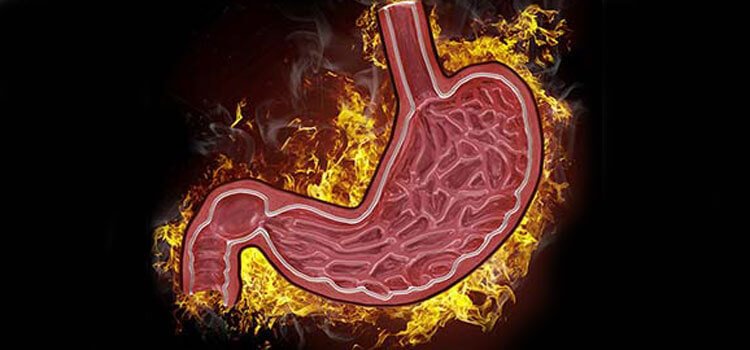
Achalasia cardia illustration showing esophagus and stomach with narrowed lower esophageal sphincter

What Is Achalasia Cardia?

Achalasia cardia is a motility disorder of the esophagus in which:

  • The lower esophageal sphincter (LES) fails to relax properly

  • Normal esophageal muscle movements (peristalsis) are absent

As a result, food gets stuck in the esophagus instead of moving smoothly into the stomach.

Causes of Achalasia Cardia

The exact cause of achalasia cardia is not always known, but it is believed to occur due to daage to the nervesm controlling the esophagus.

Possible causes include:

  • Degeneration of esophageal nerve cells

  • Autoimmune reactions

  • Viral infections

  • Rare genetic factors

In some cases, achalasia may be associated with conditions like Chagas disease (more common in certain regions).

Symptoms of Achalasia Cardia

Symptoms usually develop gradually and worsen over time.

Common symptoms include:

  • Difficulty swallowing (dysphagia) for solids and liquids

  • Regurgitation of undigested food

  • Chest pain or discomfort

  • Heartburn-like symptoms

  • Chronic cough, especially at night

  • Weight loss

  • Aspiration or recurrent respiratory infections

How Is Achalasia Cardia Diagnosed?

Doctors use a combination of tests to confirm the diagnosis:

1. Barium Swallow X-ray

Shows a narrowed lower esophagus with a classic “bird-beak” appearance.

2. Esophageal Manometry

The gold standard test that measures esophageal muscle contractions and LES pressure.

3. Upper GI Endoscopy

  Helps rule out other conditions like esophageal cancer or strictures.

Treatment Options for Achalasia Cardia

There is no permanent cure, but treatments aim to relax the lower esophageal sphincter and improve swallowing.

1. Medications

  • Nitrates

  • Calcium channel blockers
    (Usually provide temporary relief and are less effective)

2. Pneumatic Balloon Dilatation

A balloon is used to stretch the LES. Effective in many patients but may require repeat sessions.

3. Botox Injection

Botulinum toxin is injected into the LES to relax it. Best for elderly or high-risk patients.

4. Surgical Treatment – Heller Myotomy

A minimally invasive surgery where the LES muscle is cut to allow easier passage of food. Often combined with anti-reflux surgery.

5. POEM (Peroral Endoscopic Myotomy)

A newer, advanced endoscopic procedure with excellent results and faster recovery.

Diet and Lifestyle Tips

  • Eat slowly and chew food thoroughly

  • Drink water while eating

  • Avoid eating before bedtime

  • Sleep with head elevated

  • Prefer soft or semi-solid foods if symptoms are severe

Possible Complications

If left untreated, achalasia cardia can lead to:

  • Severe weight loss

  • Aspiration pneumonia

  • Esophageal dilation

  • Increased risk of esophageal cancer (rare but important)

When to See a Doctor

Consult a gastroenterologist if you experience:

  • Persistent difficulty swallowing

  • Regurgitation of food

  • Unexplained weight loss

  • Chest pain not related to the heart

Early diagnosis leads to better outcomes.

Conclusion

Achalasia cardia is a chronic esophageal condition that can significantly affect daily life if untreated. With modern diagnostic tools and advanced treatments like POEM and laparoscopic surgery, most patients can achieve long-term symptom relief. If you or a loved one has ongoing swallowing problems, timely medical evaluation is essential.
Helicobacter Pylori

Helicobacter Pylori: Causes, Symptoms, Diagnosis, and Treatment

Helicobacter pylori (H. pylori) is a widespread bacterial infection that affects the stomach and upper digestive tract. Although many infected individuals remain asymptomatic, untreated H. pylori can cause long-term stomach problems and serious complications. Understanding this infection is key to early detection, effective treatment, and prevention.

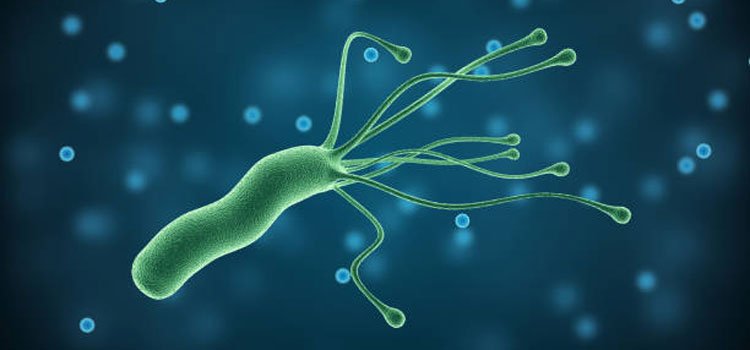
Helicobacter pylori bacteria showing spiral shape and flagella that allow it to survive in the acidic stomach environment

What Is Helicobacter Pylori?

Helicobacter pylori is a spiral-shaped, gram-negative bacterium that colonizes the protective lining of the stomach. It survives in acidic conditions by producing urease, an enzyme that neutralizes stomach acid.

How Common Is H. Pylori?

Causes of H. Pylori Infection

H. pylori spreads mainly through oral-oral or fecal-oral transmission.

Common Ways the Infection Spreads

  • Contaminated food or drinking water

  • Poor hand hygiene

  • Close contact with an infected person (saliva, shared utensils)

  • Unsanitary living conditions

Once inside the body, the bacteria can remain active for years if not treated.

Symptoms of H. Pylori Infection

Many individuals do not experience symptoms. However, when symptoms appear, they may worsen over time.

Common Symptoms

  • Burning or gnawing stomach pain

  • Bloating and frequent burping

  • Nausea or vomiting

  • Loss of appetite

  • Feeling full quickly

Warning Signs That Need Immediate Medical Attention

  • Vomiting blood

  • Black or tarry stools

  • Severe or persistent abdominal pain

  • Sudden unexplained weight loss

Conditions Linked to H. Pylori

If left untreated, H. pylori can damage the stomach lining and lead to serious digestive disorders.

Possible Complications

  • Chronic gastritis

  • Peptic ulcers (stomach or duodenum)

  • Gastrointestinal bleeding

  • Iron-deficiency anemia

  • Increased risk of gastric (stomach) cancer

Early diagnosis greatly reduces the risk of complications.

How Is H. Pylori Diagnosed?

Doctors choose diagnostic tests based on symptoms, age, and medical history.

Common Diagnostic Tests

Non-Invasive Tests

  • Urea breath test (most accurate and widely used)

  • Stool antigen test

  • Blood antibody test (less accurate for active infection)

Invasive Tests

Endoscopy with biopsy (recommended for severe symptoms or complications)

H. Pylori Treatment Options

H. pylori infection is treated using combination therapy, often called eradication therapy.

Standard Treatment Approach

  • Proton pump inhibitors (PPIs) to reduce stomach acid

  • Two or more antibiotics to kill the bacteria

  • Treatment duration: 10–14 days

Importance of Completing Treatment

  • Prevents antibiotic resistance

  • Ensures complete eradication

  • Reduces risk of recurrence

Follow-up testing is often recommended to confirm successful treatment.

Diet Tips During H. Pylori Treatment

Diet alone cannot cure H. pylori, but it can support healing and reduce symptoms.

Foods to Include

  • Fresh fruits and vegetables

  • Whole grains

  • Lean proteins

  • Probiotic foods like yogurt and kefir

Foods to Avoid

  • Spicy and fried foods

  • Alcohol and smoking

  • Excess caffeine

  • Highly processed foods

Can H. Pylori Be Prevented?

While no vaccine currently exists, good hygiene practices can significantly reduce risk.

Prevention Tips

  • Wash hands thoroughly before meals

  • Drink clean, filtered water

  • Eat well-cooked food

  • Avoid sharing utensils in unhygienic environments

When to See a Doctor

Consult a healthcare professional if you have:

  • Persistent indigestion or stomach pain

  • Recurrent ulcers

  • Family history of stomach cancer

  • Symptoms that don’t improve with basic treatment

Early testing and treatment can prevent serious complications.

Final Thoughts

Helicobacter pylori is a common but manageable infection. With proper diagnosis, timely treatment, and lifestyle adjustments, most people recover fully without long-term issues. If you experience ongoing digestive discomfort, don’t ignore it—early medical care makes a big difference.

Acid Peptic Disease

Acid Peptic Disease: Symptoms, Causes, Diagnosis, and Treatment

Introduction to Acid-Related Stomach Disorders

Acid peptic disease (APD) is a common digestive disorder caused by excess stomach acid damaging the lining of the stomach or the first part of the small intestine (duodenum). It includes conditions such as gastritis, gastric ulcers, and duodenal ulcers. With timely diagnosis and proper treatment, these conditions can be effectively managed and complications can be prevented.

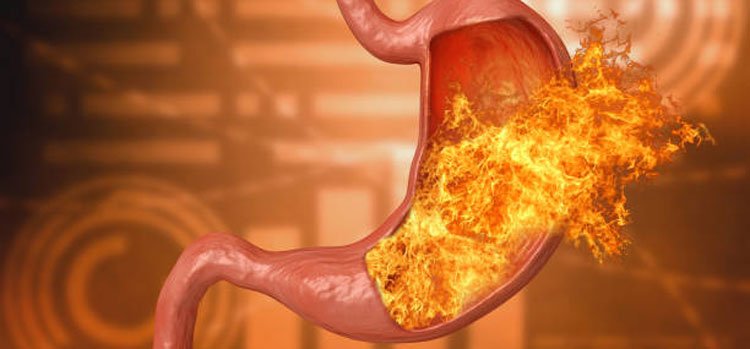
Illustration showing stomach acid causing burning sensation inside the stomach, representing acid reflux and gastritis

What Is This Condition?

The term refers to a group of gastrointestinal issues in which gastric acid and pepsin cause injury to the digestive lining. Normally, the tract has protective mechanisms to withstand acid. However, when these defenses weaken or acid production increases, ulcers and inflammation can develop.

Causes of Acid Peptic Disease

Helicobacter pylori Infection: A common bacterial cause of ulcers.

Excess Stomach Acid Production: Often triggered by physiological factors.

Long-Term Use of Painkillers (NSAIDs): Medications like aspirin or ibuprofen.

Lifestyle Factors: Smoking and alcohol consumption.

Other Triggers: Stress, diet, and genetic factors

Symptoms of Acid Peptic Disease

Common Symptoms

  • Burning or gnawing pain in the upper abdomen

  • Acidity or heartburn

  • Bloating and fullness

  • Nausea or vomiting

  • Loss of appetite

Severe or Alarm Symptoms

  • Vomiting blood

  • Black or tarry stools

  • Unexplained weight loss

  • Persistent vomiting

  • Severe abdominal pain

If alarm symptoms appear, immediate medical attention is required.


Types of Acid Peptic Disease

1. Gastritis

Inflammation of the stomach lining that may be acute or chronic.

2. Gastric Ulcer

An open sore that develops in the stomach lining.


3. Duodenal Ulcer

An ulcer occurring in the duodenum, often causing pain that improves after eating.

Diagnosis of Acid Peptic Disease

Doctors use a combination of clinical evaluation and tests to diagnose acid-related digestive disorders.

Upper GI Endoscopy

H. pylori Testing

Blood and Stool Tests

Imaging Studies (Selected Cases)

Treatment of Acid Peptic Disease

Treatment focuses on reducing acid, healing ulcers, and eliminating underlying causes.

1. Medications

  • Proton pump inhibitors (PPIs) – reduce acid production

  • H2 receptor blockers

  • Antacids for symptom relief

  • Antibiotics for H. pylori eradication

  • Protective agents like sucralfate

2. Lifestyle Modifications

  • Quit smoking

  • Avoid alcohol

  • Eat smaller, frequent meals

  • Avoid spicy, oily, and acidic foods

  • Manage stress effectively

3. Surgical Treatment (Rare)

Surgery may be required in cases of uncontrolled bleeding, perforation, or obstruction.

Diet for Acid Peptic Disease

A balanced diet supports healing and symptom control.

Foods to Eat

  • Rice, oats, and whole grains

  • Boiled vegetables

  • Low-fat dairy products

  • Lean proteins

  • Fruits like bananas and apples

Foods to Avoid

  • Spicy foods

  • Fried or fatty foods

  • Caffeine

  • Carbonated drinks

  • Citrus fruits (if they worsen symptoms)

Complications of Acid Peptic Disease

Untreated APD can lead to serious complications:

  • Gastrointestinal bleeding

  • Stomach or duodenal perforation

  • Gastric outlet obstruction

  • Increased risk of stomach cancer (with chronic H. pylori infection)

Prevention of Acid Peptic Disease

  • Treat H. pylori infection early

  • Use painkillers cautiously

  • Avoid smoking and alcohol

  • Maintain a healthy diet

  • Reduce stress

  • Follow medical advice for acid-related symptoms

Conclusion

Acid peptic disease is a common but highly treatable digestive condition. Early diagnosis, appropriate medication, and lifestyle modifications play a key role in healing and preventing complications. If you experience persistent acidity, abdominal pain, or warning symptoms, consult a gastroenterologist for proper evaluation and treatment.

Timely care ensures relief, healing, and long-term digestive health

Frequently Asked Questions (FAQs)

1 Is acid peptic disease curable?

Yes, most cases are curable with proper treatment.

2 How long does treatment take?

Usually 4–8 weeks.

3 Can acid peptic disease recur?

Yes, especially if H. pylori is not eradicated.

Colonoscopy: A Complete Guide to Procedure, Preparation, Benefits, and Recovery

Colonoscopy: A Complete Guide to Procedure, Preparation, Benefits, and Recovery

Introduction

A colonoscopy is a safe and effective medical procedure used to examine the inner lining of the large intestine (colon and rectum). It plays a crucial role in detecting colorectal diseases, including polyps, inflammation, and colon cancer at an early stage. With colorectal cancer being one of the most preventable cancers when detected early, colonoscopy remains the gold standard screening test.

This comprehensive guide explains what a colonoscopy is, why it is performed, how to prepare for it, what happens during the procedure, and what to expect after recovery.


What Is a Colonoscopy?

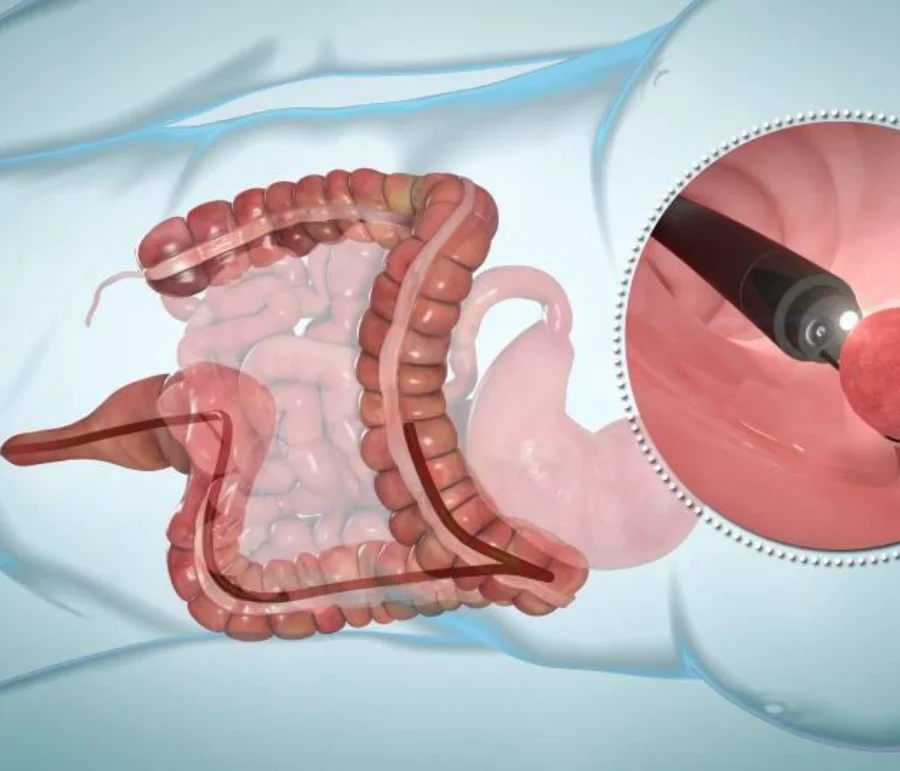
A colonoscopy is a diagnostic and preventive procedure in which a gastroenterologist uses a long, flexible tube called a colonoscope to view the inside of the colon. The colonoscope has a camera and light at its tip, allowing doctors to identify abnormalities.

During the procedure, doctors can:

  • Detect colon polyps
  • Diagnose inflammatory bowel disease
  • Identify sources of bleeding
  • Remove polyps
  • Take biopsies for further testing

Why Is a Colonoscopy Important?

Colonoscopy is vital for both diagnosis and prevention.

Key Benefits of Colonoscopy

  • Early detection of colorectal cancer
  • Removal of precancerous polyps
  • Accurate diagnosis of digestive symptoms
  • Reduced risk of advanced colon disease
  • Life-saving preventive care

Most medical organizations recommend regular screening starting at age 45, or earlier for high-risk individuals.


Who Needs a Colonoscopy?

You may need a colonoscopy if you experience:

  • Persistent abdominal pain
  • Chronic diarrhea or constipation
  • Blood in stool
  • Unexplained weight loss
  • Iron-deficiency anemia
  • Family history of colon cancer

People with inflammatory bowel disease or genetic risk factors may require more frequent screening.


Colonoscopy Preparation

Proper preparation is essential for a successful colonoscopy.

Diet Before Colonoscopy

  • Follow a low-fiber diet 2–3 days before
  • Avoid seeds, nuts, and whole grains
  • Switch to clear liquids the day before

Bowel Preparation

  • Take prescribed laxatives as instructed
  • Drink plenty of fluids
  • Complete bowel cleansing ensures clear visibility

Poor preparation may require the procedure to be repeated.


What Happens During a Colonoscopy?

The procedure usually lasts 30–60 minutes.

Step-by-Step Process

  1. Sedation is given for comfort
  2. The colonoscope is gently inserted
  3. Air or CO₂ is introduced to expand the colon
  4. The doctor examines the lining
  5. Polyps or tissue samples may be removed

Patients usually feel minimal discomfort due to sedation.


Is Colonoscopy Painful?

Most patients do not feel pain during a colonoscopy due to sedation. Some may experience mild cramping or bloating afterward, which resolves within a few hours.


Risks and Safety of Colonoscopy

Colonoscopy is generally very safe.

Possible Risks (Rare)

  • Bleeding after polyp removal
  • Colon perforation
  • Reaction to sedation
  • Infection

The benefits far outweigh the risks when performed by trained specialists.


Recovery After Colonoscopy

Recovery is usually quick and uncomplicated.

Post-Procedure Care

  • Rest for the remainder of the day
  • Avoid driving for 24 hours
  • Start with light meals
  • Drink plenty of fluids

Most patients resume normal activities the next day.


Colonoscopy Results and Follow-Up

Results may be discussed immediately or during a follow-up visit.

Possible Findings

  • Normal colon
  • Polyps (removed during procedure)
  • Inflammation
  • Cancerous or precancerous changes

Biopsy results typically take a few days.


How Often Should You Get a Colonoscopy?

Screening frequency depends on risk factors and findings.

  • Every 10 years for average-risk individuals
  • Every 3–5 years if polyps are found
  • More frequent if high-risk conditions exist

Your doctor will recommend the best schedule.


FAQs About Colonoscopy

Is colonoscopy safe?

Yes, it is one of the safest and most effective screening tests.

Can colon cancer be prevented with colonoscopy?

Yes. Removing polyps prevents them from turning into cancer.

How long does a colonoscopy take?

Typically 30–60 minutes.

Can I eat after colonoscopy?

Yes. Start with light foods and return to a normal diet gradually.


Conclusion

A colonoscopy is a vital tool in maintaining digestive health and preventing colorectal cancer. While the preparation may seem inconvenient, the benefits of early detection and prevention are life-saving.

If you are due for screening or experiencing digestive symptoms, consult a qualified healthcare provider to determine whether a colonoscopy is right for you. Early screening saves lives and ensures long-term digestive health.

Treatment After Endoscopy: Complete Recovery Guide for Patients

Treatment After Endoscopy: Complete Recovery Guide for Patients

Introduction

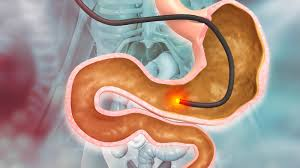
An endoscopy is a commonly performed medical procedure that allows doctors to examine the inside of the digestive tract using a thin, flexible tube with a camera. While the procedure itself is usually quick and safe, proper treatment and care after endoscopy are essential for smooth recovery and to avoid complications.

Many patients feel uncertain about what to eat, what symptoms are normal, and when to resume daily activities after an endoscopy. This comprehensive guide explains everything you need to know about post-endoscopy treatment, recovery tips, possible side effects, and when to seek medical attention.


What Happens After an Endoscopy?

After the procedure, patients are typically moved to a recovery area where they are monitored until the sedative wears off. Mild discomfort is common, but serious complications are rare.

Common immediate effects include:

  • Drowsiness due to sedation
  • Mild sore throat (after upper endoscopy)
  • Bloating or gas
  • Mild cramping

These symptoms usually resolve within a few hours to a day.


Post-Endoscopy Treatment and Care

Treatment after endoscopy mainly focuses on symptom relief, dietary care, rest, and medication adherence.


1. Rest and Activity After Endoscopy

Sedatives used during endoscopy can affect coordination and judgment for several hours.

Recommended Care

  • Rest for the remainder of the day
  • Avoid driving or operating machinery for 24 hours
  • Avoid alcohol for at least 24 hours
  • Resume normal activities the next day unless advised otherwise

Adequate rest allows your body to recover efficiently.


2. Diet After Endoscopy

Diet plays a crucial role in recovery after an endoscopy.

Immediately After the Procedure

  • Start with small sips of water
  • Avoid hot drinks until throat numbness fades
  • Progress to light foods if no nausea occurs

Foods to Eat

  • Soft foods (porridge, yogurt, mashed potatoes)
  • Clear soups
  • Boiled vegetables
  • Plain rice or toast

Foods to Avoid

  • Spicy or oily foods
  • Alcohol
  • Carbonated drinks
  • Hard or crunchy foods
  • Very hot beverages

A gentle diet helps prevent irritation of the digestive tract.


3. Medications After Endoscopy

Your doctor may prescribe medications depending on the findings of the procedure.

Common Medications

  • Acid reducers (PPIs or antacids)
  • Antibiotics (if infection is detected)
  • Pain relievers (avoid NSAIDs unless approved)

Important Tips

  • Take medications exactly as prescribed
  • Do not self-medicate
  • Inform your doctor if you experience side effects

If biopsies were taken, medication compliance becomes even more important.


4. Managing Common Side Effects

Most side effects after endoscopy are mild and temporary.

Sore Throat

  • Gargle with warm salt water
  • Drink warm fluids
  • Use throat lozenges

Bloating and Gas

  • Walk slowly to help release trapped gas
  • Avoid fizzy drinks
  • Eat light meals

Mild Pain or Discomfort

  • Rest
  • Use prescribed pain medication only

Symptoms usually improve within 24–48 hours.


5. Treatment After Endoscopy With Biopsy

If a biopsy was performed, additional care may be required.

Special Instructions

  • Avoid heavy lifting for 24 hours
  • Eat soft foods for 1–2 days
  • Monitor for bleeding

Normal vs Abnormal Symptoms

  • Normal: mild discomfort, small traces of blood
  • Abnormal: heavy bleeding, black stools, severe pain

Always follow your doctor’s biopsy-specific instructions.


6. Signs of Complications: When to See a Doctor

Although rare, complications can occur and require immediate medical attention.

Seek Medical Help If You Experience

  • Severe or persistent abdominal pain
  • Fever or chills
  • Difficulty swallowing
  • Vomiting blood
  • Black or tarry stools
  • Chest pain or shortness of breath

Early detection of complications ensures timely treatment.


7. Follow-Up Appointments and Test Results

Follow-up care is an important part of treatment after endoscopy.

Why Follow-Up Matters

  • Review biopsy or test results
  • Adjust medications
  • Plan further treatment if needed

Biopsy results usually take a few days to a week. Do not skip follow-up visits even if you feel fine.


8. Lifestyle Changes After Endoscopy

Depending on your diagnosis, your doctor may recommend lifestyle changes.

Common Recommendations

  • Avoid smoking
  • Reduce alcohol consumption
  • Eat smaller, frequent meals
  • Manage stress
  • Maintain a healthy weight

These changes help improve digestive health and prevent future issues.


9. Recovery Timeline After Endoscopy

Most patients recover quickly.

  • Same day: drowsiness, mild discomfort
  • 24 hours: resume normal diet and activities
  • 48 hours: most symptoms resolved
  • 1 week: biopsy sites fully healed

Recovery may vary depending on individual health and procedure type.


Frequently Asked Questions (FAQs)

Is pain normal after endoscopy?

Mild discomfort is normal. Severe pain is not and should be reported.

Can I eat normally after endoscopy?

Yes, but start with light foods and gradually return to a normal diet.

How long does sedation last?

Sedation effects can last up to 24 hours.

Is bleeding normal after endoscopy?

Small amounts may be normal, especially after biopsy. Heavy bleeding is not.


Conclusion

Proper treatment after endoscopy ensures a smooth and safe recovery. By resting, following dietary guidelines, taking prescribed medications, and monitoring symptoms, most patients recover quickly without complications.

Always follow your doctor’s post-procedure instructions and attend follow-up appointments. If you experience unusual symptoms, seek medical care promptly. With the right post-endoscopy care, you can return to normal life confidently and comfortably.


Just tell me what you’d like next 👌

Coeliac disease

Understanding Coeliac Disease: Causes, Symptoms, and Treatment

Coeliac disease is a serious autoimmune condition in which the body’s immune system reacts abnormally to gluten, a protein found in wheat, barley, and rye. This reaction damages the lining of the small intestine, leading to poor absorption of essential nutrients. Often underdiagnosed, this gluten-related disorder can affect people of all ages and may cause a wide range of digestive and non-digestive symptoms if left untreated.

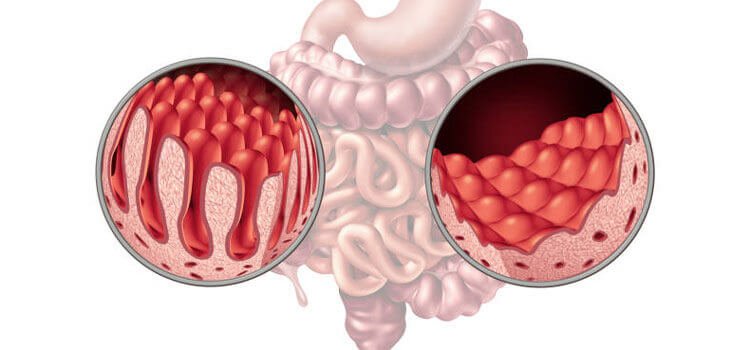
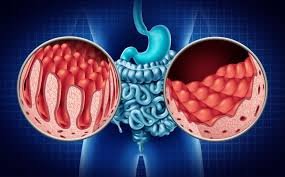
Medical illustration comparing healthy small intestine lining with finger-like villi to the flattened, blunted villi characteristic of coeliac disease.

What is Coeliac Disease?

Coeliac disease is an autoimmune condition in which the immune system reacts abnormally to gluten, a protein found in wheat, barley, and rye. This immune response damages the lining of the small intestine, leading to poor absorption of essential nutrients. It can affect people of all ages and is often underdiagnosed because symptoms vary widely from person to person.

Causes of This Condition

This disorder develops when genetic susceptibility combines with an abnormal immune response to gluten. Understanding the causes helps identify people who may be at higher risk.

1. Genetic Factors

The condition often runs in families. Individuals carrying HLA-DQ2 or HLA-DQ8 genes are more likely to develop it. Having a first-degree relative with the disorder increases risk.

2. Immune System Malfunction

When gluten is consumed, the immune system mistakenly treats it as harmful. This reaction damages the intestinal villi, reducing the body’s ability to absorb nutrients properly.

3. Environmental Triggers

Certain external factors may trigger symptoms in genetically predisposed individuals, including:

  • Viral or bacterial infections

  • Changes in gut microbiota

  • Severe physical or emotional stress

  • Early gluten exposure in infancy (rare cases)

4. Other Risk Factors

People with Type 1 diabetes, autoimmune thyroid disorders, or Down syndrome have a higher likelihood of developing this condition.

Note: Risk factors increase susceptibility but do not guarantee disease development.

Symptoms You Should Not Ignore

Symptoms vary and may affect the digestive system as well as other parts of the body. Common signs include:

  • Persistent diarrhea or constipation

  • Bloating and abdominal discomfort

  • Unexplained weight loss

  • Chronic fatigue

  • Iron-deficiency anemia

  • Itchy skin rashes

  • Bone or joint pain

  • Delayed growth in children

Some individuals may have minimal digestive symptoms yet still experience vitamin and mineral deficiencies.

How Is It Diagnosed?

Diagnosis usually involves a combination of tests:

  • Blood tests to detect antibodies such as anti-tTG or EMA

  • Endoscopy with biopsy to assess damage to the intestinal lining

  • Genetic testing to check for HLA-DQ2 or HLA-DQ8 genes

⚠️ Important: Do not eliminate gluten from your diet before testing, as it may lead to inaccurate results.

Treatment and Management Options

Although there is no permanent cure, the condition can be effectively controlled with proper care.

  • Strict gluten-free diet: Complete avoidance of wheat, barley, and rye

  • Nutritional supplements: To correct vitamin and mineral deficiencies

  • Regular follow-ups: Monitoring recovery and nutritional status

With consistent dietary management, most individuals experience significant symptom relief and intestinal healing.

Living a Healthy Life

Managing this condition requires lifestyle awareness in addition to diet changes:

  • Read ingredient labels carefully

  • Prevent cross-contamination in kitchens

  • Inform family and friends about dietary needs

  • Join support groups for guidance and encouragement

Conclusion

This autoimmune digestive disorder can have serious health consequences if left untreated. However, early diagnosis and long-term dietary management allow most people to live healthy, active lives. Anyone experiencing persistent digestive or unexplained symptoms should seek medical evaluation.

FAQs on Coeliac Disease

Q1: Can this condition start in adulthood?

Yes, symptoms may appear at any age, even if gluten was previously tolerated.

Q2: Is a gluten-free diet suitable for everyone?

It is essential for diagnosed individuals but not recommended for those without medical need.

Q3: How long does intestinal healing take?

Improvement often begins within months, while full recovery may take up to two years.

 Gastric Cancer

Gastric Cancer (Stomach Cancer): Symptoms, Causes, Diagnosis & Treatment

Introduction

Gastric cancer, also known as stomach cancer, develops when abnormal cells grow uncontrollably in the lining of the stomach. In India, including cities like Hyderabad, the number of cases is increasing due to lifestyle changes, dietary habits, and delayed diagnosis. Although its incidence has declined in some regions, this disease remains one of the leading causes of cancer-related deaths worldwide.

Early detection plays a crucial role in improving survival rates. However, many patients in Hyderabad and nearby areas seek medical help only at advanced stages because early symptoms are often mild and easily ignored.

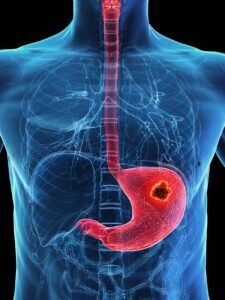
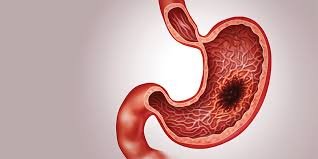
Gastric cancer tumor in the stomach

What Is Stomach Cancer?

This condition begins in the inner lining of the stomach and may spread to deeper layers over time. The most common type is adenocarcinoma, which accounts for nearly 90% of cases. Other rare forms include lymphoma, gastrointestinal stromal tumors (GIST), and neuroendocrine tumors.

Early Symptoms

In the early stages, stomach tumors may not cause noticeable symptoms. When symptoms appear, they are often mistaken for common digestive problems.

Common Early Symptoms

  • Indigestion or heartburn

  • Bloating after meals

  • Mild nausea

  • Loss of appetite

  • Unexplained weight loss

Advanced Symptoms

  • Difficulty swallowing

  • Persistent vomiting (sometimes with blood)

  • Black or tarry stools

  • Fatigue due to anemia

If these symptoms persist for more than two weeks, medical evaluation is essential.
Causes and Risk Factors

There is no single cause, but several factors increase the risk.

Common Risk Factors

  • Helicobacter pylori (H. pylori) infection

  • Smoking and tobacco use

  • Excessive alcohol consumption

  • Diet high in salty, smoked, or processed foods

  • Family history of stomach malignancy

  • Chronic gastritis

  • Obesity

  • Age above 50 years

Diagnosis

Doctors may recommend the following tests to confirm the condition:

  • Upper endoscopy – to examine the stomach lining

  • Biopsy – to confirm the presence of cancer cells

  • CT scan or PET scan – to detect spread

  • Endoscopic ultrasound (EUS) – to assess tumor depth

  • Blood tests – to check anemia and overall health

Stages

The disease is staged from Stage 0 to Stage IV, depending on how deeply it has invaded and whether it has spread.

  • Stage 0: Cancer limited to the inner lining

  • Stage I–II: Spread to deeper layers or nearby lymph nodes

  • Stage III: Extensive lymph node involvement

  • Stage IV: Spread to distant organs such as the liver or lungs

Treatment Options

Treatment depends on the stage, tumor location, and the patient’s overall health.

1. Surgery

Surgical removal of part or all of the stomach (gastrectomy) is the most effective treatment for early-stage disease.

2. Chemotherapy

Chemotherapy uses anti-cancer drugs to destroy abnormal cells and may be given before or after surgery.

3. Radiation Therapy

Radiation uses high-energy rays to destroy malignant cells, often combined with chemotherapy.

4. Targeted Therapy

Targeted drugs attack specific tumor markers, improving treatment precision and reducing side effects.

5. Immunotherapy

Immunotherapy helps the body’s immune system recognize and fight cancer cells more effectively.

Prevention

Although not all cases are preventable, the risk can be reduced by:

  • Treating H. pylori infection early

  • Eating a balanced diet rich in fruits and vegetables

  • Avoiding smoking and excessive alcohol consumption

  • Maintaining a healthy weight

  • Regular medical check-ups for high-risk individuals

When to See a Doctor

If you live in Hyderabad or surrounding areas and experience persistent indigestion, unexplained weight loss, stomach pain, or difficulty swallowing, consult an experienced gastroenterologist or oncologist immediately. Early diagnosis at a well-equipped hospital or gastro clinic in Hyderabad can significantly improve treatment outcomes.

Conclusion

This is a serious condition, but early detection and modern treatment options available in Hyderabad have significantly improved patient outcomes. Awareness of symptoms, risk factors, and timely consultation with a specialist can make a critical difference. Do not delay seeking expert care—early action saves lives.

FAQs About Stomach Cancer

Q1. Is gastric cancer curable?

Yes, it is highly treatable and often curable when detected early.

Q2. What is the survival rate for stomach cancer?

Survival rates depend on the stage at diagnosis. Early-stage disease has a much higher survival rate.

Q3. Can gastric cancer be prevented?

While it cannot always be prevented, lifestyle changes and early treatment of H. pylori infection can significantly reduce the risk.

Best Gastroenterologist in Pragathi Nagar

Best Gastroenterologist in Pragathi Nagar | Hyderabad

Digestive and liver disorders require timely diagnosis and expert medical care. Therefore, if you are searching for the best gastroenterologist in Pragathi Nagar, Hyderabad, you are in the right place. Over the years, Pragathi Nagar has emerged as a trusted medical hub, offering access to experienced gastro specialists and advanced digestive care.

Moreover, patients can find expert treatment for conditions related to the stomach, intestines, liver, pancreas, and overall digestive system. As a result, many people from nearby areas prefer consulting specialists in this locality.

Best gastro liver care doctor in Pragathi Nagar, Hyderabad – Dr. Rahul Dubbaka, Senior Gastroenterologist

Best gastro liver care doctor in Pragathi Nagar, Hyderabad – Dr Rahul Dubbaka, senior gastroenterologist

Why Choose a Gastroenterologist in Pragathi Nagar?

Pragathi Nagar is well-connected to Kukatpally, Nizampet, Bachupally, and Miyapur. Therefore, it is a convenient location for quality healthcare. In addition, gastro clinics in this area are known for their modern facilities and patient-friendly approach.

Key benefits include:

  • Experienced and qualified gastroenterologists

  • Advanced diagnostic facilities such as endoscopy and colonoscopy

  • Affordable consultation with a patient-centric approach

  • Easy appointment scheduling and regular follow-ups

Dr. Rahul Gastro Liver Care – A Trusted Name

Among the top choices, Dr. Rahul Gastro Liver Care is widely regarded as one of the best gastroenterology clinics in Pragathi Nagar. Furthermore, the clinic is known for accurate diagnosis and personalized care.

Services Offered:

  • Acid reflux (GERD), gastritis, and stomach ulcers

  • Liver diseases such as fatty liver, hepatitis, and cirrhosis

  • IBS, IBD, constipation, and chronic diarrhea

  • Pancreatic and gallbladder disorders

  • Advanced endoscopy and colonoscopy procedures

Why Patients Trust Dr. Rahul:

Patients choose Dr. Rahul Gastro Liver Care because of:

  • Accurate diagnosis using modern technology

  • Personalized treatment plans for every patient

  • Clear explanation of health conditions and treatment options

  • Excellent patient reviews and ratings

As a result, the clinic has earned a strong reputation in Pragathi Nagar and nearby areas.

Common Conditions Treated by Gastroenterologists

A gastroenterologist in Pragathi Nagar can effectively manage:

  • Abdominal pain and bloating

  • Acid reflux and heartburn

  • Liver enzyme abnormalities

  • Blood in stools

  • Chronic digestive issues

  • Jaundice and fatty liver disease

Therefore, early consultation helps prevent complications and improves recovery outcomes.

How to Choose the Best Gastroenterologist in Pragathi Nagar?

Before selecting a specialist, you should consider the following factors:

  • Doctor’s experience and area of specialization

  • Patient reviews and treatment success rate

  • Availability of diagnostic facilities

  • Clinic location and accessibility

  • Transparency in consultation and treatment plans

When Should You See a Gastro Specialist?

You should consult a gastroenterologist if you experience:

  • Persistent stomach pain

  • Frequent acidity or indigestion

  • Unexplained weight loss

  • Long-term constipation or diarrhea

  • Liver-related symptoms such as jaundice

Ignoring digestive symptoms can, however, lead to serious health complications.

Conclusion

In conclusion, if you are looking for the best gastroenterologist in Pragathi Nagar, Hyderabad, choosing a trusted specialist like Dr. Rahul Gastro Liver Care ensures expert diagnosis, advanced treatment, and compassionate care. Moreover, with modern facilities and a patient-first approach, Pragathi Nagar continues to be a reliable destination for gastro and liver health.

📍 Location: Pragathi Nagar, Hyderabad
📞 For appointments: Consult your nearby gastro clinic today

FAQ:

Who is the best gastroenterologist in Pragathi Nagar, Hyderabad?

Dr. Rahul from Dr. Rahul Gastro Liver Care is considered one of the best gastroenterologists in Pragathi Nagar due to his experience, accurate diagnosis, and patient-focused treatment.

What diseases are treated by a gastroenterologist?

A gastroenterologist treats digestive system conditions such as acidity, gastritis, GERD, IBS, liver diseases, fatty liver, hepatitis, ulcers, pancreatitis, gallbladder problems, and intestinal disorders.

Is endoscopy available in Pragathi Nagar?

Yes, advanced diagnostic procedures like endoscopy and colonoscopy are available at leading gastro clinics in Pragathi Nagar, including Dr. Rahul Gastro Liver Care.

Can liver problems be treated by a gastroenterologist?

Yes, gastroenterologists specialize in diagnosing and treating liver conditions such as fatty liver disease, hepatitis, cirrhosis, jaundice, and abnormal liver enzyme levels.

How do I book an appointment with a gastroenterologist in Pragathi Nagar?

Appointments can be booked by visiting the clinic, calling the hospital reception, or using online medical platforms.

Best Gastric Problems

Best Solutions for Gastric Problems: Causes, Symptoms, and Remedies

Gastric problems are among the most common digestive issues affecting people worldwide. From occasional bloating to chronic acidity and indigestion, gastric discomfort can significantly affect daily life. Understanding the causes, identifying the symptoms, and adopting effective remedies can help manage gastric problems efficiently. This article explores the best strategies for preventing and treating gastric issues.

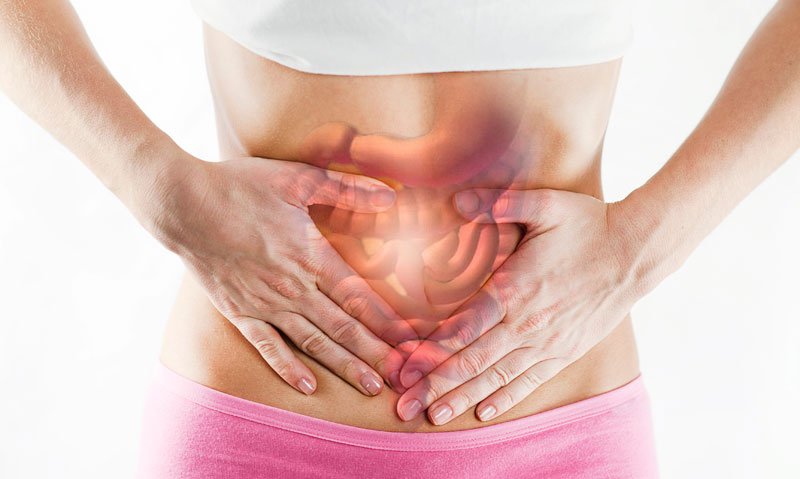
Person holding stomach in pain with a digital overlay of the human digestive system showing inflammation.

Understanding Gastric Problems

Gastric problems, often referred to as dyspepsia or indigestion, occur when the digestive system is unable to process food efficiently. These issues can range from mild discomfort to severe pain, depending on the underlying cause. Some of the common gastric problems include:

  • Acidity or Acid Reflux: When stomach acid flows back into the esophagus, causing a burning sensation.

  • Indigestion: Difficulty in digesting food, often accompanied by bloating and nausea.

  • Gastritis: Inflammation of the stomach lining.

  • Flatulence: Excessive gas in the digestive tract.

  • Constipation and Irregular Bowel Movements: Slow digestion leading to hard stools.

Common Causes of Gastric Problems

Gastric issues can arise from multiple factors, including lifestyle habits, dietary choices, and underlying medical conditions. The most common causes include:

  1. Unhealthy Eating Habits: Consuming fried, spicy, or processed foods regularly can irritate the stomach.

  2. Overeating: Eating large meals puts extra pressure on the digestive system.

  3. Stress and Anxiety: Emotional stress can trigger excessive acid production.

  4. Lack of Physical Activity: A sedentary lifestyle can slow down digestion.

  5. Medications: Prolonged use of painkillers, antibiotics, or other medications can cause gastric irritation.

  6. Medical Conditions: Conditions like ulcers, H. pylori infection, or irritable bowel syndrome (IBS) may lead to chronic gastric problems.

Symptoms of Gastric Problems

Recognizing the symptoms early can help in timely management. Common signs of gastric problems include:

  • Stomach bloating

  • Excessive burping or gas

  • Burning sensation in the chest or stomach

  • Nausea or vomiting

  • Feeling full quickly after meals

  • Acid reflux or heartburn

  • Irregular bowel movements

If these symptoms persist, consulting a healthcare professional is recommended.

Best Dietary Solutions for Gastric Problems

Diet plays a crucial role in managing gastric discomfort. Some of the best dietary practices include:

1. Eat Smaller, Frequent Meals

Instead of three large meals, consume 5-6 small meals throughout the day. This reduces the workload on the stomach and helps prevent acid reflux.

2. Include Fiber-Rich Foods

Foods high in fiber, such as fruits, vegetables, oats, and whole grains, aid digestion and prevent constipation, a common cause of gastric discomfort.

3. Avoid Spicy and Fatty Foods

Spicy, oily, and fried foods can irritate the stomach lining. Limiting their intake helps reduce acidity and bloating.

4. Stay Hydrated

Drinking adequate water helps in smooth digestion and prevents constipation. Warm water, herbal teas, or lemon water can also soothe the stomach.

5. Limit Caffeine and Carbonated Drinks

Coffee, tea, and fizzy drinks can increase stomach acid and cause bloating. Reducing their intake can significantly improve gastric health.

6. Probiotics and Fermented Foods

Foods like yogurt, kefir, and fermented vegetables support healthy gut bacteria, improving digestion and reducing gastric issues.

Lifestyle Changes to Reduce Gastric Problems

Apart from dietary adjustments, lifestyle habits play a major role in managing gastric issues:

  • Exercise Regularly: Physical activity stimulates digestion and reduces stress.

  • Avoid Lying Down Immediately After Meals: Wait at least 2-3 hours after eating to prevent acid reflux.

  • Manage Stress: Practice meditation, yoga, or deep-breathing exercises to reduce stress-induced gastric problems.

  • Quit Smoking and Limit Alcohol: Both smoking and alcohol increase stomach acid production and worsen gastric discomfort.

  • Maintain Healthy Weight: Excess weight increases pressure on the stomach, causing acid reflux and bloating.

Home Remedies for Gastric Problems

Several natural remedies can help ease gastric discomfort:

  1. Ginger: Known for its anti-inflammatory properties, ginger can reduce nausea and improve digestion.

  2. Fennel Seeds: Chewing fennel seeds or drinking fennel tea helps relieve bloating and gas.

  3. Mint: Peppermint has soothing properties that calm the stomach muscles and improve digestion.

  4. Aloe Vera Juice: Helps reduce inflammation in the stomach lining and promotes healing.

  5. Carom Seeds (Ajwain): Effective for indigestion, acidity, and bloating.

When to See a Doctor

While most gastric problems are mild and manageable at home, some symptoms require medical attention:

  • Severe or persistent stomach pain

  • Unexplained weight loss

  • Vomiting blood or black stools

  • Difficulty swallowing

  • Chronic acid reflux or gastritis

Early diagnosis and treatment prevent complications and ensure better digestive health.

Conclusion

Gastric problems are common but manageable with the right combination of diet, lifestyle changes, and natural remedies. Small, consistent changes—like eating smaller meals, reducing spicy foods, staying hydrated, and managing stress—can significantly improve digestive health. Home remedies like ginger, fennel, and aloe vera provide additional relief. However, persistent or severe symptoms should never be ignored and require professional consultation. Prioritizing digestive health not only prevents gastric problems but also enhances overall well-being.

Top Gastroenterologists and GI Surgeons for Trusted Digestive and Liver Care

Best Gastroenterologists & GI Surgeons in Hyderabad

Finding the best gastroenterologists and GI surgeons in Hyderabad is crucial for accurate diagnosis and effective treatment of digestive and liver disorders. Hyderabad is home to many highly qualified specialists who provide advanced care for conditions affecting the stomach, intestines, liver, pancreas, and biliary system. Patients from across Telangana often choose Hyderabad for expert gastro and liver care.

Top Gastroenterologists in Hyderabad for Digestive & Liver Care

The best gastroenterologists in Hyderabad provide personalized care for digestive and liver conditions. They combine advanced diagnostic tools with compassionate treatment, ensuring faster recovery and improved outcomes.

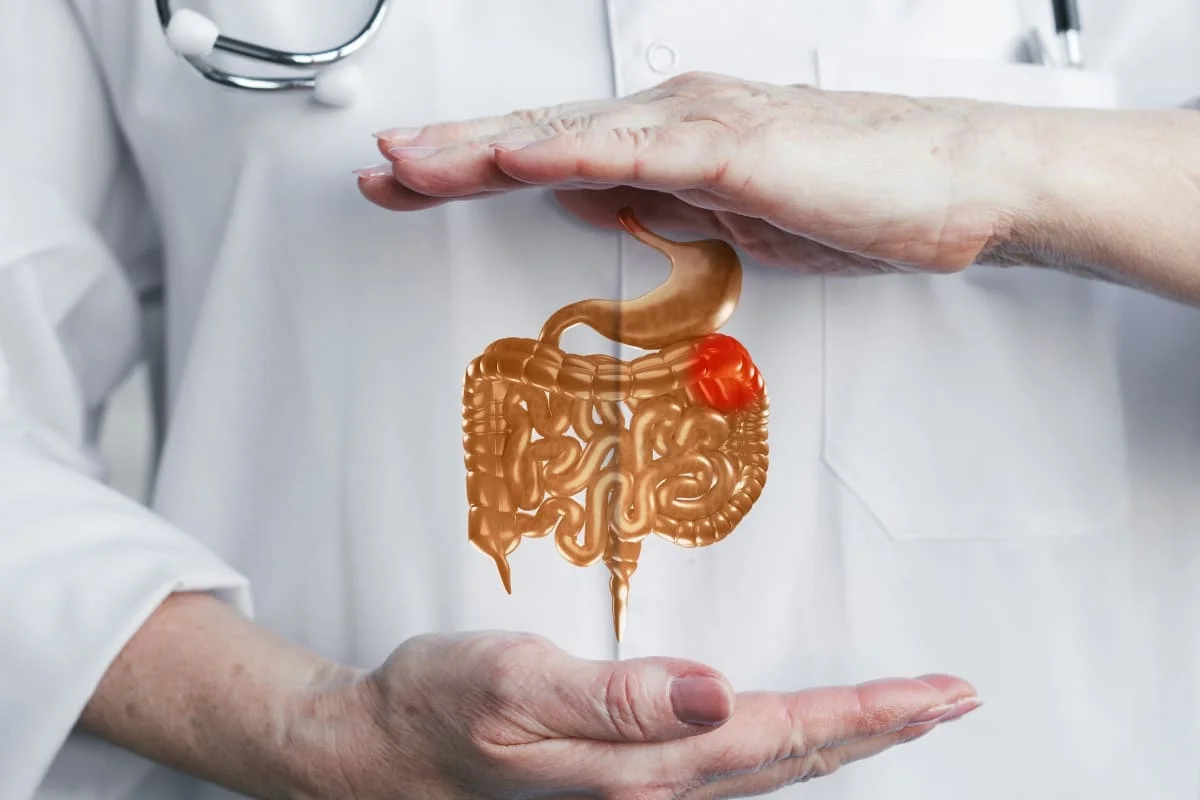
"Experienced gastroenterologists and GI surgeons providing trusted digestive and liver care in a modern hospital setting.

Dr. Rahul Dubbaka – Expert Gastroenterologist in Hyderabad

Dr. Rahul Dubbaka has over 15 years of experience managing acid reflux, gastritis, ulcers, IBS, IBD, and liver diseases. He performs advanced endoscopic procedures, including upper GI endoscopy and colonoscopy. Dr. Dubbaka’s holistic approach combines medical treatment with lifestyle and dietary guidance. Patients appreciate his clear communication and personalized care.

Dr. Rohan P. Reddy – Top Gastroenterologist & Hepatologist in Hyderabad

Dr. Rohan P. Reddy specializes in liver diseases such as hepatitis, fatty liver, and cirrhosis. He emphasizes preventive care, early intervention, and patient education. His clinic uses modern diagnostic tools to ensure precise evaluations. Patients value his stress-free approach and evidence-based treatment plans.

Dr. G. Parthasarathy – Best Gastroenterologist in Hyderabad for Hernia & Gallbladder Care

Dr. G. Parthasarathy focuses on minimally invasive procedures for hernia, gallbladder, and general digestive disorders. He develops personalized treatment plans combining surgery, medical therapy, and lifestyle adjustments. Patients trust his thorough evaluations and patient-friendly communication.

Dr. Govind Verma – Experienced Gastroenterologist & Hepatologist in Hyderabad

Dr. Govind Verma manages chronic digestive and liver conditions like IBS, IBD, and cirrhosis. He emphasizes patient-centered care, preventive guidance, and long-term health outcomes. Patients appreciate his holistic approach and practical treatment strategies.

Dr. Abdul Khaliq – Popular Gastroenterologist in Hyderabad

Dr. Abdul Khaliq treats acid reflux, IBS, IBD, and liver disorders with over 10 years of experience. He combines medical therapy with lifestyle recommendations for better outcomes. His patients value his compassionate care, careful monitoring, and modern diagnostic facilities.

Dr. Prudhvi Krishna – Best Gastroenterologist & Endoscopy Specialist in Hyderabad

Dr. Prudhvi Krishna is known for his expertise in endoscopy and digestive care. He performs upper GI endoscopy and colonoscopy with precision while ensuring patient comfort. His clinic emphasizes preventive care, personalized treatment plans, and holistic guidance.

Dr. Moka Praneeth – Gastroenterologist, Hepatologist & Therapeutic Endoscopist

Dr. Moka Praneeth specializes in advanced diagnostics and therapeutic endoscopy, including ERCP. He emphasizes personalized treatment, patient comfort, and clear communication. Patients appreciate his modern technology, compassionate care, and holistic approach.

Dr. Bharat Kumar Nara – Top-Rated Gastroenterologist in Hyderabad

Dr. Bharat Kumar Nara provides expert care for liver, stomach, and intestinal disorders. He combines medical therapy, lifestyle guidance, and dietary recommendations for optimal outcomes. Patients value his empathetic communication, attention to detail, and consistent follow-ups for long-term health.

Best GI Surgeons in Hyderabad for Advanced Gastrointestinal Surgery

Hyderabad’s top GI surgeons perform complex digestive, liver, pancreatic, and biliary surgeries using modern, minimally invasive techniques. They ensure faster recovery, thorough preoperative guidance, and long-term postoperative care.

Dr. Vimalakar Reddy Eppa – Best Surgical Gastroenterologist in Hyderabad

Dr. Vimalakar Reddy Eppa specializes in hepatobiliary, pancreatic, and complex gastrointestinal surgeries. He uses minimally invasive techniques to reduce discomfort and speed recovery. Patients appreciate his clear explanations, detailed recovery plans, and consistent success in complex surgeries.

Dr. R. Naga Sudha Ashok – Best GI Surgeon in Hyderabad

Dr. R. Naga Sudha Ashok performs open and minimally invasive gastrointestinal and liver surgeries. She emphasizes patient safety, thorough guidance, and holistic recovery, including dietary and lifestyle recommendations. Patients trust her meticulous approach and consistent results.