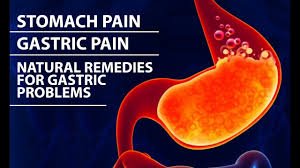
Best doctor for stomach pain Dr Rahul Dubbaka

Why Stomach Pain Deserves Serious Attention
Stomach pain is one of the most common reasons people visit a stomach pain doctor, yet it is also one of the most ignored health concerns. A heavy meal, stress, spicy food, or skipping breakfast can all trigger discomfort. Most people brush it off, take an antacid, and move on. But what happens when stomach pain keeps coming back—or worse, starts interfering with your daily life?
That’s when stomach pain stops being “normal” and becomes a signal—your body’s way of asking for attention.
Digestive health is deeply connected to energy levels, immunity, mental clarity, and overall well-being. Ignoring persistent stomach pain is like ignoring a warning light on your car dashboard. It may work for a while, but eventually, the damage becomes serious.
When it comes to expert evaluation and long-term digestive relief, many patients consider Dr Rahul Dubbaka a trusted stomach pain doctor, known for his systematic diagnosis, personalized treatment, and patient-first approach.
Understanding Stomach Pain: More Than Just Discomfort
What Is Stomach Pain?
Stomach pain is not a disease—it is a symptom. It may feel like burning, cramping, bloating, heaviness, sharp pain, or dull discomfort. Sometimes it comes and goes; other times, it persists.
Different digestive organs lie close together, including the stomach, intestines, liver, gallbladder, and pancreas. This is why self-diagnosis is often inaccurate and why consulting a stomach pain doctor is important.
Why People Often Ignore Digestive Symptoms
Many people normalize stomach pain, assuming it is gas, acidity, or stress. While this may be true occasionally, repeated symptoms often indicate underlying digestive problems that require medical attention.
The Risk of Delayed Diagnosis
Ignoring stomach pain can allow mild issues to progress into chronic conditions such as gastritis, ulcers, or long-term digestive disorders. Early consultation with a specialist like Dr Rahul Dubbaka can prevent complications and speed recovery.
Common Causes of Stomach Pain
Dr Rahul Dubbaka evaluates and treats a wide range of digestive conditions, including:
Acidity, GERD, and Heartburn
Burning pain, sour belching, and discomfort after meals are common signs of acid reflux.
Gastritis and Stomach Infections
Inflammation of the stomach lining, often caused by H. pylori infection, can lead to pain, nausea, and bloating.
Gas, Bloating, and Indigestion
Functional digestive problems may not be dangerous but can significantly reduce quality of life.
Food Intolerance and Allergies
Lactose intolerance and gluten sensitivity can cause ongoing pain if left unidentified.
Irritable Bowel Syndrome (IBS)
A gut-brain disorder causing abdominal pain, diarrhea, constipation, or both.
Stomach Ulcers
Open sores in the stomach lining that may cause burning pain and bleeding if untreated.
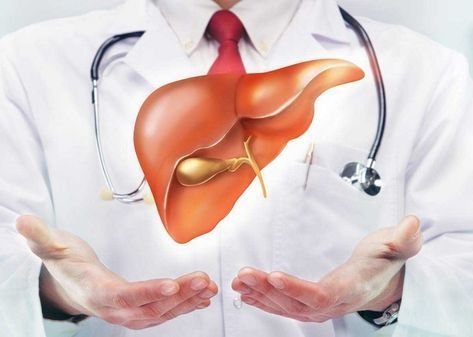
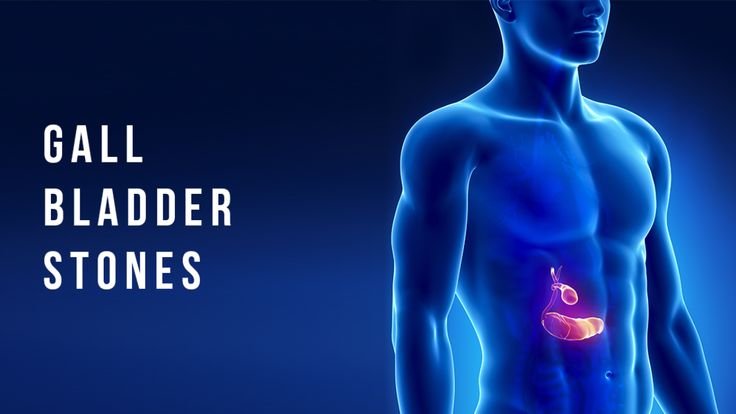
Liver, Gallbladder, and Pancreatic Disorders
Pain from these organs may be felt in the upper abdomen, requiring expert evaluation.
Inflammatory Bowel Disease (IBD)
Chronic inflammatory conditions that need long-term medical management.
When Should You See a Stomach Pain Doctor?
Warning Signs You Should Never Ignore
Pain lasting more than a few days
Severe or worsening discomfort
Pain with vomiting or fever
Blood in stool
Unexplained weight loss
Difficulty eating
Night-time abdominal pain
According to the Mayo Clinic, persistent abdominal pain should be medically evaluated rather than self-treated.
Acute vs Chronic Abdominal Pain
Sudden intense pain can indicate emergencies. Ongoing pain often reflects chronic digestive disorders. Both deserve expert attention.
Meet Dr Rahul Dubbaka – A Trusted Stomach Pain Doctor
Clinical Focus and Patient-Centered Care
Dr Rahul Dubbaka is known for his detailed evaluations, clear communication, and compassionate approach. He listens carefully, explains clearly, and involves patients in every step of treatment.
Why Dr Rahul Dubbaka Is Considered the Best Stomach Pain Doctor
In-depth symptom analysis
Accurate root-cause diagnosis
Evidence-based treatment plans
Lifestyle and dietary guidance
Preventive digestive care
Advanced Diagnostic Techniques
Detailed clinical evaluation
Blood and stool investigations
Imaging studies
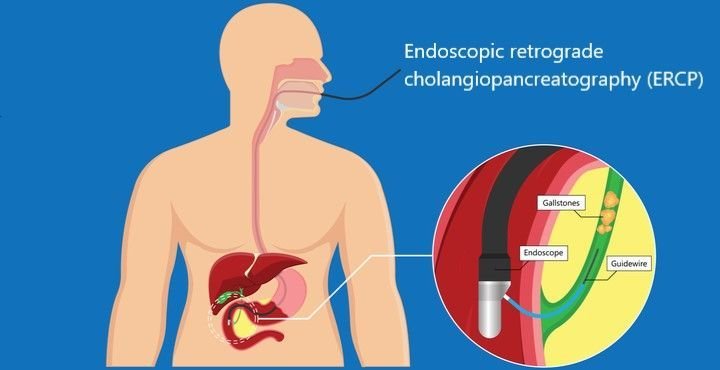
Endoscopy and colonoscopy for precise diagnosis
These tools allow accurate identification of digestive problems and guide effective treatment.
Preventive Gastroenterology: Stopping Problems Before They Start
Dr Rahul Dubbaka emphasizes early screening, routine digestive assessments, and lifestyle correction to prevent chronic disorders.
What to Expect During Your Consultation with Dr Rahul Dubbaka
Detailed discussion
Thorough examination
Clear diagnostic roadmap
Personalized treatment plan
Follow-up strategy
Personalized Treatment Plans for Long-Term Relief
Medication Management
Treatment is tailored to each patient—medications are used only when necessary.
Dietary and Nutritional Support
Food plays a key role in healing. Patients receive practical dietary guidance.
Lifestyle and Gut Health Restoration
Stress management, sleep improvement, hydration, and activity are part of recovery.
Conclusion: A Smarter Approach to Stomach Pain
Stomach pain is not something you should ignore or “live with.” It is something to understand and treat early.
With his expertise, structured diagnostics, and patient-focused care, Dr Rahul Dubbaka stands out as a leading stomach pain doctor.
If digestive discomfort is affecting your quality of life, consulting Dr Rahul Dubbaka could be your first step toward lasting relief and better digestive health.
FAQs
1. When should I see Dr Rahul Dubbaka for stomach pain?
If pain lasts more than a few days, keeps returning, or disrupts daily life, it’s time to consult.
2. Can long-term acidity really cause serious problems?
Yes. Chronic acidity can lead to gastritis, ulcers, strictures, and nutritional deficiencies.
3. Does Dr Rahul Dubbaka treat IBS and functional disorders?
Yes. He offers structured IBS management plans focusing on symptom control and gut health.
4. Are endoscopy and colonoscopy safe?
When performed by specialists, they are highly safe and extremely valuable for accurate diagnosis.
5. Can lifestyle changes really improve stomach pain?
Absolutely. Food habits, sleep, and stress play a major role in digestive health.